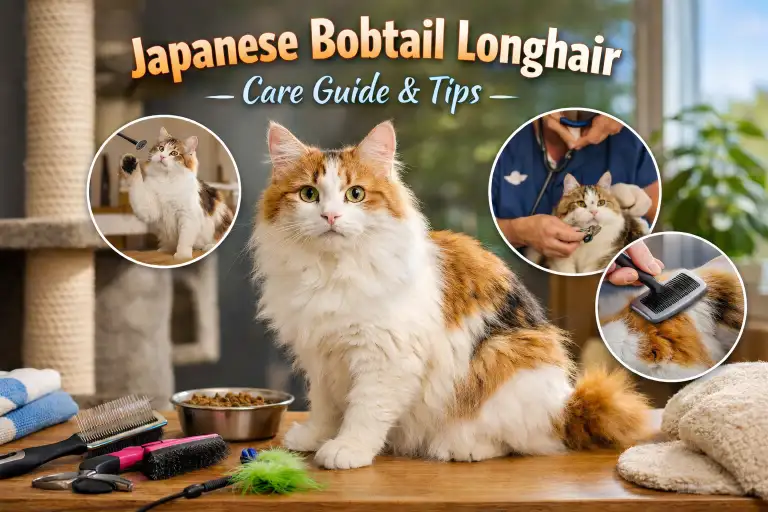
The Japanese Bobtail Longhair is a beautiful and highly distinctive cat, known for its silky coat, bobbed tail, and lively, people-focused personality. While they are not one of the most difficult longhaired breeds to care for, they do have specific needs that owners should understand early on.
Recommended Dog Care Products
Based on your dog’s age, these products may help with comfort, health, grooming, and daily care.

Purina Pro Plan Veterinary Supplements
Daily probiotics for dogs to support digestive and gut health.
View on Amazon ↗
Earth Rated Poop Bags for Dogs
Leak-proof, extra thick waste bag refill rolls with lavender scent.
View on Amazon ↗
Greenies Pill Pockets for Dogs
Large dog treats for capsule medication, peanut butter flavor.
View on Amazon ↗
HONEY CARE All-Absorb Dog Wrap
Small male dog wraps, 50 count, useful for daily care support.
View on Amazon ↗
Seresto Flea & Tick Collar
Flea and tick treatment and prevention for dogs over 18 lbs.
View on Amazon ↗
Milk-Bone MaroSnacks
Small dog treats with real bone marrow in a 40 oz canister.
View on Amazon ↗
Vital Essentials Dog Treats
Freeze dried beef liver dog treats, grain free and single ingredient.
View on Amazon ↗
Stain & Odor Eliminator
Enzyme cleaner for pet stains, carpet messes, and strong odors.
View on Amazon ↗
Pur Luv Chicken Jerky Treats
Dog treats made with real chicken breast, high protein and chew-friendly.
View on Amazon ↗
Milk-Bone Flavor Snacks
Mini crunchy dog biscuits in a 36 oz canister for small rewards.
View on Amazon ↗As an Amazon Associate, we may earn from qualifying purchases.
This breed combines two important traits that shape their care routine:
- A medium-to-long coat that benefits from regular grooming
- A highly active, intelligent temperament that requires daily engagement
If you are a first-time longhair cat owner or you’ve recently adopted a Japanese Bobtail Longhair, this guide will help you build a realistic care routine that supports both their physical health and emotional well-being.
Japanese Bobtail Longhairs are often described as social, playful, and very interactive. Many owners notice that these cats tend to follow them from room to room, “talk” with soft chirps, and demand more attention than a typical independent cat. Because of this, proper care goes beyond brushing — it also includes enrichment, routine, and stress prevention.
Unlike some heavy-coated longhair breeds, Japanese Bobtail Longhairs usually have a lighter, silky coat texture that mats less easily. However, their tail and feathered areas can still tangle if brushing is ignored for too long.
Below is a quick snapshot of what caring for this breed typically involves.
| Care Category | What to Expect With a Japanese Bobtail Longhair |
|---|---|
| Grooming Needs | Moderate brushing 2–3 times per week |
| Shedding Level | Seasonal shedding, usually manageable |
| Energy Level | High — needs daily play and stimulation |
| Temperament | Social, vocal, people-oriented |
| Best Home Setup | Indoor with climbing space and interaction |
| Beginner-Friendly | Yes, with consistent grooming and enrichment |
Overall, Japanese Bobtail Longhair care is very manageable when approached with consistency. Owners who succeed with this breed usually focus on three core priorities:
- Regular coat maintenance
- Daily mental and physical stimulation
- Early attention to health and behavior changes
Grooming and Coat Care for Japanese Bobtail Longhair Cats
Japanese Bobtail Longhair cats have soft, silky fur that looks beautiful, but it still needs regular care. Grooming helps keep their coat clean, smooth, and free from tangles.
Even though this breed mats less than some other longhaired cats, brushing is still very important, especially around areas where knots can form.
Why grooming matters
Good grooming helps with:
Recommended Dog Care Products
Based on your dog’s age, these products may help with comfort, health, grooming, and daily care.
Purina Pro Plan Veterinary Supplements
Daily probiotics for dogs to support digestive and gut health.
View on Amazon ↗
Earth Rated Poop Bags for Dogs
Leak-proof, extra thick waste bag refill rolls with lavender scent.
View on Amazon ↗
Greenies Pill Pockets for Dogs
Large dog treats for capsule medication, peanut butter flavor.
View on Amazon ↗
HONEY CARE All-Absorb Dog Wrap
Small male dog wraps, 50 count, useful for daily care support.
View on Amazon ↗
Seresto Flea & Tick Collar
Flea and tick treatment and prevention for dogs over 18 lbs.
View on Amazon ↗
Milk-Bone MaroSnacks
Small dog treats with real bone marrow in a 40 oz canister.
View on Amazon ↗
Vital Essentials Dog Treats
Freeze dried beef liver dog treats, grain free and single ingredient.
View on Amazon ↗
Stain & Odor Eliminator
Enzyme cleaner for pet stains, carpet messes, and strong odors.
View on Amazon ↗
Pur Luv Chicken Jerky Treats
Dog treats made with real chicken breast, high protein and chew-friendly.
View on Amazon ↗
Milk-Bone Flavor Snacks
Mini crunchy dog biscuits in a 36 oz canister for small rewards.
View on Amazon ↗As an Amazon Associate, we may earn from qualifying purchases.
- Preventing painful mats and tangles
- Reducing shedding around your home
- Lowering hairballs from swallowed fur
- Keeping the skin healthy
- Helping you notice bumps, fleas, or skin problems early
Many owners also find that brushing becomes a bonding time. Most Japanese Bobtails enjoy the attention when it is gentle and calm.
How often should you brush?
A simple routine works best. You do not need to brush every day, but you should stay consistent.
| Grooming Task | How Often to Do It |
|---|---|
| Quick coat check | Daily (1–2 minutes) |
| Full brushing session | 2–3 times per week |
| Extra brushing during shedding seasons | 3–4 times per week |
| Nail trimming | Every 2–4 weeks |
| Bath (only if needed) | Rarely |
Where mats usually happen
Pay close attention to these spots:
- Behind the ears
- Under the front legs
- Around the tail feathers
- Belly area
If you feel a small knot starting, brush it out early before it becomes a tight mat.
Grooming tools every owner should have
Here are the basics that work well for this breed:
- A wide-tooth metal comb (best for finding tangles)
- A soft slicker brush (for gentle smoothing)
- Cat-safe grooming wipes (for quick cleanups)
- Nail clippers made for cats
Avoid using human brushes, since they do not work well on cat fur.
Simple brushing tips for beginners
To make grooming easy and stress-free:
- Start with short sessions (2–5 minutes)
- Brush gently, never pull hard
- Give treats after brushing so your cat feels rewarded
- Stop if your cat becomes upset or tries to run away
Never cut mats with scissors, because cat skin is very thin and easy to injure. If a mat is large or tight, a vet or groomer can help safely.
Hairballs and longhair care
Longhair cats can get more hairballs because they swallow fur while grooming.
You can help by:
Recommended Dog Care Products
Based on your dog’s age, these products may help with comfort, health, grooming, and daily care.
Purina Pro Plan Veterinary Supplements
Daily probiotics for dogs to support digestive and gut health.
View on Amazon ↗
Earth Rated Poop Bags for Dogs
Leak-proof, extra thick waste bag refill rolls with lavender scent.
View on Amazon ↗
Greenies Pill Pockets for Dogs
Large dog treats for capsule medication, peanut butter flavor.
View on Amazon ↗
HONEY CARE All-Absorb Dog Wrap
Small male dog wraps, 50 count, useful for daily care support.
View on Amazon ↗
Seresto Flea & Tick Collar
Flea and tick treatment and prevention for dogs over 18 lbs.
View on Amazon ↗
Milk-Bone MaroSnacks
Small dog treats with real bone marrow in a 40 oz canister.
View on Amazon ↗
Vital Essentials Dog Treats
Freeze dried beef liver dog treats, grain free and single ingredient.
View on Amazon ↗
Stain & Odor Eliminator
Enzyme cleaner for pet stains, carpet messes, and strong odors.
View on Amazon ↗
Pur Luv Chicken Jerky Treats
Dog treats made with real chicken breast, high protein and chew-friendly.
View on Amazon ↗
Milk-Bone Flavor Snacks
Mini crunchy dog biscuits in a 36 oz canister for small rewards.
View on Amazon ↗As an Amazon Associate, we may earn from qualifying purchases.
- Brushing regularly
- Offering plenty of water
- Using vet-approved hairball treats if needed
Healthy grooming habits can prevent most hairball problems.
Daily Routine, Exercise, and Indoor Enrichment Needs
Japanese Bobtail Longhair cats are not lazy couch cats. They are active, smart, and love to stay busy. Many owners say this breed acts more like a playful kitten, even as an adult.
A good daily routine helps your cat feel happy, calm, and healthy.
Why daily activity is important
If a Japanese Bobtail gets bored, they may:
- Meow a lot for attention
- Knock things off shelves
- Scratch furniture
- Run around the house at night
- Act restless or stressed
These cats need both body exercise and brain games.
Daily care routine basics
Here are simple things to do every day:
- Feed meals at the same time
- Give fresh water
- Scoop the litter box
- Spend time playing and bonding
- Do a quick fur check
Even 20–30 minutes of attention can make a big difference.
Best ways to exercise your cat
Japanese Bobtails love movement and jumping. Try activities like:
- Wand toys with feathers
- Tossing small balls or toy mice
- Playing chase games
- Teaching simple tricks (they learn fast)
Short play sessions twice a day work better than one long session.
Indoor enrichment ideas
Indoor cats need fun spaces so they do not get bored.
Recommended Dog Care Products
Based on your dog’s age, these products may help with comfort, health, grooming, and daily care.
Purina Pro Plan Veterinary Supplements
Daily probiotics for dogs to support digestive and gut health.
View on Amazon ↗
Earth Rated Poop Bags for Dogs
Leak-proof, extra thick waste bag refill rolls with lavender scent.
View on Amazon ↗
Greenies Pill Pockets for Dogs
Large dog treats for capsule medication, peanut butter flavor.
View on Amazon ↗
HONEY CARE All-Absorb Dog Wrap
Small male dog wraps, 50 count, useful for daily care support.
View on Amazon ↗
Seresto Flea & Tick Collar
Flea and tick treatment and prevention for dogs over 18 lbs.
View on Amazon ↗
Milk-Bone MaroSnacks
Small dog treats with real bone marrow in a 40 oz canister.
View on Amazon ↗
Vital Essentials Dog Treats
Freeze dried beef liver dog treats, grain free and single ingredient.
View on Amazon ↗
Stain & Odor Eliminator
Enzyme cleaner for pet stains, carpet messes, and strong odors.
View on Amazon ↗
Pur Luv Chicken Jerky Treats
Dog treats made with real chicken breast, high protein and chew-friendly.
View on Amazon ↗
Milk-Bone Flavor Snacks
Mini crunchy dog biscuits in a 36 oz canister for small rewards.
View on Amazon ↗As an Amazon Associate, we may earn from qualifying purchases.
Here are great options:
| Enrichment Activity | Why It Helps |
|---|---|
| Cat trees or shelves | Gives climbing and jumping space |
| Puzzle feeders | Keeps the brain active during meals |
| Scratching posts | Protects furniture and relieves stress |
| Window perches | Lets them watch birds and outdoor life |
| Toy rotation | Keeps playtime exciting |
Try switching toys every few days so your cat does not lose interest.
Indoor vs outdoor safety
Most Japanese Bobtail Longhairs do best indoors, where they are safer from:
- Cars
- Parasites like fleas and ticks
- Fights with other animals
- Getting lost
If you want outdoor time, safer choices include:
- A catio (cat patio)
- Leash training with a harness
Social needs of this breed
Japanese Bobtails are very social. They enjoy being near people and do not like being alone for long hours.
If you work away from home often, consider:
- Extra enrichment toys
- A second friendly cat companion
- Daily play before and after work
Health Care, Common Problems, and Warning Signs to Watch For
Japanese Bobtail Longhair cats are usually healthy and strong, but all cats can still get sick or develop problems over time. Good health care means watching for small changes and getting help early when something seems wrong.
Regular vet visits and daily attention at home can help your cat live a long, happy life.
Basic health care every cat needs
To keep your Japanese Bobtail healthy, make sure they get:
- Yearly vet checkups
- Vaccines and parasite prevention
- Clean teeth and dental care
- A healthy weight with proper food and play
- A clean coat and skin checks during grooming
Many health issues are easier to treat when found early.
Common health concerns in longhair cats
Japanese Bobtails do not have many breed-specific diseases, but longhaired cats can sometimes face:
- Hairballs from extra grooming
- Skin irritation under thick fur
- Dental problems if teeth are not cared for
- Weight gain if they don’t get enough exercise
Most of these problems can be prevented with good daily routines.
Dental care is very important
Cats often hide tooth pain, so dental care matters a lot.
Watch for signs like:
- Bad breath
- Drooling
- Trouble eating
- Pawing at the mouth
Brushing your cat’s teeth (with cat-safe toothpaste) or using dental treats can help.
Warning signs owners should never ignore
Cats are good at hiding sickness. If your cat shows any of these signs, call your vet.
| Warning Sign | What It Could Mean |
|---|---|
| Not eating for more than 24 hours | Illness or pain |
| Sudden weight loss or gain | Health problem needing attention |
| Vomiting often | Hairballs, stomach issues, or disease |
| Diarrhea lasting more than a day | Infection or food problem |
| Hiding more than usual | Stress, pain, or sickness |
| Not using the litter box | Urinary issue or discomfort |
| Changes in grooming | Pain, arthritis, or illness |
Coat changes can be health clues
Your cat’s fur can tell you a lot.
Call a vet if you notice:
- Bald spots
- Red or itchy skin
- Dull, messy fur
- Sudden heavy shedding
Healthy cats usually keep their coat clean and smooth.
Owner mistakes to avoid
Some common mistakes include:
- Waiting too long before seeing a vet
- Thinking “my cat is just being lazy” when they may be sick
- Skipping dental care
- Overfeeding without enough play
Small habits can prevent big problems.
Special Care for Kittens, Seniors, and Multi-Cat Homes + When to See a Vet
Japanese Bobtail Longhair cats can have different needs depending on their age and living situation. Kittens, adult cats, and senior cats all require slightly different care.
This section will help you understand special situations and when professional help is needed.
Care tips for Japanese Bobtail Longhair kittens
Kittens are full of energy and curiosity. This is the best time to build good habits.
Important kitten care includes:
- Gentle brushing early so grooming feels normal
- Short play sessions many times a day
- Safe toys (no small parts they can swallow)
- Vet visits for vaccines and checkups
Kittens also learn quickly, so training them to enjoy handling makes life easier later.
Care tips for adult cats
Adult Japanese Bobtails are playful and social.
To keep them healthy:
- Continue regular brushing 2–3 times a week
- Provide daily exercise and climbing space
- Keep feeding portions balanced to prevent weight gain
- Schedule yearly vet visits
Adult cats do best with routine and attention.
Special care for senior Japanese Bobtail Longhairs
Senior cats (around age 10 and older) may slow down and need extra comfort.
Older cats may have:
- Arthritis or joint pain
- Trouble grooming themselves
- More dental or kidney problems
Helpful senior care includes:
- More gentle brushing help
- Softer bedding and easy-to-reach litter boxes
- More frequent vet checkups (often twice a year)
If your senior cat stops grooming, it is often a sign they need help.
Multi-cat household care
Japanese Bobtails are friendly, but multi-cat homes can still bring challenges.
To reduce stress:
- Provide one litter box per cat, plus one extra
- Feed cats in separate spaces if needed
- Give each cat their own resting and climbing areas
Longhair cats also need clean litter areas to keep fur from getting dirty.
When to see a vet or professional
You should contact a vet or groomer if:
- Your cat has large mats you cannot brush out
- They stop eating or drinking
- They hide often or seem in pain
- They have litter box problems
- Vomiting or diarrhea becomes frequent
- Their coat suddenly looks messy or unhealthy
It is always better to ask early than wait too long.
For more trusted veterinary-approved guidance on keeping your cat healthy at every life stage, you can also visit the American Association of Feline Practitioners (AAFP) cat care resources at https://catfriendly.com.

Ata Ur Rehman is the founder of Pet Age in Human Years Calculator, an educational platform that provides age conversion charts and lifespan guides for dogs, cats, birds, and other companion animals. His work focuses on helping pet owners understand how animal ages translate into human years using commonly accepted age conversion formulas and published lifespan averages.
The website compiles breed and species lifespan data from kennel clubs, breed organizations, and general animal lifespan studies to present simple and easy-to-understand guides for pet owners worldwide.
This website was created to centralize animal age conversion charts into one easy reference platform for pet owners.