Bombay Kitten Care Guide for Growth and Early Health
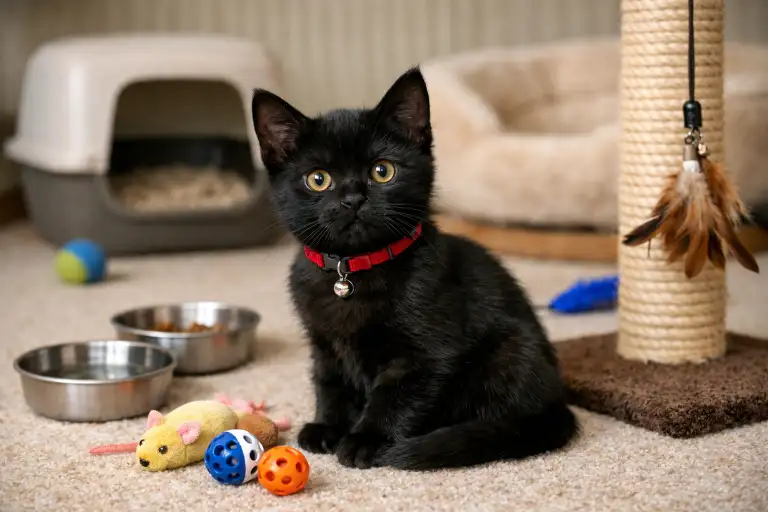
Before bringing your Bombay kitten home, it’s important to make your space safe, comfortable, and welcoming. A calm environment helps your kitten adjust quickly and feel secure.
Recommended Dog Care Products
Based on your dog’s age, these products may help with comfort, health, grooming, and daily care.

Purina Pro Plan Veterinary Supplements
Daily probiotics for dogs to support digestive and gut health.
View on Amazon ↗
Earth Rated Poop Bags for Dogs
Leak-proof, extra thick waste bag refill rolls with lavender scent.
View on Amazon ↗
Greenies Pill Pockets for Dogs
Large dog treats for capsule medication, peanut butter flavor.
View on Amazon ↗
HONEY CARE All-Absorb Dog Wrap
Small male dog wraps, 50 count, useful for daily care support.
View on Amazon ↗
Seresto Flea & Tick Collar
Flea and tick treatment and prevention for dogs over 18 lbs.
View on Amazon ↗
Milk-Bone MaroSnacks
Small dog treats with real bone marrow in a 40 oz canister.
View on Amazon ↗
Vital Essentials Dog Treats
Freeze dried beef liver dog treats, grain free and single ingredient.
View on Amazon ↗
Stain & Odor Eliminator
Enzyme cleaner for pet stains, carpet messes, and strong odors.
View on Amazon ↗
Pur Luv Chicken Jerky Treats
Dog treats made with real chicken breast, high protein and chew-friendly.
View on Amazon ↗
Milk-Bone Flavor Snacks
Mini crunchy dog biscuits in a 36 oz canister for small rewards.
View on Amazon ↗As an Amazon Associate, we may earn from qualifying purchases.
Start with a small, quiet room where your kitten can settle in. Place a soft bed or blanket in a cozy corner. Keep the litter box, food, and water dishes in separate spots so your kitten can easily access them. Make sure all cords, small objects, and poisonous plants are out of reach to prevent accidents. Bombay kittens are curious climbers, so secure shelves and keep windows closed or screened.
Use a home preparation checklist to make sure you don’t forget anything:
| Item | Purpose | Notes |
|---|---|---|
| Bed or blanket | Comfortable sleep spot | Soft and washable |
| Litter box | Bathroom needs | Keep clean, in quiet spot |
| Food & water dishes | Easy access to meals | Place away from litter box |
| Toys | Mental stimulation | Safe, non-toxic toys |
| Safety checks | Remove hazards | Cords, small objects, plants |
| Scratching posts | Healthy clawing | Encourage use early |
Keep your routine gentle at first. Let your kitten explore the room slowly. Spend time sitting quietly, letting them approach you. A calm introduction helps reduce stress and builds trust. This preparation sets a strong foundation for bonding and helps prevent early behavior problems.
Feeding, Sleep & Daily Routine
Bombay kittens need a balance of food, sleep, and play to grow healthy and happy. Understanding their daily needs makes caring for them simple.
Feeding: Young kittens eat small meals several times a day. Use high-quality kitten food that has enough protein for growth. Offer wet or dry food, and always keep fresh water available. Avoid giving human food, which can upset their stomachs.
Sleep: Kittens sleep a lot—up to 16–20 hours a day. Sleep helps their bodies and brains develop. Don’t worry if your kitten seems to nap all the time; they will have short bursts of energy between naps.
Daily routine: Having a consistent routine helps your Bombay kitten feel safe. Include playtime, feeding, and quiet time. This will make transitions easier as they grow.
Here is an easy daily routine table for a Bombay kitten:
| Time | Activity | Notes |
|---|---|---|
| Morning | Feeding | Fresh water and breakfast |
| Mid-morning | Play | Short interactive sessions |
| Noon | Nap | Let the kitten sleep undisturbed |
| Afternoon | Feeding | Small meal and water refill |
| Evening | Play | Active games, climbing, chasing |
| Night | Sleep | Quiet area, cozy bed |
Following a routine like this helps your kitten adjust quickly and gives you confidence in daily care.
Recommended Dog Care Products
Based on your dog’s age, these products may help with comfort, health, grooming, and daily care.
Purina Pro Plan Veterinary Supplements
Daily probiotics for dogs to support digestive and gut health.
View on Amazon ↗
Earth Rated Poop Bags for Dogs
Leak-proof, extra thick waste bag refill rolls with lavender scent.
View on Amazon ↗
Greenies Pill Pockets for Dogs
Large dog treats for capsule medication, peanut butter flavor.
View on Amazon ↗
HONEY CARE All-Absorb Dog Wrap
Small male dog wraps, 50 count, useful for daily care support.
View on Amazon ↗
Seresto Flea & Tick Collar
Flea and tick treatment and prevention for dogs over 18 lbs.
View on Amazon ↗
Milk-Bone MaroSnacks
Small dog treats with real bone marrow in a 40 oz canister.
View on Amazon ↗
Vital Essentials Dog Treats
Freeze dried beef liver dog treats, grain free and single ingredient.
View on Amazon ↗
Stain & Odor Eliminator
Enzyme cleaner for pet stains, carpet messes, and strong odors.
View on Amazon ↗
Pur Luv Chicken Jerky Treats
Dog treats made with real chicken breast, high protein and chew-friendly.
View on Amazon ↗
Milk-Bone Flavor Snacks
Mini crunchy dog biscuits in a 36 oz canister for small rewards.
View on Amazon ↗As an Amazon Associate, we may earn from qualifying purchases.
Behavior, Bonding & Training Basics
Bombay kittens are smart and social, but they need guidance to learn good habits. Understanding their behavior helps prevent frustration.
Play behavior: Kittens bite and scratch during play. This is normal. Redirect their energy to toys rather than your hands. Avoid punishment; gentle correction works best.
Litter training: Most Bombay kittens learn quickly. Keep the box clean, in a quiet spot, and show them where it is. Accidents happen; stay calm and guide them to the box.
Bonding: Spend time petting, talking softly, and playing. Let your kitten come to you. This builds trust and reduces stress.
Socialization: Introduce your kitten slowly to new people, pets, and environments. Reward calm behavior. This helps them grow confident and friendly.
Here is a behavior guide table for easy reference:
| Behavior | Normal | How to Encourage |
|---|---|---|
| Play biting | Gentle nibbling | Offer toys instead |
| Climbing furniture | Exploration | Provide cat trees |
| Following people | Attention-seeking | Reward calm approaches |
| Meowing | Short calls | Respond with attention, not panic |
| Hiding | Shy adjustment | Give quiet spaces |
Grooming, Health Awareness & Common Mistakes
Even though Bombay kittens have short coats, basic grooming keeps them healthy and happy. A simple routine prevents problems and builds trust.
Grooming: Brush your kitten weekly to remove loose fur and reduce hairballs. Wipe their eyes and ears gently if needed. Trim nails carefully when they are calm.
Health awareness: Watch for changes in appetite, energy, or litter habits. First vet visits are essential for wellness checks. This guide is not a replacement for veterinary care but helps you notice what’s normal.
Common mistakes: Many new owners overfeed, neglect play, or expect adult behavior too soon. Avoid punishing normal kitten actions like scratching or climbing. Patience and guidance work best.
Recommended Dog Care Products
Based on your dog’s age, these products may help with comfort, health, grooming, and daily care.
Purina Pro Plan Veterinary Supplements
Daily probiotics for dogs to support digestive and gut health.
View on Amazon ↗
Earth Rated Poop Bags for Dogs
Leak-proof, extra thick waste bag refill rolls with lavender scent.
View on Amazon ↗
Greenies Pill Pockets for Dogs
Large dog treats for capsule medication, peanut butter flavor.
View on Amazon ↗
HONEY CARE All-Absorb Dog Wrap
Small male dog wraps, 50 count, useful for daily care support.
View on Amazon ↗
Seresto Flea & Tick Collar
Flea and tick treatment and prevention for dogs over 18 lbs.
View on Amazon ↗
Milk-Bone MaroSnacks
Small dog treats with real bone marrow in a 40 oz canister.
View on Amazon ↗
Vital Essentials Dog Treats
Freeze dried beef liver dog treats, grain free and single ingredient.
View on Amazon ↗
Stain & Odor Eliminator
Enzyme cleaner for pet stains, carpet messes, and strong odors.
View on Amazon ↗
Pur Luv Chicken Jerky Treats
Dog treats made with real chicken breast, high protein and chew-friendly.
View on Amazon ↗
Milk-Bone Flavor Snacks
Mini crunchy dog biscuits in a 36 oz canister for small rewards.
View on Amazon ↗As an Amazon Associate, we may earn from qualifying purchases.
Here is a common mistakes table for quick tips:
| Mistake | Why it Happens | Better Approach |
|---|---|---|
| Overfeeding | Wanting kitten to grow fast | Feed measured portions 3–4 times/day |
| Ignoring play | Busy schedule | Schedule short interactive sessions |
| Punishing scratching | Frustration | Provide scratching posts and redirect |
| Expecting lap-cat behavior too soon | Misunderstanding breed | Allow kitten to bond at their pace |
| Skipping grooming | Thinking it’s short hair | Weekly brushing builds trust |
Final Reassurance & Owner Advice
Caring for a Bombay kitten is a rewarding experience. They are affectionate, playful, and bond strongly with people. Remember:
- Be patient with routines and learning curves.
- Most behaviors are normal and part of growing up.
- Interactive play and gentle handling build confidence and trust.
- Mistakes are opportunities to teach, not failures.
For more expert, vet-reviewed guidance on Bombay kittens and general feline care, you can visit International Cat Care, a trusted authority in cat health and welfare.

Ata Ur Rehman is the founder of Pet Age in Human Years Calculator, an educational platform that provides age conversion charts and lifespan guides for dogs, cats, birds, and other companion animals. His work focuses on helping pet owners understand how animal ages translate into human years using commonly accepted age conversion formulas and published lifespan averages.
The website compiles breed and species lifespan data from kennel clubs, breed organizations, and general animal lifespan studies to present simple and easy-to-understand guides for pet owners worldwide.
This website was created to centralize animal age conversion charts into one easy reference platform for pet owners.