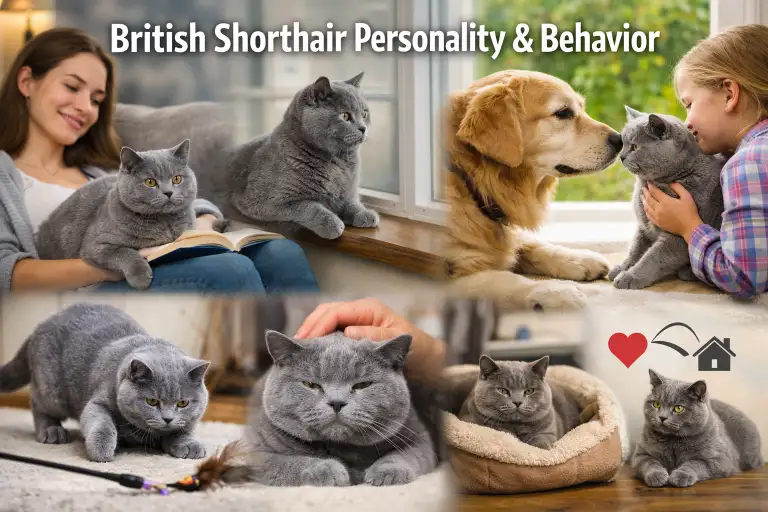
The British Shorthair is known for being calm, gentle, and steady. These cats are not usually loud or hyperactive, which makes them easy to live with in a quiet home. They enjoy being near their humans but don’t always need to be held or petted constantly. Many owners describe them as “quiet companions” who bring comfort simply by being present.
Recommended Dog Care Products
Based on your dog’s age, these products may help with comfort, health, grooming, and daily care.

Purina Pro Plan Veterinary Supplements
Daily probiotics for dogs to support digestive and gut health.
View on Amazon ↗
Earth Rated Poop Bags for Dogs
Leak-proof, extra thick waste bag refill rolls with lavender scent.
View on Amazon ↗
Greenies Pill Pockets for Dogs
Large dog treats for capsule medication, peanut butter flavor.
View on Amazon ↗
HONEY CARE All-Absorb Dog Wrap
Small male dog wraps, 50 count, useful for daily care support.
View on Amazon ↗
Seresto Flea & Tick Collar
Flea and tick treatment and prevention for dogs over 18 lbs.
View on Amazon ↗
Milk-Bone MaroSnacks
Small dog treats with real bone marrow in a 40 oz canister.
View on Amazon ↗
Vital Essentials Dog Treats
Freeze dried beef liver dog treats, grain free and single ingredient.
View on Amazon ↗
Stain & Odor Eliminator
Enzyme cleaner for pet stains, carpet messes, and strong odors.
View on Amazon ↗
Pur Luv Chicken Jerky Treats
Dog treats made with real chicken breast, high protein and chew-friendly.
View on Amazon ↗
Milk-Bone Flavor Snacks
Mini crunchy dog biscuits in a 36 oz canister for small rewards.
View on Amazon ↗As an Amazon Associate, we may earn from qualifying purchases.
These cats are independent but not distant. They often like to watch what’s happening around them before joining in. This careful approach to new situations helps them feel safe and shows their thoughtful personality. It also makes them good pets for families who appreciate a cat that is steady and predictable.
Affection from a British Shorthair is often subtle. They may sit nearby, follow you from room to room, or give you soft eye contact instead of jumping on your lap or meowing loudly. Over time, they build strong trust with their owners, showing love in small, meaningful ways rather than constant displays.
British Shorthairs are also emotionally balanced. They rarely overreact to loud noises or sudden movements, and they tend to stay calm in most household situations. This makes them excellent companions for people who want a cat that adapts well to daily life without creating stress or chaos.
What Shapes British Shorthair Behavior
A British Shorthair’s personality comes from a mix of genetics, early life experiences, and the home environment. Their genes give them a naturally calm and even-tempered nature, but early handling as kittens also shapes how social and confident they become. Kittens that are gently handled and exposed to people and sights early often grow into friendly, relaxed adults.
The environment at home matters a lot. These cats thrive in calm, predictable households. Too much noise or sudden changes can make them cautious, while a steady routine helps them feel secure. How the family interacts with the cat also plays a role. Owners who respect the cat’s space and let them approach on their terms often see more trust and gentle affection in return.
Personality differences can also appear within the same breed. Some British Shorthairs are a bit more playful or talkative, while others prefer quiet observation. Recognizing these individual differences helps owners understand that each cat is unique, even within the same breed.
Finally, life stage influences behavior. Kittens are more curious and playful, while adults become calmer and more routine-oriented. Seniors may enjoy even more quiet companionship and gentle interaction. Understanding these shifts helps owners adjust expectations as their British Shorthair grows.
Factors Influencing British Shorthair Behavior
| Factor | Description | Owner Tip |
|---|---|---|
| Genetics | Inherited temperament from parents | Choose kittens from calm, social parents if possible |
| Early Handling | Socialization as a kitten | Gentle exposure to people and household sights |
| Home Environment | Noise levels, routine, activity | Maintain a predictable daily routine |
| Owner Interaction | Respecting personal space | Let the cat approach, avoid forcing contact |
| Life Stage | Kitten, adult, senior differences | Adjust play and affection to age and energy |
Core British Shorthair Personality Traits
British Shorthairs are calm, affectionate in quiet ways, and independent without being distant. They are loyal to their favorite humans and enjoy companionship that is steady rather than demanding. Many owners notice that their British Shorthair prefers being in the same room rather than on the lap, showing trust through presence instead of constant touch.
Recommended Dog Care Products
Based on your dog’s age, these products may help with comfort, health, grooming, and daily care.
Purina Pro Plan Veterinary Supplements
Daily probiotics for dogs to support digestive and gut health.
View on Amazon ↗
Earth Rated Poop Bags for Dogs
Leak-proof, extra thick waste bag refill rolls with lavender scent.
View on Amazon ↗
Greenies Pill Pockets for Dogs
Large dog treats for capsule medication, peanut butter flavor.
View on Amazon ↗
HONEY CARE All-Absorb Dog Wrap
Small male dog wraps, 50 count, useful for daily care support.
View on Amazon ↗
Seresto Flea & Tick Collar
Flea and tick treatment and prevention for dogs over 18 lbs.
View on Amazon ↗
Milk-Bone MaroSnacks
Small dog treats with real bone marrow in a 40 oz canister.
View on Amazon ↗
Vital Essentials Dog Treats
Freeze dried beef liver dog treats, grain free and single ingredient.
View on Amazon ↗
Stain & Odor Eliminator
Enzyme cleaner for pet stains, carpet messes, and strong odors.
View on Amazon ↗
Pur Luv Chicken Jerky Treats
Dog treats made with real chicken breast, high protein and chew-friendly.
View on Amazon ↗
Milk-Bone Flavor Snacks
Mini crunchy dog biscuits in a 36 oz canister for small rewards.
View on Amazon ↗As an Amazon Associate, we may earn from qualifying purchases.
These cats are not highly vocal. They may make soft sounds or a quiet meow when they want attention, but they usually communicate subtly. Observant owners learn to read these gentle signals, like slow blinks, soft purring, or tail movements, to understand what the cat is feeling.
Playfulness exists but is usually moderate. British Shorthairs like short bursts of interactive play with toys, especially chasing or pouncing games. They may not be as energetic as some other breeds, but their focused play sessions show intelligence and curiosity.
Another key trait is emotional balance. British Shorthairs rarely overreact to household changes and adapt well to predictable environments. This composure makes them ideal for families who prefer calm, stress-free pets.
Core Personality Traits of British Shorthairs
| Trait | What It Looks Like | What It Does Not Mean |
|---|---|---|
| Calm | Quiet, steady presence | Aloof or uncaring |
| Independent | Enjoys alone time | Dislikes humans |
| Loyal | Stays near favorite people | Needs constant attention |
| Subtle Affection | Soft purrs, eye contact | Demanding physical affection |
| Moderate Play | Short, focused sessions | High-energy hyperactivity |
Social, Play, and Daily Behavior Patterns
British Shorthairs enjoy human interaction on their terms. They may follow you around, sit near your desk, or greet you at the door, but they often prefer gentle touch over being picked up. Children and other pets are usually accepted well if introductions are calm and slow.
Play is usually short but focused. They enjoy chasing small toys, batting at objects, and occasionally engaging in mild climbing. Because they are medium-sized and sturdy, they can handle short bursts of activity without stress. Overexertion is uncommon, but keeping play interactive and predictable is appreciated.
Daily routines matter a lot to these cats. They often follow a consistent schedule for feeding, sleeping, and resting. Predictable routines give them confidence and reduce stress. Many owners notice that British Shorthairs are happiest when they know what to expect throughout the day.
Their energy levels are moderate. They are not “couch potatoes” in the negative sense, but they prefer calm observation to constant movement. Observing their environment, sitting by windows, or watching family activities are typical behaviors that show comfort and curiosity.
British Shorthair Daily Behavior Patterns
| Behavior Area | Typical Pattern | Owner Interpretation |
|---|---|---|
| Human Interaction | Stays nearby, gentle attention | Affection without demands |
| Play | Short bursts, interactive toys | Mental stimulation over high energy |
| Sleep/Rest | Regular naps, predictable schedule | Comfort and security |
| Observation | Watches surroundings | Curiosity and environmental awareness |
| Social with Pets | Calm, non-aggressive | Peaceful cohabitation |
Commonly Misunderstood British Shorthair Behaviors
Some owners worry that their British Shorthair is distant or unfriendly, but many behaviors are just subtle forms of communication. Avoiding laps does not mean dislike; it often means the cat prefers gentle proximity or chooses when to engage physically.
Recommended Dog Care Products
Based on your dog’s age, these products may help with comfort, health, grooming, and daily care.
Purina Pro Plan Veterinary Supplements
Daily probiotics for dogs to support digestive and gut health.
View on Amazon ↗
Earth Rated Poop Bags for Dogs
Leak-proof, extra thick waste bag refill rolls with lavender scent.
View on Amazon ↗
Greenies Pill Pockets for Dogs
Large dog treats for capsule medication, peanut butter flavor.
View on Amazon ↗
HONEY CARE All-Absorb Dog Wrap
Small male dog wraps, 50 count, useful for daily care support.
View on Amazon ↗
Seresto Flea & Tick Collar
Flea and tick treatment and prevention for dogs over 18 lbs.
View on Amazon ↗
Milk-Bone MaroSnacks
Small dog treats with real bone marrow in a 40 oz canister.
View on Amazon ↗
Vital Essentials Dog Treats
Freeze dried beef liver dog treats, grain free and single ingredient.
View on Amazon ↗
Stain & Odor Eliminator
Enzyme cleaner for pet stains, carpet messes, and strong odors.
View on Amazon ↗
Pur Luv Chicken Jerky Treats
Dog treats made with real chicken breast, high protein and chew-friendly.
View on Amazon ↗
Milk-Bone Flavor Snacks
Mini crunchy dog biscuits in a 36 oz canister for small rewards.
View on Amazon ↗As an Amazon Associate, we may earn from qualifying purchases.
Quiet behavior is another trait that can be misread. Many owners expect a talkative or attention-seeking cat, but the British Shorthair’s calm and measured nature is simply part of its personality. Over time, owners learn that silence often accompanies trust and comfort.
Stillness or lounging is often seen as laziness. In reality, British Shorthairs value observation and quiet engagement. They notice household patterns, human behavior, and environmental changes, which reflects intelligence rather than inactivity.
Finally, changes in behavior should always be considered in context. Gradual shifts with age, new family members, or environmental changes are normal. Recognizing these as part of personality and life stages helps owners respond with understanding rather than worry.
Common Misunderstood Behaviors vs Reality
| Owner Concern | Actual Meaning | Reassurance |
|---|---|---|
| Avoiding laps | Prefers gentle proximity | Shows trust without physical demand |
| Quiet or still | Calm observation | Comfort and security |
| Not playful | Moderate energy | Enjoys focused play sessions |
| Aloofness | Thoughtful assessment | Emotional balance, not disinterest |
| Slow bonding | Takes time to trust | Strong, stable long-term attachment |
For more expert insight into British Shorthair behavior, you can check the profile from the Cat Fanciers’ Association, a trusted authority on recognized cat breeds.

Ata Ur Rehman is the founder of Pet Age in Human Years Calculator, an educational platform that provides age conversion charts and lifespan guides for dogs, cats, birds, and other companion animals. His work focuses on helping pet owners understand how animal ages translate into human years using commonly accepted age conversion formulas and published lifespan averages.
The website compiles breed and species lifespan data from kennel clubs, breed organizations, and general animal lifespan studies to present simple and easy-to-understand guides for pet owners worldwide.
This website was created to centralize animal age conversion charts into one easy reference platform for pet owners.