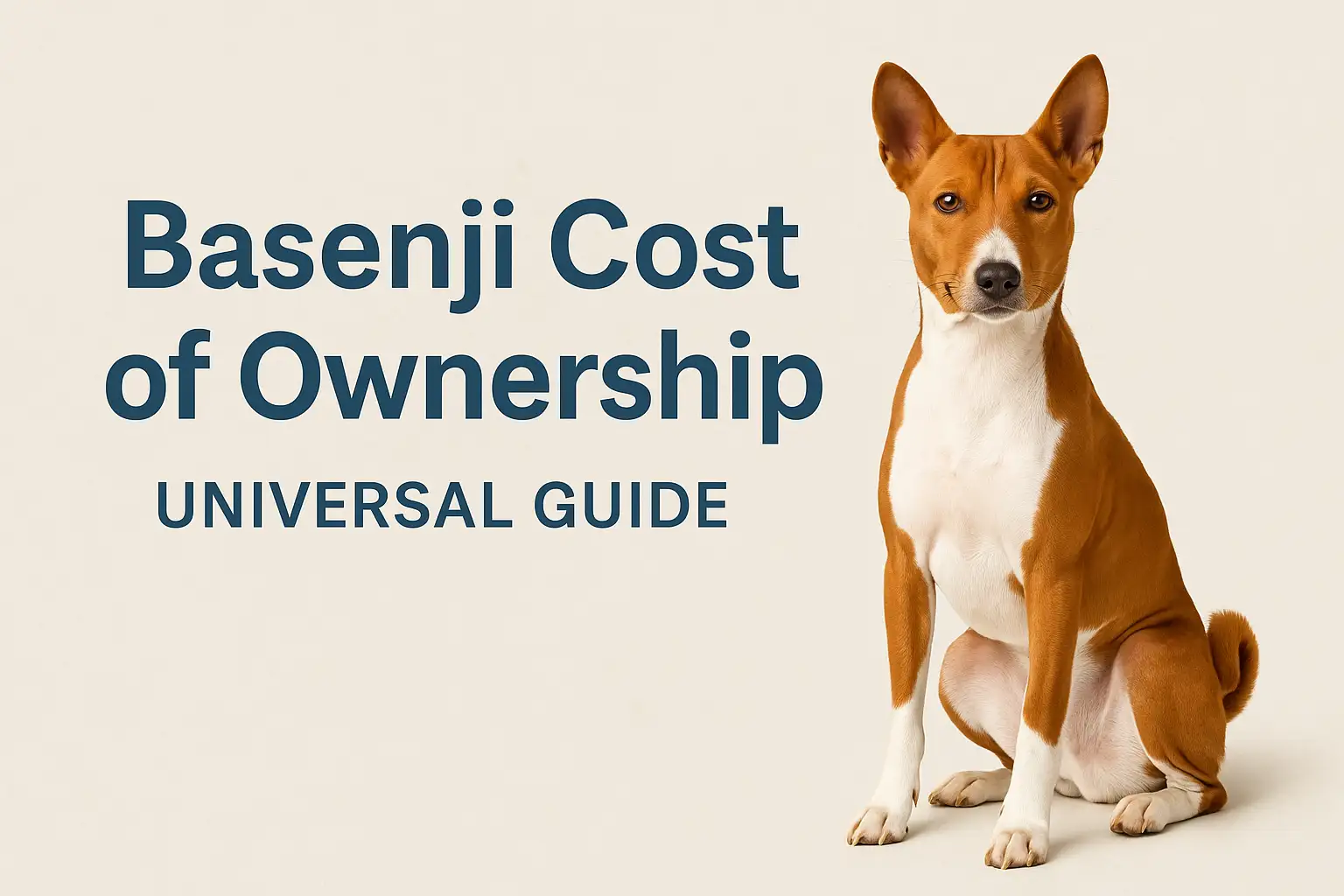
Owning a Basenji is a unique experience—equal parts joy, challenge, and commitment. Often called the “barkless dog,” this intelligent and independent breed comes with specific costs that future owners should understand before bringing one home. While their smaller size and low-shedding coat may suggest lower expenses, the reality is that Basenjis have distinct needs that influence both upfront and long-term spending.
In this guide, you’ll learn exactly what it costs to get, raise, and care for a Basenji—from puppy purchase prices and first-year costs to monthly budgets, vet care, training, grooming, and lifetime financial planning. Whether you’re preparing for your first dog or comparing breeds, this breakdown will help you make a confident, fully informed decision.
Before we dive into the costs, it’s important to understand how Basenji traits—such as their high energy, unique vocalization, strong prey drive, and escape-artist tendencies—play a major role in what you’ll spend over the course of their life. These traits influence training needs, replacement costs, safety equipment, and sometimes even vet expenses.
Basenji Overview: Traits That Affect Cost
Before calculating the true cost of owning a Basenji, it’s important to understand the breed itself—because their personality, size, behavior, and unique characteristics directly influence lifetime expenses. This quick overview sets the foundation for why Basenjis can be both economical in some areas and surprisingly costly in others.
(For a full breed breakdown, see the Basenji Dog Breed Guide.)
What is a Basenji? A quick snapshot
The Basenji is an ancient hunting breed originating from Central Africa and is one of the oldest domesticated dog types. Compact, athletic, and incredibly alert, they were bred to track and flush game, which explains their sharp instincts and high energy today. Basenjis typically weigh between 22–24 pounds and stand around 16–17 inches tall, making them a medium-small breed with a lean, muscular build.
Their elegant appearance, curled tail, almond-shaped eyes, and graceful movement contribute to their appeal—but these features also hint at their athleticism and independence. Both traits influence the type of training, gear, and environment they need, which in turn affects your budget.
Do Basenjis bark? Understanding their famous yodel
One of the most frequently asked questions is whether Basenjis bark. They don’t produce a traditional bark due to the shape of their larynx. Instead, they create a vocalization known as a “baroo” or yodel—a sound that many owners find charming but unexpected.
While they aren’t noisy in the traditional sense, Basenjis are expressive and can become loud when excited or frustrated. This means behavioral training and proper enrichment are essential to prevent unwanted vocalization or anxiety-driven sounds. These training needs can add to your overall cost of ownership.
Do Basenjis shed? Are they hypoallergenic?
Basenjis are often marketed as hypoallergenic, but this is only partially true. They shed very little compared to other breeds, and their short coat produces minimal odor. However, no dog is 100% hypoallergenic. People with severe allergies may still react to Basenjis.
Their low-shedding coat does help reduce grooming expenses, but they still require routine care—nail trimming, occasional baths, ear cleaning, and dental maintenance. These grooming needs should be factored into annual cost planning.
How big do Basenjis get? Why size impacts cost
Basenjis fall into the medium-small category, but their athletic nature makes them more demanding than their size suggests. Their weight and activity level affect:
- How much food they consume
- What size crate, harness, and bed they require
- Insurance pricing
- Energy-related expenses (toys, puzzle feeders, long leads)
Because they are escape artists, many owners invest in sturdier harnesses and reinforced fencing—expenses that are not always required for more laid-back or less agile breeds.
How long do Basenjis live?
Basenjis have a relatively long lifespan of 12–14 years, with some living up to 16. This extended lifespan means long-term budgeting becomes crucial. While their first-year costs are the highest, their lifetime expenses accumulate over more than a decade of food, vet care, training, insurance, and replacement gear.
Their lifespan also means it’s helpful to understand how their age relates to human years for planning senior care. Tools like the Basenji Dog Age to Human Years Calculator become especially useful for long-term cost forecasting.
One-Time Costs of Getting a Basenji
Before your monthly Basenji expenses begin, there are several important one-time costs to plan for. These include the price of the dog itself, adoption or breeder fees, initial supplies, and early veterinary care. Below is a clear, structured breakdown of what new owners typically spend.
Basenji puppy price from reputable breeders
Basenjis are a relatively rare breed, and reputable breeders invest heavily in genetic testing—especially for Fanconi syndrome. This results in higher-than-average puppy prices. Costs vary by country, pedigree, and breeder reputation.
| Region | Typical Price Range | Notes |
|---|---|---|
| United States | $1,500 – $3,500 | Champion lines or health-tested parents cost more |
| United Kingdom | £1,200 – £2,000 | KC-registered breeders on the higher end |
| Canada | $2,000 – $4,000 CAD | Limited Basenji breeders increase demand |
| European Union | €1,200 – €2,500 | Availability varies greatly by country |
Tip: Extremely low-priced Basenjis can be a red flag for puppy mills or missing health tests.
Adoption or rescue costs
Adopting a Basenji is more affordable, but availability can be limited since the breed is less common in shelters. Adoption fees typically include early veterinary care, making them excellent value.
| Adoption Source | Cost Range | Often Includes |
|---|---|---|
| Basenji breed rescue | $250 – $600 | Vaccinations, spay/neuter, microchip |
| Local shelter | $100 – $300 | Vaccinations, basic exam |
| Foster-based rescue | $200 – $500 | Health check, initial supplies (varies) |
First-year setup costs
These are the essential items you’ll need before your Basenji comes home. Because Basenjis are athletic and curious, choosing durable, escape-proof gear is recommended.
| Item | Estimated Cost | Notes |
|---|---|---|
| Crate | $50 – $150 | Medium size; wire or plastic |
| Dog bed | $30 – $80 | Chew-resistant recommended |
| Harness (escape-proof) | $25 – $60 | Basenjis can slip standard harnesses |
| Leash (standard + long lead) | $15 – $40 | Useful for training |
| Food & water bowls | $10 – $30 | Stainless steel preferred |
| Toys (chew + puzzle) | $20 – $60 | High durability recommended |
| Grooming tools | $15 – $40 | Brush, nail clippers, shampoo |
| Cleaning supplies | $10 – $30 | Enzyme cleaners for accidents |
Total estimated setup cost: $175 – $490
Initial veterinary costs
Your Basenji’s first few months will include vaccinations, parasite prevention, and routine checkups. If your puppy is not already spayed or neutered, that adds to the total.
| Veterinary Service | Cost Range | Notes |
|---|---|---|
| Puppy vaccinations (series) | $75 – $200 | Distemper, parvo, etc. |
| Deworming | $20 – $50 | Required at multiple intervals |
| Microchipping | $25 – $60 | One-time cost |
| Spay/neuter | $150 – $500 | Depends on clinic & region |
| Initial health exam | $50 – $120 | Required for new puppies |
Total estimated initial vet cost: $320 – $930
Monthly Costs of Owning a Basenji
Once your Basenji is settled in, you’ll begin to see the predictable monthly expenses that make up most of the ongoing cost of ownership. These costs can vary depending on your dog’s diet, health, activity level, and where you live, but the categories below give a realistic view of what to expect.
Food and treat costs
Basenjis are small-to-medium dogs, but they’re athletic and energetic, which means they need a high-quality diet. Monthly food expenses depend on brand and feeding volume.
| Food Category | Monthly Cost | Notes |
|---|---|---|
| Budget kibble | $25 – $40 | Not recommended for active Basenjis |
| Mid-range kibble | $40 – $70 | Most common choice |
| Premium kibble or fresh food | $70 – $120 | Best for active or sensitive dogs |
| Treats & chews | $10 – $25 | Includes dental treats |
Supplements & preventative medications
Preventative care keeps long-term vet bills lower. Expect monthly medication costs such as flea/tick control and heartworm prevention.
| Item | Monthly Cost | Notes |
|---|---|---|
| Flea/tick prevention | $10 – $20 | Depends on brand |
| Heartworm prevention | $8 – $15 | Essential in most regions |
| Supplements (optional) | $5 – $20 | Joint, skin, or gut health |
Training costs
Training is especially important for Basenjis due to their independence, curiosity, and tendency to test boundaries. While not always a monthly expense, many owners budget for ongoing classes or refreshers.
Average monthly training cost (if attending classes): $40 – $150
Pet insurance costs
Insurance helps offset emergency or chronic-condition expenses. Premiums depend on your location, dog’s age, and plan.
| Insurance Type | Monthly Cost | Notes |
|---|---|---|
| Accident-only | $15 – $25 | Lowest-cost option |
| Accident + illness | $35 – $70 | Most common Basenji plan |
| Comprehensive plans | $70 – $100+ | Includes wellness add-ons |
Regular supplies & replacement items
Basenjis are active, intelligent, and sometimes mischievous—meaning toys, harnesses, and other essentials may need frequent replacement.
| Item | Monthly Cost | Notes |
|---|---|---|
| Toys & chews | $10 – $25 | Basenjis often destroy toys quickly |
| Poop bags | $5 – $10 | Ongoing supply |
| Replacement gear fund | $5 – $10 | For harnesses, leashes, etc. |
Annual Costs of Owning a Basenji
In addition to monthly expenses, Basenji owners should budget for recurring annual costs. These include vet visits, grooming needs, licensing, and occasional training refreshers. While Basenjis are relatively low-maintenance in some areas, their health and behavioral needs still make yearly planning essential.
Annual veterinary costs
Every Basenji should have at least one full vet visit per year for exams, vaccines, and routine preventive care.
| Veterinary Service | Annual Cost | Notes |
|---|---|---|
| Wellness exam | $50 – $120 | Standard checkup |
| Booster vaccines | $20 – $80 | Depends on vaccine type |
| Dental cleaning | $300 – $900 | Major cost many owners forget |
| Fanconi syndrome test | $65 – $120 | Breed-specific recommendation |
| Bloodwork | $80 – $150 | Especially useful for aging dogs |
Grooming costs
Basenjis are low-shedding and generally clean dogs, but they still need basic grooming throughout the year.
| Grooming Task | Annual Cost | Notes |
|---|---|---|
| Nail trims | $60 – $120 | Every 4–8 weeks |
| Bathing (pro groomer) | $40 – $120 | Optional—many owners bathe at home |
| Ear cleaning & supplies | $10 – $30 | At-home care |
Licensing, microchip renewal & registration costs
Licensing helps identify your dog and is required in many areas. Costs vary by region.
| Item | Annual Cost | Notes |
|---|---|---|
| Dog license | $10 – $30 | Mandatory in most cities |
| Microchip renewal (if applicable) | $0 – $20 | Some registries are free |
| Local pet registration fees | $5 – $25 | Varies widely |
Training refreshers or specialized behavior training
Even well-trained Basenjis may benefit from periodic training—especially for recall, leash manners, or addressing independent behavior.
Average annual cost: $100 – $400, depending on session frequency.
Lifetime Cost of Owning a Basenji
Because Basenjis typically live 12–14 years, it’s important to look beyond first-year and monthly budgets to understand the full financial commitment. Lifetime costs vary depending on health, location, insurance coverage, and lifestyle—but the tables below give a realistic starting point for long-term planning.
For age-related insights, you can also use the Basenji Dog Age to Human Years Calculator to better understand your dog’s life stages.
First-year vs adult-year cost comparison
| Cost Category | First-Year Cost | Adult-Year Cost | Why It Differs |
|---|---|---|---|
| Veterinary care | $320 – $930 | $200 – $500 | Puppies need more vaccines and early care |
| Supplies & gear | $175 – $490 | $50 – $150 | Fewer replacements after year one |
| Food | $480 – $1,200 | $480 – $1,200 | Active Basenjis maintain steady food needs |
| Training | $200 – $800 | $0 – $400 | Early training is essential |
| Insurance | $180 – $840 | $180 – $840 | Depends on plan |
Typical first-year total: $1,300 – $3,500+
Typical adult-year total: $1,000 – $2,500
Total lifetime cost estimate (12–14 years)
Below is an estimated total cost of owning a Basenji from puppyhood to senior years.
| Lifetime Category | Estimated Total Cost |
|---|---|
| Food & treats | $6,000 – $14,000 |
| Veterinary care | $3,000 – $10,000 |
| Grooming | $700 – $2,000 |
| Training | $1,000 – $4,000 |
| Supplies & replacements | $1,500 – $4,500 |
| Pet insurance (optional) | $2,000 – $10,000 |
| Unexpected/emergency care | $1,000 – $5,000+ |
Total lifetime cost estimate: $15,000 – $32,000+
How lifespan and aging affect cost
As Basenjis transition into senior years, costs may rise due to:
- More frequent vet visits
- Joint supplements or medications
- Dental care needs
- Specialized diets
Planning early and maintaining good preventative care helps reduce these late-life expenses.
Cost Differences by Dog Size and Demographics
While Basenjis fall into the medium-small category, comparing their costs with dogs of other sizes helps clarify where they stand in terms of long-term affordability. Location and living situation also play a major role in shaping overall expenses.
Cost differences among small, medium, large, and giant breeds
| Breed Size | Typical Monthly Cost | Why It Matters |
|---|---|---|
| Small breeds | $50 – $120 | Lower food intake and smaller supplies |
| Medium breeds (Basenji) | $80 – $180 | Moderate food needs but high activity |
| Large breeds | $120 – $250 | Much higher food and medication costs |
| Giant breeds | $180 – $350+ | Oversized gear, larger doses of meds |
Basenjis sit comfortably in the middle—more affordable than large breeds but potentially pricier than small breeds due to their energy levels and training requirements.
Cost differences by region
Where you live can significantly affect veterinary rates, food prices, grooming, and insurance.
| Region | Monthly/Annual Cost Impact |
|---|---|
| Urban U.S. cities | Highest vet and boarding costs |
| U.S. suburbs/rural | Moderate costs overall |
| United Kingdom | Moderate to high vet and food costs |
| Canada | Higher pet insurance and vet rates |
| European Union | Widely varies by country |
Understanding local pricing helps you build a more accurate budget for your area.
Cost differences by living situation
Different households experience different cost patterns:
Apartment living
Basenjis may need more structured exercise, training sessions, and enrichment toys to prevent boredom.
Suburban homes with yards
Lower training costs but potential fencing or yard modifications to prevent escapes.
Multi-dog households
Shared toys and supplies may reduce some costs, but food and vet expenses increase with each dog.
Basenji Veterinary Costs: Routine, Emergency, and Genetic Conditions
Veterinary care is one of the most significant long-term expenses for Basenji owners. While the breed is generally healthy, they require routine preventive care and monitoring for a few breed-specific conditions. Understanding these costs helps you plan ahead and avoid unexpected financial surprises.
Routine vet care cost breakdown
| Service | Typical Cost | Notes |
|---|---|---|
| Annual wellness exam | $50 – $120 | Recommended once per year |
| Booster vaccines | $20 – $80 | Core vaccines vary by region |
| Bloodwork | $80 – $150 | Important for early detection |
| Fecal test | $25 – $45 | Checks for parasites |
| Nail trim | $10 – $25 | As needed |
Routine care helps catch issues early and keeps long-term expenses manageable.
Emergency vet costs
Basenjis are curious, fast, and sometimes reckless, which makes emergency situations more likely than with calmer breeds. Emergency bills depend on the severity of the issue.
| Emergency Type | Cost Range |
|---|---|
| Gastrointestinal obstruction | $1,000 – $3,500 |
| Toxic ingestion | $300 – $1,200 |
| Accidents or fractures | $500 – $4,000 |
| Severe allergic reaction | $150 – $500 |
| After-hours emergency exam | $100 – $200 |
Setting aside an emergency fund or choosing pet insurance can help prevent financial strain.
Chronic or breed-specific conditions and their costs
Basenjis are prone to a few inherited conditions. Early testing and regular monitoring can reduce long-term medical costs.
| Condition | Testing/Treatment Cost | Notes |
|---|---|---|
| Fanconi syndrome | $65 – $120 per test, plus treatment | Most important Basenji-specific condition |
| Hypothyroidism | $50 – $150 testing, $20–$50/month meds | Treatable with lifelong medication |
| Allergies | $200 – $800 yearly | Food or environmental |
| Eye disorders | $100 – $250 exam, variable treatment | Includes PRA and corneal issues |
These are not guaranteed issues, but budgeting for potential conditions provides financial stability.
Medication and diagnostic testing costs
| Medication/Test | Cost Range | Notes |
|---|---|---|
| Heartworm test | $35 – $75 | Annual |
| Heartworm medication | $50 – $120/year | Preventive |
| Flea/tick prevention | $100 – $250/year | Varies by size and brand |
| X-rays | $100 – $250 each | Common in injury evaluation |
| Ultrasound | $300 – $600 | For internal diagnostics |
Keeping up with preventive medication significantly reduces emergency risks.
Basenji Grooming Costs
Basenjis are often praised for being one of the cleanest dog breeds. They groom themselves much like cats, have minimal odor, and shed far less than most dogs. While this makes them easy to maintain, owners still need to budget for basic grooming tasks to keep their Basenji healthy and comfortable.
Why Basenjis are low-shedding but still need grooming
Despite their short coat and natural cleanliness, Basenjis require routine care. Nails grow quickly, ears collect debris, and occasional baths help manage skin health. Grooming also provides an opportunity to check for lumps, dental issues, or skin irritation early.
Professional grooming costs
Some owners prefer to handle grooming at home, but professional services offer convenience and proper tools.
| Grooming Service | Cost per Visit | Notes |
|---|---|---|
| Nail trim | $10 – $25 | Most common grooming need |
| Basic bath | $25 – $60 | Short coat makes visits quick |
| Bath + nail trim package | $35 – $80 | Depends on location |
Most Basenjis only need occasional professional grooming, making this a relatively low annual cost.
At-home grooming supplies and costs
With simple tools, many owners choose to groom their Basenji at home.
| Item | Cost Range | Notes |
|---|---|---|
| Brush or grooming mitt | $8 – $20 | Helps remove loose hair |
| Dog shampoo | $10 – $20 | Gentle formulas recommended |
| Nail clippers or grinder | $15 – $40 | Useful every 2–4 weeks |
| Ear cleaning solution | $8 – $15 | Prevents buildup and irritation |
At-home grooming is affordable and effective, especially since Basenjis don’t require trimming or heavy maintenance.
Food and Nutrition Costs for Basenjis
Feeding a Basenji is generally affordable compared to larger breeds, but choosing the right diet matters. Their energetic nature means they do best on high-quality food that supports muscle health, digestion, and sustained energy. Monthly costs depend on food type, brand, and how active your dog is.
Food intake by weight and activity level
Most adult Basenjis weigh 22–24 pounds and eat around 1 to 1.5 cups of food per day. Active dogs may require slightly more.
| Dog Weight | Daily Food Amount | Estimated Monthly Cost |
|---|---|---|
| 20 lbs | 1 cup | $35 – $60 |
| 22–24 lbs (average Basenji) | 1–1.5 cups | $40 – $90 |
| Very active Basenji | 1.5–2 cups | $60 – $120 |
These costs vary depending on whether you choose kibble, fresh food, or raw diets.
Cost differences: budget vs premium food
Quality impacts not only cost but also digestion, coat health, and long-term wellness.
| Food Type | Monthly Cost | Notes |
|---|---|---|
| Budget kibble | $25 – $40 | Affordable but less nutritious |
| Mid-range kibble | $40 – $70 | Balanced option for most Basenjis |
| Premium kibble/fresh food | $70 – $120 | Best for active or sensitive dogs |
Treat costs and dental chews
Treats help with training and enrichment, while dental chews support oral health.
Most owners spend $10–$25 per month on treats, chews, and occasional specialty snacks.
Basenji Training Costs
Training is one of the most important investments you can make as a Basenji owner. This breed is smart, independent, and sometimes stubborn, which means early and consistent training helps prevent behavioral challenges later on. While Basenjis learn quickly, they respond best to positive reinforcement and structured routines.
Why Basenjis need experienced training
Basenjis are curious, energetic, and known for testing boundaries. They may ignore commands if they’re bored or distracted, and their natural prey drive can make recall challenging. Proper training reduces risks like escaping, destructive chewing, and leash pulling—issues that can otherwise become costly.
Training program cost comparison
Different training approaches come with different price points. Many owners benefit from mixing group classes with one-on-one sessions, especially during puppyhood.
| Training Type | Cost Range | Notes |
|---|---|---|
| Puppy group classes | $100 – $300 per course | Ideal starting point |
| Basic obedience | $150 – $400 per course | Helps with commands and manners |
| Private training sessions | $50 – $150 per session | Best for recall and specific behavior issues |
| Behavior modification | $300 – $800+ | For anxiety, aggression, or escape behavior |
For most Basenjis, investing in training early leads to smoother, safer, and more enjoyable long-term ownership.
Pet Insurance Costs for Basenjis
Pet insurance can be a valuable financial tool for Basenji owners, especially because emergencies and genetic conditions can become expensive. Monthly premiums vary depending on your location, the dog’s age, and the level of coverage you choose.
Average monthly premiums by region
| Region | Monthly Premium | Notes |
|---|---|---|
| United States | $35 – $70 | Higher costs in major cities |
| United Kingdom | £20 – £45 | Breed risk affects pricing |
| Canada | $40 – $80 CAD | Vet costs influence premiums |
Premiums are typically lower if you insure your Basenji at a young age and increase each year as your dog ages.
What insurance covers (and doesn’t)
Most accident-and-illness plans cover:
- Emergency surgeries
- Diagnostic testing
- Medication
- Chronic conditions (if not pre-existing)
However, insurance generally does not cover:
- Pre-existing conditions
- Routine dental care
- Preventative treatments
- Cosmetic procedures
Should you insure a Basenji? Cost–benefit breakdown
Because Basenjis are active, curious, and prone to certain hereditary conditions, many owners find insurance worthwhile. A single emergency visit can cost more than an entire year of premiums, making insurance a helpful way to avoid unexpected financial strain.
Supplies and Replacement Costs
Even though Basenjis are a medium-small breed, their energetic and curious nature means they often require durable supplies—and more frequent replacements than many owners expect. Planning for these recurring costs helps avoid surprises throughout the year.
Essential gear costs
These are the basic items every Basenji owner needs. Choosing durable, escape-proof options is especially important for this breed.
| Item | Cost Range | Notes |
|---|---|---|
| Harness (escape-proof) | $25 – $60 | Basenjis can slip out of standard harnesses |
| Leash | $10 – $30 | Strong, chew-resistant recommended |
| Crate | $50 – $150 | Medium size; helps with safety and training |
| Dog bed | $30 – $80 | Choose durable materials |
| Food & water bowls | $10 – $30 | Stainless steel preferred |
Replacement rate for common items
Because Basenjis explore, chew, and occasionally test boundaries, some items need replacing more often than with calmer breeds.
| Item | Replacement Frequency | Estimated Annual Cost |
|---|---|---|
| Toys & chews | Every 1–3 months | $60 – $200/year |
| Leashes | 1–2 times per year | $10 – $60/year |
| Beds | Every 1–2 years | $30 – $80/year |
| Harnesses | Every 1–2 years | $25 – $60/year |
Budgeting for replacements ensures your Basenji always has safe, functional gear suited to their active lifestyle.
Hidden or Unexpected Basenji Ownership Costs
Even with good planning, Basenjis can introduce a few surprise expenses due to their energetic, curious, and sometimes mischievous nature. These hidden costs don’t apply to every owner, but they’re common enough that it’s wise to include them in your budget.
Travel and boarding costs
If you travel frequently or work long hours, you may need pet sitters, boarding, or dog daycare. Basenjis can become anxious when left alone too long, so reliable care is important.
| Service | Cost Range | Notes |
|---|---|---|
| Dog boarding (per night) | $30 – $75 | Higher in major cities |
| Dog daycare | $20 – $45/day | Helps burn excess energy |
| Pet sitter | $15 – $40/visit | Good for short trips or check-ins |
Dental care costs
Basenjis generally have good dental health, but like all dogs, they need regular cleanings to prevent issues.
| Dental Service | Cost Range |
|---|---|
| Routine dental cleaning | $300 – $900 |
| Advanced dental treatment | $800 – $2,500+ |
Maintaining dental hygiene at home reduces the need for expensive procedures.
Damage, chewing, and destruction costs
Curiosity and high energy sometimes lead to broken items or chewed belongings—especially during puppyhood.
| Common Damage | Estimated Cost |
|---|---|
| Chewed shoes or clothing | $20 – $100 |
| Destroyed toys | $10 – $30 each |
| Damaged harness or leash | $15 – $60 |
| Minor household damage | $50 – $200+ |
Providing enrichment toys and training helps reduce these surprise expenses.
Escape-proofing your home or yard
Basenjis are known escape artists. Securing your environment can prevent costly accidents or lost-dog emergencies.
| Item or Modification | Cost Range | Notes |
|---|---|---|
| Fence reinforcement | $50 – $300+ | Prevents digging or slipping through gaps |
| Secure gate locks | $10 – $40 | Adds safety |
| Long lead for training | $15 – $40 | Helps manage prey drive |
Preparing your home properly saves money and keeps your Basenji safe.
How to Budget for Owning a Basenji
Creating a clear budget ensures you can comfortably manage both expected and unexpected expenses throughout your Basenji’s life. Since this breed is active, curious, and sometimes prone to surprises, having a financial plan makes ownership far more stress-free and enjoyable.
Monthly and annual budget templates
Use the following estimates to organize your spending. You can adjust numbers based on your location, food choice, and your dog’s specific needs.
| Expense Category | Monthly Cost | Annual Cost |
|---|---|---|
| Food & treats | $40 – $110 | $480 – $1,320 |
| Preventative meds | $15 – $35 | $180 – $420 |
| Supplies & replacements | $15 – $40 | $180 – $480 |
| Insurance (optional) | $35 – $70 | $420 – $840 |
| Training (averaged) | $10 – $40 | $120 – $480 |
| Vet savings fund | $20 – $50 | $240 – $600 |
These templates help create a predictable baseline, making it easier to prepare for fluctuations throughout the year.
Emergency fund planning
Unexpected medical issues or accidents can quickly become expensive. Setting aside an emergency fund helps protect you from financial stress. Aim for:
- $500 – $1,000 as a starter
- $1,000 – $3,000 as a comfortable cushion
Insurance also reduces out-of-pocket emergency costs.
Budgeting for high-vet-cost years
As Basenjis age, you may see higher expenses for dental care, bloodwork, or medications. Planning ahead ensures you’re prepared for years when health needs increase. Setting aside a small monthly savings amount helps smooth out these occasional spikes.
Ways to Save Money Without Compromising Care
Owning a Basenji doesn’t have to be expensive if you make smart, proactive choices. With the right strategies, you can reduce costs while still giving your dog excellent care and a happy, healthy life.
Cost-saving tips specific to Basenjis
– Invest in durable gear. Escape-proof harnesses and tough toys last longer and prevent replacement costs.
– Buy food in bulk. Higher-quality food purchased in larger bags or through subscription programs can lower monthly expenses.
– Train early. Good training reduces destructive behavior, escapes, and emergency vet visits.
– Keep up with preventive care. Regular checkups and consistent flea/tick and heartworm prevention help avoid serious medical bills.
– Groom at home. Basenjis don’t need professional grooming often, so simple tools can save money over time.
When saving money can become dangerous
Some shortcuts may seem affordable initially but lead to bigger problems later. Avoid:
– Skipping vaccinations or preventive medications
– Choosing extremely cheap food lacking proper nutrition
– Ignoring dental care
– Buying low-quality harnesses that Basenjis can slip out of
– Delaying treatment for minor medical issues
Spending wisely—not minimally—keeps your Basenji safe and your long-term costs predictable.
Basenji Cost and Ownership FAQs
Here are some of the most common questions future Basenji owners ask when researching the true cost of owning this unique breed. These answers provide quick guidance and help clarify expectations before you commit.
Are Basenjis expensive to own?
Yes, Basenjis can be moderately expensive due to training needs, preventative veterinary care, and durable gear requirements. However, they cost less to groom than many breeds.
How much does a Basenji cost per month?
Most owners spend $80–$180 per month, depending on food choice, insurance, and local prices.
How much do Basenji puppies cost?
Breeder puppies typically cost $1,500–$3,500, while adoption fees range from $100–$600.
Do Basenjis shed?
They shed very lightly and are considered low-maintenance in terms of coat care.
Are Basenjis hypoallergenic?
No dog is fully hypoallergenic, but Basenjis produce less dander than many breeds.
Can Basenjis bark?
They don’t bark traditionally. Instead, they make unique sounds such as yodels, chortles, and “baroos.”
How long do Basenjis live?
Most live 12–14 years, sometimes longer with good care.
How much food does a Basenji eat per month?
Generally 1 to 1.5 cups per day, costing $40–$90 monthly depending on the brand.
Is pet insurance worth it for a Basenji?
For many owners, yes. Insurance can prevent large out-of-pocket costs during emergencies or for chronic conditions.
What is the downside of owning a Basenji?
Their independence, strong prey drive, and tendency to escape or chew can be challenging for inexperienced owners—and may lead to extra costs if not managed properly.
Final Thoughts
Owning a Basenji is a rewarding experience, but it comes with unique financial responsibilities. From their independent personality to their athletic energy and long lifespan, Basenjis require thoughtful budgeting and consistent care. By understanding the upfront, monthly, and lifetime costs, you can avoid surprises and ensure your Basenji enjoys a healthy, fulfilling life.
Whether you’re planning for a puppy or considering adoption, preparing financially is the key to a smooth and enjoyable ownership journey. For a deeper understanding of the breed itself, don’t forget to explore the Basenji Dog Breed Guide, and use the Basenji Dog Age to Human Years Calculator to plan for every life stage.
One thought on “Basenji Cost of Ownership: How Much It Really Costs to Own a Basenji”