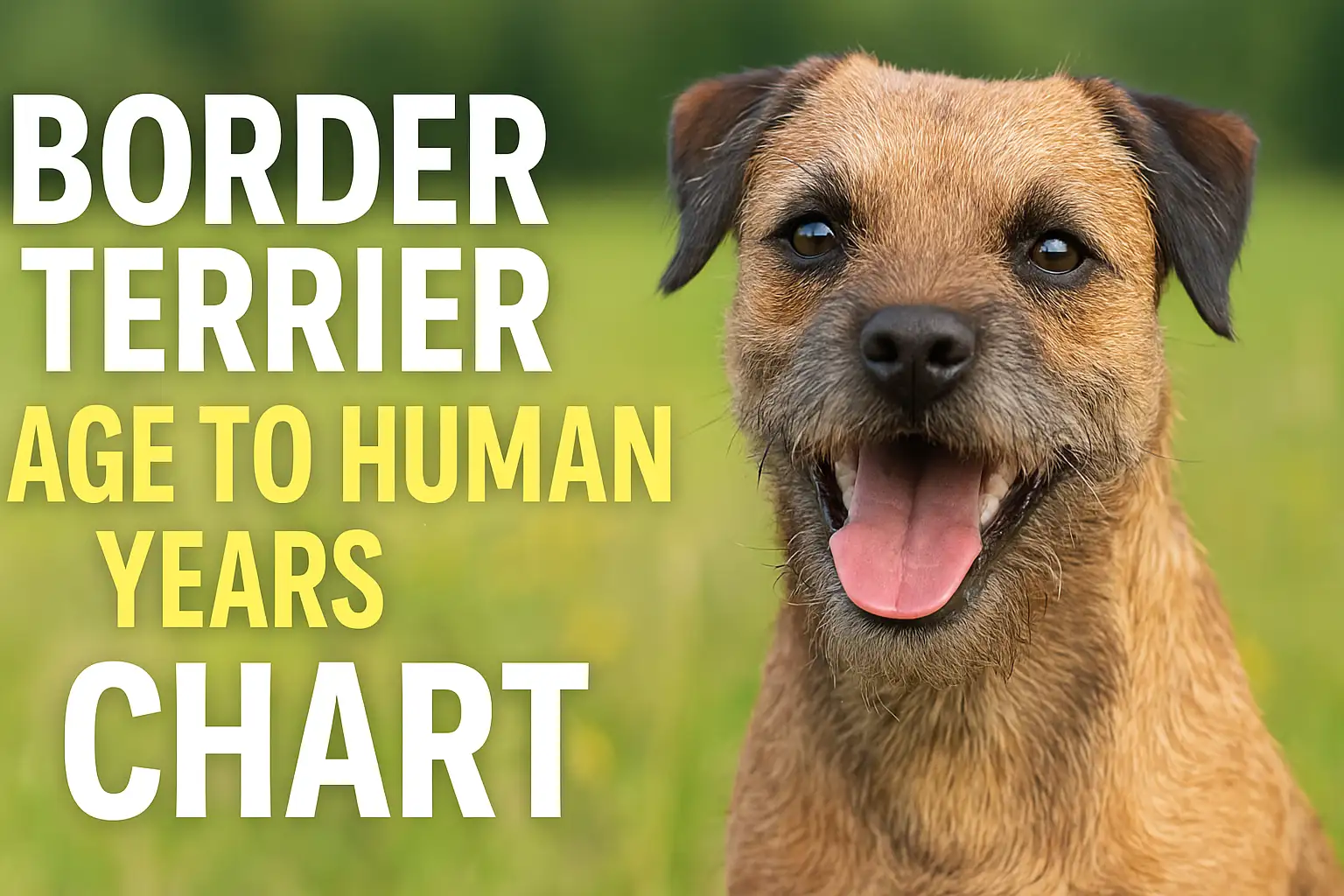
Understanding how a Border Terrier ages compared to a human isn’t always straightforward. Many owners assume the old “1 dog year = 7 human years” rule still applies, but this method is outdated and doesn’t reflect how small breeds like Border Terriers actually grow, mature, and age. Border Terriers experience rapid development in their first year, a slower pace during adulthood, and a more gradual shift as they enter their senior years. This article helps you decode those changes with a clear, science-backed age chart and a practical dog-to-human years calculator.
Before diving into the details of aging, you may want a complete understanding of the breed itself. For a full overview of temperament, care needs, health expectations, and personality traits, explore this Border Terrier Dog Full Guide.
This guide is designed to help every Border Terrier owner—from those raising puppies for the first time to those caring for senior dogs—understand how age impacts behavior, health, and lifespan. With the age chart, development milestones, longevity data, and tips for healthier aging, you’ll have everything you need to support your Border Terrier through every life stage.
Why Border Terriers Age Differently from Humans
Dogs and humans age on completely different timelines, and this is especially true for small breeds like the Border Terrier. While humans grow slowly and steadily over many years, Border Terriers experience intense early development, reaching major physical and behavioral milestones within their first 12 months. This rapid growth means their “human-equivalent age” jumps sharply during the puppy and adolescent stages.
Another key factor is body size. Smaller dogs generally live longer than large or giant breeds because their organs, joints, and metabolic systems endure less strain throughout life. Border Terriers fall into the small-breed category, which gives them a slower rate of aging during adulthood and a longer average lifespan compared to bigger dogs.
Breed-specific traits also influence how Border Terriers age. They are energetic, intelligent, and resilient, which helps maintain good physical condition well into their senior years. However, like all dogs, they eventually experience changes in mobility, cognitive sharpness, and sensory function as they grow older.
Because of these differences, accurate age conversion requires a system based on biology—not a simple multiplication rule. Understanding this foundation helps owners interpret the age chart realistically and better support their Border Terrier’s health at every stage.
The Science Behind Dog Aging and the Human-Year Formula
For many years, dog owners relied on the simple “multiply by seven” rule to estimate their dog’s age in human years. While easy to remember, this method is scientifically inaccurate. Modern veterinary research—especially a groundbreaking 2019 epigenetic study from the University of California San Diego—has reshaped our understanding of how dogs truly age.
The study examined changes in DNA methylation patterns, essentially measuring how a dog’s biological clock progresses over time. What researchers discovered is that dogs age rapidly during their early months, then transition into a slower, more gradual aging curve. This creates a logarithmic aging pattern, not a linear one.
This explains why:
- A one-year-old Border Terrier is comparable to a human teenager.
- A five-year-old Border Terrier may be closer to a 40-year-old human.
- Aging slows significantly after maturity, extending lifespan in small breeds.
Border Terriers, being a small breed, follow this curve more gently than large dogs. Their organs age more slowly, their joints handle less stress, and their metabolism stays efficient longer, contributing to a lifespan often reaching 13–15 years or more.
Because of these biological realities, modern dog-to-human year converters use research-backed formulas instead of simple ratios. This allows for a far more realistic understanding of how your Border Terrier develops, matures, and ages through each stage of life.
Border Terrier Age to Human Years Chart
Converting your Border Terrier’s age into human years helps you understand their physical and emotional needs at every stage of life. Because small breeds age differently than larger dogs, their early years equate to rapid human aging, while their adult and senior years progress more gradually. This chart provides a clear, research-aligned comparison so you can instantly see where your dog falls on the human-equivalent scale.
To make age comparison easier, use the table below as a reference for Border Terriers from puppyhood through senior years:
| Border Terrier Age (Years) | Human Equivalent Age (Years) |
|---|---|
| 1 year | 15 years |
| 2 years | 24 years |
| 3 years | 28 years |
| 4 years | 32 years |
| 5 years | 36 years |
| 6 years | 40 years |
| 7 years | 44 years |
| 8 years | 48 years |
| 9 years | 52 years |
| 10 years | 56 years |
| 11 years | 60 years |
| 12 years | 64 years |
| 13 years | 68 years |
| 14 years | 72 years |
| 15 years | 76 years |
| 16 years | 80 years |
| 17 years | 84 years |
| 18 years | 88 years |
| 19 years | 92 years |
| 20 years | 96 years |
This age chart gives a snapshot of how your Border Terrier’s life stages compare to human aging. If you prefer an automated conversion instead of manual lookup, you can use the Border Terrier Dog Age In Human Years Calculator here.
Border Terrier Puppy Development Stages
Border Terrier puppies grow and mature rapidly during their first year, experiencing physical, behavioral, and emotional changes that are far more condensed than in humans. Understanding these stages helps owners support proper development and anticipate key milestones in training, socialization, and health.
The timeline below outlines the major phases of Border Terrier puppy growth and what you can typically expect during each period:
| Puppy Age Range | Development Stage | What Happens During This Stage |
|---|---|---|
| Birth–8 weeks | Neonatal to Early Socialization | Puppies rely on their mother, begin sensory development, start walking, and show early play behavior. |
| 2–6 months | Rapid Growth & Learning | Fast physical growth, teething, strong curiosity, early training foundations, and crucial socialization experiences. |
| 6–12 months | Adolescence | Increased independence, higher energy, some stubborn phases, continued mental and physical development, and transition toward adult behavior. |
Throughout puppyhood, Border Terriers are exceptionally curious, energetic, and bright. This makes early socialization essential to shaping confident behavior. Consistent routines, gentle exposure to new environments, and positive training practices help lay the foundation for a well-adjusted adult dog.
When a Border Terrier Is Fully Grown
Border Terriers reach their full physical maturity earlier than many medium or large breeds, typically completing most of their growth by 12 months of age. While they may continue to fill out slightly after their first birthday, their height, body frame, and overall structure stabilize around this time. Understanding when they are fully grown helps owners set expectations for feeding, exercise, and long-term health management.
The table below provides a clear overview of Border Terrier growth milestones:
| Age Range | Growth Stage | Average Size & Weight |
|---|---|---|
| 2–6 months | Puppy Growth Phase | Rapid height and weight increases; playful and energetic development period. |
| 6–12 months | Adolescence | Slowing growth; nearing adult height and weight; increased muscle tone. |
| 12+ months | Fully Grown Adult | Typically 11.5–15.5 pounds (5–7 kg) and around 10–11 inches (25–28 cm) tall at the shoulder. |
Border Terriers maintain a compact, sturdy build with a wiry coat and strong, agile movement. Their small size contributes to a longer lifespan and a slower aging rate during adulthood compared to larger breeds. Even after reaching full size, they retain their lively, affectionate nature, which becomes more predictable and focused as they mature.
Adult Border Terrier Life Stages and Behavior
Once a Border Terrier reaches adulthood, their energy, temperament, and daily needs become more consistent and predictable. Adult Border Terriers are known for their lively yet balanced nature—still playful and curious, but with improved focus and emotional stability compared to their puppy and adolescent phases. Their adult years typically span from 1 to about 7 years old, depending on health and genetics.
During this stage, Border Terriers show strong problem-solving abilities, a desire for regular activity, and a loyal, affectionate bond with their families. They thrive on routine, mental enrichment, and moderate exercise, making them well-suited for active households. While their prey drive remains part of their heritage, adult Border Terriers often become more manageable and responsive with consistent training.
This is also the period when owners should monitor weight, dental health, and exercise habits, as maintaining healthy routines can significantly influence how well a Border Terrier ages. These adult years set the foundation for a healthier and smoother transition into their senior stage.
Senior Border Terrier Life Expectancy and Aging Signs
As Border Terriers reach around 8 to 10 years of age, they enter their senior stage—a period where aging becomes more noticeable, and their care needs begin to change. Border Terriers are a long-lived small breed, with an average lifespan of 13–15 years, and many living even longer with proper health management. Because they age more slowly than larger dogs, their senior years can still be active and fulfilling, but subtle physical and behavioral changes often start to appear.
Common aging signs in senior Border Terriers may include reduced energy, slower recovery after exercise, mild stiffness, changes in hearing or vision, and a preference for more rest. Owners may also notice shifts in appetite, dental wear, or reduced tolerance for extreme temperatures. Cognitive changes such as increased nighttime restlessness, confusion, or decreased responsiveness can emerge gradually as well.
Regular veterinary checkups become especially important during this stage to monitor for conditions commonly seen in older Border Terriers, such as heart issues, arthritis, dental disease, and thyroid imbalances. Early detection helps maintain quality of life and allows for personalized care adjustments. Understanding what aging looks like—physically and behaviorally—empowers owners to support their Border Terrier through a healthy and comfortable senior journey.
Common Health Issues That Affect Border Terrier Aging
Border Terriers are generally robust and healthy dogs, but like all breeds, they become more vulnerable to certain conditions as they age. Understanding these health issues helps owners take proactive steps to support longevity and maintain a high quality of life. Many age-related conditions develop gradually, so recognizing early signs can make a significant difference in long-term outcomes.
Some of the most common health concerns that influence how Border Terriers age include joint stiffness or arthritis, which can affect mobility and comfort over time. Dental disease is another widespread issue, often progressing silently but impacting overall health if left untreated. Senior Border Terriers may also experience changes in vision or hearing, making them less responsive or more hesitant in unfamiliar environments.
Internal health concerns such as heart murmurs, thyroid imbalances, and digestive sensitivities can become more prevalent in older dogs. Additionally, cognitive decline—similar to human dementia—may appear as confusion, altered sleep patterns, or decreased focus. Genetics, diet, weight management, and routine veterinary care all play major roles in how these conditions develop and progress.
Being aware of these common issues allows owners to adapt care routines early, from diet changes to supportive supplements, regular checkups, and environmental adjustments. With attentive management, many Border Terriers continue to enjoy active, happy lives well into their senior years.
How to Help Your Border Terrier Live Longer and Age Healthily
Supporting a Border Terrier’s longevity involves a combination of thoughtful daily habits, proactive health care, and an environment that keeps both the mind and body active. While genetics play a role in lifespan, an owner’s approach to routine care can significantly influence how well a Border Terrier ages.
Nutrition is one of the most important factors. Feeding a high-quality, balanced diet that matches your dog’s age, activity level, and weight helps maintain healthy organs, skin, and joints. Small breeds like Border Terriers can be prone to weight gain, so portion control and regular monitoring are essential. Consistent exercise also contributes to longevity—daily walks, play sessions, and mentally stimulating activities such as puzzle toys or scent games keep the body fit and the mind sharp.
Regular veterinary checkups, ideally once or twice a year, allow early detection of conditions that commonly affect aging Border Terriers, such as dental disease, arthritis, or heart issues. Supplements like omega-3s for joint and skin health, glucosamine for mobility support, or cognitive-support formulas may also be beneficial, depending on your dog’s specific needs.
Finally, creating a comfortable living environment helps senior dogs thrive. Soft bedding, accessible resting areas, stable routines, and gentle training refreshers all contribute to emotional well-being. By combining attentive care with informed health practices, owners can help their Border Terrier enjoy a longer, healthier, and happier life.
Border Terrier Mixes and Whether They Age Differently
Border Terrier mixes can age at slightly different rates depending on the size, genetics, and health tendencies of the breed they are mixed with. Because Border Terriers are a small and generally long-lived breed, mixes with other small breeds often inherit similar longevity. However, mixes with larger or more health-prone breeds may experience faster aging or shorter average lifespans.
To help owners understand how different mixes compare, the table below highlights approximate lifespans for some common Border Terrier crossbreeds:
| Border Terrier Mix | Typical Lifespan | Notes on Aging |
|---|---|---|
| Border Terrier × Jack Russell Terrier | 13–16 years | Similar small-breed aging; energetic and long-lived. |
| Border Terrier × Chihuahua | 14–16 years | Very small size often leads to slower senior aging. |
| Border Terrier × Poodle | 13–15 years | Often inherits good longevity and reduced shedding. |
| Border Terrier × Dachshund | 12–15 years | Watch for back issues that can affect senior mobility. |
| Border Terrier × Schnauzer | 12–15 years | Generally healthy; may show strong activity levels into adulthood. |
| Border Terrier × Lakeland Terrier | 12–15 years | Similar terrier traits and healthy lifespan range. |
These lifespan estimates are general guidelines, as each dog’s aging rate depends on factors such as genetics, diet, weight management, and physical activity. For example, mixes with breeds prone to joint problems or obesity may show earlier mobility changes, while mixes with toy breeds may experience more gradual senior transitions.
Regardless of the specific mix, the same principles of nutrition, veterinary care, and enrichment apply. Understanding the traits of both parent breeds gives owners a better sense of how their mixed-breed Border Terrier may develop, mature, and age over time.
Border Terrier Age Conversion Examples
Seeing real-world examples can make dog-to-human age conversion easier to understand, especially for owners trying to determine whether their Border Terrier is still youthful, in their prime, or entering the senior stage. Here are a few practical comparisons using the age chart and scientific aging model:
A 2-year-old Border Terrier is roughly equivalent to a 24-year-old human. This is a young adult stage where energy levels are high, learning ability is strong, and physical fitness is excellent. Owners will notice confident behavior, curiosity, and a stable routine forming.
A 5-year-old Border Terrier aligns with about a 36-year-old human. This is the prime of adulthood—mature, steady, and fully developed. While still active and playful, Border Terriers at this age may start showing early signs of reduced recovery after intense exercise.
An 8-year-old Border Terrier compares to a 48-year-old human. Around this point, early senior characteristics may appear, such as mild stiffness or more frequent rest. Regular vet checkups become more important, and diet or exercise routines may need slight adjustments.
A 12-year-old Border Terrier is similar in age to a 64-year-old human. This senior stage often comes with more noticeable changes in mobility, hearing, vision, and endurance. Gentle exercise, weight control, and supportive care help maintain a comfortable quality of life.
A 15-year-old Border Terrier resembles a 76-year-old human. At this age, your dog may become more sensitive, slower-paced, and more reliant on routine. Many Border Terriers continue to enjoy life at this stage but require close monitoring for health changes.
These examples give owners a clearer picture of how their dog’s chronological age translates into human terms, helping inform care decisions and expectations at each stage of life.
Frequently Asked Questions About Border Terrier Age and Lifespan
How long do Border Terriers usually live?
Border Terriers typically live between 13 and 15 years, and many live even longer with good nutrition, regular vet care, and a healthy weight. Their small size contributes to a slower aging process compared to larger breeds.
When is a Border Terrier considered a senior dog?
Most Border Terriers enter their senior stage around 8 to 10 years old, though some remain active and youthful beyond this age. Genetics, lifestyle, and health history all influence when senior signs begin.
Why do small breeds like Border Terriers live longer than large dogs?
Smaller breeds age more slowly because their organs and joints endure less physical strain over time. Border Terriers benefit from efficient metabolism, lighter body weight, and overall hardy genetics.
Do Border Terrier mixes age differently?
It depends on the other parent breed. Mixes with small breeds (like Chihuahua or Poodle) usually have similar longevity, while mixes with larger or more health-prone breeds may age faster. The aging pattern of mixes is influenced by genetics, size, and inherited health tendencies.
Is gray hair or whitening around the face normal as my Border Terrier ages?
Yes, whitening around the muzzle and eyebrows is a common sign of aging and typically appears around the senior years. However, sudden coat changes should still be discussed with a veterinarian to rule out health issues.
Are increased sleep and reduced activity normal in older Border Terriers?
Senior Border Terriers often sleep more, move more slowly, or tire faster. These can be normal age-related changes, but a noticeable drop in energy should be evaluated by a vet.
What health signs should I watch for as my Border Terrier gets older?
Common concerns include stiffness, dental issues, weight changes, cloudy eyes, increased thirst, or confusion. Early detection and treatment can greatly improve comfort and lifespan.
How often should senior Border Terriers visit the vet?
Senior dogs benefit from checkups every 6 months to catch age-related conditions early, such as heart issues, arthritis, or thyroid imbalances.
Can diet or supplements help my Border Terrier live longer?
A balanced diet, healthy weight, omega-3 supplements, and joint-support formulas can support longevity. Always consult your vet before adding supplements to your dog’s routine.
Is a 10-year-old Border Terrier considered old?
A 10-year-old Border Terrier is typically in the early senior stage, equivalent to a human in their early 50s. Many dogs at this age remain active and healthy with proper care.
Final Thoughts on Border Terrier Aging
Understanding how a Border Terrier ages—both in dog years and human years—helps owners provide the right care at the right time. From the rapid development of puppyhood to the steady, confident years of adulthood and the gentle shifts of senior life, each stage brings unique needs and changes. Using an age chart or calculator gives you a clearer picture of where your dog is on their life journey, allowing you to better anticipate health needs, behavioral adjustments, and lifestyle support.
Border Terriers are known for their long lifespan, resilient nature, and spirited personality, which often stays with them well into older age. By focusing on healthy routines, regular vet visits, balanced nutrition, and plenty of mental engagement, owners can help extend both the quality and length of their dog’s life.
Every Border Terrier ages differently, but with patience, attention, and informed care, you can ensure their later years remain comfortable, fulfilling, and joyful. Your understanding of their age and life stage is one of the most valuable tools you have in supporting them throughout their lifetime.
One thought on “Border Terrier Age Chart: Dog-to-Human Years Calculator & Lifespan Guide”