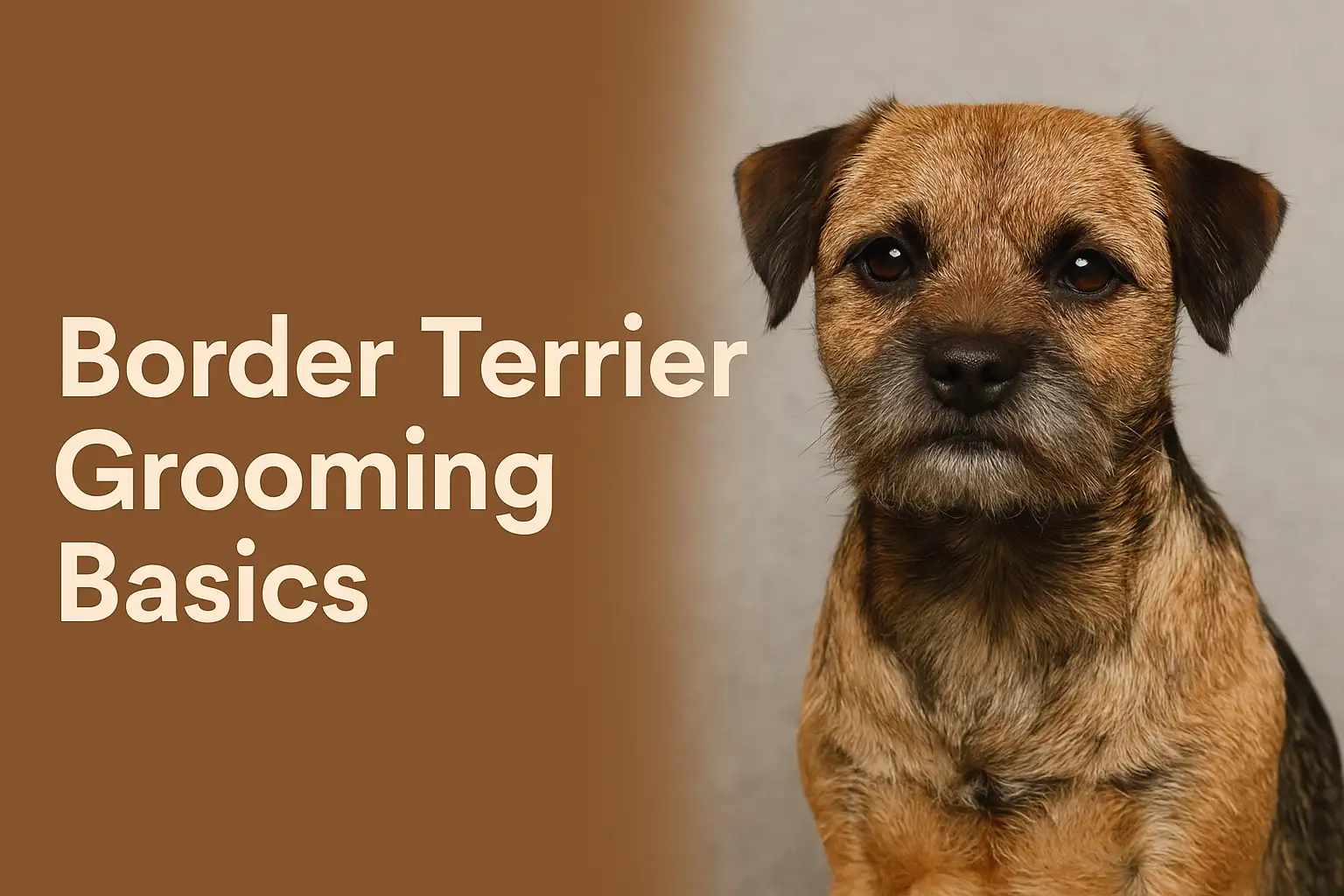
Border Terriers are known for their lively personalities, tough working heritage, and charming scruffy appearance—but behind that rugged look is a coat that needs the right type of care. Grooming a Border Terrier isn’t complicated, but it does require understanding the breed’s unique double coat, hand-stripping needs, and the difference between routine brushing and full seasonal maintenance.
This guide will walk you through everything you need to keep your Border Terrier’s coat healthy, clean, and comfortable—whether you’re caring for an energetic adult or welcoming your first Border Terrier puppy into the family.
If you’re new to the breed or want a complete overview of Border Terrier behavior, training, diet, and health, you can also explore the Border Terrier Dog Full Guide here.
With the right tools, the right technique, and a simple weekly routine, grooming becomes easy—and even enjoyable—for both you and your dog. Ready to begin?
Why Grooming Matters for Border Terriers
Grooming is more than just keeping your Border Terrier looking tidy—it plays a major role in their overall health and comfort. Because this breed has a dense double coat with a wiry outer layer and a softer undercoat, regular care helps maintain the natural texture that protects them from weather, dirt, and skin irritation. When the coat is left unmanaged, dead hair gets trapped, the skin can’t breathe properly, and mats can form, especially around areas like the armpits, neck, and hind legs.
Routine grooming also helps reduce shedding and odor. While Border Terriers don’t shed heavily compared to other breeds, they do experience light, consistent moulting, and seasonal coat changes that need attention. Brushing, hand-stripping, and proper bathing all work together to keep the coat clean, strong, and functioning as it should.
Another important reason to groom regularly is behavioral. Border Terriers are active, expressive, and sensitive dogs—many thrive when grooming becomes part of a calm, positive routine. Gentle handling helps build trust, reduces stress during vet visits, and makes nail trims, ear checks, and future grooming sessions easier.
Ultimately, grooming keeps your Border Terrier healthier, more comfortable, and better protected throughout every stage of life. Regular coat care also helps you catch early signs of problems—like dry skin, allergies, bumps, or parasites—before they develop into more serious issues.
Understanding the Border Terrier Coat
The Border Terrier coat is one of the breed’s most distinctive features, and understanding how it works is essential for proper grooming. This breed has a double coat, made up of two very different layers that each serve an important purpose. The outer coat is wiry, weather-resistant, and slightly coarse to the touch—this is what gives Border Terriers their rugged, natural look. Beneath it lies a soft, dense undercoat that insulates the body and helps regulate temperature in both warm and cold conditions.
Because of this structure, Border Terriers don’t shed in the same way as many other breeds. Instead of constantly dropping loose hair, the dead outer coat needs to be removed manually through brushing and hand-stripping. If it’s left in place, the coat becomes dull, itchy, and packed with dead hairs that trap heat and moisture. This buildup can lead to skin irritation, a stronger doggy smell, and discomfort—especially during seasonal coat changes.
You may come across searches or discussions about a “long-haired Border Terrier,” but this is a misconception. All purebred Border Terriers have a short, wiry outer coat when properly maintained. If the coat appears long, fluffy, or soft, it’s usually because the dog hasn’t been hand-stripped for several months or has been clipped repeatedly, which changes the coat’s natural texture.
Coat color—such as wheaten, grizzle, blue and tan, or red—does not change grooming requirements. However, age does influence coat health. Puppies have a softer, less wiry coat that gradually transitions, while older dogs may develop slower regrowth or drier skin. If you want to check how your Border Terrier’s age aligns with typical grooming needs, you can reference the Border Terrier Dog Age In Human Years Calculator here.
By understanding the mechanics of the Border Terrier coat, you’ll be better prepared to choose the right tools, grooming routine, and techniques to keep your dog looking and feeling their best.
Essential Grooming Tools for Border Terriers
Having the right tools makes Border Terrier grooming easier, faster, and far more effective. Because this breed has a wiry outer coat and a dense undercoat, not every brush or grooming product works well for them. The tools below help maintain coat texture, remove dead hair, prevent mats, and keep your Terrier comfortable throughout the grooming process.
A slicker brush is an excellent everyday tool for lifting loose undercoat and small tangles without damaging the harsh topcoat. A metal comb is essential for checking problem areas like behind the ears, under the legs, and around the collar area where mats commonly develop. To maintain the Border Terrier’s proper wiry texture, hand-stripping tools—such as stripping knives, grooming stones, or rubber finger cots—are used to gently pull out dead outer hairs and support natural regrowth.
Clippers can be helpful for dogs who cannot tolerate hand-stripping, or for elderly Terriers with sensitive skin. However, regular clipping softens the coat and encourages fluffy regrowth, which hides the breed’s natural texture. For owners who prefer a traditional look, hand-stripping remains the best technique.
Alongside coat care tools, you’ll also need nail clippers or a grinder, dog-safe ear cleaner, pH-balanced shampoo, and absorbent towels. Since Border Terriers can have sensitive skin, choosing gentle, fragrance-free grooming products is important for avoiding irritation.
Below is a quick-reference table summarizing the essential tools and how they help.
Tool Type vs Purpose vs Coat Benefit
| Tool | Purpose | Coat Benefit |
|---|---|---|
| Slicker brush | Removes loose undercoat and small tangles | Keeps coat clean without damaging outer texture |
| Metal comb | Checks for mats in problem areas | Prevents matting and keeps coat tidy |
| Stripping knife | Removes dead wiry hairs from the topcoat | Preserves correct Border Terrier coat texture |
| Grooming stone | Gentle alternative for hand-stripping | Helps maintain harsh coat feel and reduces bulk |
| Rubber finger cots | Improves grip for hand-plucking | Allows precise, controlled stripping sessions |
| Clippers | Shortens coat when stripping isn’t possible | Useful for seniors or severely matted coats |
| Nail clippers/grinder | Maintains healthy nail length | Prevents discomfort and posture issues |
| Dog ear cleaner | Removes debris and moisture | Reduces risk of infections in active Terriers |
| Dog-safe shampoo | Cleans coat without stripping natural oils | Protects skin barrier and prevents dryness |
With these tools on hand, grooming becomes more efficient, more comfortable for your dog, and better aligned with the Border Terrier’s coat structure and needs.
Grooming Frequency Guide for Border Terriers
Border Terriers are relatively low-maintenance compared to many other double-coated breeds, but they still benefit from a consistent grooming routine. The goal is to keep the wiry outer coat healthy, prevent matting, remove dead hair, and maintain skin comfort throughout the year. Unlike breeds that shed heavily, Border Terriers require routine brushing and seasonal hand-stripping to keep the coat functioning properly.
A weekly brushing session keeps the undercoat loose and reduces odors, while a quick check of nails, ears, and teeth helps catch small issues early. Hand-stripping, which removes dead topcoat, is usually done every few months and is essential for preserving the proper Border Terrier texture. Bathing should be limited to when the dog is dirty or has a noticeable odor, because frequent washing can soften the coat and strip essential oils.
Below is a simple grooming frequency table to help you plan a routine that keeps your Border Terrier’s coat and skin in top condition year-round.
Grooming Task vs Frequency vs Notes
| Grooming Task | Recommended Frequency | Notes |
|---|---|---|
| Brushing | 1–2 times per week | Prevents matting, removes loose undercoat, reduces smell |
| Hand-stripping | Every 8–16 weeks | Maintains wiry texture; timing varies by coat growth |
| Bathing | Every 2–3 months or as needed | Too much bathing softens the coat; use dog-safe shampoo |
| Nail trimming | Every 3–4 weeks | Active dogs may need less, but indoor dogs may need more |
| Ear cleaning | Every 2–4 weeks | More often if prone to wax buildup or allergies |
| Dental care | Daily brushing or dental chews | Helps prevent tartar, common in small terriers |
| Coat check for mats | Weekly | Focus on armpits, neck, legs, and belly |
| Full grooming session | Every 1–3 months | Includes stripping, brushing, trimming, and a full check-over |
A predictable schedule not only keeps your Border Terrier looking tidy—it also keeps them healthier and more comfortable, while making each grooming session smoother and stress-free.
Bathing Border Terriers the Right Way
Bathing a Border Terrier is all about balance. While it’s important to keep the coat clean, over-bathing can soften the wiry texture and strip away the natural oils that protect the skin. Border Terriers don’t have a strong natural odor when groomed regularly, so most owners only bathe their dog every two to three months—or whenever the dog gets muddy, rolls in something unpleasant, or needs a freshen-up after outdoor adventures.
Before you start a bath, always brush your Border Terrier thoroughly. Removing loose undercoat and small tangles helps the shampoo reach the skin evenly and prevents mats from tightening when wet. Use lukewarm water, as water that’s too hot can irritate Terrier skin, and always choose a dog-specific shampoo that is gentle, pH-balanced, and free from strong fragrances or harsh detergents.
During the bath, massage the shampoo gently through the coat rather than scrubbing harshly. Pay attention to areas that collect dirt easily—the belly, legs, paws, and around the neck. Rinse thoroughly until the water runs clear, because leftover shampoo residue can cause itching or dryness. Conditioner is usually unnecessary for Border Terriers, since it can soften the coat more than desired.
Drying is just as important as the bath itself. Start by towel-drying to remove most of the water, then allow your Border Terrier to air-dry or use a low-heat dryer if needed. Avoid high heat, which can irritate the skin and damage coat texture. Once dry, a quick brush-through helps fluff the undercoat and restore the coat’s natural shape.
With the right technique and products, bathing becomes simple and helps support a healthy, functional coat that still feels true to the Border Terrier’s rugged character.
Brushing, Deshedding, and Hand-Stripping
Brushing and deshedding are essential parts of Border Terrier care, but hand-stripping is what truly preserves the breed’s characteristic wiry coat. A good routine combines all three techniques, each serving a specific purpose in maintaining coat health, texture, and comfort.
Brushing should be done once or twice a week using a slicker brush and a metal comb. The slicker lifts loose undercoat and prevents small tangles from forming, while the comb helps you check problem spots like the armpits, inner thighs, neck, and behind the ears. Regular brushing also reduces doggy odor by clearing away dead hair and trapped debris.
Deshedding for a Border Terrier is gentler than what double-coated heavy shedders need. Light deshedding happens naturally through brushing, but during seasonal coat changes, you may notice more loose hair emerging. A grooming stone or stripping knife can help thin out bulk and remove dead topcoat without harming the coat’s structure.
Hand-stripping is the most important grooming technique for maintaining the Border Terrier’s natural look. This method involves gently removing the dead wiry hairs from the outer coat so new, harsh-textured hair can grow in. Stripping every 8 to 16 weeks keeps the coat healthy, reduces odor, and prevents the fluffiness that comes from repeated clipping. Most dogs tolerate stripping well when introduced gradually, especially if sessions are kept short and positive.
When deciding between clipping and stripping, a quick comparison helps clarify the differences. Below is a table to guide owners in choosing the right method based on coat goals and the dog’s needs.
Hand-Stripping vs Clipping Comparison
| Method | Pros | Cons | Best For |
|---|---|---|---|
| Hand-stripping | Maintains wiry texture, reduces odor, promotes healthy regrowth | Requires time and technique, mild discomfort for sensitive dogs | Most Border Terriers; owners wanting the classic breed look |
| Clipping | Quick, easy, less physically demanding | Softens coat, increases fluffiness, faster regrowth, may trap odors | Elderly dogs, skin-sensitive dogs, or heavily matted coats |
| Stripping knife | Efficient removal of dead topcoat | Can damage coat if used incorrectly | Owners familiar with proper stripping technique |
| Grooming stone | Gentle option for tidying coat and bulk removal | Less precise than hand-plucking | Light maintenance between full stripping sessions |
With the right balance of brushing and stripping—and a gentle approach—your Border Terrier’s coat will stay healthy, textured, and true to its working-dog heritage.
Grooming Border Terrier Puppies
Border Terrier puppies need gentle, positive grooming from the very beginning to ensure they grow into confident, cooperative adults. While a puppy’s coat is much softer and not yet fully wiry, introducing the routine early helps them become comfortable with being touched, brushed, and handled in different ways. The goal during puppyhood is not perfect coat maintenance—it’s building trust and creating enjoyable experiences around grooming.
Start by brushing your puppy once or twice a week with a soft slicker brush. These sessions should be short, calm, and rewarding. Rather than focusing on removing hair, concentrate on helping your puppy get used to the feel of grooming tools on their body. Touch key areas gently—including paws, ears, tail, and underarms—so they won’t become sensitive or defensive later in life.
Hand-stripping does not usually start until the puppy coat begins transitioning into the adult coat, typically between 5 and 7 months of age. Early stripping should be done gradually and with lots of praise. A grooming stone or your fingers (with rubber finger cots) can help remove tiny amounts of dead hair without overwhelming the puppy. As the adult coat grows in, you can increase the frequency of stripping sessions to shape the coat and maintain proper texture.
Puppies should also be introduced to baths, nail trims, and ear cleaning slowly. A full bath isn’t needed very often for young pups—only when they get dirty. Nail trimming, however, should begin within the first few weeks at home, even if you only clip the tiniest tips. This teaches them that nail care is safe and normal.
Below is a simple comparison to help you understand how grooming needs differ between puppies and adults.
Puppy vs Adult Grooming Needs
| Stage | Grooming Needs | Special Notes |
|---|---|---|
| Puppy | Light brushing, gentle handling, introduction to tools, early nail trims | Focus on confidence-building, not coat perfection |
| Transition (5–7 months) | Begin mild hand-stripping, regular brushing | Puppy coat begins to change; keep sessions short |
| Adult | Full stripping sessions, weekly brushing, routine nail, ear, and dental care | Coat maintenance becomes consistent and predictable |
By building positive grooming habits early, your Border Terrier will develop into an adult who is relaxed during grooming sessions and easier to maintain throughout their life.
Nail Care for Border Terriers
Nail care is a fundamental part of grooming that often gets overlooked, yet it plays a major role in your Border Terrier’s comfort and mobility. Active Terriers may naturally wear down their nails through outdoor play, but most dogs still need regular trimming every three to four weeks. Nails that grow too long can affect posture, cause discomfort while walking, and increase the risk of splitting or snagging during activity.
When trimming your Border Terrier’s nails, choose a method that feels safe and easy for both you and your dog. Traditional nail clippers work well for quick trims, while a nail grinder provides smoother, more controlled shortening—especially useful for dogs who dislike the pressure of clippers. Take care to avoid trimming too far, as cutting into the quick can cause pain and bleeding. If your Terrier has lighter nails, the quick is more visible; with darker nails, take smaller trims more frequently.
Border Terriers are naturally energetic and sometimes squirrely during nail trims, so creating a calm environment helps. Short, frequent trimming sessions paired with treats and gentle restraint are far more effective than long, stressful attempts. It also helps to handle your dog’s paws regularly outside of grooming sessions, so they learn that paw contact is normal and safe.
If you hear nails tapping on the floor, see the toes splaying outward, or notice your dog hesitating on hard surfaces, it’s a clear sign the nails need attention. Keeping nails properly trimmed not only improves comfort but also supports better alignment and overall joint health, especially as Border Terriers age.
Ear Cleaning and Dental Hygiene
Proper ear and dental care are essential parts of a healthy grooming routine for Border Terriers. Because this breed is active and often outdoors, debris, dust, and moisture can easily accumulate in the ears. While Border Terriers don’t have heavy, floppy ears that trap air, they can still develop wax buildup or irritation, especially during allergy seasons or after swimming.
To keep the ears clean, check them every two to four weeks. Use a dog-safe ear cleaner and cotton pads to gently wipe away visible dirt from the outer ear. Avoid inserting anything deep into the ear canal, as this can cause discomfort or injury. If you notice redness, a strong odor, excessive scratching, or discharge, it may indicate an infection or allergy, and a veterinarian should be consulted.
Dental hygiene is equally important. Like many small and medium-sized terrier breeds, Border Terriers are prone to tartar buildup, which can lead to gum disease, bad breath, and discomfort over time. Daily toothbrushing is ideal, but even brushing several times a week makes a significant difference. Use toothpaste formulated specifically for dogs, along with a soft-bristled toothbrush or finger brush.
For owners who struggle with regular brushing, dental chews, water additives, and dental toys can help support oral health, though they shouldn’t replace brushing entirely. Professional dental cleanings may be recommended periodically, especially as your Border Terrier ages or if tartar buildup becomes excessive.
Routine ear and dental care not only contribute to better grooming results but also support overall well-being, helping your Border Terrier stay healthy, comfortable, and active throughout their life.
Skin and Coat Health Issues in Border Terriers
Border Terriers are generally a healthy breed, but their skin and coat can still develop issues if grooming routines aren’t maintained or if underlying conditions go unnoticed. Because the wiry coat is designed to protect the skin, any buildup of dead hair, dirt, or moisture can begin to interfere with its natural function. Understanding common coat and skin problems helps you catch concerns early and maintain your dog’s comfort.
Dry skin is one of the most frequently seen issues, often caused by overwashing, using harsh shampoos, or living in a low-humidity environment. A dull coat, dandruff, or frequent scratching may signal that the coat’s natural oils are depleted. Another common problem is itching or irritation triggered by environmental allergies, food sensitivities, or flea bites. Border Terriers, being active and outdoorsy, can also pick up minor scrapes or bug bites that need monitoring.
Coat thinning or patchy areas may indicate a hormonal imbalance, poor nutrition, or improper grooming techniques such as excessive clipping that softens and alters the coat. In some cases, a persistent doggy smell points to trapped moisture or yeast buildup under the coat, especially if dead outer hairs haven’t been stripped regularly. Early detection and proper grooming play a significant role in preventing these issues from escalating.
Below is a helpful table outlining common skin and coat problems, their potential causes, and what steps you can take.
Common Issues, Causes, and What to Do
| Issue | Possible Cause | What to Do |
|---|---|---|
| Dry, flaky skin | Over-bathing, harsh shampoo, low humidity | Reduce baths, use gentler shampoo, consult vet if persistent |
| Excessive itching | Allergies, fleas, irritation, yeast | Check for parasites, adjust diet, seek veterinary advice |
| Strong odor | Trapped moisture, unstripped dead coat, yeast | Hand-strip regularly, improve drying technique, use vet-approved shampoo |
| Coat thinning | Hormonal imbalance, poor diet, excessive clipping | Review diet, consult vet, adjust grooming method |
| Mats forming | Infrequent brushing, wet coat left tangled | Brush weekly, check problem areas, remove mats gently |
| Redness or bumps | Insect bites, irritation, allergies | Monitor closely, apply vet-approved treatments, avoid scratching |
By paying attention to these signs and maintaining a consistent grooming routine, you can support a healthy, functional coat. If any symptoms persist or worsen, a visit to your veterinarian ensures your Border Terrier receives the appropriate care.
Grooming Border Terriers From Rescue or Rehoming
Rescue and rehomed Border Terriers often come with grooming needs that differ from those of well-maintained pets. Some may have coats that haven’t been stripped for months, resulting in a thick, dull layer of dead hair that traps heat, odor, and moisture. Others may arrive with mats, sensitive skin, or fearfulness around grooming tools due to past experiences. Understanding how to approach grooming gently and gradually is key to helping a rescue Border Terrier feel safe and comfortable.
Start by assessing the condition of the coat. If it’s heavily overgrown, matted, or greasy, it may take several sessions to restore its texture. Avoid diving straight into intense hand-stripping on day one. Instead, begin with a calm brushing session to loosen debris and check the skin for irritation or sores. For mats, work slowly with your fingers or a comb—pulling too hard can cause pain and make the dog more anxious.
Bathing should also be approached carefully. Many rescue dogs are unfamiliar with baths or may associate water with stress. Use lukewarm water and a gentle, fragrance-free shampoo. Keep the session short and comforting. If the coat is extremely overgrown, hand-stripping may need to wait until the dog trusts the process. In some cases, especially with severely matted coats or elderly dogs, a one-time clip-down may be more humane before starting long-term coat recovery.
Trust-building is crucial. Go slowly, use treats generously, and keep sessions short. Touch conditioning—gently handling paws, ears, tail, and belly—helps the dog learn that grooming is safe. Over a few weeks, you can gradually introduce stripping tools or professional grooming support.
With patience, consistency, and a gentle approach, rescue Border Terriers transform beautifully. Once they settle into a regular grooming routine, their coat regains its natural texture, their skin becomes healthier, and most importantly, they begin to enjoy the comfort and predictability of their new life.
Common Grooming Mistakes Border Terrier Owners Make
Even with the best intentions, Border Terrier owners often make a few grooming mistakes that can affect the health and appearance of the coat. One of the most common errors is over-bathing. Because the wiry outer coat relies on natural oils for protection, too many baths can soften the coat, lead to dryness, and cause an increase in itchiness or dandruff. Bathing should be done sparingly and always with the right shampoo.
Another mistake is relying solely on clippers instead of hand-stripping. While clipping is sometimes necessary—especially for elderly dogs or those with sensitive skin—it changes the coat texture, making it softer, fluffier, and more prone to holding odor. Regular clipping also makes the coat grow back faster, increasing maintenance rather than reducing it. Hand-stripping, even when done in short sessions, is the best way to maintain the classic Border Terrier look.
Improper brushing is also a frequent issue. Some owners use the wrong type of brush or only brush the top layer of hair without checking common matting zones like behind the ears, under the armpits, or along the belly. Skipping these areas allows mats to develop gradually, which can become painful if left unnoticed.
Lastly, many owners forget the importance of routine maintenance like nail trimming, ear cleaning, and dental care. These tasks may seem small, but neglecting them can lead to discomfort, infections, or mobility issues over time.
By understanding and avoiding these common mistakes, you can keep your Border Terrier’s coat healthy, functional, and true to the breed standard while ensuring your dog remains comfortable and confident during grooming sessions.
Are Border Terriers Hypoallergenic?
Many prospective dog owners search for hypoallergenic breeds, hoping to find a dog that won’t trigger allergies. Border Terriers often appear in these conversations, but the truth is important to understand: Border Terriers are not a hypoallergenic breed. No dog is truly hypoallergenic, but some breeds produce fewer allergens. Border Terriers fall somewhere in the middle.
Because Border Terriers don’t shed heavily, some people assume they are allergy-friendly. While it’s true that they drop less loose hair than many double-coated breeds, allergens primarily come from dander (dead skin flakes), saliva, and environmental debris carried in the coat—not just shedding. Their wiry coat can trap pollen, dust, and outdoor particles, which may trigger allergies in sensitive individuals.
Regular grooming can help reduce allergens significantly. Weekly brushing, seasonal hand-stripping, and occasional baths (when needed) help remove trapped debris and reduce dander buildup. Cleaning bedding and vacuuming regularly also makes a noticeable difference, especially in homes with carpeting or fabric furniture.
If someone in your household has allergies, it’s wise to spend time around Border Terriers before committing to ownership. Individual reactions vary, and some people tolerate this breed better than others. Maintaining a consistent grooming routine not only supports coat health but can also make living with a Border Terrier more manageable for allergy-prone families.
Understanding their true allergen profile helps ensure expectations are realistic and encourages responsible, informed pet ownership.
When to See a Professional Groomer
While many Border Terrier owners handle most grooming tasks at home, there are times when seeking help from a professional groomer is the best choice for your dog’s comfort and coat health. Professional groomers have the experience and tools to manage the wiry double coat correctly, especially when it comes to hand-stripping—a technique that can be time-consuming and challenging for beginners.
If your Border Terrier’s coat has gone several months without maintenance and has become thick, dull, or overgrown, a groomer can safely remove the dead outer coat and reset the coat cycle. They can also help when the coat is matted, particularly in sensitive areas like the armpits, belly, or behind the ears. Attempting to remove large mats at home can cause discomfort or even skin injury, so professional assistance is safer.
A groomer is also a good choice if your dog becomes anxious, fidgety, or defensive during grooming sessions. Groomers trained in gentle handling techniques can make the experience calmer and less stressful. Senior dogs with sensitive skin or physical limitations often benefit from professional grooming as well, since groomers can adjust their methods to accommodate mobility or health concerns.
If you’re unsure about whether to clip or strip the coat, a groomer experienced with Border Terriers can provide guidance tailored to your dog’s lifestyle, coat condition, and comfort level. Regular professional grooming—whether every few months or only as needed—helps maintain the breed’s signature texture and ensures your dog stays comfortable, clean, and healthy.
Whenever a grooming task feels overwhelming or unsafe, it’s perfectly acceptable to leave it to a trained professional. The goal is always your dog’s well-being and maintaining a coat that functions the way it was meant to.
FAQs About Border Terrier Grooming
How often should a Border Terrier be groomed?
Brushing once or twice a week and hand-stripping every 8 to 16 weeks is ideal. You should also check nails, ears, and teeth weekly to maintain overall hygiene.
Do Border Terriers shed a lot?
They shed lightly compared to many breeds, but they do experience consistent low-level moulting. Removing dead hairs through brushing and hand-stripping helps keep shedding and odor under control.
Are Border Terrier puppies groomed differently than adults?
Yes. Puppies need gentle brushing and positive handling to build confidence. Hand-stripping usually begins once the adult coat starts forming, around 5 to 7 months old.
Does coat color affect grooming needs?
No. Whether your Border Terrier is grizzle, wheaten, red, blue and tan, or black and tan, grooming frequency and techniques remain the same.
Should I clip or hand-strip my Border Terrier?
Hand-stripping maintains the proper wiry texture, reduces odor, and supports healthy hair growth. Clipping is easier but softens the coat. Senior or sensitive dogs may need clipping instead.
How do I groom a Border Terrier mix, such as a Poodle mix or Chihuahua mix?
Mixes vary depending on coat type. A Border Terrier–Poodle mix may need more brushing to prevent curls from matting, while a Chihuahua mix may require lighter maintenance. Always assess the coat’s texture and thickness to determine the best routine.
How much does Border Terrier grooming cost?
Professional hand-stripping sessions typically cost more than clipping because they require time and skill. Prices vary by location but usually range between moderate and premium grooming rates.
Does grooming change as my Border Terrier ages?
Yes. Older dogs may develop thinner coats, drier skin, or more sensitivity. You may need to shorten grooming sessions, adjust tools, or switch to clipping if hand-stripping becomes uncomfortable.
Where can I learn more about caring for a Border Terrier?
For a full overview of Border Terrier nutrition, training, behavior, and health, visit the Border Terrier Dog Full Guide.
How do I check my Border Terrier’s age in human years?
Use the Border Terrier Dog Age In Human Years Calculator for quick, breed-relevant age insights.
Quick Grooming Routine Summary
A simple, consistent grooming routine helps keep your Border Terrier’s coat healthy and manageable without taking up too much time. Below is an easy weekly and monthly breakdown to follow:
Weekly Routine
– Brush your Border Terrier once or twice a week using a slicker brush and a metal comb.
– Check high-risk matting areas such as the armpits, belly, behind the ears, and under the collar.
– Inspect nails, ears, and teeth for early signs of buildup or discomfort.
– Do a quick coat check for dryness, irritation, or debris—especially after outdoor adventures.
Monthly Routine
– Trim nails every 3–4 weeks to maintain healthy foot posture.
– Clean the ears using a dog-safe ear cleaner to prevent wax buildup and irritation.
– Brush teeth several times a week or use dental chews to help reduce tartar.
– Evaluate whether the coat needs a light stripping touch-up to remove dead hairs.
Seasonal or Every 8–16 Weeks
– Perform a full hand-stripping session to remove the old topcoat and encourage healthy regrowth.
– Bathe only when necessary—such as after rolling in dirt or during heavy shedding periods.
– Review your grooming tools and replace worn brushes, combs, or stripping stones.
This quick routine keeps your Border Terrier comfortable, reduces odors, supports skin health, and maintains the breed’s signature wiry texture. Consistency is far more important than intensity, and with a predictable schedule, grooming becomes easy for both you and your dog.
Final Thoughts
Grooming a Border Terrier is about more than keeping them tidy—it’s an essential part of their health, comfort, and overall well-being. With their unique double coat, wiry texture, and active lifestyle, Border Terriers benefit from a balanced routine that includes brushing, occasional bathing, and regular hand-stripping to support healthy coat growth. The more consistent you are, the easier grooming becomes, and the more your Terrier will enjoy the process.
Whether you’re caring for a playful puppy, an energetic adult, or a gentle senior, tailoring the grooming routine to their age and coat condition ensures they stay comfortable and confident.
With the right tools, gentle techniques, and a positive routine, grooming becomes a rewarding experience that strengthens your bond and keeps your Border Terrier looking and feeling their best every day.
For additional grooming guidance and breed-specific coat care recommendations, you can also visit the American Kennel Club’s Border Terrier page: https://www.akc.org/dog-breeds/border-terrier/