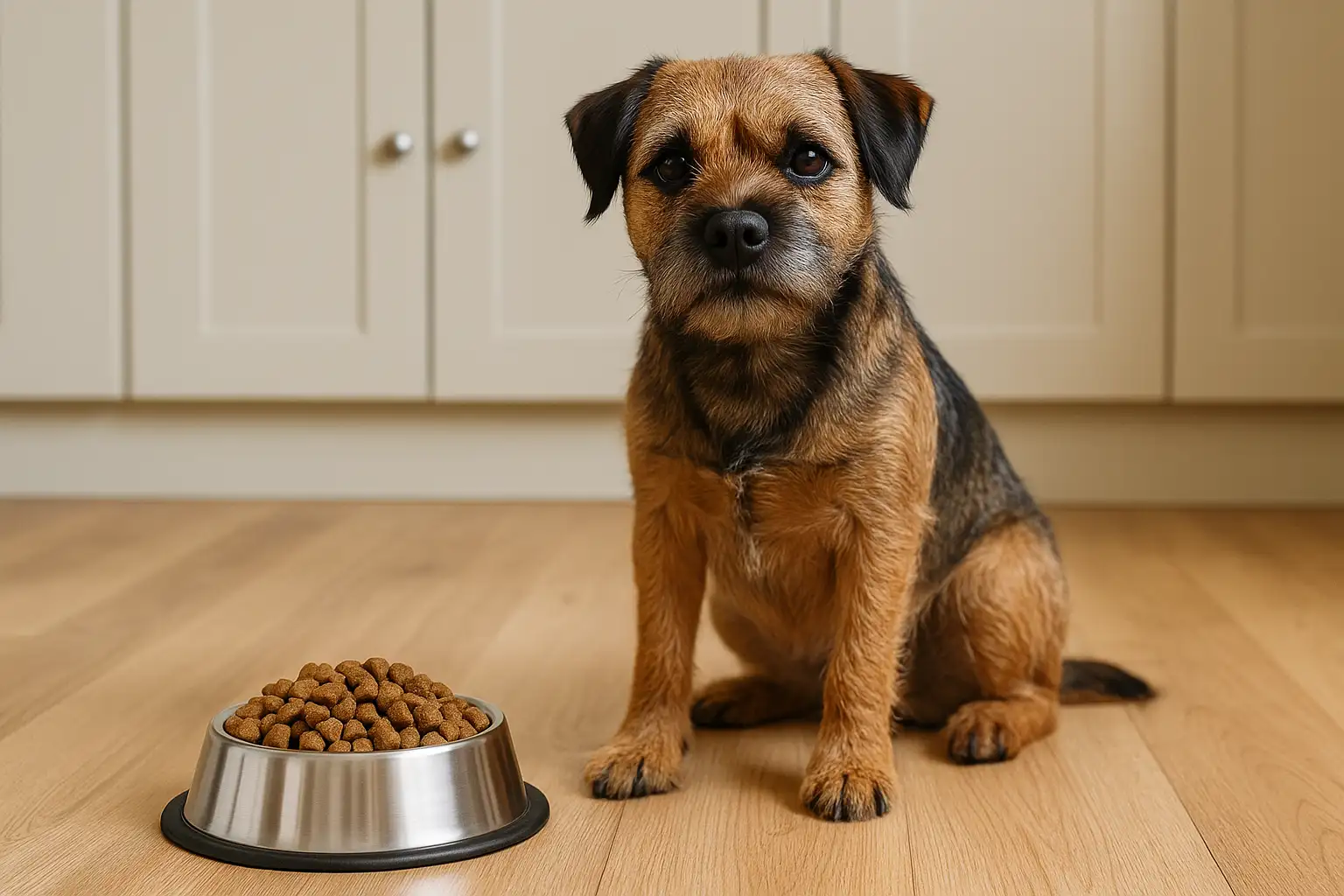
Border Terriers may be small, but their nutritional needs are anything but simple. As an energetic working breed originally developed for hunting and farm work, they have a fast metabolism, a hardy constitution, and a strong drive to stay active. These traits make proper nutrition one of the most important factors in their overall health, longevity, and day-to-day wellbeing.
In this guide, you’ll learn exactly what a Border Terrier should eat, how much food they need at different ages, which nutrients matter most, and how to tailor feeding to their lifestyle—whether you have an adventurous outdoor dog, a relaxed family pet, or a growing puppy. You will also find feeding charts, safe and unsafe food lists, sample meal plans, and solutions to common feeding challenges.
If you’re looking for a complete overview of Border Terrier healthcare, personality, grooming needs, training tips, and more, you can also explore the Border Terrier Dog Full Guide, which provides a holistic understanding of the breed beyond nutrition.
This nutrition-focused article is designed to be practical, evidence-based, and easy to follow—whether you’re a first-time Border Terrier owner or someone who has lived with terriers for years. By the end of this guide, you’ll be fully equipped to make confident, healthy decisions about your dog’s diet at every stage of life.
Understanding Border Terrier Nutritional Needs
Border Terriers are active, curious, and always ready to move. Because of this, their bodies use energy quickly, and they need food that supports strong muscles, a healthy coat, and steady energy throughout the day. Understanding their basic nutrition needs will help you choose the right food and feeding routine.
Border Terriers need three main nutrients in their diet:
Protein:
Protein helps build muscles and keeps your dog strong. It is the most important nutrient for Border Terriers because they are small but very active. Look for foods with real meat (like chicken, turkey, beef, or fish) as the first ingredient. A good Border Terrier diet usually has at least 22% protein for adults and 25–28% for puppies.
Healthy fats:
Fats give dogs energy and help keep their skin and coat soft and shiny. They also support brain and heart health. Good fat sources include salmon oil, chicken fat, and flaxseed. Most adult Border Terriers do well with 12–18% fat, while seniors may need slightly less.
Carbohydrates and fiber:
Carbs provide extra energy and help digestion when they come from healthy sources like sweet potatoes, oats, and brown rice. Fiber keeps the digestive system running smoothly and helps prevent stomach upset—something terriers can sometimes struggle with.
Border Terriers also need vitamins and minerals to support their immune system, bones, teeth, and skin. Many high-quality dog foods already include these nutrients in the right balance. If you choose homemade diets, make sure the recipe is approved by a vet nutritionist so nothing important is missing.
Understanding these building blocks makes it much easier to choose food that keeps your Border Terrier energetic, happy, and healthy.
How Much to Feed a Border Terrier
Feeding the right amount is one of the most important parts of keeping your Border Terrier healthy. Because they are small but active dogs, they can gain weight quickly if they eat too much—or lose weight if they do not get enough. The goal is to match their food intake to their size, age, and activity level.
Daily calories:
Most adult Border Terriers need 450–650 calories per day, depending on how active they are. Puppies and very active dogs may need more, while seniors or low-activity dogs may need less.
Feeding schedule:
- Puppies: 3–4 meals a day
- Adults: 2 meals a day
- Seniors: 2–3 small meals a day
Use your dog’s body shape to guide feeding:
- You should feel the ribs but not see them.
- A Border Terrier should have a clear waist when viewed from above.
- If they look round, reduce food slightly.
- If they look thin, increase food slowly.
Below is a simple table to help you choose a starting point for daily feeding.
TABLE: Border Terrier Calorie & Portion Guide by Weight
(Portions based on standard kibble; amounts may vary by brand.)
| Border Terrier Weight | Calories Per Day | Cups of Food Per Day | Notes |
|---|---|---|---|
| 10 lbs (4.5 kg) | 350–420 calories | ¾ cup – 1 cup | For small, low-activity or older dogs |
| 12 lbs (5.4 kg) | 400–480 calories | 1 cup – 1¼ cups | Average adult Border Terrier |
| 14 lbs (6.3 kg) | 450–550 calories | 1¼ cups – 1½ cups | Active adult or young dog |
| 16 lbs (7.2 kg) | 500–650 calories | 1½ cups – 1¾ cups | Very active or working terrier |
These are starting guidelines. Your dog may need more or less based on:
- Activity level
- Age
- Food type (kibble, fresh, raw)
- Metabolism
- Health conditions
Start with the recommended amount and adjust slowly until your Border Terrier maintains a healthy, lean shape and steady energy.
Best Dog Food for Border Terriers
Choosing the right dog food for a Border Terrier can feel confusing because there are so many options. The good news is that you don’t need anything fancy or complicated—just healthy, well-balanced food that supports their active lifestyle and small size.
Here are some simple things to look for when choosing dog food:
Real meat as the first ingredient:
Chicken, turkey, beef, lamb, or fish should come first on the label. This means the food has enough quality protein to support strong muscles.
Healthy fats for energy and coat health:
Look for salmon oil, chicken fat, or flaxseed. These fats help keep your dog’s coat shiny and support heart and brain health.
Simple, easy-to-digest carbs:
Foods like sweet potato, oats, brown rice, or barley are gentle on the stomach and give steady energy.
Avoid fillers when possible:
Corn, wheat, and soy are not harmful, but they don’t offer much nutrition compared to whole grains or vegetables.
Small-breed formulas work well:
Border Terriers are small dogs, so they benefit from:
- Smaller kibble size
- Higher protein
- Slightly higher fat for active dogs
Fresh, raw, or air-dried diets:
These options can be great for picky eaters or dogs with sensitive stomachs. Just make sure the food meets AAFCO standards and is complete and balanced.
Foods to avoid:
Skip foods with artificial colors, low-quality by-products, or very long ingredient lists full of chemicals.
The best dog food is one that:
- Keeps your dog’s weight steady
- Gives them good energy
- Doesn’t cause stomach or skin problems
- Is easy for your dog to digest
Every Border Terrier is unique, so the “best” food may vary. It can take a little testing to find the perfect match, but these guidelines make the choice much easier.
Feeding a Border Terrier Puppy
Border Terrier puppies grow quickly, and they need the right food to support strong bones, healthy muscles, and steady energy. Puppy feeding is very different from adult feeding, so it’s important to follow age-based guidelines.
Puppies need more calories than adults:
Because they are growing and playing all day, puppy food should have higher protein and fat.
Most Border Terrier puppies need 600–900 calories per day, depending on their age and activity.
Use a puppy-specific formula:
Puppy foods are made with the right balance of nutrients for growth. Look for:
- At least 25–28% protein
- Healthy fats for brain and coat development
- DHA for eye and brain growth
- Easy-to-digest ingredients
Feed small meals throughout the day:
Their stomachs are small, so they cannot eat a lot at once.
A simple guide:
- 8–12 weeks old: 4 meals a day
- 3–6 months old: 3 meals a day
- 6–12 months old: 2–3 meals a day
Do not switch to adult food too early:
Puppies should stay on puppy food until they are about 12 months old.
Below is a simple feeding schedule to help guide you.
TABLE: Border Terrier Puppy Feeding Schedule
| Puppy Age | Meals Per Day | Calories Per Day | Notes |
|---|---|---|---|
| 8–12 weeks | 4 meals | 600–700 calories | Very fast growth period |
| 3–6 months | 3 meals | 650–800 calories | High energy and training stage |
| 6–12 months | 2–3 meals | 700–900 calories | Preparing to switch to adult food |
Treats should be limited:
Puppies learn a lot through training, but treats should make up no more than 10% of daily calories to prevent weight gain.
Watch for stomach upset:
If your puppy gets loose stools, try a gentler food or slow down switches between brands.
Feeding your puppy the right way helps them grow into a healthy, strong, and happy adult Border Terrier.
Feeding an Adult Border Terrier
Adult Border Terriers need a steady, balanced diet that gives them enough energy for play, walks, and daily activities without causing weight gain. Because they are small but very active dogs, finding the right amount and type of food is important for their long-term health.
Choose a balanced adult dog food:
Adult food should support strong muscles, good digestion, and a healthy coat. Look for:
- Real meat as the first ingredient
- Moderate fat levels for energy
- Simple, easy-to-digest carbs
- Added nutrients like omega-3 for skin and coat
Feed twice a day:
Most adult Border Terriers do well with two meals—one in the morning and one in the evening. This helps keep their energy steady and prevents overeating.
Activity level matters:
A very active dog (one that runs, hikes, and plays a lot) will need more calories than a dog that lives a calm, indoor life.
- Active adults: may need 550–650 calories a day
- Average adults: around 450–550 calories a day
Watch their weight closely:
Border Terriers can gain weight quickly if portions are too big or treats are too frequent. A healthy adult should have:
- A clear waist
- Ribs you can feel but not see
- A flat or slightly tucked tummy
If your dog starts gaining weight, cut back on portions by 10% and increase daily exercise.
Treats should be limited:
Use healthy treats like small training bites, apple slices, carrots, or cooked chicken. Treats should be under 10% of daily calories.
A well-fed adult Border Terrier will have bright eyes, steady energy, a shiny coat, and a healthy weight. Paying attention to portion size and food quality makes a big difference in their overall health.
Feeding a Senior Border Terrier
As Border Terriers get older, their bodies and activity levels change. This means their food needs to change too. Senior dogs usually need fewer calories, easier-to-digest food, and extra nutrients that support aging joints, heart health, and brain function.
Choose a senior-friendly dog food:
Look for foods labeled for senior dogs or “all life stages” with:
- Lower fat to prevent weight gain
- Moderate protein to support muscle
- Added omega-3 for joints and brain
- Antioxidants for immune support
Feed smaller, more frequent meals if needed:
Some older dogs have slower digestion or smaller appetites.
Two or three smaller meals can help them eat comfortably.
Watch their weight carefully:
Senior Border Terriers often become less active. Gaining weight can stress their joints, while losing too much weight may signal a health issue.
A monthly weight check helps you notice changes early.
Support aging joints:
Foods or supplements with glucosamine, chondroitin, or fish oil can help reduce stiffness and keep your senior dog moving more comfortably.
Adjust food for dental changes:
If your older dog has worn or missing teeth, softer foods may help.
Options include moistening kibble, mixing kibble with wet food, or choosing a soft senior diet.
Use age as a guide for nutrition:
If you aren’t sure how old your Border Terrier is—especially for adopted or rescued dogs—you can estimate their age using helpful tools like the Border Terrier Dog Age In Human Years Calculator. Knowing their age helps you choose the right feeding plan.
Senior dogs still enjoy good food and steady routines. With the right diet, they can stay active, happy, and healthy well into their older years.
Common Border Terrier Feeding Problems and Solutions
Border Terriers are smart, active dogs, but they can have a few feeding challenges. The good news is that most of these problems are easy to fix once you know what to look for. Here are some of the most common issues and simple ways to handle them.
Picky eating
Some Border Terriers lose interest in food if they are bored with the same taste every day.
Try these tips:
- Warm the food slightly to improve smell
- Add a spoon of wet food or broth
- Switch to a more flavorful protein like salmon or lamb
Eating too fast
Border Terriers often love food and may gulp it quickly. Fast eating can cause choking or stomach upset.
To slow them down:
- Use a slow-feeder bowl
- Split meals into smaller portions
- Add water or wet food to slow chewing
Sensitive stomach
Some terriers have trouble digesting certain ingredients. You may notice loose stools, gas, or vomiting.
What can help:
- Choose foods with simple ingredients
- Try limited-ingredient diets
- Add a little plain pumpkin or a vet-approved probiotic
Food allergies or intolerances
Signs may include itchy skin, ear infections, or constant licking. Common triggers include chicken, beef, dairy, and wheat.
Solutions:
- Switch to a novel protein such as turkey, duck, or fish
- Try grain-free only if recommended by a vet
- Do an elimination diet under vet guidance
Overfeeding
Border Terriers gain weight easily, especially if they get lots of treats during training. Too much weight can hurt their joints and lower their energy.
Ways to prevent this:
- Follow a feeding guide
- Limit treats to 10% of daily calories
- Use small training treats or cut them into tiny pieces
Understanding these common issues early helps keep your Border Terrier healthy, energetic, and happy at mealtime.
Feeding Border Terrier Mixes
Border Terrier mixes can have different sizes, energy levels, and appetites depending on the other breed in the mix. This means their feeding needs may be a little different from a pure Border Terrier. Still, the basics remain the same: choose good-quality food, watch their weight, and adjust portions based on activity.
Size affects calorie needs
Some mixes are bigger (like Border Terrier × Labrador) and need more calories. Others are smaller (like Border Terrier × Chihuahua) and may need less food. Always match feeding amounts to your dog’s weight and body shape.
Energy level changes by mix
- A Border Terrier × Jack Russell may be very active and need more calories.
- A Border Terrier × Poodle might have a calmer, steadier energy level.
- A Border Terrier × Dachshund may need careful weight control.
Start with the Border Terrier feeding guide
Use the same feeding chart as a starting point, then adjust portions depending on:
- How fast your dog burns energy
- Their ideal body weight
- How active they are daily
Here is a simple overview of common mixes and what to expect.
TABLE: Border Terrier Mixes and Feeding Adjustments
| Mix Type | Adult Weight Range | Energy Level | Feeding Notes |
|---|---|---|---|
| Border Terrier × Jack Russell | 12–18 lbs | Very active | May need higher calories and protein |
| Border Terrier × Chihuahua | 6–10 lbs | Medium | Smaller portions, watch for fast eating |
| Border Terrier × Poodle | 10–16 lbs | Medium to high | Good with balanced diets; may need more fiber |
| Border Terrier × Schnauzer | 12–20 lbs | Medium | Watch weight gain; choose lean proteins |
| Border Terrier × Patterdale | 12–22 lbs | High | Needs calorie-rich food for active days |
Always watch body condition
Since mixes vary a lot, the best guide is your dog’s shape:
- You should feel ribs but not see them
- There should be a clear waist
- Energy should stay steady throughout the day
Feeding a Border Terrier mix is easy once you understand their size and activity needs. With simple adjustments, any mix can enjoy a healthy and balanced diet.
Foods Border Terriers Can Eat
Many human foods are safe and healthy for Border Terriers when given in small amounts. These foods can be used as treats, meal toppers, or a way to add extra vitamins to their diet. Always introduce new foods slowly to avoid stomach upset.
Healthy proteins
Cooked meats are great for training and boosting meals:
- Chicken
- Turkey
- Beef
- Lamb
- Fish like salmon or tuna (boneless and cooked)
Dog-safe fruits
These are sweet, low-calorie treats packed with vitamins:
- Apples (no seeds)
- Blueberries
- Strawberries
- Watermelon (no seeds or rind)
Dog-safe vegetables
These are gentle on the stomach and rich in fiber:
- Carrots
- Green beans
- Sweet potato (cooked)
- Pumpkin (plain, no sugar)
Healthy add-ins
These can improve digestion, coat health, or energy:
- Plain yogurt or kefir
- Small amounts of cheese
- A spoon of cooked rice or oats
- A little fish oil for skin and coat
Here is a simple table to help you quickly see which foods are safe and why they are good for your dog.
TABLE: Safe Foods and Their Benefits
| Food | Category | Benefit |
|---|---|---|
| Chicken | Protein | Builds strong muscles |
| Salmon | Protein/Fat | Supports skin and coat |
| Carrots | Vegetable | Good for teeth and digestion |
| Blueberries | Fruit | High in antioxidants |
| Pumpkin | Vegetable | Helps with digestion |
| Yogurt | Dairy | Supports gut health |
Always remember:
Even safe foods should make up only a small part of the diet. Most of your Border Terrier’s nutrition should still come from complete and balanced dog food.
Foods Border Terriers Should Never Eat
While many human foods are safe for Border Terriers, some can be very dangerous. Even a small amount of certain foods can make a dog sick, so it’s important to know what to avoid. If your dog ever eats something unsafe, call your vet right away.
Toxic foods
These foods can harm your dog’s organs or cause poisoning:
- Chocolate
- Grapes and raisins
- Onions and garlic
- Xylitol (found in sugar-free gum and some peanut butter)
- Macadamia nuts
Foods that can cause stomach problems
Some foods are not toxic but can lead to vomiting, diarrhea, or pain:
- Spicy foods
- Fried or greasy foods
- Fatty leftovers
- Milk or ice cream (many dogs are lactose intolerant)
Choking or injury risks
These foods can break teeth, cause choking, or harm the digestive tract:
- Cooked bones
- Corn cobs
- Hard rawhide chews
To make things easy to remember, here is a simple table showing unsafe foods and why your Border Terrier should avoid them.
TABLE: Toxic Foods and Health Risks
| Food | Risk | Why It’s Dangerous |
|---|---|---|
| Chocolate | Poisoning | Contains theobromine, harmful to dogs |
| Grapes/Raisins | Kidney failure | Even small amounts can be toxic |
| Onions/Garlic | Anemia | Damages red blood cells |
| Xylitol | Severe poisoning | Causes blood sugar crashes and liver damage |
| Cooked bones | Injury | Can splinter and cause choking or tears |
Keeping unsafe foods away from your Border Terrier is one of the best ways to protect their health. When in doubt, always choose dog-safe treats and avoid giving foods you are unsure about.
Sample Feeding Plans for Border Terriers
Sample feeding plans make it easier to understand how much and what to feed your Border Terrier at different ages. These examples are simple guides you can adjust based on your dog’s size, activity level, and the type of food you choose. Always watch your dog’s weight and energy to see if changes are needed.
Puppy Sample Day (8–12 months)
A growing puppy needs more calories and high-quality nutrients. Here is an example of a daily plan:
- Breakfast: ½ cup puppy kibble + a spoon of cooked pumpkin
- Lunch: ½ cup puppy kibble
- Dinner: ½ cup puppy kibble + a small amount of cooked chicken
- Treats: Small training treats during the day (under 10% of daily calories)
Adult Sample Day
Adult Border Terriers need steady energy for play and walking. A simple plan may look like this:
- Breakfast: ¾ cup adult kibble
- Dinner: ¾ cup adult kibble with a spoon of plain yogurt
- Treats: Carrot sticks, apple slices, or small training treats
Senior Sample Day
Older dogs often need fewer calories but more support for joints and digestion. A gentle meal plan might be:
- Breakfast: ½ cup senior kibble softened with warm water
- Dinner: ½ cup senior kibble + a small amount of salmon
- Treats: Soft, low-calorie treats or cooked sweet potato pieces
Here is a clear table to help you compare feeding plans at a glance.
TABLE: Daily Meal Plans for Border Terriers
| Life Stage | Meals Per Day | Portion Size | Add-Ins | Notes |
|---|---|---|---|---|
| Puppy | 3 meals | ½ cup per meal | Pumpkin, chicken | High energy needs |
| Adult | 2 meals | ¾ cup per meal | Yogurt, veggies | Keep weight steady |
| Senior | 2–3 meals | ½ cup per meal | Salmon, soft foods | Easy on digestion |
These plans are just starting points. Your Border Terrier may need more or less food depending on their health, weight, and daily activity.
Hydration Guidelines for Border Terriers
Good hydration is just as important as good food. Border Terriers are active dogs, so they need enough water each day to stay healthy, energetic, and comfortable.
Daily water needs
Most Border Terriers need about 1 cup of water for every 10 pounds of body weight each day.
A typical adult Border Terrier (12–15 pounds) needs around 1 to 1.5 cups of water daily, and sometimes more on hot or busy days.
Signs your dog may need more water
Watch for these common signs of dehydration:
- Dry nose
- Sticky gums
- Tiredness
- Panting more than usual
- Dark yellow urine
If you notice these signs, encourage your dog to drink right away.
Easy ways to help your dog drink more
- Keep fresh water available all day
- Place water bowls in more than one room
- Add a little water or broth to meals
- Use a pet water fountain (many dogs love running water)
- Bring water on walks or hikes
Special situations
Dogs may need extra water when:
- The weather is hot
- They are very active
- They are sick or recovering
- They eat mostly dry kibble
Keeping your Border Terrier well-hydrated helps protect their kidneys, joints, and overall health. A simple habit like checking the water bowl daily makes a big difference.
Weight Management for Border Terriers
Border Terriers love food, and because they are small dogs, even a little extra weight can add up fast. Keeping your dog at a healthy weight helps protect their joints, heart, and overall well-being. It also helps them stay active and energetic.
How to tell if your dog is overweight
Use these simple signs to check their body condition:
- You cannot feel their ribs easily
- Their waist is not visible from above
- Their belly hangs down instead of tucking up
- They get tired quickly during walks
If you notice these signs, your dog may need a change in diet or activity.
How to help your dog lose weight safely
Losing weight should be slow and steady. Try these steps:
- Reduce daily food portions by about 10%
- Choose lower-calorie or weight-control dog food
- Give treats only during training or special times
- Replace high-calorie treats with carrots, green beans, or apple slices
- Increase daily exercise with longer walks or more playtime
Avoid free-feeding
Leaving food out all day makes it easy for Border Terriers to overeat. Feeding at set times helps control calories and keeps digestion regular.
Monitor progress
Weigh your dog every 2–4 weeks. Small changes are normal. Celebrate progress, even if it’s slow—losing weight safely takes time.
Managing your Border Terrier’s weight helps them live a longer, healthier life. With the right balance of food, treats, and exercise, they can stay lean, fit, and full of energy.
Raw, Fresh, Homemade and Alternative Diets
Some Border Terrier owners choose diets other than regular kibble. These options can be healthy when done correctly, but they also require careful planning. Here’s a simple guide to help you understand each type.
Raw diets
Raw diets include raw meat, bones, and organs.
Pros:
- Can improve coat shine
- Very tasty for dogs
Cons: - Risk of bacteria like salmonella
- Hard to balance without expert help
- Not safe for all homes, especially with young children
If you choose raw feeding, make sure the diet is complete and balanced, not just meat alone.
Fresh or gently cooked diets
These diets use cooked meats, vegetables, and grains.
Pros:
- Easy to digest
- Simple ingredients
- Good for picky eaters
Cons: - Can be more expensive
- Needs refrigeration
- Must meet proper nutrient levels
Look for brands that meet AAFCO standards.
Homemade diets
Some owners enjoy cooking for their dogs, but homemade diets can easily miss vitamins and minerals dogs need.
Pros:
- Full control over ingredients
- Good for dogs with allergies
Cons: - Hard to balance
- Needs a vet nutritionist to avoid deficiencies
Never feed homemade diets without a vet-approved recipe.
Freeze-dried or air-dried diets
These diets offer raw-style nutrition without as much bacteria risk.
Pros:
- Easy to store
- High in nutrients
- Great for travel
Cons: - More expensive than kibble
- Portions may be small but calorie-dense
The best diet is one that keeps your Border Terrier healthy, at a good weight, and full of energy. Always choose food that is complete, balanced, and safe for your dog’s age and lifestyle.
Switching Your Border Terrier’s Food Safely
Changing your Border Terrier’s food should always be done slowly. A fast switch can upset their stomach, cause diarrhea, or make them refuse the new food. A slow change helps their body adjust without problems.
Follow a 7–10 day transition plan
Here is a simple way to switch foods safely:
- Days 1–3: 75% old food + 25% new food
- Days 4–6: 50% old food + 50% new food
- Days 7–9: 25% old food + 75% new food
- Day 10: 100% new food
If your dog has a sensitive stomach, you can slow the process even more.
Watch for signs of trouble
Some dogs react to new ingredients. Look for:
- Loose stools or diarrhea
- Vomiting
- Extra gas
- Itchy skin
- Refusing food
If symptoms appear, go back to the earlier step or pause the switch.
Do not mix too many foods
Mixing brands or switching too often can confuse your dog’s digestive system. Stick with one diet for at least a month before deciding if it’s a good fit.
Use toppers wisely
Adding wet food, broth, or safe veggies can make transitions easier, but always keep portions balanced so your dog does not gain weight.
Switching food the right way keeps your Border Terrier comfortable and helps avoid stomach problems. Slow and steady is the best approach.
Border Terrier Feeding FAQ
This FAQ section answers the most common questions owners have about feeding Border Terriers. Each answer is simple, clear, and easy to follow.
What is the best food for a Border Terrier?
The best food is one with real meat as the first ingredient, healthy fats, and easy-to-digest carbs. Many Border Terriers do well on high-quality kibble or fresh food that meets AAFCO standards.
How much should I feed my Border Terrier?
Most adult Border Terriers need 450–650 calories a day. Puppies and active dogs may need more. Use the feeding table in this guide and adjust based on your dog’s weight and energy.
Can Border Terriers eat grain-free food?
Yes, but grain-free is not always better. Most Border Terriers digest healthy grains like oats and rice very well. Only choose grain-free food if your vet suggests it.
Is a raw diet safe?
Raw diets can work for some dogs, but they must be balanced and safe. There is a risk of bacteria, so follow vet advice if you choose this option.
Why is my Border Terrier always hungry?
Terriers love food. But constant hunger can mean:
- They need more calories
- They are bored and want attention
- They are not getting enough exercise
- Their food is low in protein
Check their weight and talk to your vet if hunger seems unusual.
Can I give human food to my Border Terrier?
Yes, but only safe foods like carrots, chicken, pumpkin, or blueberries. Avoid dangerous foods like chocolate, grapes, onions, and anything with xylitol.
When should I switch my puppy to adult food?
Most Border Terriers switch at around 12 months old. Switch slowly over 7–10 days to avoid stomach upset.
Why is my dog gaining weight so easily?
Border Terriers are small, so even a little extra food or treats can cause weight gain. Reduce portions by 10% and increase exercise.
This FAQ helps clear up the most common feeding issues, making mealtime easier and safer for both you and your dog.
Final Thoughts
Feeding your Border Terrier the right way is one of the best things you can do for their long-term health and happiness. A good diet helps them stay active, maintain a healthy weight, and enjoy a shiny coat and strong muscles. It also reduces the chances of stomach problems, skin issues, and other health concerns.
Remember these simple points:
- Choose high-quality food with real meat as the first ingredient
- Feed the right amount based on your dog’s size and activity
- Adjust portions if your dog gains or loses weight
- Keep treats limited and choose healthy options
- Make changes slowly to avoid stomach upset
- Always keep fresh water available
Every Border Terrier is unique, so it may take a little time to find the perfect feeding routine. Pay attention to your dog’s body shape, energy level, and digestion—they will tell you if the diet is working.
With a balanced diet, steady feeding schedule, and lots of love, your Border Terrier can enjoy a long, healthy, and happy life. If you ever feel unsure about your dog’s nutrition, your vet can help guide you in the right direction.
For more independent nutrition advice and safety guidelines, you can also explore the dog food resources provided by the American Kennel Club at https://www.akc.org/expert-advice/nutrition/.
One thought on “Border Terrier Nutrition & Feeding Guide: What to Feed Your Dog at Every Life Stage”