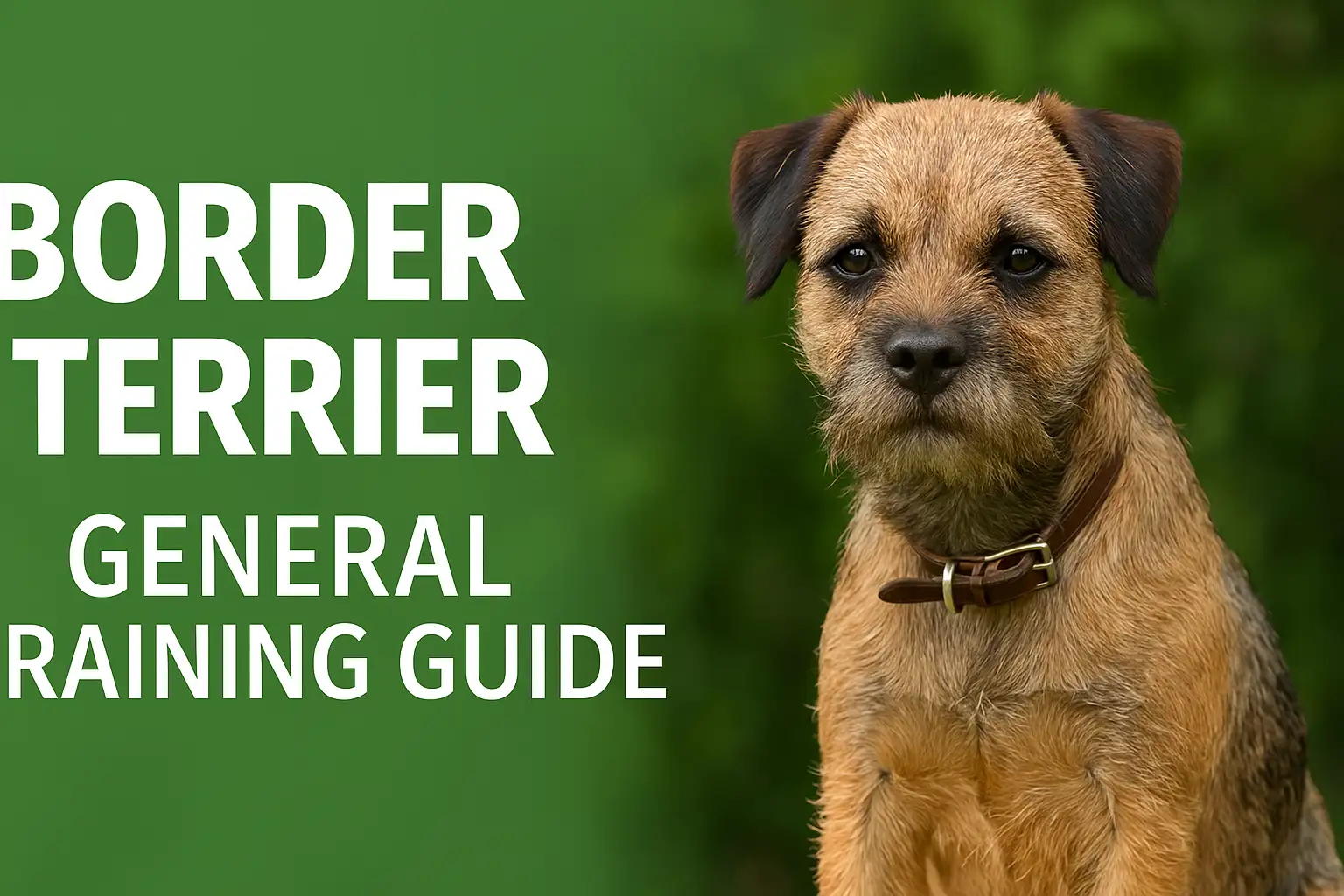
Border Terriers are energetic, intelligent, and determined little dogs originally bred for fox hunting along the rugged English-Scottish border. Today, they are loved family companions known for their affectionate nature, high prey drive, and spirited personality. This guide is designed to help new and current Border Terrier owners understand how to train, manage, and live happily with this unique breed.
Whether you’re raising a puppy, welcoming a rescue, or trying to resolve specific behavior challenges, this article will give you clear, practical training steps and a solid understanding of the Border Terrier mindset. It aims to set realistic expectations while giving you the tools to build a well-behaved, confident, and well-adjusted dog.
Border Terrier Breed Overview
Border Terriers are small, sturdy working terriers known for their friendly nature, sharp instincts, and strong desire to stay active. They typically weigh between 11–15 pounds, have a wiry coat that sheds moderately, and come in colors like grizzle, blue and tan, or wheaten. Their lifespan ranges from 12–15 years, and they generally remain energetic well into adulthood.
Below is a quick-reference table summarizing key breed details:
| Trait | Description |
|---|---|
| Size | 11–15 lbs (5–7 kg) |
| Height | 10–11 inches |
| Temperament | Affectionate, alert, independent |
| Prey Drive | High |
| Coat Type | Wiry, low–moderate shedding |
| Lifespan | 12–15 years |
| Grooming Needs | Occasional hand-stripping or brushing |
| Activity Level | High |
| Trainability | Moderate (independent thinker) |
For a deeper look at daily care, grooming, and long-term needs, you can explore the Border Terrier Dog Full Guide here.
To estimate your dog’s age compared to human years, you can use this helpful Border Terrier Dog Age In Human Years Calculator.
Why Training a Border Terrier Matters
Training is essential for Border Terriers because their natural instincts—chasing, digging, and independent decision-making—can easily lead to unwanted behaviors if not guided early. A well-trained Border Terrier becomes easier to manage on walks, more responsive during distractions, and calmer in busy environments.
Proper training also strengthens your bond, provides mental stimulation, and helps prevent issues like excessive barking or pulling on the leash. Since Border Terriers are intelligent and energetic, structured training keeps their minds active and gives them a clear outlet for their working instincts. Starting early and staying consistent ensures your dog grows into a confident, well-balanced companion.
Understanding Border Terrier Behavior
Border Terriers have a strong working background, which shapes much of their behavior today. Their high prey drive makes them eager to chase squirrels, birds, and anything that moves quickly. This instinct can also cause selective hearing during walks or off-leash play, so recall training becomes especially important.
They are alert and can be vocal, often barking to signal excitement or unfamiliar activity. Digging is another natural behavior, rooted in their history of going underground after foxes. Mentally, they are intelligent, quick learners but also independent thinkers—meaning they respond best to positive reinforcement and clear, consistent boundaries.
Understanding these instincts allows you to train in a way that works with the breed rather than against it. When their energy and curiosity are guided correctly, Border Terriers become responsive, focused, and highly enjoyable companions.
What You Need Before Training a Border Terrier
Before starting any training routine, make sure you have the right setup and tools to make learning easier for both you and your dog. Border Terriers respond best when the environment is calm, consistent, and free from unnecessary distractions—especially during early training.
A comfortable harness, a sturdy leash, and a long training line are essential for managing their natural urge to chase. High-value treats help keep their attention, while a clicker or verbal marker (“Yes!”) improves timing and clarity. Having a crate, baby gates, or designated safe space will also support house training and help your dog settle when needed.
Finally, choose a training spot that minimizes overstimulation. Border Terriers can become overexcited quickly, so beginning indoors or in a familiar yard gives them the best chance to succeed before progressing to more distracting environments.
How to Train a Border Terrier Step-by-Step
Step 1: Teach a Marker Word or Clicker
Choose a marker (like “Yes!” or a clicker). Say the marker, then give a treat. Repeat 10–15 times so your Border Terrier learns the marker means a reward is coming.
Step 2: Start with Simple Cues Indoors
Teach sit, down, and stay in a quiet area with minimal distractions. Keep sessions under 5 minutes and reward every correct attempt.
Step 3: Build a Reliable Recall
Use a long line outdoors. Say your dog’s name once, add the cue (“Come!”), and reward generously when they return.
Step 4: Train Loose-Leash Walking
Reward your dog for walking beside you. Stop immediately if they pull and resume when the leash loosens.
Step 5: Establish a Housebreaking Routine
Take your dog out frequently—after meals, naps, and play—and reward outdoors immediately.
Step 6: Crate Train for Calm and Structure
Make the crate positive with treats, meals, and soft bedding. Increase time gradually.
Step 7: Manage Barking and Over-Arousal
Increase exercise, create calm periods, and reward quiet behavior early.
Step 8: Provide Outlets for Digging and Chewing
Offer chew toys and create a digging zone if needed.
Step 9: Keep Training Sessions Short and Consistent
Mini-sessions throughout the day work best.
Daily Training Breakdown Table
| Training Activity | Ideal Duration | Notes |
|---|---|---|
| Obedience practice | 5–10 minutes | Use high-value treats for motivation |
| Recall sessions | 5 minutes | Practice outdoors with a long line |
| Mental enrichment | 10 minutes | Puzzle toys, scent games |
| Exercise | 45–60 minutes | Essential to prevent boredom |
| Crate/settle practice | 5 minutes | Build calm independence |
Border Terrier Puppy Training Guide
Border Terrier puppies learn quickly but have short attention spans, so training should be gentle, consistent, and built around daily routines. Start with name recognition, simple cues, and early recall. Use small, frequent sessions—30 to 60 seconds—to keep them focused.
Begin socialization early, expose your puppy to new environments, and follow a strict housebreaking schedule. Redirect nipping to toys and keep crate training positive to help them settle calmly.
Puppy Training Milestones Table
| Puppy Age | Expected Skills | Notes |
|---|---|---|
| 8–12 weeks | Name recognition, sit, early recall | Keep sessions very short |
| 3–6 months | Housebreaking progress, crate comfort | Consistency is key |
| 6–12 months | Leash skills, impulse control | Terriers enter adolescence |
| 12+ months | Better focus & reliability | Increase difficulty gradually |
Training Adult or Rescue Border Terriers
Adult and rescue Border Terriers often come with established habits, so training focuses on resetting routines and building trust. Start by observing their behavior during the first few days—this helps identify triggers, confidence levels, and previous training patterns. Keep sessions calm and predictable to avoid overwhelming a dog that may be adjusting to a new environment.
Begin with basic cues to establish communication, even if the dog already knows some commands. Reward generously for calm behavior, checking in, and staying near you. For dogs with a history of pulling, barking, or chasing, use structured walks and long-line practice to rebuild control safely. Rescue dogs may need extra time to feel secure; avoid punishment and emphasize slow, positive progression.
If fear or anxiety appears, work in small steps. Reward your dog for investigating new objects, people, or places at their own pace. Consistency, patience, and clear boundaries help adult and rescue Border Terriers replace old habits with healthier, more cooperative behaviors.
Common Border Terrier Training Problems and Solutions
Border Terriers can struggle with barking, pulling, chasing, or digging if not given enough structure or stimulation. Increasing exercise, providing mental enrichment, and rewarding calm behavior help prevent many issues. Troubleshooting becomes easier when approached systematically.
Problems & Solutions Table
| Problem | Likely Cause | Effective Solution |
|---|---|---|
| Excessive barking | Boredom or alertness | Reward quiet, add enrichment |
| Pulling on leash | High excitement | Stop when leash tightens; reward walking beside you |
| Ignoring recall | Prey drive | Practice on long line, reward heavily |
| Digging | Instinct or energy | Provide a designated digging area |
| Destructive chewing | Boredom or teething | Rotate chew toys and add mental games |
| Over-arousal | Too much stimulation | Build calm routines, use structured exercise |
Are Border Terrier Mixes Easy to Train?
Border Terrier mixes inherit traits from both parent breeds. Working mixes like Border Terrier x Border Collie often learn quickly but need more exercise. Smaller mixes like Border Terrier x Chihuahua may be more sensitive or stubborn. Adapting the method based on temperament leads to better results.
Trainability of Popular Border Terrier Mixes
| Mix Type | Trainability | Key Traits |
|---|---|---|
| Border Terrier x Border Collie | High | Energetic, intelligent, needs structure |
| Border Terrier x Jack Russell | Medium | High prey drive, bold personality |
| Border Terrier x Chihuahua | Medium–Low | Sensitive, may be cautious |
| Border Terrier x Poodle | High | Food-motivated, smart |
| Border Terrier x Schnauzer | Medium | Strong instincts, active |
Living With a Border Terrier
Living with a Border Terrier can be both rewarding and lively, as this breed brings energy, affection, and curiosity into daily life. They thrive in active households where they can be part of regular walks, play sessions, and family routines. Border Terriers adapt well to both apartments and houses as long as they get sufficient physical exercise and mental challenges like puzzle toys or scent-based games.
Because of their strong prey drive, supervision is important around small animals such as rabbits, guinea pigs, or hamsters. They generally get along well with other dogs, but early socialization helps them feel confident and behave calmly in multi-pet homes. Their wiry coat benefits from periodic hand-stripping or brushing to keep shedding manageable and maintain coat health.
Border Terriers love companionship and prefer being included rather than left alone for long hours. Providing structure—daily exercise, mental stimulation, and predictable routines—helps them settle comfortably and become well-mannered, loyal companions in any type of household. home and become a loyal, well-adjusted companion.
Border Terrier Cost and Ownership Considerations
Owning a Border Terrier comes with predictable expenses that help ensure the dog’s long-term health and comfort. The initial cost of purchasing a puppy varies depending on breeder reputation, lineage, and location, while adopting from a rescue typically involves lower fees. Beyond the upfront cost, ongoing expenses such as food, grooming, and routine veterinary care should be planned for before bringing a Border Terrier home.
Their grooming needs are moderate, especially if you choose professional hand-stripping a few times per year. Regular veterinary checkups, vaccinations, and preventative treatments help maintain good health throughout their 12–15 year lifespan. Factoring in training classes, toys, mental enrichment tools, and pet insurance also contributes to a stable, well-prepared ownership experience.
Estimated Cost Breakdown
| Expense Type | Estimated Cost |
|---|---|
| Puppy purchase price | Varies based on breeder and region |
| Adoption/rescue fee | Usually lower, depends on organization |
| Annual vet care | Moderate yearly expense |
| Food | Monthly cost depending on diet quality |
| Grooming | Occasional professional hand-stripping or grooming sessions |
| Pet insurance | Monthly premium based on coverage |
| Training classes | Optional but helpful for first-time owners |
Having a clear understanding of these expenses ensures you’re ready for the commitment of owning and caring for a Border Terrier throughout every life stage.
Border Terrier Breeders, Adoption, and Rescue
Finding a Border Terrier involves choosing between reputable breeders, rescue organizations, or rehoming programs, each offering different benefits. Ethical breeders prioritize health testing, proper socialization, and breeding dogs with stable temperaments. When researching breeders, ask about health clearances, living conditions, and how puppies are raised during their early weeks.
Adopting from a rescue or rehoming group is a great option for those who want to give a second chance to an adult or senior Border Terrier. Rescue dogs may come with some previous training or require extra patience as they adjust to a new environment, but they often become devoted companions with consistent care and structure.
Whether buying or adopting, avoid impulse decisions. Take time to meet the dog, learn about their personality, and ensure the match fits your lifestyle. A thoughtful selection process leads to a smoother transition and a stronger long-term bond.
How Long Border Terrier Training Takes
Training a Border Terrier is an ongoing process, with progress depending on age, temperament, and consistency. Most dogs learn basic cues like sit, stay, and recall foundations within a few weeks when practiced daily. However, more reliable obedience—especially around distractions—can take several months, as terriers are naturally independent and strongly driven by scent and movement.
Housebreaking typically improves within a few weeks for puppies on a consistent routine, while leash manners and impulse control may require longer reinforcement. Rescue or adult dogs may progress at a different pace, especially if they are overcoming past habits or confidence issues. Expect training to continue throughout their life, with skills becoming stronger as you practice regularly.
Setting realistic expectations ensures you stay patient and persistent, allowing your Border Terrier to build lasting, dependable behaviors over time.
When to Call a Professional Trainer
While many Border Terriers respond well to consistent at-home training, some situations benefit from professional support. If your dog shows signs of reactivity, fear-based behavior, or aggression toward people or other animals, a qualified trainer or behaviorist can help identify the underlying causes and create a safe, structured training plan.
Severe prey drive that makes walks difficult or recall unreliable may also require expert guidance, especially if your dog becomes overly fixated or hard to interrupt. Rescue dogs with unknown histories might need tailored behavior modification to build confidence and reduce anxiety. Professional trainers can also assist if progress stalls, or if you’re feeling overwhelmed or unsure how to move forward.
Seeking help early prevents small issues from becoming long-term habits and ensures your Border Terrier stays on a positive, manageable training path.
Border Terrier FAQs
Are Border Terriers easy to train?
They are intelligent and willing to learn, but their independent terrier mindset means they need consistent, positive training. Short, engaging sessions work best.
Do Border Terriers bark a lot?
They can be vocal, especially when bored or alerting to activity. Regular exercise and mental stimulation help reduce unnecessary barking.
Can Border Terriers live with cats or small animals?
Caution is needed. Their prey drive is strong, so supervision and controlled introductions are essential. Some individuals coexist well, while others may not.
How much exercise do they need?
Most Border Terriers need at least 45–60 minutes of daily activity plus mental enrichment. Without it, boredom can lead to unwanted behaviors.
Are Border Terrier mixes easier or harder to train?
It depends on the secondary breed. Working breeds may increase energy and trainability, while companion breeds may introduce sensitivity or stubbornness.
How long does puppy training usually take?
Basic cues can develop within a few weeks, but reliable behavior around distractions takes months of repetition and reinforcement.
Do Border Terriers shed?
Yes, but moderately. Their wiry coat benefits from regular brushing or occasional hand-stripping to manage shedding.
What’s the typical lifespan of a Border Terrier?
They usually live 12–15 years and often remain active well into their senior years.
Quick Training Plan and Summary
This quick-reference section offers a simple daily structure to help you stay consistent while training your Border Terrier. Short, focused sessions paired with regular exercise and mental enrichment create the best results. Use positive reinforcement, keep routines predictable, and build difficulty gradually as your dog becomes more confident.
Quick Training Checklist
| Training Task | Frequency | Purpose |
|---|---|---|
| Recall practice | Daily | Strengthens responsiveness around distractions |
| Basic obedience cues | 3–5 times weekly | Builds reliable communication |
| Mental enrichment | Daily | Reduces barking, digging, and restlessness |
| Physical exercise | Daily | Prevents boredom and supports good behavior |
| Crate or settle training | Daily | Encourages calm independence |
| Socialization/exposure | Weekly | Improves confidence in new environments |
Following these simple guidelines helps your Border Terrier develop into a well-behaved, adaptable companion. The key is consistency—small, regular efforts lead to lasting progress.
Final Thoughts
Training and living with a Border Terrier is a rewarding experience when approached with patience, structure, and an understanding of their natural instincts. Their energy, intelligence, and affectionate nature make them wonderful companions, but they thrive best with consistent routines and daily mental and physical engagement. By using positive reinforcement, setting clear boundaries, and staying committed to their training journey, you’ll help your Border Terrier grow into a confident, well-mannered member of your family.
Every dog learns at their own pace, so stay flexible and enjoy the process. With time and dedication, the bond you build with your Border Terrier becomes the foundation for a lifetime of trust, loyalty, and companionship.
For more detailed information on dog behavior and positive reinforcement techniques, you can visit:
https://www.aspca.org/pet-care/dog-care/dog-behavior-tips
One thought on “Border Terrier Training Guide: How to Train, Raise, and Understand This Energetic Breed”