Chihuahua Temperament, Personality, Care, and Breed Guide
The Chihuahua temperament is one of the biggest reasons this tiny dog attracts so much attention. Chihuahuas are loyal, alert, confident, affectionate, and often deeply attached to one favorite person. Although they are one of the smallest dog breeds in the world, their personality is bold, expressive, and sometimes surprisingly protective.
Recommended Dog Care Products
Based on your dog’s age, these products may help with comfort, health, grooming, and daily care.

Purina Pro Plan Veterinary Supplements
Daily probiotics for dogs to support digestive and gut health.
View on Amazon ↗
Earth Rated Poop Bags for Dogs
Leak-proof, extra thick waste bag refill rolls with lavender scent.
View on Amazon ↗
Greenies Pill Pockets for Dogs
Large dog treats for capsule medication, peanut butter flavor.
View on Amazon ↗
HONEY CARE All-Absorb Dog Wrap
Small male dog wraps, 50 count, useful for daily care support.
View on Amazon ↗
Seresto Flea & Tick Collar
Flea and tick treatment and prevention for dogs over 18 lbs.
View on Amazon ↗
Milk-Bone MaroSnacks
Small dog treats with real bone marrow in a 40 oz canister.
View on Amazon ↗
Vital Essentials Dog Treats
Freeze dried beef liver dog treats, grain free and single ingredient.
View on Amazon ↗
Stain & Odor Eliminator
Enzyme cleaner for pet stains, carpet messes, and strong odors.
View on Amazon ↗
Pur Luv Chicken Jerky Treats
Dog treats made with real chicken breast, high protein and chew-friendly.
View on Amazon ↗
Milk-Bone Flavor Snacks
Mini crunchy dog biscuits in a 36 oz canister for small rewards.
View on Amazon ↗As an Amazon Associate, we may earn from qualifying purchases.
Many people describe Chihuahuas as yappy, fragile, or aggressive, but that is usually an oversimplification. Most Chihuahua behavior problems come from fear, poor socialization, inconsistent training, or treating the dog like an accessory instead of a real dog. With structure, gentle handling, and clear boundaries, Chihuahuas can become affectionate, intelligent, and loyal companions.
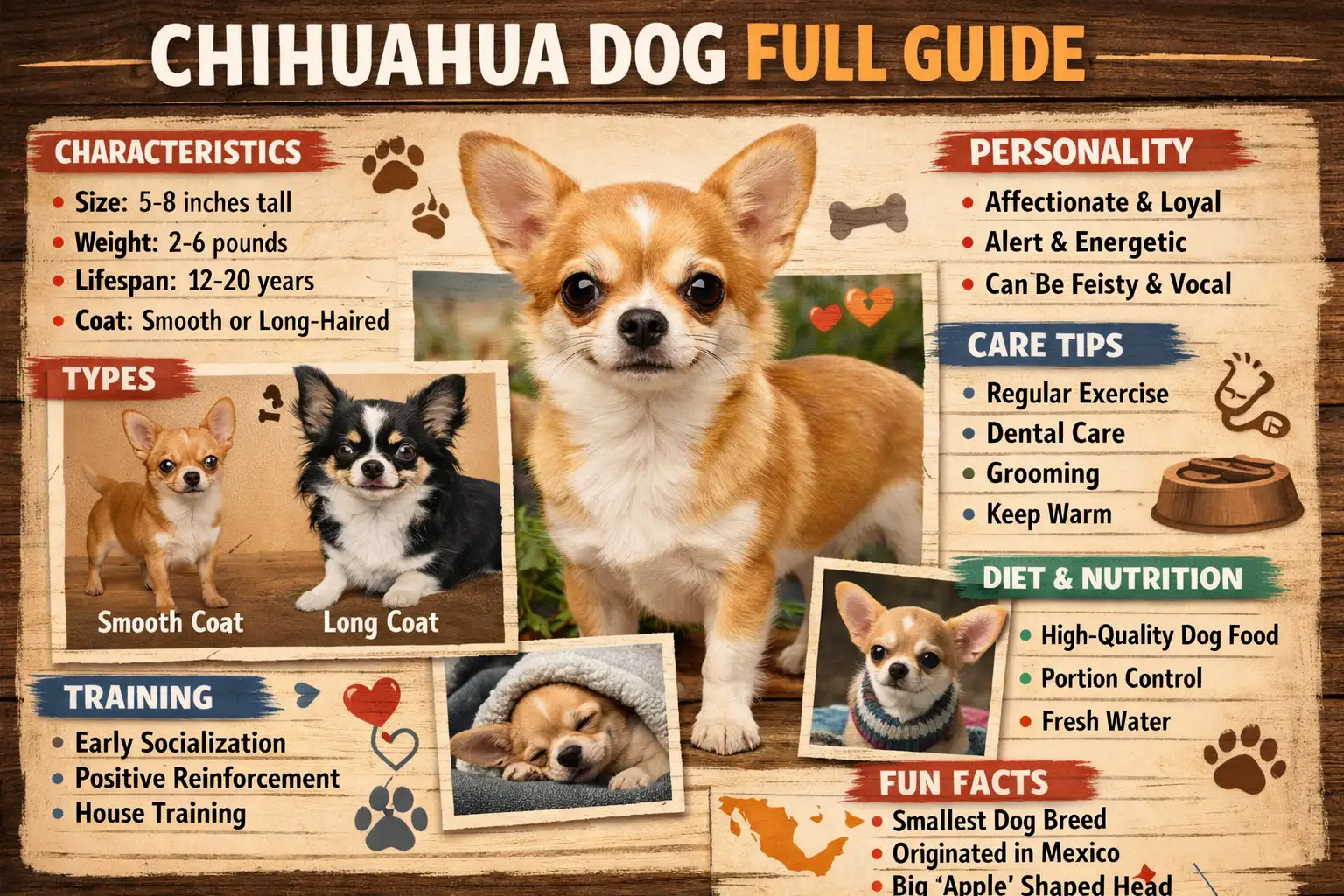
This Chihuahua breed guide explains the dog’s temperament, personality, behavior, size, care needs, health risks, lifespan, ownership fit, and long-term costs. It is designed for anyone deciding whether a Chihuahua is the right dog for their home.
If you already own a Chihuahua and want to understand its life stage better, you can also use our Chihuahua dog age calculator to estimate your dog’s age in human years.
Chihuahua Breed Snapshot
Here is a quick overview of the Chihuahua dog breed before we go deeper into temperament, care, behavior, and ownership needs.
| Trait | Overview |
|---|---|
| Breed Type | Toy / companion dog |
| Average Weight | 2–6 pounds (0.9–2.7 kg) |
| Average Height | 5–8 inches |
| Typical Lifespan | 12–18 years |
| Temperament | Loyal, alert, bold, affectionate, protective |
| Personality | Confident, expressive, attached, sometimes stubborn |
| Energy Level | Moderate |
| Trainability | Moderate; responds best to consistency |
| Shedding | Low to moderate |
| Grooming Needs | Low to moderate depending on coat type |
| Apartment Friendly | Yes |
| Good With Children | Best with calm, gentle children |
| Common Roles | Companion dog, alert dog, emotional support dog |
This breed snapshot explains why Chihuahuas remain popular with apartment owners, seniors, first-time dog owners, and people who want a close companion. Their small size makes them easy to live with, but their strong personality means they still need training, socialization, daily attention, and proper care.
Chihuahua Key Takeaways
- Temperament: Chihuahuas are loyal, alert, confident, affectionate, and often protective of their favorite person.
- Personality: They are bold small dogs with expressive behavior and a strong desire to stay close to their owner.
- Behavior: Barking, fearfulness, stubbornness, and reactivity can happen without training or early socialization.
- Care needs: Chihuahuas need moderate exercise, dental care, gentle handling, and consistent daily routines.
- Best for: Calm homes, apartments, seniors, and owners who want a loyal companion rather than a high-energy working dog.
Chihuahua History, Size, and Physical Appearance
The Chihuahua dog is closely associated with Mexico and is often linked to ancient small companion dogs kept by earlier civilizations. Over time, these small dogs developed into the modern Chihuahua: a tiny companion breed known for loyalty, alertness, and a bold personality.
The breed gets its name from the Mexican state of Chihuahua, where small dogs resembling the modern breed became widely recognized. Chihuahuas later became popular as household companions because they were easy to carry, strongly bonded with people, and naturally alert to their surroundings.
Even though Chihuahuas are small, their size, body shape, coat type, and appearance can vary. Understanding these physical traits also helps explain some common Chihuahua behavior, including sensitivity to cold, fear around rough handling, and defensive reactions around larger dogs.
Chihuahua Size and Weight
| Feature | Typical Range |
|---|---|
| Average Weight | 2–6 pounds |
| Average Height | 5–8 inches |
| Body Type | Small, compact, lightweight |
| Growth Speed | Usually reaches adult size by 9–12 months |
| Size Category | Toy breed / small dog |
Some pet Chihuahuas may be slightly larger than the typical range. Very tiny Chihuahuas are sometimes marketed as “teacup” dogs, but “teacup Chihuahua” is not a separate official breed type. Extremely small size can also increase the risk of injury, low blood sugar, dental problems, and other health concerns.
Recommended Dog Care Products
Based on your dog’s age, these products may help with comfort, health, grooming, and daily care.
Purina Pro Plan Veterinary Supplements
Daily probiotics for dogs to support digestive and gut health.
View on Amazon ↗
Earth Rated Poop Bags for Dogs
Leak-proof, extra thick waste bag refill rolls with lavender scent.
View on Amazon ↗
Greenies Pill Pockets for Dogs
Large dog treats for capsule medication, peanut butter flavor.
View on Amazon ↗
HONEY CARE All-Absorb Dog Wrap
Small male dog wraps, 50 count, useful for daily care support.
View on Amazon ↗
Seresto Flea & Tick Collar
Flea and tick treatment and prevention for dogs over 18 lbs.
View on Amazon ↗
Milk-Bone MaroSnacks
Small dog treats with real bone marrow in a 40 oz canister.
View on Amazon ↗
Vital Essentials Dog Treats
Freeze dried beef liver dog treats, grain free and single ingredient.
View on Amazon ↗
Stain & Odor Eliminator
Enzyme cleaner for pet stains, carpet messes, and strong odors.
View on Amazon ↗
Pur Luv Chicken Jerky Treats
Dog treats made with real chicken breast, high protein and chew-friendly.
View on Amazon ↗
Milk-Bone Flavor Snacks
Mini crunchy dog biscuits in a 36 oz canister for small rewards.
View on Amazon ↗As an Amazon Associate, we may earn from qualifying purchases.
To understand how your Chihuahua’s age compares with human life stages, visit the Chihuahua dog age calculator.
Apple Head vs Deer Head Chihuahua
Chihuahuas are often described by head shape. The two common terms are apple head Chihuahua and deer head Chihuahua. These labels mainly describe appearance, not personality.
| Feature | Apple Head Chihuahua | Deer Head Chihuahua |
|---|---|---|
| Head Shape | Round, dome-shaped head | Longer, more sloped head |
| Muzzle | Shorter muzzle | Longer muzzle |
| Body Build | Compact body | Often leaner with longer legs |
| Common Look | Classic Chihuahua appearance | More deer-like facial profile |
| Personality Difference | No major temperament difference | No major temperament difference |
Both apple head and deer head Chihuahuas can be loyal, alert, affectionate, and protective. A Chihuahua’s temperament depends more on genetics, training, socialization, handling, and daily routine than head shape.
Chihuahua Coat Type and Colors
Chihuahuas come in two main coat types: smooth coat and long coat. Smooth coat Chihuahuas have short hair that lies close to the body. Long coat Chihuahuas have softer, longer hair, often with feathering around the ears, legs, chest, and tail.
Common Chihuahua colors include:
- Fawn
- White
- Black
- Chocolate
- Cream
- Mixed, spotted, or patterned coats
Their large ears, bright eyes, small body, and upright posture give Chihuahuas an alert and confident appearance. This visual confidence often matches their behavior: many Chihuahuas act much bigger than they really are.
Chihuahua Temperament, Personality, and Behavior
The Chihuahua dog is known for having a big personality in a very small body. The typical Chihuahua temperament is loyal, alert, confident, affectionate, and protective. Many Chihuahuas are brave around larger dogs or unfamiliar people, but this should not be confused with natural aggression. In most cases, the breed is reacting from alertness, attachment, fear, or lack of socialization.
Chihuahua temperament is best described as deeply loyal, highly alert, bold, and emotionally attached to its owner. Chihuahuas often form intense bonds with one person and prefer staying close to that person throughout the day. With proper training and socialization, they are usually affectionate companions rather than aggressive pets.
| Temperament Trait | Typical Level | What It Means in Daily Life |
|---|---|---|
| Loyalty | Very high | Forms a strong bond with one main person or household |
| Alertness | High | Quick to react to sounds, strangers, and movement |
| Confidence | High | May act fearless despite its small size |
| Affection | High | Enjoys lap time, closeness, and attention |
| Protectiveness | Moderate to high | May bark or become defensive around unfamiliar people |
| Independence | Moderate | Can be stubborn without consistent training |
| Sensitivity | High | Responds strongly to tone, handling, stress, and routine changes |
Chihuahuas often become “one-person dogs” because they bond intensely with a favorite owner. This can be loving and charming, but it can also create problems if the dog becomes overly dependent, anxious, or protective. Daily structure, calm socialization, and short training sessions help keep this attachment healthy.
Because Chihuahuas are naturally alert, they often bark when they hear noises, see strangers, or feel unsure. This makes them good small alert dogs, but barking can become excessive without boundaries. Early socialization helps a Chihuahua feel safer in new situations and reduces fear-based behavior.
Recommended Dog Care Products
Based on your dog’s age, these products may help with comfort, health, grooming, and daily care.
Purina Pro Plan Veterinary Supplements
Daily probiotics for dogs to support digestive and gut health.
View on Amazon ↗
Earth Rated Poop Bags for Dogs
Leak-proof, extra thick waste bag refill rolls with lavender scent.
View on Amazon ↗
Greenies Pill Pockets for Dogs
Large dog treats for capsule medication, peanut butter flavor.
View on Amazon ↗
HONEY CARE All-Absorb Dog Wrap
Small male dog wraps, 50 count, useful for daily care support.
View on Amazon ↗
Seresto Flea & Tick Collar
Flea and tick treatment and prevention for dogs over 18 lbs.
View on Amazon ↗
Milk-Bone MaroSnacks
Small dog treats with real bone marrow in a 40 oz canister.
View on Amazon ↗
Vital Essentials Dog Treats
Freeze dried beef liver dog treats, grain free and single ingredient.
View on Amazon ↗
Stain & Odor Eliminator
Enzyme cleaner for pet stains, carpet messes, and strong odors.
View on Amazon ↗
Pur Luv Chicken Jerky Treats
Dog treats made with real chicken breast, high protein and chew-friendly.
View on Amazon ↗
Milk-Bone Flavor Snacks
Mini crunchy dog biscuits in a 36 oz canister for small rewards.
View on Amazon ↗As an Amazon Associate, we may earn from qualifying purchases.
Behavior with Family, Strangers, Children, and Other Pets
Chihuahua behavior changes depending on the situation. With family members, Chihuahuas are usually affectionate, playful, and strongly attached. They often enjoy lap time, gentle play, and staying close to their favorite person. With strangers, they may be cautious, vocal, nervous, or slow to warm up because they are naturally alert and protective.
This does not mean Chihuahuas are bad family dogs. It means they need calm handling, early socialization, and predictable routines. When a Chihuahua feels safe, it is more likely to show its loyal and affectionate side instead of defensive barking or fear-based behavior.
Chihuahua Behavior in Different Situations
| Situation | Typical Chihuahua Behavior | Owner Tip |
|---|---|---|
| With family | Loving, loyal, playful, attached | Give attention without encouraging clingy behavior |
| With strangers | Cautious, alert, may bark or hide | Use calm introductions and positive rewards |
| With children | Better with calm, older children | Supervise handling because Chihuahuas are fragile |
| With other dogs | Confident, may challenge larger dogs | Socialize early and avoid unsafe size mismatches |
| With cats | Usually manageable if introduced properly | Use slow introductions and separate spaces at first |
| When left alone | May become anxious or bark | Build independence with short, positive alone-time practice |
Chihuahuas can do well with children, but they are usually better suited to homes with calm, older kids. Their small body makes them easy to injure if they are grabbed, dropped, chased, or handled roughly. Teaching children to respect the dog’s space is just as important as training the dog.
Common Chihuahua Behavior Problems
Common Chihuahua behavior problems include barking, fearfulness, possessiveness, potty training struggles, separation anxiety, and defensive reactions around strangers or larger dogs. These issues are usually not caused by “bad temperament.” They often happen when a Chihuahua is under-socialized, overprotected, spoiled, or allowed to make its own rules.
- Excessive barking: Often caused by alertness, boredom, fear, or lack of boundaries.
- Fear around strangers: Usually improves with calm exposure and positive introductions.
- Possessiveness: Can happen when a Chihuahua becomes too attached to one person.
- Potty training issues: Small bladder size, cold weather, and inconsistent routines can make training harder.
- Reactivity toward bigger dogs: Many Chihuahuas act bold because they feel vulnerable or defensive.
The best way to prevent Chihuahua behavior problems is to treat the dog like a real dog, not a toy. Clear rules, gentle training, daily routines, and early socialization make the biggest difference.
Are Chihuahuas Aggressive or Just Protective?
Chihuahuas are not naturally aggressive, but they can become defensive when they feel threatened, overwhelmed, or poorly handled. Their small size makes them more sensitive to loud noises, rough touch, strangers, and large dogs. This can make them bark, growl, hide, or snap if they feel unsafe.
In most cases, a Chihuahua is being protective, fearful, or overstimulated rather than truly aggressive. With early socialization, calm handling, and consistent boundaries, most Chihuahuas are affectionate and loyal companions.
Do Chihuahuas Bark a Lot?
Yes, Chihuahuas can bark a lot because they are naturally alert watchdogs. They quickly react to unfamiliar sounds, strangers, visitors, other dogs, and movement around the home. Barking becomes a problem when the dog does not have enough training, mental stimulation, confidence, or clear household rules.
Structured training can reduce unnecessary barking. Teach quiet behavior early, reward calm reactions, avoid yelling, and give your Chihuahua enough activity so barking does not become its main outlet.
Chihuahua Care, Training Challenges, and Health
Caring for a Chihuahua is not difficult, but it does require consistency. Because they are tiny, some owners assume Chihuahuas need very little structure. In reality, they need daily exercise, mental stimulation, training, grooming, dental care, and regular health checks to stay happy and well-behaved.
Recommended Dog Care Products
Based on your dog’s age, these products may help with comfort, health, grooming, and daily care.
Purina Pro Plan Veterinary Supplements
Daily probiotics for dogs to support digestive and gut health.
View on Amazon ↗
Earth Rated Poop Bags for Dogs
Leak-proof, extra thick waste bag refill rolls with lavender scent.
View on Amazon ↗
Greenies Pill Pockets for Dogs
Large dog treats for capsule medication, peanut butter flavor.
View on Amazon ↗
HONEY CARE All-Absorb Dog Wrap
Small male dog wraps, 50 count, useful for daily care support.
View on Amazon ↗
Seresto Flea & Tick Collar
Flea and tick treatment and prevention for dogs over 18 lbs.
View on Amazon ↗
Milk-Bone MaroSnacks
Small dog treats with real bone marrow in a 40 oz canister.
View on Amazon ↗
Vital Essentials Dog Treats
Freeze dried beef liver dog treats, grain free and single ingredient.
View on Amazon ↗
Stain & Odor Eliminator
Enzyme cleaner for pet stains, carpet messes, and strong odors.
View on Amazon ↗
Pur Luv Chicken Jerky Treats
Dog treats made with real chicken breast, high protein and chew-friendly.
View on Amazon ↗
Milk-Bone Flavor Snacks
Mini crunchy dog biscuits in a 36 oz canister for small rewards.
View on Amazon ↗As an Amazon Associate, we may earn from qualifying purchases.
Daily Exercise and Mental Care
Chihuahuas do not need long walks, but they do need daily movement and play. Short walks, indoor games, puzzle toys, and short training sessions are usually enough. Mental activity is especially important because a bored Chihuahua may bark, become clingy, or act destructive.
Food quality also affects energy, behavior, weight, and long-term health. For meal routines and portion guidance, read our Chihuahua nutrition and feeding guide.
| Care Area | What a Chihuahua Needs |
|---|---|
| Daily exercise | About 20–30 minutes of light activity |
| Best activities | Short walks, indoor play, gentle games |
| Mental stimulation | Toys, training, puzzles, sniffing games |
| Space needs | Small homes and apartments are usually fine |
| Routine | Consistent feeding, potty, sleep, and training schedule |
Chihuahua Training Challenges
Chihuahuas are intelligent, but they can be stubborn and sensitive. Training works best when it is calm, positive, and consistent. Harsh correction can make a Chihuahua fearful or defensive, while inconsistent rules can make barking, possessiveness, and potty issues worse.
Common Chihuahua training challenges include:
- Potty training, especially in cold or wet weather
- Barking at noises, strangers, or other dogs
- Ignoring commands when distracted
- Becoming possessive of one person
- Fear-based reactions when handled too roughly
Short sessions with praise, food rewards, and repetition work best. For potty training, barking control, obedience, and confidence-building routines, use our Chihuahua dog training guide.
Grooming and Basic Care
Chihuahuas are usually low-maintenance dogs, but grooming still matters. Smooth coat Chihuahuas need occasional brushing, while long coat Chihuahuas need brushing several times a week to prevent tangles. Nail trimming, ear checks, and dental care should be part of the normal routine.
Dental care is especially important for Chihuahuas because small breeds are more prone to tooth and gum problems. For coat-specific routines, brushing frequency, bathing, nail care, and ear cleaning, read our Chihuahua grooming guide.
Basic Chihuahua care needs include:
- Nail trimming every few weeks
- Teeth brushing several times a week
- Ear checks to prevent irritation or infection
- Warm bedding or clothing in cold weather
- Gentle handling to prevent injury
Chihuahua Health and Lifespan
Chihuahuas are known for their long lifespan. Many live well into their teens when they receive good care, proper nutrition, dental attention, safe handling, and routine vet support. Their long life expectancy is one reason many owners want to understand how Chihuahua age compares with human age.
To estimate your dog’s life stage, use the Chihuahua dog age calculator. For a simple year-by-year reference, you can also visit our Chihuahua age chart.
| Common Health Issue | What to Know |
|---|---|
| Dental disease | Common in small dogs; regular dental care matters |
| Patellar luxation | Knee issue that may cause limping or skipping steps |
| Tracheal sensitivity | Neck pressure can worsen coughing or breathing issues |
| Hypoglycemia | Low blood sugar risk, especially in tiny puppies |
| Heart problems | More common as some Chihuahuas age |
| Cold sensitivity | Small body size makes them lose heat quickly |
Regular vet checkups, a healthy diet, dental care, safe handling, and age-appropriate routines help reduce many risks. Because Chihuahuas often live a long time, planning for senior care is important.
Is a Chihuahua Right for You? Suitability, Costs, and Similar Breeds
Before choosing a Chihuahua, it is important to understand whether this breed fits your lifestyle. Chihuahuas are loyal, affectionate, and portable, but they are not the right match for every home. Their tiny size, bold temperament, long lifespan, and strong attachment style mean they need patient owners who understand small dog behavior.
Suitability for Different Homes
Chihuahuas usually do very well in apartments, small homes, and calm households. They do not need a large yard, but they do need attention, daily routines, training, and gentle handling. They are often best for owners who want a close companion dog rather than an independent outdoor breed.
| Lifestyle Type | Is a Chihuahua a Good Fit? | Why |
|---|---|---|
| Apartment living | Yes | Small size and moderate exercise needs fit small spaces |
| Families with young kids | Sometimes | Needs close supervision because the dog is fragile |
| Seniors | Yes | Often a strong fit for calm homes and close companionship |
| First-time owners | Yes, with learning | Training, socialization, and dental care must be taken seriously |
| Very active households | Moderate fit | Chihuahuas enjoy activity but are not endurance dogs |
| Multi-pet homes | Possible | Works best with careful introductions and safe size matching |
Chihuahuas are often a strong match for seniors, apartment owners, and people who want a loyal companion. They are less ideal for homes where children may handle them roughly or where the dog will be left alone for long periods without training or support.
Cost of Owning a Chihuahua
Chihuahuas are small, but they are not cost-free dogs. Puppy price, vet care, dental care, food, grooming supplies, training, and long-term senior care can all add up over time. The biggest long-term expenses are often dental care and routine veterinary support.
Chihuahua puppy price can vary depending on breeder quality, location, health testing, pedigree, and demand. However, this page should only give a brief cost overview because detailed pricing belongs in the dedicated cost guide.
| Cost Area | Typical Expectation |
|---|---|
| Puppy price | Varies widely by breeder, location, and health testing |
| Food costs | Usually lower than large breeds |
| Grooming costs | Low to moderate depending on coat type |
| Vet care | Ongoing routine care is important |
| Dental care | Often one of the most important long-term costs |
| Senior care | Important because Chihuahuas often live into their teens |
For a deeper breakdown of puppy price, monthly costs, vet care, supplies, dental expenses, and lifetime budgeting, read the Chihuahua cost of ownership guide.
Pros and Cons of Chihuahua Ownership
| Pros | Cons |
|---|---|
| Very loyal and affectionate | Can bark frequently without training |
| Long lifespan | Dental care can become costly |
| Great for apartments | Can be sensitive to cold |
| Low to moderate grooming needs | Can become stubborn or possessive |
| Strong companion dog | May struggle if left alone too often |
Similar Breeds to Consider
If you like the Chihuahua temperament but are not fully sure this breed is right for you, there are other small companion breeds with similar traits. Some are more playful, some are more independent, and some need more grooming.
| Breed | Key Difference |
|---|---|
| Pomeranian | Fluffier, more grooming, lively personality |
| Miniature Pinscher | More energetic, bold, and athletic |
| Toy Fox Terrier | Sportier, less clingy, more active |
| Russian Toy | Similar size, often delicate and companion-focused |
The right breed depends on your lifestyle, handling style, patience, activity level, and how much time you can give to training and companionship.
Chihuahua Resource Hub
Use these Chihuahua guides and tools to understand your dog’s age, care needs, training, grooming, feeding, and ownership costs.
- Chihuahua dog age calculator
- Chihuahua age chart
- Chihuahua dog training guide
- Chihuahua grooming guide
- Chihuahua nutrition and feeding guide
- Chihuahua cost of ownership guide
Chihuahua FAQ
Are Chihuahuas aggressive?
Chihuahuas are not naturally aggressive, but they can act defensive when they feel scared, overwhelmed, or poorly handled. Most aggression-like behavior comes from fear, poor socialization, lack of training boundaries, or feeling unsafe around strangers and larger dogs.
Do Chihuahuas bark a lot?
Yes, Chihuahuas often bark a lot because they are alert, protective, and quick to react. Excessive barking usually improves with training, calm exposure, mental stimulation, and consistent household rules.
What is the Chihuahua personality like?
The Chihuahua personality is bold, loyal, alert, affectionate, and expressive. Many Chihuahuas bond strongly with one person and like to stay close to their owner throughout the day.
What are common Chihuahua behavior problems?
Common Chihuahua behavior problems include barking, fearfulness, possessiveness, potty training struggles, separation anxiety, and defensive reactions around strangers or larger dogs. Consistent training and socialization help reduce these issues.
Are Chihuahuas good with kids?
Chihuahuas can be good with children, but they are usually better with calm, older kids who understand gentle handling. Because Chihuahuas are small and fragile, close supervision is important with young children.
Are Chihuahuas high maintenance?
Chihuahuas are low-maintenance for grooming and exercise, but they still need daily attention, training, dental care, socialization, and routine vet care. Their emotional attachment and barking habits can make them feel higher maintenance without structure.
How long do Chihuahuas live?
Chihuahuas commonly live into their teens, especially with good nutrition, dental care, safe handling, and regular vet checkups. You can estimate your dog’s life stage with the Chihuahua dog age calculator.

Ata Ur Rehman is the founder of Pet Age in Human Years Calculator, an educational platform that provides age conversion charts and lifespan guides for dogs, cats, birds, and other companion animals. His work focuses on helping pet owners understand how animal ages translate into human years using commonly accepted age conversion formulas and published lifespan averages.
The website compiles breed and species lifespan data from kennel clubs, breed organizations, and general animal lifespan studies to present simple and easy-to-understand guides for pet owners worldwide.
This website was created to centralize animal age conversion charts into one easy reference platform for pet owners.