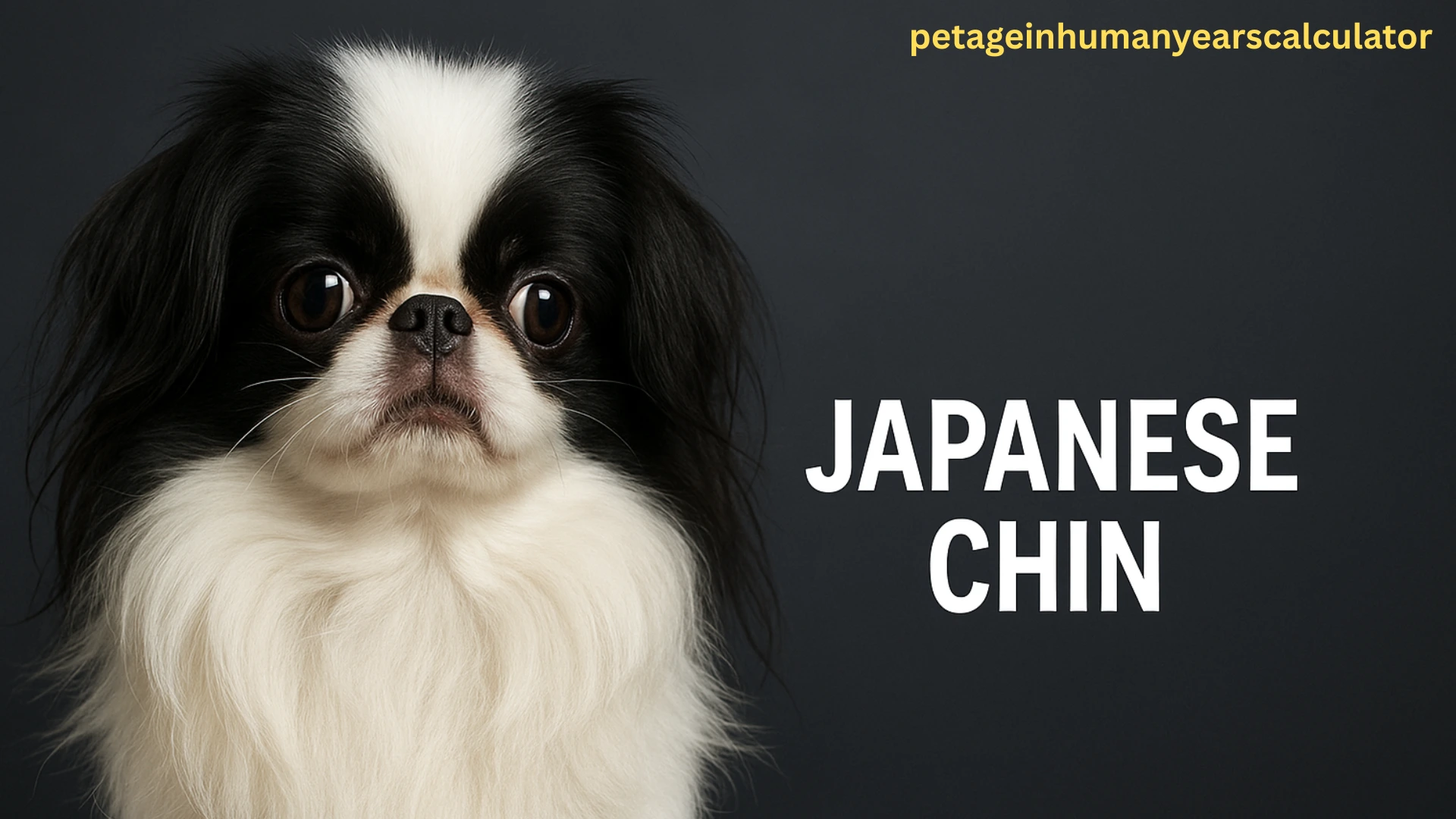
The Japanese Chin is a tiny, elegant companion dog with a personality far bigger than its size. Known for their expressive eyes, silky coat, and graceful charm, these dogs have been cherished for centuries as affectionate lapdogs for royalty and noble families. What makes them truly special is their cat-like nature — from their quiet independence to their habit of perching on high places and grooming themselves with their paws.
Despite their aristocratic appearance, Japanese Chins are playful, intelligent, and deeply loyal to their families. They thrive in apartments, enjoy gentle play, and love curling up beside their favorite person. Their gentle temperament and easygoing lifestyle make them one of the most delightful small dog breeds to live with.
Whether you’re curious about their history, appearance, care needs, or how they compare with similar toy breeds, this guide covers everything you need to know to understand and care for the charming Japanese Chin.
Japanese Chin Dog – History & Origin
The Japanese Chin has a long and fascinating history that blends Asian royalty, ancient trade routes, and centuries of refinement. Despite its name, the breed did not originally come from Japan. Most historians agree that the Japanese Chin began in ancient China, where small, flat-faced dogs were treasured by emperors and noble families. These early dogs were valued not for work or guarding, but purely as luxurious lap companions — a role that shaped the breed’s gentle and affectionate temperament.
Journey to Japan
The breed likely reached Japan as a gift from Chinese or Korean rulers to Japanese aristocrats around the 6th to 8th century. From there, Japanese nobles selectively bred them, emphasizing the features we recognize today:
- Silky coat
- Wide-set, expressive eyes
- Cat-like grace
- Delicate, refined frame
The Japanese viewed the Chin as a royal treasure, often keeping them in palaces and gifting them only to highly esteemed individuals. They were not seen as mere “dogs” — instead, they were considered sacred companions.
Arrival in the West
The Japanese Chin made its way to Europe in the 17th and 18th centuries, like the Cavalier King Charles Spaniel, the Chin gained early popularity among European royalty. One famous moment in history was when Commodore Matthew Perry presented several Japanese Chins to Queen Victoria in 1853, helping the breed gain popularity among European nobility.
Modern Popularity
Today, the Japanese Chin remains a beloved toy breed known for its elegance, charm, and unique cat-like behavior. Another fine-boned historical companion breed is the Papillon, which also gained early popularity among European elites. Though still relatively rare compared to breeds like the Shih Tzu, Pekingese, or Chihuahua, the Chin has a devoted global fanbase.
Appearance & Physical Traits
The Japanese Chin is a delicate, refined toy breed known for its soft expression, silky coat, and graceful movement. Their appearance reflects centuries of selective breeding by Asian nobility, resulting in a dog that looks both elegant and charming.
Size
Japanese Chins are small and lightweight, typically weighing 4 to 11 pounds and standing 8 to 11 inches tall at the shoulder. Their compact size makes them ideal for apartments, small homes, and indoor living.
Head & Facial Features
One of the most recognizable things about a Japanese Chin is its expressive face.
You’ll notice:
- A broad, rounded head
- A short, slightly upturned muzzle
- A well-defined stop
- Large, wide-set eyes that give a soft, astonished look
The distinct eye placement is part of their signature charm and contributes to their gentle, alert expression.
Coat Type & Colors
The Japanese Chin has a long, silky, and straight coat that feels soft to the touch.
Key coat traits include:
- A thick mane around the neck
- Feathering on the ears
- “Culottes” (fluffy hair) on the hind legs
- A full, plumed tail carried over the back
Common coat colors include:
- Black and white
- Red and white (shades may range from sable to lemon or orange)
- Black and white with tan points
Their coat gives them a luxurious appearance without requiring heavy grooming.
Body Structure & Movement
Even though they are tiny, Japanese Chins have a balanced, compact body.
They are known for:
- A straight back
- A refined bone structure
- Feathered legs
- A tail that arches gracefully over the back
Their movement is one of their most charming traits — light, elegant, and sometimes described as “floating.”
Distinctive Traits
Several features make the Japanese Chin instantly recognizable:
- Feathered, plumed tail
- Cat-like gait and posture
- Wide-set, expressive eyes
- A soft, silky coat with no harsh texture
Combined, these traits give the Japanese Chin its unmistakable blend of elegance and cuteness.
Temperament & Personality
The Japanese Chin is a gentle, affectionate, and intelligent companion with a uniquely charming personality. Their behavior often surprises new owners because it blends dog-like loyalty with cat-like independence and grace. This unusual mix makes the breed both entertaining and easy to live with.
General Nature
The Japanese Chin is naturally calm, friendly, and sensitive. They thrive on human companionship and enjoy being close to their family members. While they love attention, they are also polite and unobtrusive, making them well-suited for quiet homes.
Interaction With Family
Japanese Chins form deep emotional bonds with their owners. They enjoy cuddles, sitting on laps, and quietly observing household activities. They adapt well to families, singles, and seniors as long as they receive gentle handling and affection.
Cat-Like Behaviors
One of the most distinctive traits of the breed is its cat-like mannerisms. Many Chins:
- Groom themselves with their paws
- Climb onto high surfaces
- Enjoy perching on sofas or window ledges
- Move with a light, graceful step
- Show bursts of playful but gentle energy
This gives them a uniquely refined and sometimes mischievous charm.
Behavior With Strangers
Around new people, Japanese Chins tend to be reserved rather than outgoing. They are not aggressive but prefer to observe from a safe distance until they feel comfortable. Once they warm up, they become friendly and affectionate.
Intelligence & Trainability
The Japanese Chin is a smart breed with a strong independent streak. They understand routines well and can learn tricks quickly, but they enjoy doing things on their own terms. Their training success increases with:
- Gentle methods
- Positive reinforcement
- Short, engaging sessions
Their sensitivity means they respond poorly to harsh tones or corrections.
Living With Japanese Chin
Living with a Japanese Chin is a calm, enjoyable experience. This breed adapts beautifully to indoor lifestyles and prefers comfort, routine, and gentle companionship. Their small size and quiet nature make them excellent apartment dogs, but they are equally content in larger homes as long as they stay close to their family.
Apartment Living
Japanese Chins are ideal for apartment or condo living. They do not require a yard, and their exercise needs are minimal. They enjoy short walks, indoor play sessions, and plenty of lounging time. Because they are naturally quiet, they rarely disturb neighbors.
Sensitivity & Emotional Needs
This breed is emotionally tuned into its owners. They can sense mood changes and respond with affection or calm presence.
However, their high sensitivity means:
- Loud environments may stress them
- Harsh training methods can hurt their confidence
- Sudden changes in routine may make them anxious
They thrive best in peaceful, stable households.
Separation Anxiety
Japanese Chins are deeply attached to their families and prefer not to be left alone for long hours. Extended isolation can lead to:
- Stress
- Vocalization
- Destructive chewing
- Clinginess when the owner returns
They are best suited for people who work from home or can provide companionship throughout the day.
Behavior Indoors
Indoors, the Japanese Chin is calm, polite, and well-mannered. They enjoy:
- Following their owners from room to room
- Perching on furniture
- Observing activities quietly
- Short bursts of playful energy
They are not hyperactive and do not engage in rough or chaotic behavior. Their indoor manners are one of the reasons they are often compared to gentle cats.
Suitability for Families & Other Pets
The Japanese Chin is a loving and gentle companion that fits well into many types of households. Their calm nature and affectionate personality make them excellent indoor pets, but they do require gentle handling and a peaceful environment.
Children
Japanese Chins can be wonderful companions for families with older, respectful children. They enjoy gentle play and affection, but due to their small size and delicate frame, they are not suitable for homes with very young or rough children. Accidental drops or rough handling can easily injure them.
For families with calm and patient kids, a Japanese Chin becomes a sweet, loyal friend.
Other Dogs
This breed usually gets along very well with other friendly, small dogs. They adapt easily to multi-dog households as long as the other pets are not overly dominant or energetic.
Larger, rambunctious dogs may accidentally injure a Chin, so supervision is recommended during playtime.
Cats & Small Animals
Because of their cat-like nature, Japanese Chins often coexist peacefully with cats. They may even mirror feline behavior by perching on furniture or grooming themselves.
With small animals like hamsters or rabbits, caution is advised. While Chins are not hunters, their curiosity can sometimes stress smaller pets. Proper supervision and separation are important.
Training Japanese Chin
Training a Japanese Chin is a rewarding experience, but it requires patience, consistency, and a gentle approach. These dogs are intelligent and observant, yet they also have an independent, cat-like streak that means they prefer to learn at their own pace.
Basic Training
Japanese Chins respond well to positive reinforcement.
They enjoy:
- Treat-based rewards
- Gentle praise
- Short, fun training sessions
Harsh corrections or loud voices can discourage them, so a calm, encouraging tone works best. Teaching basic commands like sit, stay, and come is usually straightforward when the training is engaging and consistent.
Socialization
Early socialization helps the Japanese Chin grow into a confident companion.
It is beneficial to expose them to:
- Friendly people
- Calm dogs
- Different indoor environments
- Common household noises
Since they can be reserved with strangers, slow and controlled introductions help prevent shyness.
Housebreaking
Housebreaking may take a little time due to the breed’s independent nature.
Success improves when owners use:
- A predictable schedule
- Frequent outdoor breaks
- Crate training
- Positive reinforcement
Patience is essential, especially during the first few months.
Training Challenges
The Japanese Chin is smart but easily bored. Their independent personality can make them seem stubborn at times.
Common challenges include:
- Ignoring commands when uninterested
- Getting distracted by sounds or movement
- Refusing repetitive drills
Training stays effective when sessions are short, varied, and reward-based. With the right approach, the Japanese Chin becomes a well-mannered, responsive companion.
Japanese Chin Dog – Exercise Needs
The Japanese Chin is a low-energy breed that enjoys gentle activity rather than intense exercise. Their small size and calm temperament make them easy to accommodate, even in small living spaces. Regular movement keeps them healthy, but they do not require long walks or vigorous play.
Daily Activity Levels
A Japanese Chin typically needs around 20 to 30 minutes of light activity per day. This can be divided into:
- Short, relaxed walks
- Indoor play sessions
- Gentle fetch or toy interaction
Their exercise requirements are modest, making them ideal for people who prefer a quieter lifestyle.
Mental Stimulation
Because they are intelligent and curious, mental engagement is just as important as physical activity.
They enjoy:
- Puzzle toys
- Interactive games
- Learning new tricks
- Exploring safe indoor spaces
Providing a variety of small activities throughout the day keeps them mentally satisfied.
Playtime Suggestions
The Japanese Chin enjoys playful moments but prefers soft and gentle games. Appropriate activities include:
- Rolling a lightweight ball
- Playing with plush toys
- Slow indoor chase games
- Climbing onto safe furniture or perches
Avoid rough or high-impact games, as their delicate frame and short muzzle make them more vulnerable to injury and overheating.
Grooming & Coat Care
The Japanese Chin has a long, silky coat that looks luxurious but is surprisingly manageable with regular care. Their grooming routine keeps them comfortable, clean, and free from tangles, while also reducing the risk of skin or coat problems.
Brushing
A weekly brushing routine is usually enough to maintain the Japanese Chin’s coat.
Brushing helps to:
- Remove loose hair
- Prevent tangles
- Distribute natural oils
- Keep the coat shiny and smooth
Using a soft brush or a pin brush works best for their fine, silky texture.
Bathing
The Japanese Chin does not require frequent baths.
A bath every three to four weeks is typically sufficient unless they get dirty.
Gentle shampoo designed for long-haired or sensitive breeds helps maintain coat health without stripping natural moisture.
Nail, Ear & Eye Care
Their overall grooming routine should also include regular care beyond the coat.
Nails:
Trim every two to three weeks to prevent discomfort and posture issues.
Ears:
Check weekly for wax buildup or signs of irritation. Clean with a vet-approved solution when necessary.
Eyes:
Because of their large, expressive eyes, the Japanese Chin is more prone to tear staining and debris.
Wipe gently with a soft, damp cloth to keep the eye area clean.
Seasonal Shedding
Japanese Chins are moderate shedders. Shedding increases slightly during seasonal changes, such as spring or fall.
More frequent brushing during these times helps reduce loose hair around the home and keeps the coat smooth.
Grooming Tips for Owners
To maintain the best coat condition:
- Keep the feathered hair on the legs and tail untangled
- Avoid shaving the coat, as it protects their skin
- Use a detangling spray for stubborn knots
- Check the paws for debris after outdoor walks
With simple, consistent care, the Japanese Chin’s coat stays beautiful and easy to manage.
Health & Common Conditions
The Japanese Chin is generally a healthy breed, but like all dogs, they can be prone to certain genetic and structural conditions. Knowing the common health issues helps owners provide better care, early prevention, and timely treatment when needed.
Breathing Issues (Brachycephalic)
Because the Japanese Chin has a short muzzle, they are classified as a brachycephalic breed.
This means they may experience:
- Snorting or wheezing
- Heat sensitivity
- Difficulty breathing during vigorous activity
They should avoid hot, humid weather, and exercise should stay gentle and controlled. Always ensure they have access to cool, shaded areas in summer.
Eye Problems
Their large, prominent eyes give them their iconic expression but also make them more vulnerable to:
- Cataracts
- Corneal scratches
- Dry eye
- Entropion (eyelid rolling inward)
Regular cleaning and routine vet checkups help catch eye issues early.
Dental Issues
Small breeds often struggle with dental crowding, and the Japanese Chin is no exception.
Common concerns include:
- Early tartar buildup
- Gum disease
- Tooth loss
Daily brushing or dental chews can significantly improve oral health.
Joint & Heart Conditions
A few structural and genetic issues may appear in the breed, such as:
- Luxating patella (slipping kneecap)
- Heart murmurs
- Mitral valve disease
Early detection through routine vet visits is essential, especially as the dog ages.
Recommended Health Tests
Responsible breeders and owners should ensure the following evaluations:
- Patella examination
- Cardiac exam
- Eye exam by a veterinary ophthalmologist
These tests help identify issues early and support long-term health.
How to Keep Them Healthy
Japanese Chins live long, happy lives when given:
- A balanced diet
- Regular vet checkups
- Proper dental care
- Weight control
- Safe, moderate exercise
- Protection from extreme heat
Their average lifespan is around 10 to 14 years, with many living longer when well cared for.
Outbound Reference Link
For more health details and breed information, you can visit the American Kennel Club:
https://www.akc.org/dog-breeds/japanese-chin/
Feeding & Nutrition
A proper diet is essential for keeping a Japanese Chin healthy, energetic, and at a comfortable weight. Because they are a small breed with a delicate frame, their nutritional needs must be managed carefully with high-quality ingredients and appropriate portion sizes.
Daily Food Requirements
Japanese Chins generally eat between ¼ to 1 cup of high-quality small-breed dog food per day, depending on:
- Age
- Activity level
- Weight
- Metabolism
It’s best to divide their meals into two servings to support digestion and maintain steady energy levels.
Puppy vs Adult vs Senior Diet
Each life stage has unique nutritional needs.
Puppies:
Require calorie-dense food rich in protein and DHA to support growth and brain development.
Adult Dogs:
Benefit from balanced nutrients that maintain muscle, coat quality, and overall health without causing weight gain.
Senior Dogs:
Often need diets lower in calories but higher in joint-support supplements like glucosamine, omega-3 fatty acids, and antioxidants.
Weight Management
Japanese Chins can gain weight easily if overfed or given too many treats. Extra weight can strain their joints and worsen breathing or heart conditions.
To maintain a healthy weight:
- Stick to measured portions
- Limit high-calorie snacks
- Provide gentle daily exercise
- Avoid feeding table scraps
Monitoring weight regularly helps prevent obesity-related health issues.
Foods to Avoid
Some foods can be harmful or dangerous for the Japanese Chin.
Avoid giving:
- Chocolate
- Grapes and raisins
- Onions and garlic
- Xylitol-sweetened products
- Cooked bones
- Excessively salty or fatty foods
A safe, balanced diet supports longevity and keeps their delicate system functioning well.
Cost of Ownership
Owning a Japanese Chin is generally affordable compared to larger or high-maintenance breeds, but it’s important to understand the long-term financial responsibilities. Their delicate size, grooming needs, and potential health issues contribute to overall costs throughout their life.
Monthly Expenses
The average monthly cost of owning a Japanese Chin typically ranges from moderate to low, depending on lifestyle and care choices.
Common monthly expenses include:
- High-quality dog food
- Occasional grooming supplies
- Treats and dental chews
- Flea/tick prevention
- Basic pet insurance (optional but recommended)
On average, owners may expect to spend between $40 and $80 per month.
Annual Expenses
Yearly costs account for routine health and general care needs.
These often include:
- Annual vet checkup
- Vaccinations
- Heartworm prevention
- Replacement of leashes, bowls, or toys
For most owners, annual expenses fall between $500 and $900.
First-Year Costs
The first year of ownership is usually the most expensive due to initial setup and puppy care.
Typical first-year costs may include:
- Purchase or adoption fee
- Spay/neuter surgery
- Initial vaccines
- Microchipping
- Crate, bed, toys, and grooming tools
This places the first-year total around $1,200 to $2,500, depending on breeder pricing and local vet fees.
Grooming, Vet & Supplies Cost
While the Japanese Chin’s coat is not high-maintenance, supplies and grooming accessories can add up. Additional expenses may include:
- Professional grooming (optional for occasional trimming or hygiene)
- Nail trimming tools
- Eye-cleaning supplies
- Dental care products
- Emergency vet visits or medications
Owners who opt for regular professional grooming may spend an additional $200 to $400 annually.
Pros & Cons
Every breed has strengths and challenges, and understanding both sides helps future owners make an informed decision. The Japanese Chin is a delightful companion, but their delicate nature and specific needs should be considered before bringing one home.
Pros and Cons Table
| Pros | Cons |
|---|---|
| Gentle, affectionate, and loyal | Not suitable for rough handling or very young children |
| Ideal for apartment living | Can develop separation anxiety |
| Low exercise needs | Sensitive to heat due to short muzzle |
| Quiet and well-mannered indoors | Prone to dental and eye issues |
| Cat-like grace and charming personality | May be reserved with strangers |
| Minimal grooming demands compared to other long-coated breeds | Requires gentle, positive training methods |
Choosing a Healthy Japanese Chin Puppy
Selecting a healthy Japanese Chin puppy is an important step toward ensuring a long, joyful companionship. Responsible breeders prioritize health, temperament, and proper socialization, which greatly influences the puppy’s future well-being.
Questions to Ask Breeders
A reputable breeder should be transparent and knowledgeable. Helpful questions include:
- What health tests have the parents undergone?
- Can I meet the puppy’s parents?
- How old are the puppies when they go home?
- What vaccinations and deworming have been completed?
- How have the puppies been socialized so far?
- Do you offer a health guarantee or contract?
Clear, honest answers indicate a breeder who prioritizes the breed’s welfare.
Red Flags
Certain signs suggest that a breeder or seller may not be responsible. Be cautious if you notice:
- Reluctance to show the parents
- No health testing or medical records
- Puppies younger than 8 weeks old being offered
- Multiple litters available at the same time
- Lack of clean living conditions
- Pressure to make quick decisions
Avoiding these red flags helps prevent future health or behavioral problems.
Adoption Tips
Adopting a Japanese Chin can be a wonderful alternative to buying from a breeder.
When adopting:
- Ask about the dog’s health history
- Learn about their temperament and behavior
- Confirm they are spayed or neutered
- Request any available records or past vet information
Rescue organizations often provide support and guidance to ensure a good match. Many adult Chins adapt quickly and make loving, grateful companions.
Japanese Chin Mixed Breeds
Japanese Chin mixed breeds combine the elegance and charm of the Chin with the characteristics of another breed. These hybrids often inherit the Chin’s affectionate nature, graceful movement, and cat-like behaviors, making them delightful companions for a wide range of families.
Common Japanese Chin Mixes
Some popular Japanese Chin mixes include:
- Japanese Chin x Pekingese
- Japanese Chin x Shih Tzu
- Japanese Chin x Papillon
- Japanese Chin x Chihuahua
- Japanese Chin x Cavalier King Charles Spaniel
Each mix varies in appearance, size, and temperament depending on the influence of the other parent breed.
Traits They Usually Inherit
While every mixed dog is unique, many Japanese Chin mixes share common characteristics such as:
- A small, fine-boned frame
- Soft, expressive eyes
- Gentle and affectionate personality
- Light shedding with a silky or semi-silky coat
- Playful but calm indoor behavior
- Cat-like movements and grooming habits
Their exercise and grooming needs are usually moderate, making them well-suited for apartment living. As with all mixed breeds, early socialization and consistent training help them grow into balanced, confident dogs.
Price Guide
The cost of a Japanese Chin can vary widely depending on factors such as lineage, breeder reputation, and regional demand. Understanding these price ranges helps future owners plan their budget and make informed decisions when choosing a puppy or adult dog.
Breeder Prices
Japanese Chins from reputable breeders typically cost:
- $1,200 to $3,000 for a pet-quality puppy
- Higher for show-quality or champion-line puppies
Prices may increase based on:
- Health testing
- Coat color and markings
- Breeder experience and reputation
- Limited availability, as the breed is relatively rare
Responsible breeders focus on health and temperament rather than producing high volumes of puppies.
Adoption Prices
Adopting a Japanese Chin is often more affordable.
Typical adoption fees range from:
- $150 to $500, depending on the rescue organization
Adopted dogs may come:
- Spayed or neutered
- Vaccinated
- Microchipped
- With some medical history
Adoption is a rewarding option and provides a loving home to a dog in need.
Factors That Affect Price
Several elements influence the final cost of purchasing or adopting a Japanese Chin:
- Geographic location
- Breeder quality and ethics
- Pedigree and show achievements
- Age of the dog
- Coat characteristics
- Included services such as initial vet visits, microchipping, or starter kits
Understanding these factors helps buyers identify fair pricing and avoid suspiciously low-cost offers that may signal poor breeding practices.
Comparison With Similar Breeds
The Japanese Chin shares traits with several other toy breeds, but each breed has its own unique characteristics. Comparing them side by side helps future owners understand which dog best matches their lifestyle and preferences.
Breed Comparison Table
| Breed | Size & Weight | Temperament | Grooming Needs | Key Differences |
|---|---|---|---|---|
| Japanese Chin | 8–11 in, 4–11 lbs | Gentle, cat-like, affectionate | Moderate grooming | Cat-like behavior and very quiet indoors |
| Pekingese | 6–9 in, 7–14 lbs | Dignified, loyal, calm | High grooming | Heavier coat, sturdier build, more independent |
| Papillon | 8–11 in, 5–10 lbs | Lively, intelligent, friendly | Low–moderate grooming | More energetic and highly trainable with butterfly ears |
| Cavalier King Charles Spaniel | 12–13 in, 13–18 lbs | Sweet, friendly, social | Moderate grooming | Larger size, more outgoing, higher exercise needs |
| Chihuahua | 5–8 in, 2–6 lbs | Bold, alert, spirited | Low grooming | More vocal and confident; smallest of the group |
This comparison highlights how the Japanese Chin stands out for its quiet, graceful, cat-like temperament and low exercise needs, making it an excellent choice for gentle, calm households.
FAQs
Are Japanese Chins good apartment dogs?
Yes, Japanese Chins are excellent apartment dogs. Their small size, low exercise needs, and quiet nature make them perfect for small living spaces.
Do Japanese Chins shed a lot?
They shed moderately throughout the year, with slightly heavier shedding during seasonal changes. Weekly brushing helps control loose hair.
Are Japanese Chins good with children?
They can be great with older, gentle children. Due to their delicate size, they are not suited for homes with rough play or very young kids.
How often should a Japanese Chin be bathed?
Typically every three to four weeks, unless the dog gets dirty sooner. Overbathing can dry out their skin.
Do they get along with cats?
Yes, many Japanese Chins coexist well with cats. Their calm nature and cat-like behaviors often make them compatible companions.
Are Japanese Chins hard to train?
They are intelligent but can be independent. Training is most effective when kept gentle, positive, and fun.
What is the average lifespan of a Japanese Chin?
Most Japanese Chins live between 10 and 14 years, with many reaching older ages when well cared for.
Can a Japanese Chin be left alone?
They can handle short periods alone, but long hours may lead to separation anxiety. They thrive in homes where someone is present most of the day.
How much exercise do they need?
About 20 to 30 minutes of gentle activity daily is enough, such as short walks and light indoor play.
Are Japanese Chins prone to health problems?
They may experience issues related to their flat face, such as breathing difficulties, as well as eye, dental, and knee problems. Regular vet care helps manage these risks.
Final Thoughts
The Japanese Chin is a charming, elegant, and affectionate companion with a personality that’s both gentle and uniquely cat-like. Their quiet nature, expressive eyes, and graceful movements make them stand out among toy breeds, while their loving temperament creates deep bonds with their families. Whether living in a small apartment or a larger home, the Japanese Chin adapts well as long as they receive attention, warmth, and gentle handling.
They are ideal for individuals or families seeking a calm, sensitive, and loyal companion who enjoys close company and a peaceful lifestyle. With proper care, grooming, nutrition, and regular veterinary support, a Japanese Chin can bring joy and companionship for many years. Their history as cherished companions to royalty still shines through today, making them one of the most delightful and endearing toy breeds.