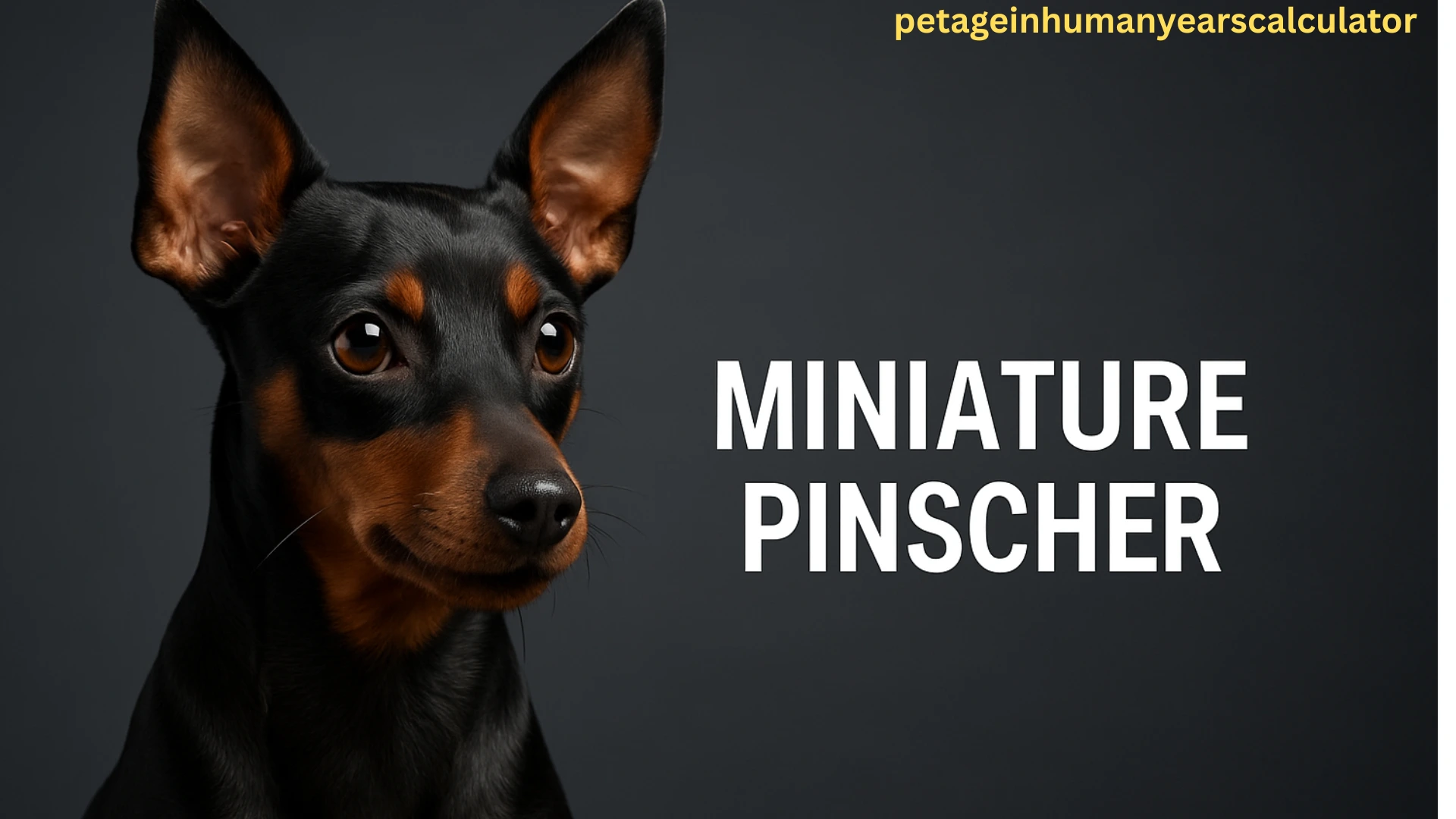
The Miniature Pinscher, lovingly known as the “Min Pin,” may be small in size, but its bold personality and distinct Miniature Pinscher characteristics make it an unforgettable little dog.
Even though they resemble tiny Dobermans, this spirited breed has its own unique lineage and full-grown traits that set it completely apart.
These little dogs are brave, confident, and full of energy — classic Miniature Pinscher temperament qualities that explain why they’re often called the “King of Toys.”
History and Origins
The Miniature Pinscher has existed for hundreds of years in Germany, where this energetic little breed was originally developed as a skilled ratter, keeping homes and stables free of pests. Experts believe it was created by combining the German Pinscher, Italian Greyhound, and Dachshund — a mix that shaped the early Miniature Pinscher characteristics we know today.
Over time, people fell in love with the Min Pin’s lively spirit, elegant movement, and confident temperament. By the early 1900s, the breed had evolved from a hardworking ratter into a popular family companion and admired show dog.
Miniature Pinscher Physical Characteristics
- Size: The Miniature Pinscher is a small but sturdy breed. A full-grown Min Pin typically stands 10–12.5 inches tall and weighs around 8–10 pounds — measurements that define the breed’s classic size and compact build.
- Coat & Colors: This breed has a short, smooth, low-shedding coat — one of the most recognizable Miniature Pinscher characteristics. Common colors include solid red, stag red, black with rust markings, and chocolate with rust markings. Some owners also admire rarer variations such as red, brown, white, or even blue, though these are far less common:
- Solid red
- Stag red (red with black hairs)
- Black with rust markings
- Chocolate with rust markings
- Walk (Gait): Min Pins are famous for their high-stepping trot, known as the “hackney gait,” a proud and elegant movement strongly associated with the breed’s distinctive characteristics.
- Ears & Tail: Traditionally, the breed had cropped ears and docked tails, though many modern owners now prefer to keep them natural.
Temperament and Personality
The Miniature Pinscher may be small, but its bold, confident nature and spirited temperament often make this tiny dog act like a much larger breed.
- Energetic & Curious: A full-grown Min Pin is always exploring, full of life, and driven by the energetic traits the breed is known for.
- Independent: Min Pins are famously independent, and this aspect of their temperament means they can be a bit stubborn — making patient, consistent training essential.
- Watchdog Instincts: This small but fearless dog is highly alert and protective, often barking to notify owners of anything unusual — a natural part of classic breed characteristics.
- Family Life: With early socialization, Min Pins become wonderful family pets. Their lively, confident temperament makes them a great match for families with older children who understand how to handle small dogs gently.
- Chasers & Escapers: Thanks to their strong prey drive, curious mindset, and active nature, they love to chase smaller animals and may even attempt to escape if the yard isn’t secure.
Health Concerns
Miniature Pinschers are generally healthy dogs, and the typical Miniature Pinscher lifespan ranges from 12 to 16 years with proper care. Still, like all breeds, they can experience certain health issues that owners should be aware of:
- Joint Issues: This breed may develop luxating patellas or Legg-Calve-Perthes disease, two conditions commonly seen in small, active dogs.
- Eye Problems: Cataracts and Progressive Retinal Atrophy (PRA) can affect vision, especially as a Miniature Pinscher dog gets older.
- Other Risks: Epilepsy, bladder stones, and heart conditions — including mitral valve disease — can also occur and should be monitored through regular vet checkups.
Care and Maintenance
- The short, smooth coat of this breed is easy to maintain — a quick weekly brushing is usually enough, thanks to its naturally low-shedding coat.
- A full-grown Min Pin typically needs 30–60 minutes of daily exercise, including walks and active play. Because of their small frame and low body fat — classic traits of the breed — they can get cold easily, so a warm sweater in winter helps keep them comfortable.
- Early training with positive reinforcement is essential to manage their strong-willed nature, which is a well-known part of the Miniature Pinscher temperament.
- Like many small dogs such as the Pomeranian, Min Pins can develop dental issues, so regular brushing is important to maintain the overall health of your Miniature Pinscher dog.
Miniature Pinscher Age Chart: Dog Years to Human Years
Understanding how a Miniature Pinscher’s age compares to human years can help you better track their health, energy levels, and overall life stage. Because small breeds age differently from larger dogs—faster in their early years and slower later on—this chart gives a more accurate comparison tailored specifically to Miniature Pinschers.
| Miniature Pinscher Age (Dog Years) | Equivalent Human Age |
|---|---|
| 1 year | 15 human years |
| 2 years | 24 human years |
| 3 years | 28 human years |
| 4 years | 32 human years |
| 5 years | 36 human years |
| 6 years | 40 human years |
| 7 years | 44 human years |
| 8 years | 48 human years |
| 9 years | 52 human years |
| 10 years | 56 human years |
| 11 years | 60 human years |
| 12 years | 64 human years |
| 13 years | 68 human years |
| 14 years | 72 human years |
| 15 years | 76 human years |
| 16 years | 80 human years |
| 17 years | 84 human years |
| 18 years | 88 human years |
Miniature Pinschers age quickly during their first two years, reaching full physical and mental maturity much earlier than humans. After that, their aging slows down, adding roughly four human years for every dog year. This adjusted conversion helps owners understand when their Min Pin is entering adulthood, seniorhood, or needs age-specific care. Tracking your dog’s age in human years also makes it easier to plan their diet, exercise, vet visits, and overall lifestyle according to their life stage.
Miniature Pinscher Dog Facts
| Category | Details |
|---|---|
| Breed Name | Miniature Pinscher (Min Pin) — a compact and energetic Miniature Pinscher dog known for strong breed-specific characteristics |
| Nickname | “King of Toys” |
| Origin | Germany |
| Ancestry | German Pinscher, Italian Greyhound, Dachshund |
| Size | Small, compact, and sturdy — defining traits of classic Miniature Pinscher size. |
| Height | 10–12.5 inches at the shoulder — the typical height of a full-grown Miniature Pinscher. |
| Weight | A healthy Miniature Pinscher weight ranges between 8 and 10 pounds. |
| Coat Type | Common Miniature Pinscher colors include solid red, stag red, black & rust, and chocolate & rust, along with occasional variations such as red Miniature Pinscher, brown Miniature Pinscher, or the rarer blue or white Miniature Pinscher. |
| Coat Colors | Solid red, stag red, black & rust, chocolate & rust |
| Unique Feature | High-stepping “hackney gait” (horse-like trot) |
| Ears & Tail | Natural or cropped ears; natural or docked tail (varies by owner preference) |
| Temperament | Confident, fearless, curious, and independent — all classic Miniature Pinscher characteristics that define their lively personality. |
| Good With Families? | Yes, best with older children |
| Watchdog Ability | Excellent – very alert and protective |
| Exercise Needs | 30 – 60 minutes daily (walks + play) |
| Lifespan | The typical Miniature Pinscher lifespan ranges from 12 to 16 years with proper care and nutrition. |
| Common Health Issues | Common Miniature Pinscher health issues include luxating patella, Legg-Calve-Perthes disease, cataracts, PRA, epilepsy, and certain heart conditions. |
| Grooming Needs | Low – weekly brushing is enough |
| Apartment Friendly? | Yes, if given enough exercise |
| Cold Tolerance | Low – may need a sweater in winter |
Best Dog Food for Miniature Pinschers
The Miniature Pinscher–Dachshund mix, often called the Miniature Pinscher–Weiner Dog mix, is a playful, bold, and charming crossbreed that blends the Min Pin’s fearless personality with the Dachshund’s curious nature. This lively mix is full of energy, loves adventure, and makes a loyal companion. Their quirky looks and confident attitude reflect many of the best traits found in both parent breeds, and although small, they’re truly huge in character. Some owners also compare this crossbreed to the Miniature Pinscher–Chihuahua mix, which shares similar spirited and lively qualities.
Miniature Pinscher Weiner Dog Mix
Bringing home a Miniature Pinscher typically costs between $800 and $1,500, depending on the breeder, pedigree, and location. This Miniature Pinscher price range can vary, and adoption fees are often lower while including essential vaccinations. When considering the overall Miniature Pinscher cost, remember that the true value of this lively little dog goes far beyond the initial purchase — their loyalty, affection, and energetic personality make them a beloved companion for years!
Miniature Pinscher Price
Bringing home a Miniature Pinscher can cost anywhere from $800 to $1,500 depending on the breeder, pedigree, and location. Adoption fees are usually lower and often include vaccinations. Remember, the real value of a Min Pin isn’t just the price tag—it’s the years of loyalty, love, and endless energy they bring.
Lifespan of Miniature Pinscher Dogs – Small Dog, Long Life
Miniature Pinschers may be tiny, but the typical Miniature Pinscher lifespan ranges from 12 to 16 years — an impressive Miniature Pinscher life expectancy for such a small, energetic breed. With proper care, good nutrition, and daily exercise, many Min Pins remain active, playful, and full of energy well into their senior years. These spirited “Kings of Toys” show that great things — and long-lasting companionship — truly come in small packages.
Want to know how old your Miniature Pinscher is in human years? Try this Miniature Pinscher Dog Age Calculator.
Mini Pinscher – Tiny Dog, Mighty Spirit
The Miniature Pinscher, lovingly called the Min Pin, is a small dog with a bold, spirited heart. This energetic little breed is famously known as the “King of Toys” thanks to its fearless nature and lively personality. Compact in size but huge in character, the Min Pin showcases classic traits of confidence, elegance, and attitude wrapped in a tiny frame. These qualities perfectly embody the vibrant temperament that owners admire.
German Pinscher – Smart, Strong, and Fearlessly Loyal
The German Pinscher is a medium-sized dog from Germany, admired for its athletic build, sharp intelligence, and protective instincts. Historically a skilled ratter, this strong and elegant breed is now a confident family companion and dependable watchdog. Many dog lovers also refer to it as the Miniature German Pinscher when comparing it to the smaller Min Pin, although both breeds have distinct characteristics and personalities.
Is the Miniature Pinscher Right for You?
A Miniature Pinscher is a great choice if you want a small but fearless companion with a lively personality. This energetic little breed is full of confidence and charm, making it ideal for owners who enjoy active, intelligent pets with bold traits. While they’re not suited for someone wanting a calm lapdog, their spirited temperament makes them an excellent match for people who appreciate fun, clever dogs with plenty of attitude. If you prefer a calmer small companion, you might also enjoy the Shih Tzu.
Final Thoughts
The Miniature Pinscher is a lively, fearless, and fun-loving dog that packs a lot of personality into a tiny frame. They’re full of confidence, make excellent watchdogs, and are loyal companions. If you’re looking for an active little dog with a “big dog” heart, the Min Pin might be the perfect match for you. If you’d like to explore more about their fascinating origins and cultural significance, visit the Miniature Pinscher on akc.
FAQs About Miniature Pinschers
1. Are Miniature Pinschers related to Dobermans?
No. Even though they look similar, the Miniature Pinscher is not a miniature version of the Doberman. In fact, the Min Pin is an older breed with its own unique history and Miniature Pinscher characteristics that are completely separate from the Doberman lineage.
2. Do Miniature Pinschers bark a lot?
Miniature Pinschers can be vocal, especially because of their alert, protective Miniature Pinscher temperament. They often bark to signal unfamiliar sounds or activity, making them excellent watchdogs.
3. Are Miniature Pinschers good family dogs?
Yes, Miniature Pinschers can be wonderful family pets when properly trained and socialized. They usually do best with older kids who understand how to handle small dogs gently and respect their confident personality.
4. How much exercise does a Miniature Pinscher need?
A full-grown Miniature Pinscher typically needs 30–60 minutes of daily exercise, including walks and active play. Their energetic nature and lively Miniature Pinscher temperament make physical and mental activity essential.
5. Do Miniature Pinschers shed a lot?
No. Miniature Pinschers have a short, smooth, low-shedding coat. Weekly brushing is usually enough to maintain their fur, which is one of the practical Miniature Pinscher characteristics owners love.
6. Are Miniature Pinschers aggressive?
Not by nature. Miniature Pinschers are bold, confident, and protective, which can sometimes be mistaken for aggression. With proper training, they are affectionate, social, and well-behaved companions.
7. How long do Miniature Pinschers live?
The typical Miniature Pinscher lifespan is between 12 and 16 years. With healthy food, exercise, and consistent care, many Miniature Pinschers remain playful and energetic well into their senior years.
8. Can Miniature Pinschers live in apartments?
Yes. Miniature Pinschers adapt very well to apartment living as long as they get daily exercise and stimulation. Their small size and lively personality make them excellent indoor companions.
One thought on “Miniature Pinscher Characteristics: Size, Temperament, Lifespan & Care Guide”