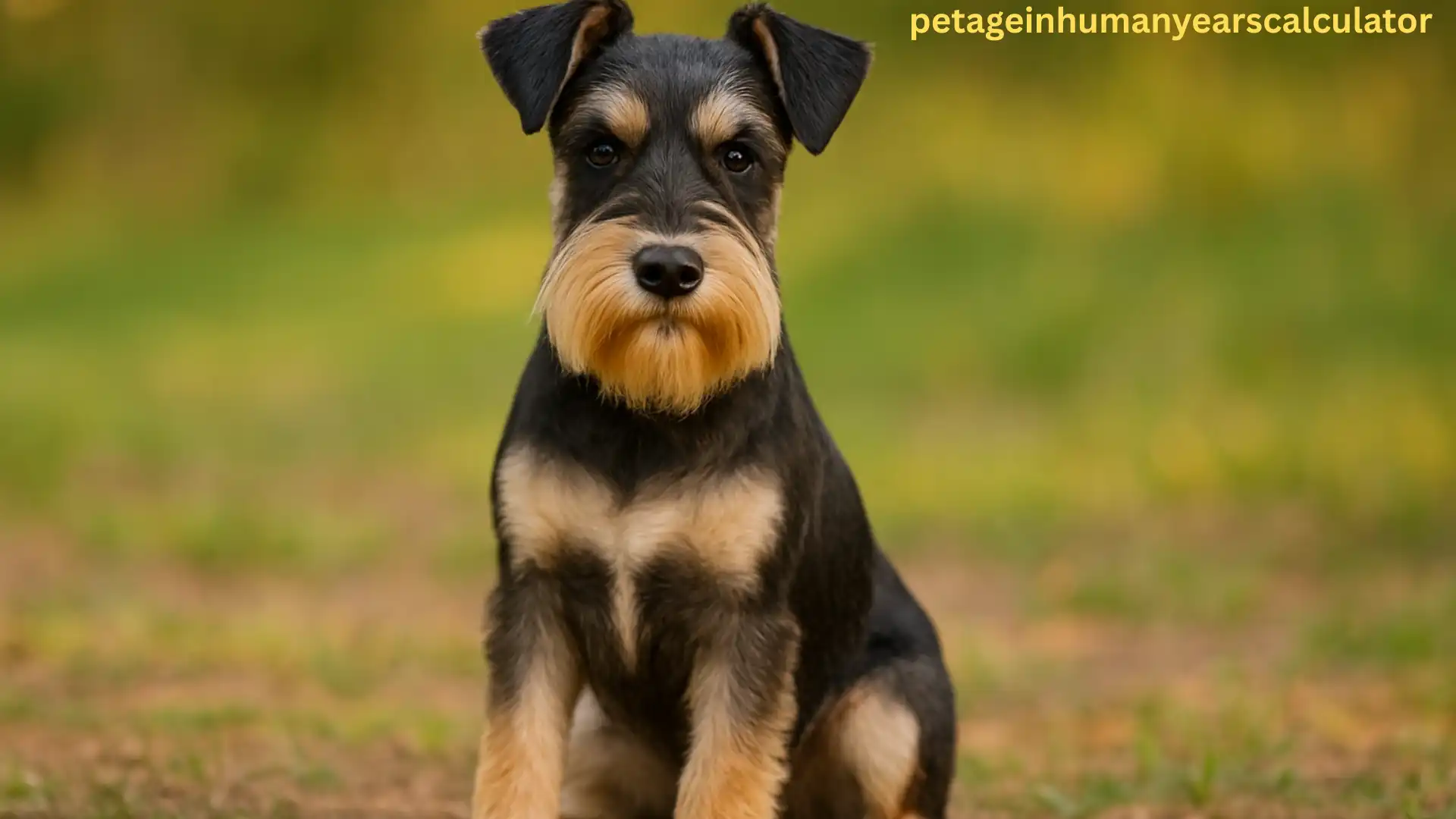
The Miniature Schnauzer is one of those rare dog breeds that seems to have figured life out. Small enough for apartment living but bold enough to take on the world, this bearded little terrier has a personality far larger than its size. Whether trotting proudly beside you, announcing visitors with a signature “Schnauzer bark,” or curling into your lap after a long day, the Miniature Schnauzer brings a combination of intelligence, loyalty, humor, and heart that few breeds can match.
Originally bred in Germany to control rats on farms, today’s Minis have evolved into adaptable companions who thrive with families, first-time owners, seniors, and active people alike. They are famously low-shedding and often considered hypoallergenic, making them ideal for households managing allergies. But don’t let the tidy coat fool you — this is an energetic, clever, spirited dog who loves to be involved in everything you do.
In this guide, you’ll learn exactly what makes the Miniature Schnauzer so special — from their origins and appearance to temperament, health, grooming, lifespan, training, cost, and real-world owner insights. Whether you’re considering buying a Miniature Schnauzer, adopting one, or simply researching the breed, this is the most complete, experience-backed resource you’ll find.
History and Origin — Miniature Schnauzer
The story of the Miniature Schnauzer begins in the rolling farmlands of 19th-century Germany, where they weren’t bred to be cute companions — they were created out of necessity. Farmers needed a dog small enough to chase rats into tight spaces, tough enough to stand its ground against pests, and smart enough to work independently without supervision. The Schnauzer, already respected as a rugged farm dog, became the foundation for this new “mini” version.
Early Development in Germany
The Miniature Schnauzer didn’t happen by accident. German breeders intentionally crossed the Standard Schnauzer with smaller breeds such as:
- Affenpinschers
- Miniature Poodles
- Possibly small terriers
Their goal wasn’t aesthetics — it was function. They wanted a compact dog with the Standard Schnauzer’s beard and eyebrows, strong work ethic, alert nature, and wiry coat… but in a size that could slip under barns, chase pests, and patrol stables.
By the late 1800s, the Miniature Schnauzer was recognized as a separate, reliable working terrier.
Role as Farm Dogs and Ratters
Miniature Schnauzers became invaluable on German farms:
- They hunted rats and mice
- Guarded small livestock
- Alerted farmers to strangers
- Patrolled barns and storage areas
- Worked independently and confidently
Their instinct to bark, chase, and investigate comes directly from this original job — traits modern owners still see daily. When your Mini Schnauzer announces the mailman or chases a squirrel across the yard, that’s 150 years of working instinct at play.
Creation of the “Miniature” Type
Breeders prioritized several traits during development:
- A rectangular body capable of quick agility
- A keen sense of alertness for guarding
- A wiry double coat resistant to dirt and weather
- A bearded face that protected the muzzle while hunting
- A bold but friendly temperament — less feisty than many terriers
This produced one of the only terrier breeds that is both strong-willed and deeply people-oriented, a rare and beloved combination.
Recognition by Kennel Clubs
- The Miniature Schnauzer was officially recognized as a distinct breed in 1899 by the German Pinscher-Schnauzer Club.
- The AKC (American Kennel Club) accepted the breed in 1926, cementing its place as a favorite in the United States.
- Today, the Miniature Schnauzer is one of the most popular terrier breeds worldwide, consistently ranking in the AKC’s Top 20 most-registered breeds.
From Farm Dog to Modern Companion
As farming declined and city life expanded, the Mini Schnauzer transitioned effortlessly into the role of a companion dog. Their low-shedding coat made them ideal for indoor living, while their cheerful temperament suited families, retirees, and young professionals alike.
Despite their polished appearance today, Minis have never lost their working spirit. They remain:
- Alert
- Devoted
- Energetic
- Inquisitive
- Excellent watchdogs
Understanding their history explains much of their modern behavior — from their instinct to patrol the home to their tendency to bark when something feels “off.”
Miniature Schnauzer Appearance and Breed Characteristics
The Miniature Schnauzer has one of the most instantly recognizable looks in the dog world — the iconic beard, the expressive eyebrows, and the sharp rectangular silhouette all come together to create a breed that is both charming and distinguished. But behind the cute exterior lies a sturdy, athletic little dog built for work, movement, and endurance.
Miniature Schnauzer Size and Weight Chart
Miniature Schnauzers are classified as a small breed, but they’re more robust and muscular than most dogs of their size.
| Category | Height | Weight |
|---|---|---|
| Adult Male | 12–14 in (30–36 cm) | 11–18 lbs (5–8 kg) |
| Adult Female | 12–14 in (30–36 cm) | 10–15 lbs (4.5–7 kg) |
| Puppy (8 weeks) | 6–8 in | 2–4 lbs |
Their body structure is compact but powerful, with a straight back, deep chest, and strong legs suited for quick, agile movement.
AKC and FCI Breed Standard Overview
Both AKC and FCI standards emphasize:
- A square, sturdy frame
- A strong, blunt muzzle with a thick beard
- High-set, alert ears (cropped in some countries, naturally folded in others)
- A wiry, weather-resistant double coat
- A purposeful, confident gait
Even as companion dogs, Minis should still display the hardness, alertness, and precision they were bred for.
Coat Type
Miniature Schnauzers have a double coat:
- Outer Coat: Wiry, harsh, and weather-resistant
- Undercoat: Soft and insulating
This coat helped them work outdoors in German winters and protects them from dirt, moisture, and pests.
Owners will notice:
- Their coat is low-shedding
- But requires consistent grooming
- And grows much like human hair
This combination is why they’re often considered hypoallergenic, though no dog is 100% allergy-proof.
Recognized Coat Colors
According to the AKC and most breed clubs, the Miniature Schnauzer comes in:
- Salt & Pepper (most common)
- Black & Silver
- Solid Black
The White Miniature Schnauzer exists but is not accepted in all kennel clubs. It is still popular in some regions as a companion dog.
Distinctive Facial Features
Miniature Schnauzers are known for:
- Bushy eyebrows that amplify expressions
- A full, square beard
- Dark, intelligent eyes
- A proud, confident head carriage
Their beard, in particular, is not just for looks — historically, it helped protect the muzzle from bites during ratting.
Pet Trim vs. Show Trim
Owners will see two grooming styles:
- Pet Trim: Shorter, uniform, easier to maintain
- Show Trim (Hand-Stripped): Keeps the wiry coat texture, with longer furnishings on the legs and face
Hand-stripping preserves coat quality but requires skill and more time.
Body Structure and Movement
The Miniature Schnauzer has:
- A straight back
- Strong hindquarters
- Tight feet
- Efficient, ground-covering movement
Their gait should be confident, determined, and smooth — a reminder of their past as small working dogs that spent long hours on their feet.
Miniature Schnauzer Temperament and Behavior Explained
The Miniature Schnauzer is a small dog with a big, expressive personality. They combine the alertness of a terrier, the loyalty of a family dog, and the sharp intelligence of a working breed. This mix creates a companion who is fun, spirited, affectionate, and sometimes a little mischievous — but always entertaining.
General Temperament Overview
Mini Schnauzers are known for being:
- Alert and attentive
- Friendly with their families
- Highly intelligent
- Curious and observant
- Confident without being aggressive
They bond closely with their humans and prefer being included in everything. They are not the type of dog who lies quietly in the corner — they want to be involved, engaged, and near their people.
Intelligence and Problem-Solving Behavior
Miniature Schnauzers rank high in working intelligence and obedience. Owners often notice:
- They learn commands quickly
- They test boundaries just as quickly
- They observe routines and predict what comes next
- They need mental stimulation as much as physical exercise
Without puzzles, training, and interaction, they can become vocal, bored, or creatively naughty — such as learning how to open doors or alerting you to every sound outside the window.
Terrier-Like Traits
Although they are technically part of the Terrier Group, Mini Schnauzers are less feisty than many terriers. However, some terrier instincts still remain:
- Chasing small animals
- Barking when excited or alert
- Strong-willed attitude during training
- Quick reactions to sudden movements or sounds
These instincts come from their history as rat hunters and small farm guardians.
Miniature Schnauzer Barking and Watchdog Instincts
Mini Schnauzers are excellent watchdogs — sometimes too excellent. Their bark is sharp, loud, and purposeful.
Common triggers include:
- Doorbells
- Movement outside the window
- Delivery trucks
- Other dogs
- Unfamiliar noises
With training, Minis can learn appropriate barking limits, but new owners should expect vocal behavior, especially during puppyhood.
Prey Drive
Their prey drive is strong and instinctive. Outdoors, many Minis will:
- Dash after birds, squirrels, or rabbits
- Stalk small animals in the yard
- Fixate on movement in bushes or grass
This is why off-leash play is risky unless fenced.
Social Behavior With Family
Mini Schnauzers are deeply affectionate dogs who thrive on human connection.
They are:
- Loyal to their family
- Excellent companions for active households
- Attentive to their owners’ moods
- Often described as “velcro dogs”
They tend to choose a favorite person, but remain loving with everyone in the home.
Interaction With Children
Mini Schnauzers generally do well with respectful children. Their playful, energetic nature aligns with active families, but:
- Younger kids should be supervised
- Overexcitement can lead to jumping or nipping
- They prefer structured play rather than chaotic handling
When properly socialized, they make fun, enthusiastic playmates.
Interaction With Other Pets
Mini Schnauzers can live peacefully with:
- Other dogs
- Cats (if socialized early)
However, households with rodents or small pets (hamsters, rabbits, guinea pigs) should be cautious due to the breed’s ratting heritage.
Stranger Friendliness vs. Watchfulness
Minis are not naturally shy, but they are cautious with strangers. Expect:
- Alert barking at newcomers
- A few seconds of assessment
- Then friendly interest once they feel safe
This balance makes them excellent watchdogs without being overly aggressive.
Living With a Miniature Schnauzer
Miniature Schnauzers are adaptable, people-oriented, and energetic—qualities that make them fit beautifully into many types of homes. Whether you live in a busy city apartment, a quiet suburban house, or an active countryside environment, a Mini Schnauzer can thrive as long as their physical and emotional needs are met.
Apartment suitability
Miniature Schnauzers can make excellent apartment dogs thanks to their small size and low-shedding coat, similar to the Havanese. However, there are important considerations:
Pros of apartment living:
- Compact size fits well in smaller spaces
- Low-shedding coat keeps the home cleaner
- Enjoy indoor play and close companionship
- Adapt well to routine-based lifestyles
Challenges to consider:
- They bark more than many small breeds
- Need daily exercise (walks + play)
- Can become restless without stimulation
- React to hallway noises, neighbors, or elevators
With proper training (especially bark control) and consistent walks, Minis adjust very well to apartment life.
Suitability for families
Mini Schnauzers are generally great family dogs. Their lively nature and affectionate temperament make them wonderful companions for households with children.
Strengths with families:
- Playful and energetic
- Patient with respectful kids
- Enjoy family activities and outings
- Quick to bond with all members
What families should know:
- Rough handling can overwhelm small dogs
- Supervision is needed for toddlers
- They may chase fast-moving children during play
When socialized early, they are excellent family pets who bring humor, activity, and love into the home.
Suitability for first-time dog owners
Mini Schnauzers are a good match for first-time owners who are willing to learn. Their intelligence makes training easier, but they need structure.
Why they’re beginner-friendly:
- Learn commands quickly
- Enjoy training and bonding
- Not overly stubborn compared to other terriers
- Adaptable to various routines
Potential challenges for new owners:
- Grooming requirements may feel overwhelming
- Barking must be managed early
- Prey drive can surprise beginners
- Need mental stimulation, not just physical play
First-time owners who put in consistent effort will find the Mini Schnauzer highly rewarding.
Suitability for seniors
Miniature Schnauzers can be an excellent choice for seniors, particularly those who want a small, loyal, and low-shedding companion.
Benefits for senior owners:
- Manageable size
- Not too fragile or too heavy
- Enjoy daily walks but don’t require extreme exercise
- Very loyal and emotionally intuitive
Considerations:
- Professional grooming every 5–8 weeks is essential
- Energetic puppies may be too lively for some older owners
- May bark at delivery drivers or neighbors, which can be disruptive
Older adults who enjoy gentle outdoor time and companionship often find Minis ideal.
Suitability for active people
Mini Schnauzers may be small, but they have the heart of an athlete. They can keep up with active lifestyles surprisingly well.
They enjoy:
- Long walks
- Hiking
- Jogging (short distances)
- Agility training
- Outdoor adventures
Active individuals will appreciate a dog who has energy without demanding marathon-level endurance.
Suitability for people with allergies
Because Mini Schnauzers shed very little, they are often considered hypoallergenic, much like the Bedlington Terrier. However:
- No dog is completely hypoallergenic
- Their low-shedding coat reduces dander spread
- Regular grooming further minimizes allergens
- Many allergy sufferers tolerate the breed well
Potential owners with allergies should spend time with a Mini Schnauzer before committing.
Training a Miniature Schnauzer
Training a Miniature Schnauzer is both enjoyable and rewarding. They are intelligent, fast learners, and naturally eager to work with their owners. However, they also have an independent streak that can surprise new dog owners. With the right approach—patience, consistency, and positive reinforcement—Mini Schnauzers become well-mannered, confident, and responsive companions.
Trainability overview
Mini Schnauzers are often described as “smart but opinionated.” They understand commands quickly, sometimes after just a few repetitions, but they may also test boundaries to see if you really mean what you say.
Their trainability is shaped by:
- High intelligence
- Strong memory
- Quick reactions
- Desire for involvement
- Occasional stubbornness
With clear leadership and fun training sessions, Minis excel in obedience, tricks, and even advanced dog sports.
Real training challenges
Despite their intelligence, Mini Schnauzers come with a few predictable challenges that new owners should prepare for:
Barking control
This is the most common issue. Minis bark to alert, express excitement, and communicate. Without guidance, barking can become excessive.
Training methods include:
- Teaching “quiet” early
- Rewarding calm behavior
- Managing window access
- Desensitizing with controlled sounds
Recall difficulty
Their prey drive makes recall unreliable, especially outdoors. A bird, rabbit, or squirrel can override training instantly.
Solutions include:
- Long-line practice
- High-value treats
- Practicing in distraction-free environments
- Avoiding off-leash areas unless fenced
Potty training
Mini Schnauzers are generally quick to potty train, but males may take slightly longer to stop marking.
Tips include:
- Frequent outdoor trips
- Consistent routine
- Positive reinforcement
- Avoiding punishment
Grooming table desensitization
Because Minis need lifelong grooming, getting them comfortable with brushing, clippers, and handling is essential.
Start early by:
- Touching paws and beard often
- Giving treats during grooming
- Keeping sessions short and positive
Common mistakes owners make
Many behavioral issues in Mini Schnauzers come from predictable owner mistakes. Avoiding these can prevent long-term problems.
Common mistakes include:
- Allowing barking to go unaddressed during puppyhood
- Free-feeding (risking obesity and pancreatitis)
- Not socializing early with people, sounds, and environments
- Underestimating their mental stimulation needs
- Letting them rehearse chasing behaviors
- Not introducing grooming gradually
Correcting these early makes for a calm, balanced adult dog.
Training a Miniature Schnauzer Puppy: Positive Reinforcement Methods
Mini Schnauzers thrive on reward-based training. Harsh methods or correction-heavy approaches will shut them down or create stubbornness.
They respond best to:
- Treat-based training
- Clicker training
- Praise and affection
- Short, energetic sessions
- Toy rewards for high-drive dogs
Mixing food, play, and praise keeps them motivated.
Recommended training timeline
A structured timeline helps Mini Schnauzers grow into well-behaved dogs.
8–12 weeks:
- Name recognition
- Socialization
- Housebreaking
- Grooming desensitization
- Sit, come, basic manners
3–6 months:
- Leash walking
- “Quiet” command
- Crate training
- Proper greeting behaviors
6–12 months:
- Recall in low-distraction areas
- Stay and impulse control
- Intro to agility or basic sports
1 year and older:
- Advanced obedience
- Off-leash work in secure areas
- Continued social experiences
Mini Schnauzers love working with their humans, and training becomes a lifelong bonding activity.
Exercise Needs
Miniature Schnauzers may be small, but they are energetic, curious, and built for movement. Their working-dog background means they thrive on daily activity—both physical and mental. Without enough exercise, they can become restless, vocal, and even destructive. With proper outlets, however, they are joyful, balanced, and delightful companions.
Daily exercise requirements by age
Mini Schnauzers’ needs change as they grow. Providing age-appropriate activity keeps them healthy without overexertion. If you want a quick and reliable way to understand how old your Miniature Schnauzer really is in human terms, you can easily calculate Miniature Schnauzer’s age in human years using our breed-specific age calculator.
Puppies (8 weeks – 12 months)
Puppies should not be over-exercised because their joints are still developing.
Recommended:
- 5 minutes of structured activity per month of age (e.g., 15-minute walk at 3 months)
- Short play sessions multiple times a day
- Early exposure to stairs and new surfaces
- Gentle mental challenges (puzzle feeders, nose games)
Avoid:
- Long runs
- Repetitive jumping
- Forced exercise
Adults (1 – 8 years)
Adult Minis are energetic and require consistent daily exercise.
Recommended daily minimum:
- 45–60 minutes of physical exercise
- Combination of walks, play, and training
- Off-leash time in safe, fenced areas
- Structured mental work (training, games)
Many adults can easily handle more activity if offered.
Seniors (8+ years)
Senior Minis slow down, but they still enjoy movement.
Recommended:
- Gentle, shorter walks (20–30 minutes)
- Soft-surface play
- Mental enrichment
- Avoiding extreme temperatures
Seniors who stay active age healthier and happier.
Mental stimulation needs
Miniature Schnauzers are intelligent and think actively. Physical exercise alone is not enough—they need brain work.
Useful activities include:
- Puzzle toys
- Scent games (“find it”)
- Short obedience sessions
- Snuffle mats
- Rotating toys weekly
- Interactive feeders
A mentally tired Mini Schnauzer is a well-behaved Mini Schnauzer.
Activities they excel in
Because they are agile, attentive, and energetic, they excel in many canine sports:
- Agility
- Rally obedience
- Standard obedience
- Nosework
- Flyball
- Trick training
These sports satisfy both their mental and physical needs.
Off-leash considerations
Miniature Schnauzers often cannot be trusted fully off-leash in open, unfenced areas.
Reasons include:
- Strong prey drive
- Quick reactions to wildlife
- Independent decision-making
- Easily distracted when chasing
Owners should practice recall with long-line leashes and keep off-leash activity limited to fenced dog parks, secure fields, or private yards.
Sample daily routine for a well-adjusted Mini Schnauzer
A balanced day may look like:
- Morning: 20–30 minute brisk walk
- Afternoon: Short training session + puzzle toy
- Evening: 20–30 minutes of playtime or another walk
- Throughout the day: Access to chew toys and interactive enrichment
This routine prevents boredom, barking, frustration, and destructive habits.
Miniature Schnauzer Grooming and Coat Care Guide
The Miniature Schnauzer’s grooming needs are one of the most misunderstood aspects of the breed. While they shed very little and are often considered hypoallergenic, their wiry double coat requires regular, structured maintenance to stay healthy, clean, and true to the breed’s characteristic look. Proper grooming is not optional—it’s an essential part of owning a Mini Schnauzer.
Low-Shedding and Hypoallergenic Traits of Miniature Schnauzers
Mini Schnauzers shed far less than most breeds because their wiry coat does not fall out easily. Instead, it continues to grow, similar to human hair.
This means:
- Minimal loose hair around the home
- Little to no seasonal shedding
- Ideal for allergy-sensitive households
However, the low-shedding coat comes with a trade-off: high grooming needs.
Owners must commit to:
- Regular brushing
- Beard cleaning
- Routine trims
- Occasional hand-stripping
A neglected coat becomes matted, oily, and uncomfortable for the dog.
Clipping vs. hand-stripping
There are two ways to maintain a Mini Schnauzer’s coat, each with different results.
Clipping
Most pet owners choose clipping because it is easier and widely available.
Pros:
- Convenient
- Widely offered by groomers
- Keeps the coat tidy
- Comfortable for the dog
Cons:
- Softens the coat over time
- Reduces the wiry texture
- May dull the color
Clipping is perfectly acceptable for companion Mini Schnauzers.
Hand-stripping
This is the traditional grooming technique for Schnauzers, used for show dogs and maintaining true coat quality.
Pros:
- Preserves wiry coat texture
- Enhances rich color
- Reduces allergens
- Keeps the dog’s coat weather-resistant
Cons:
- Requires skill and time
- Less commonly offered
- Can be more expensive
Owners who want the authentic terrier look often choose hand-stripping.
Home grooming checklist
Maintaining a Mini Schnauzer at home requires the right tools. A typical grooming kit includes:
- Slicker brush
- Metal comb (coarse and fine teeth)
- Clipper set with blades
- Scissors for facial trim
- Deshedding knife (for hand-stripping)
- Dog-safe shampoo
- Conditioning spray
- Styptic powder
- Nail clippers or grinder
- Ear cleaning solution
- Toothbrush and dog toothpaste
Brushing should be done 2–3 times a week, focusing on the beard, legs, and armpits—areas that mat the fastest.
Professional grooming schedule
Due to their continuous coat growth, Mini Schnauzers require professional grooming every 5–8 weeks. This keeps:
- The body coat short
- The legs neatly furnished
- The beard shaped
- The eyebrows trimmed
- The sanitary areas clean
Owners should budget for grooming as a recurring expense.
Nail care, ear cleaning, and dental care
Mini Schnauzers benefit from a consistent hygiene routine.
Nails:
- Trim every 3–4 weeks
- Quick-growing nails are common in the breed
Ears:
- Clean weekly
- Some Mini Schnauzers grow excess ear hair
- Keep ears dry to avoid infections
Teeth:
- Brush 3–4 times a week
- Small breeds are prone to dental disease
- Dental chews and vet-cleanings recommended
Good dental care significantly improves long-term health.
Maintaining the iconic Schnauzer beard
The beard is charming—but it can get messy.
Owners should:
- Rinse the beard after meals
- Comb daily to avoid tangles
- Use beard-safe conditioners
- Check for trapped food or debris
A clean beard prevents odor, skin irritation, and stains.
Common grooming mistakes owners make
Avoiding these mistakes will make grooming less stressful for both dog and owner:
- Skipping grooming during puppyhood
- Allowing mats to form before grooming
- Ignoring ear hygiene
- Bathing too frequently (dries the skin)
- Not brushing the beard regularly
- Avoiding professional grooming for too long
- Letting nails overgrow
- Assuming low shedding means “low maintenance”
Consistent grooming builds a healthy coat and strengthens the bond between dog and owner.
Miniature Schnauzer Health, Lifespan, and Common Conditions
Miniature Schnauzers are generally healthy, sturdy dogs with a long lifespan, but like all breeds, they have certain genetic tendencies and breed-specific health risks. Understanding these conditions—along with knowing what symptoms to watch for—helps owners catch issues early and keep their dogs thriving for many years.
General health overview
With proper care, Miniature Schnauzers live 12–15 years, and many reach 16–17. They’re hardy, energetic, and resilient, but they do have several conditions that are more common in this breed than in others.
Factors that influence long-term health include:
- Genetics
- Weight management
- Diet (especially fat content)
- Grooming and hygiene
- Dental care
- Regular veterinary checkups
Healthy Minis often remain active into their senior years.
Lifespan data chart
| Category | Age Range |
|---|---|
| Average Lifespan | 12–15 years |
| Healthy, well-bred individuals | 15–17 years |
| Common senior age | 10+ years |
Early weight control and preventative healthcare significantly increase lifespan.
Common health conditions and prevalence
Below are the conditions Mini Schnauzer owners must be especially aware of. Prevalence percentages vary but are based on veterinary reports, breed club data, and OFA/CHIC findings.
Pancreatitis
One of the most common Mini Schnauzer health problems.
Their genetics predispose them to elevated blood fats, which can trigger pancreatic inflammation.
Early signs include:
- Vomiting
- Abdominal pain
- Lethargy
- Loss of appetite
Prevention includes a low-fat diet, weight control, and avoiding greasy table food.
Hyperlipidemia
Mini Schnauzers frequently develop elevated blood triglycerides and cholesterol.
This condition often appears in middle-aged dogs.
Symptoms may be subtle or include:
- Greasy coat
- Eye issues (lipid deposits)
- Pancreatitis episodes
Routine blood tests can catch it early.
Bladder and urinary stones
Miniature Schnauzers have one of the highest rates of calcium oxalate stones among dog breeds.
Signs include:
- Frequent urination
- Straining
- Blood in urine
- Accidents in the house
Prevention:
- Plenty of water
- Vet-approved diet
- Regular urinalysis for early detection
Cataracts & hereditary eye issues
Many Minis develop cataracts, especially with age. Juvenile cataracts also occur in the breed.
Symptoms include:
- Cloudy eyes
- Bumping into objects
- Hesitating in dim lighting
Annual eye screenings are recommended.
Diabetes
Mini Schnauzers are predisposed to diabetes, often linked to pancreatitis, obesity, or genetics.
Early signs:
- Excessive thirst
- Weight loss
- Frequent urination
Maintaining a healthy body score helps reduce risk.
Liver shunts (rare but possible)
Some Mini Schnauzer puppies may be born with congenital liver shunts.
Symptoms appear early in life:
- Poor growth
- Neurological signs after eating
- Upset stomach
This is tested via bile acid tests.
Dental disease
Their small mouths make them especially prone to tartar buildup, periodontal disease, and tooth loss.
Daily brushing is strongly recommended.
Symptoms to watch for
Owners should contact a vet immediately if they notice:
- Sudden vomiting or abdominal pain
- Excessive thirst or urination
- Cloudiness in the eyes
- Difficulty urinating
- Collapsing or trembling
- Loss of appetite
- Bad breath or drooling
Prompt care prevents small issues from becoming severe.
Preventive care checklist
A proactive approach helps keep your Mini Schnauzer healthy:
- Annual vet visits (twice yearly for seniors)
- Routine bloodwork (especially triglyceride levels)
- Yearly eye exams
- Regular urinalysis
- Weight control and body condition monitoring
- Low-fat diet and healthy treats
- Dental brushing 3–4 times weekly
- Consistent grooming and skin checks
Prevention is easier and cheaper than treatment.
Recommended health screening (OFA/CHIC guidelines)
Breeders should follow breed club standards, which typically include:
- Eye examination (CERF)
- Cardiac evaluation
- Patella evaluation
- DNA tests where applicable
- Liver function screening in puppies from high-risk lines
A responsible breeder should provide clearances for both parents.
Miniature Schnauzer Feeding and Nutrition Needs
Feeding a Miniature Schnauzer correctly is one of the most important responsibilities an owner has. This breed is more sensitive than most to dietary imbalances—especially fat content—because of their predisposition to pancreatitis and hyperlipidemia. Providing the right food, portions, and feeding habits can dramatically improve their long-term health, energy, and lifespan.
Calorie needs by age and weight
Mini Schnauzers are small but active, so their calorie intake must balance activity with their tendency toward weight gain.
Puppies (up to 12 months)
- 300–500 calories per day, depending on age and size
- 3–4 small meals per day
- Puppy formulas for small breeds recommended
Puppies grow quickly and need consistent nutrition for brain and bone development.
Adult Mini Schnauzers (1–8 years)
- 350–500 calories per day
- 2 meals daily
- Adjust portions based on activity level
Active adults may need slightly more, while couch-loving companions may need less.
Senior Mini Schnauzers (8+ years)
- 300–400 calories per day
- Senior or weight-management formula
- Easier-to-digest proteins and controlled fat levels
Seniors often benefit from joint-support supplements (glucosamine, omega-3s).
Macronutrient needs for small active breeds
Mini Schnauzers do best on:
- High protein (25–30%)
- Moderate carbs
- Low to moderate fat (10–14%), especially if prone to pancreatitis
- High fiber (helps with weight control and digestion)
Look for foods containing whole meats, sweet potatoes, oats, or lentils.
Diet considerations for pancreatitis-prone dogs
Because Miniature Schnauzers are genetically at risk, prevention is key.
Avoid:
- High-fat treats
- Greasy table foods
- Processed meats
- Cheese, bacon, butter, or fried food
- High-fat kibble (>15% fat)
Recommended:
- Low-fat formulas
- Lean proteins (turkey, white fish, chicken breast)
- High-fiber vegetables
- Vet-approved prescription diets for severe cases
Feeding habits matter as much as ingredients—frequent small meals are better than one large meal.
Foods to avoid
Mini Schnauzers should never eat:
- Onion or garlic
- Grapes or raisins
- Chocolate
- Xylitol (found in sugar-free products)
- Cooked bones
- Macadamia nuts
- High-fat leftovers
Some can safely eat fruits, but in moderation.
Can Miniature Schnauzers eat watermelon?
Yes—in moderate amounts. Watermelon is a safe treat as long as the seeds and rind are removed.
Benefits:
- Hydrating
- Low-calorie
- Rich in vitamins A, B6, and C
Give small, seedless cubes as an occasional treat.
Homemade vs commercial diets
Both can work if done correctly.
Commercial diets
Pros:
- Nutritionally balanced
- Easy to store and serve
- Wide variety (kibble, freeze-dried, wet)
Cons:
- Some brands use fillers
- Fat content varies widely
Homemade diets
Pros:
- Full ingredient control
- Excellent for allergy-sensitive dogs
Cons:
- Risk of nutritional imbalance
- Must be formulated with a veterinarian or canine nutritionist
Never feed a homemade diet without guidance—deficiencies can develop quickly.
Feeding schedule recommendations
Consistency helps digestion and prevents overeating.
Typical schedule:
- Puppies: 3–4 meals per day
- Adults: 2 meals per day
- Seniors: 2 smaller, lighter meals
Avoid leaving food out (“free feeding”) because it increases obesity and pancreatitis risk.
Example meal plan for a healthy Mini Schnauzer
Breakfast:
- Low-fat kibble or lightly cooked lean turkey
- Small portion of pumpkin or green beans
Midday treat:
- Low-fat training treats or blueberries
Dinner:
- Lean protein + vegetables
- Optional omega-3 supplement (fish oil)
Throughout the day:
- Fresh, clean water at all times
A stable routine keeps their digestion smooth and their energy steady.
Cost of Ownership
Owning a Miniature Schnauzer is a joyful and fulfilling experience, but it does come with financial responsibilities. This breed requires consistent grooming, high-quality food, routine veterinary care, and a structured lifestyle. Understanding the full cost of ownership helps new owners prepare realistically and avoid surprises.
One-time costs
These expenses occur when you first bring your Miniature Schnauzer home.
Puppy purchase
The price depends on many factors such as pedigree, breeder reputation, location, and health testing.
Typical range:
- $800–$3,000 for a well-bred puppy
- $3,000+ for show-quality or champion bloodlines
- Adoption fees: $150–$400
Puppies that are suspiciously cheap (e.g., “Miniature Schnauzers for sale near me under $500”) often signal backyard breeders or scams.
Initial supplies
Most new owners will need:
- Crate: $40–$100
- Bed: $25–$60
- Bowls: $10–$30
- Toys and chews: $20–$60
- Leash and harness: $20–$50
- Grooming tools: $40–$120
- Puppy pads: $10–$20
- ID tags and microchip: $30–$60
Estimated total setup cost: $200–$400
First veterinary care
Includes vaccinations, deworming, microchip, and initial checkups.
Expect: $150–$300
Monthly costs
Mini Schnauzers have predictable monthly expenses that vary slightly by lifestyle and region.
Food
High-quality dog food: $25–$50 per month
Minis don’t eat a lot, but they benefit from premium formulas that support their metabolism and reduce pancreatitis risk.
Grooming
This is the biggest recurring cost for most owners. Professional grooming is needed every 5–8 weeks.
Average cost per session: $50–$90
Monthly equivalent: $25–$50
Training
Optional but recommended, especially during puppyhood.
- Puppy classes: $100–$200 per 6-week course
- Advanced classes: $150–$250
Preventive vet care
Monthly flea/tick and heartworm prevention: $15–$30
Toys, treats, and enrichment
$10–$30 monthly depending on the dog’s needs.
Annual expected cost range
Total annual estimate for most owners:
- Low range: $1,000 per year
- Average range: $1,500–$2,000 per year
- High-end care: $2,500+ per year (professional hand-stripping, premium diets, specialty training)
Lifetime ownership cost estimate
Given the average Miniature Schnauzer lifespan of 12–15 years:
- Low estimate: $12,000–$15,000
- Average estimate: $18,000–$30,000
- High estimate: $35,000+
This does not include emergency care or chronic disease management, which can increase costs.
Cost-saving tips without compromising care
You can keep your Mini Schnauzer healthy without overspending by making smart choices.
- Learn basic grooming to reduce professional sessions
- Buy food in bulk or via subscription
- Use long-lasting, durable toys
- Prioritize preventive care to avoid costly emergencies
- Compare vet clinics for non-emergency services
- Use treat alternatives like carrots or blueberries
Detailed cost breakdown table
| Category | Monthly Cost | Annual Cost |
|---|---|---|
| Food | $25–$50 | $300–$600 |
| Grooming | $25–$50 | $300–$600 |
| Preventive medication | $15–$30 | $180–$360 |
| Toys & treats | $10–$30 | $120–$360 |
| Routine vet visits | — | $150–$300 |
| Training (optional) | — | $100–$300 |
| Total | — | $1,150–$2,520 |
A well-prepared owner can easily predict the financial commitment of this breed.
Pros and Cons of Miniature Schnauzers
Every dog breed has strengths and challenges, and understanding both sides helps potential owners make informed decisions. Miniature Schnauzers are wonderful companions for many households, but their temperament, grooming needs, and energy levels may not suit everyone. This balanced overview will help you see whether a Mini Schnauzer fits your lifestyle.
Pros and cons comparison table
| Pros | Cons |
|---|---|
| Low-shedding and often tolerated by allergy sufferers | High grooming requirements (every 5–8 weeks) |
| Intelligent and easy to train | Can be vocal and bark frequently |
| Loyal, affectionate, and people-oriented | Strong prey drive makes off-leash risky |
| Good size for apartments and small homes | Needs daily exercise and mental stimulation |
| Excellent watchdogs, alert and aware | Can be stubborn without consistent training |
| Adaptable to city or rural life | May chase cats or small pets without socialization |
| Long lifespan and overall good health | Prone to pancreatitis, bladder stones, and dental issues |
| Great with respectful children and families | Not ideal for owners wanting a “quiet” or low-engagement dog |
Pros explained in detail
Low-shedding and hypoallergenic tendencies
Mini Schnauzers shed very little, making them a strong choice for households managing allergies—though no breed is 100% hypoallergenic.
Intelligent and trainable
Their ability to understand commands quickly makes training enjoyable. They respond well to positive reinforcement and thrive on mental challenges.
Loyal and affectionate
Mini Schnauzers bond deeply with their families and love participating in daily life. Many owners describe them as “shadow dogs” who follow them from room to room.
Suitable for many living environments
Their size and adaptability allow them to thrive in apartments, suburban homes, and rural areas alike.
Excellent watchdogs
Their alert nature and sharp bark make them effective at notifying owners of visitors or unusual activity.
Long lifespan
With proper care, they often live well into their mid-teens, providing many years of companionship.
Cons explained in detail
High grooming maintenance
While they don’t shed much, their coat requires regular brushing, face cleaning, and professional grooming—more than many owners expect.
Barking tendencies
Mini Schnauzers vocalize when excited, alert, or bored. Without training, barking can become excessive.
Strong prey drive
Their ratting heritage gives them a natural instinct to chase. This makes off-leash walks in open areas unsafe unless well-trained and fenced.
Need for consistent engagement
They are not low-energy lap dogs. Minis need daily exercise, social interaction, and mental stimulation to stay happy and well-behaved.
Health predispositions
Pancreatitis, hyperlipidemia, urinary stones, and dental disease are all more common in this breed and require preventive care.
Not ideal for households with small pets
They may chase rodents or small mammals unless raised with them and properly trained.
Choosing a Healthy Miniature Schnauzer Puppy
Bringing home a Miniature Schnauzer puppy is exciting, but choosing the right puppy—and the right breeder—is crucial for long-term health, temperament, and a positive ownership experience. Because this breed has specific genetic risks and can be overbred by irresponsible sellers, buyers must know exactly what to look for and what to avoid.
Red flags to avoid
Not all breeders follow ethical practices. Watch for these common warning signs that indicate poor breeding or potential scams:
- Puppies advertised as “cheap” or “under $500”
- No health testing on parents
- Seller refuses to show the puppy’s living environment
- Puppies available immediately year-round
- No questions asked about your lifestyle or experience
- Unwilling to offer video calls or in-person visits
- No contract, no guarantees, no return policy
- Vaccinations or records that seem incomplete or unclear
- Seller insists on meeting in a parking lot or public place
Avoiding these red flags protects you from unhealthy puppies and unethical breeding operations.
Ethical breeder checklist
A responsible breeder will:
- Allow you to meet or video-call to see puppies and parents
- Provide health clearances for both parents
- Raise puppies indoors, not in outdoor kennels
- Use early socialization methods (ENS, exposure to sounds, handling)
- Keep puppies with their mother until at least 8–10 weeks
- Offer a written contract and health guarantee
- Ask you questions to ensure a good match
- Provide lifetime support for owners
- Be knowledgeable about the Miniature Schnauzer breed standard and care
Good breeders care about where their puppies go and want them in stable, responsible homes.
Questions to ask a breeder
Prepare these essential questions before committing:
- What health tests have the parents completed?
- Can I see the parents and their temperaments?
- How do you socialize your puppies?
- What vaccinations and worming treatments are already done?
- Do you offer a health guarantee or return policy?
- How do you match puppies to new owners?
- What grooming or training have puppies been introduced to?
- What genetic lines or pedigrees do the parents come from?
- Are the puppies registered with AKC or another club?
- What support do you provide after adoption?
A trustworthy breeder will answer confidently and transparently.
Health tests & screening parents should have
Miniature Schnauzers benefit from breed-specific testing recommended by OFA/CHIC guidelines. Responsible breeders typically complete:
- Eye exam (CERF)
- Cardiac evaluation
- Patella evaluation
- DNA tests for any known hereditary conditions
- Liver function testing (bile acids) for high-risk lines
- Hyperlipidemia awareness and testing if needed
Don’t hesitate to ask for documentation—verbal reassurance is not enough.
Tips for evaluating puppy temperament
Every Mini Schnauzer puppy has a unique personality. When meeting puppies:
Look for:
- Bright, alert eyes
- Curious and social behavior
- Calmness when handled
- Balanced energy (not overly shy or overly dominant)
- Clean coat and healthy skin
Be cautious of puppies who are:
- Extremely timid
- Aggressive or overly pushy
- Lethargic or disengaged
- Constantly vocal or frantic
The best pet puppies are confident, interactive, and comfortable being handled.
Adoption and rescue considerations
Rescuing a Miniature Schnauzer is a wonderful option. Many Minis end up in rescue due to changes in owner circumstances—not because of behavioral issues.
Reputable rescue groups include:
- Miniature Schnauzer & Friends Rescue
- Local terrier rescue organizations
- Breed-specific rescues in your state
- Humane societies and shelters
Adoption fees are usually $150–$400, and many rescued Minis are already trained, vaccinated, and socialized.
Miniature Schnauzer Colors and Variations
Miniature Schnauzers come in several striking coat colors that contribute to their distinctive look. While all Minis share the same expressive eyebrows, proud posture, and iconic beard, their coat color can subtly influence grooming needs, appearance, and even how quickly dirt shows on their furnishings. Understanding each color variation helps owners appreciate the breed’s diversity.
Black Miniature Schnauzer
The solid black Miniature Schnauzer is bold, sleek, and elegant. Their coat is entirely black from head to tail, including the beard and furnishings.
Characteristics:
- Coat appears deep, glossy black
- Sun exposure may lighten the coat slightly over time
- Requires regular brushing to maintain sheen
Notes:
- Accepted by the AKC
- Often looks especially striking in a traditional Schnauzer cut
Black Minis tend to hide dirt well but may show dust or lint on their furnishings.
Black and Silver Miniature Schnauzer
This is one of the most popular and easily recognizable color patterns. The dog has a black body with distinctive silver markings.
Characteristics:
- Black body coat
- Silver eyebrows, beard, chest, legs, and underside
- Strong contrast gives a sharp, defined appearance
Notes:
- Very common in show lines
- Requires frequent beard cleaning to keep silver areas bright
This color highlights the Schnauzer expression beautifully.
Salt and Pepper Miniature Schnauzer
Salt and Pepper is the most common color and the original Schnauzer look.
Characteristics:
- A mix of black, white, and gray hairs
- Can appear light gray, steel gray, or dark pepper
- Distinctive dark saddle area on the back
Notes:
- Accepted worldwide by kennel clubs
- Often the easiest coat to maintain visually
Because of the natural blend, salt and pepper coats tend to hide dirt and beard staining better than lighter colors.
White Miniature Schnauzer
White Miniature Schnauzers are less common and not accepted in all kennel clubs, but they are loved by many families.
Characteristics:
- Pure or cream-white coat
- Dark eyes and nose for contrast
- Soft and slightly less wiry in appearance
Notes:
- Not accepted by some show organizations (e.g., FCI)
- Accepted by AKC for registration but not for conformation showing
- They require more frequent beard care due to staining
Despite the registration limitations, White Minis are popular as companion dogs.
How coat color affects grooming
While grooming frequency is the same across colors, visibility of staining or buildup varies.
- White & black-and-silver: beard staining stands out more
- Black: may show dust or dandruff more easily
- Salt & pepper: most forgiving in terms of visible dirt
Regardless of color, Minis need regular grooming to keep their coats healthy and tidy.
Myths about color and temperament
There are occasional rumors that certain colors affect temperament, such as black Minis being “more stubborn” or white Minis being “softer.”
These claims are myths.
Temperament comes from:
- Genetics
- Breeding practices
- Early socialization
- Training
Color does not influence personality.
Miniature Schnauzer Size and Growth
Miniature Schnauzers may be small, but they are sturdier and more muscular than many dogs in their size range. Understanding how they grow, when they reach full size, and what affects their development helps owners monitor healthy progress and avoid weight-related issues.
Size chart from puppy to adult
Miniature Schnauzers experience rapid puppy growth before leveling out in adolescence. Below is a general guideline:
| Age | Height (average) | Weight (average) |
|---|---|---|
| 8 weeks | 6–8 in | 2–4 lbs |
| 3 months | 8–10 in | 4–6 lbs |
| 6 months | 10–12 in | 7–10 lbs |
| 9 months | 11–13 in | 9–14 lbs |
| 12 months | 12–14 in | 10–16 lbs |
| Adult | 12–14 in | 10–18 lbs |
Individual growth varies, but most Minis follow this general pattern.
Growth stages
Mini Schnauzers go through predictable development phases:
Puppy stage (0–6 months)
- Fastest growth period
- Rapid height and bone development
- High energy and curiosity
- Needs multiple small meals and structured training
Healthy nutrition during this stage is crucial for proper joint growth.
Adolescent stage (6–12 months)
- Weight filling out
- Growth rate slows
- Personality becomes more independent
- Training consistency especially important
This is when many owners notice a spike in stubbornness.
Young adult stage (1–2 years)
- Height stabilized
- Muscles develop fully
- Working and sport potential improves
- Behavioral maturity increases
Most Minis reach adult size by 12 months but continue refining muscle tone until 18–24 months.
Senior stage (8+ years)
- Metabolism slows
- Activity may decrease
- Weight gain becomes more likely
Monitoring calories and exercise helps keep seniors lean and comfortable.
When do Miniature Schnauzers stop growing?
Most Miniature Schnauzers reach their full height between 10–12 months.
Weight and muscle development may continue until 18 months.
Small breed dogs mature earlier than large breeds—but Minis maintain their youthful energy well into adulthood.
How diet and genetics influence size
Several factors affect final size:
Genetics:
- The size of the parents is the biggest predictor.
- Lines bred to be smaller (“toy” Schnauzers) are often unrecognized and risk health issues.
Diet:
- Overfeeding during puppyhood leads to excessive weight gain, not increased height.
- High-fat diets can trigger pancreatitis and unhealthy growth.
Exercise:
- Consistent movement builds lean muscle, improving structure.
Healthy development requires balancing nutrition, activity, and breed-standard expectations.
Miniature Schnauzer Price Guide
The cost of a Miniature Schnauzer varies widely depending on where you live, the breeder’s reputation, the puppy’s pedigree, coat color, and whether the dog is intended for companionship or show. Understanding these factors helps buyers avoid scams, backyard breeders, and overpriced listings while finding a responsible, ethical source.
Miniature Schnauzer Price and What Affects Their Cost
While prices fluctuate, these are common averages:
United States
- Pet-quality Miniature Schnauzers: $1,000–$3,000
- Show-quality or champion lines: $3,000–$5,000+
- Adoption/rescue: $150–$400
Regions like Texas, Georgia, and California may have higher demand, leading to higher prices.
United Kingdom
- £800–£2,000 for reputable breeders
- £150–£300 for rescue organizations
Canada
- $1,200–$3,500 CAD for well-bred puppies
Australia
- AUD $1,500–$3,500 depending on breeder and pedigree
Prices vary based on waiting lists, quality, and the level of health testing.
What increases the cost of a Miniature Schnauzer
Several factors influence price:
Pedigree and bloodline
- Puppies from champion parents or show lines cost more
- Well-documented pedigrees ensure genetic history
Health testing
Breeders who perform OFA/CHIC health tests charge more because they invest in responsible breeding.
Coat color
While all colors require the same care, certain colors—especially Black and Silver or rare White—may be priced higher due to demand.
Breeder reputation
Established, ethical breeders who socialize puppies and follow high standards naturally charge more.
Training and early socialization
Some breeders include:
- Crate training
- Litter box training
- Early socialization (ENS)
These services increase the overall price.
Lower vs higher-end breeder differences
Lower-priced breeders often lack:
- Health testing
- Contracts or guarantees
- Proper socialization
- Clean, home-raised environments
- Transparency about lineage
Higher-end breeders usually offer:
- Health-tested parents
- Written contracts
- Support for new owners
- Clear and documented pedigree
- Early socialization and training foundations
- Knowledgeable guidance about grooming and care
The price reflects care, quality, and ethical practices.
Why extremely cheap prices are a red flag
Listings such as “Miniature Schnauzers for sale near me under $500” often indicate:
- Puppy mills
- Backyard breeding
- Illness or lack of vaccinations
- Fake listings or scams
- Genetically unhealthy puppies
- No long-term support
Responsible breeders rarely sell puppies in this range.
Adoption and rescue options
Adopting a Miniature Schnauzer can be a wonderful and affordable way to find a companion.
Typical adoption fees: $150–$400
Reputable rescues include:
- Miniature Schnauzer & Friends Rescue
- Regional Schnauzer rescues
- Terrier-specific rescues
- Local shelters
Adopted Minis are often:
- Spayed or neutered
- Vaccinated
- Temperament tested
- House-trained
This can save adopters significant upfront veterinary costs.
Comparison With Similar Breeds
Miniature Schnauzers often get compared to other small, energetic, and low-shedding breeds. While they share traits with terriers and poodle mixes, they have unique characteristics that set them apart. Understanding these similarities and differences helps potential owners choose the breed that best fits their lifestyle.
Miniature Schnauzer vs Standard Schnauzer
The Standard Schnauzer is the Mini’s original ancestor, and while they share the same iconic look, they differ significantly in size and temperament.
| Trait | Miniature Schnauzer | Standard Schnauzer |
|---|---|---|
| Size | 12–14 in, 10–18 lbs | 17–20 in, 35–50 lbs |
| Energy Level | Moderate–high | High |
| Grooming Needs | High | High |
| Watchdog Ability | Excellent | Excellent |
| Exercise Needs | Moderate | Extensive |
| Temperament | More affectionate, people-oriented | More independent, strong-willed |
| Suitability | Apartments, families, seniors | Active homes, experienced owners |
Standard Schnauzers are powerful working dogs, while Miniature Schnauzers are more adaptable to various living environments.
Miniature Schnauzer vs West Highland White Terrier (Westie)
Both breeds are friendly, alert, and popular among small-dog lovers.
| Trait | Miniature Schnauzer | Westie |
|---|---|---|
| Shedding | Low | Low–moderate |
| Barking | High | Moderate |
| Energy | Moderate | Moderate |
| Grooming | Frequent, structured | Regular, less complex |
| Prey Drive | Strong | Strong |
| Allergy-Friendly | Often yes | Sometimes |
| Training | Intelligent but stubborn | Independent, sometimes harder to train |
Mini Schnauzers tend to be more people-oriented, while Westies are more independent terriers.
Miniature Schnauzer vs Cairn Terrier
These two breeds share a working-terrier background but differ in personality and coat maintenance.
| Trait | Miniature Schnauzer | Cairn Terrier |
|---|---|---|
| Coat Type | Wiry double coat | Harsh double coat |
| Grooming Needs | High | Moderate |
| Barking | High | Moderate |
| Energy | Moderate–high | High |
| Temperament | Affectionate, watchdog instincts | Spirited, independent |
| Prey Drive | High | Very high |
Cairn Terriers are bolder and more tenacious, while Mini Schnauzers are more trainable and family-focused.
Miniature Schnauzer vs Miniature Poodle
Miniature Poodles are another highly intelligent low-shedding breed, making this a common comparison.
| Trait | Miniature Schnauzer | Miniature Poodle |
|---|---|---|
| Intelligence | Very smart | Extremely smart |
| Shedding | Low | Very low |
| Grooming | High, structured | Very high, curly coat |
| Trainability | Great with consistency | Excellent, eager to please |
| Temperament | Bold, alert, vocal | Sensitive, gentle, enthusiastic |
| Energy Level | Moderate | High |
| Watchdog Skills | Excellent | Moderate |
Miniature Poodles are more athletic and sensitive, while Minis are more confident and watchdog-oriented.
Which breed suits which type of owner
Choose a Miniature Schnauzer if you want:
- A loyal, lively, low-shedding companion
- A smart dog that enjoys both indoor life and outdoor fun
- A watchdog with personality
- A breed that thrives in apartments or houses
Choose a Standard Schnauzer if you want:
- A powerful, high-energy working dog
- A consistent training partner for active lifestyles
Choose a Westie or Cairn Terrier if you want:
- A classic terrier with independent personality and less grooming structure
Choose a Miniature Poodle if you want:
- A highly trainable, athletic, non-shedding breed
- A dog suited to advanced obedience or agility
This comparison helps potential owners find the breed that aligns best with their energy level, grooming preferences, and household environment.
Owner Testimonials and Real Stories
Miniature Schnauzers leave a strong impression on the people who live with them. Their personalities are vivid, their behaviors memorable, and their quirks unforgettable. The following real-world stories and owner experiences provide insight into what daily life with a Mini Schnauzer truly feels like—beyond breed standards and general descriptions.
Barking reality
Many owners mention that Minis are vocal communicators, but not always in a negative way. Their bark has purpose.
Owner story example:
“My Mini, Max, thinks it’s his job to announce every delivery truck, every neighbor closing a door, and every bird sitting on our fence. But with training, he learned the difference between ‘something important’ and ‘just noise.’ Now he gives one bark, checks with me, and settles down.”
This reflects the breed’s natural alertness and their ability to learn boundaries.
Grooming reality
Owners quickly learn the difference between “low shedding” and “low maintenance.”
Owner story example:
“When we brought home Luna, we thought ‘low shedding’ meant less grooming. We learned fast! Her beard needs rinsing after every meal, and professional grooming every 6–7 weeks keeps her looking like a Schnauzer instead of a fuzzy teddy bear. But honestly, grooming has become a bonding time—we wouldn’t trade it.”
This helps new owners understand the true grooming commitment.
Velcro dog behavior
Miniature Schnauzers are famous for sticking close to their humans.
Owner story example:
“Charlie follows me everywhere—from the kitchen to the bathroom. He sits outside the shower like a tiny bodyguard. If I leave the room, he wakes up instantly to join me. It’s like having a shadow with a beard.”
This describes the breed’s deep attachment and loyalty.
Typical Schnauzer quirks
Mini Schnauzers often display humorous, endearing quirks.
Common examples shared by owners:
- The “Schnauzer stomp” when excited
- Tilting their head dramatically when listening
- Doing zoomies around the house at night
- Sitting on the couch armrests like they own the place
- “Talking back” when they want attention
- Patrolling windows as if managing security
These quirks make them unforgettable companions.
Positive surprises owners experience
Many first-time Mini owners mention unexpected perks:
- They are incredibly clean dogs and rarely have a “dog smell”
- Their intelligence makes training fun and creative
- They can switch from energetic play to relaxed cuddling instantly
- They adapt well to travel and new environments
- They form strong emotional connections with all family members
Miniature Schnauzers often exceed expectations in versatility and character.
Problems owners commonly report
No breed is perfect, and Mini owners openly share recurring challenges:
- Barking at every sound during puppyhood
- Strong prey drive—“He tries to chase every squirrel in the zip code”
- Separation anxiety if left alone too long
- Need for regular grooming
- Stubborn streak that shows up during adolescence
- Tendency to steal socks, tissues, or anything scented
Knowing these helps future owners prepare realistically.
FAQs
This FAQ section answers the most common questions people search about Miniature Schnauzers. These answers are clear, experience-based, and aligned with real owner concerns and search intent.
Do Miniature Schnauzers shed?
Miniature Schnauzers shed very little compared to most dog breeds. Their wiry double coat traps loose hair instead of letting it fall out. This makes them a good option for people who dislike shedding or want a cleaner home.
However, minimal shedding does not mean low maintenance. Their coat grows continuously and requires regular grooming.
Are Miniature Schnauzers hypoallergenic?
They are often considered hypoallergenic because they shed so little, which reduces dander spread. Many allergy sufferers tolerate this breed well.
But no dog is 100% allergy-proof. People with severe allergies should spend time around a Mini Schnauzer before adopting.
How long do Miniature Schnauzers live?
Miniature Schnauzers typically live 12–15 years, and many live into their late teens with proper care. Their longevity depends on weight management, genetics, and proactive vet care.
What do Miniature Schnauzers die from?
The most common causes of death in Miniature Schnauzers are:
- Diabetes complications
- Pancreatitis
- Bladder stones and urinary blockages
- Heart disease
- Certain cancers
- Old age-related organ decline
Regular screenings help detect issues early.
When do Miniature Schnauzers stop growing?
Most Minis reach their full height between 10–12 months. They continue filling out in muscle and weight until around 18 months.
Are Miniature Schnauzers good with kids?
Yes—Miniature Schnauzers are excellent family dogs when raised with respectful children. They’re playful enough to keep kids entertained but sturdy enough to avoid fragility issues.
Supervision is recommended with toddlers to avoid rough handling.
Are Miniature Schnauzers aggressive?
Generally, no. Mini Schnauzers are not naturally aggressive dogs. However, their alert, vocal nature can be mistaken for aggression.
Aggression can arise if:
- They are poorly socialized
- They feel threatened
- They guard resources
- They inherit poor temperaments from irresponsible breeders
With training and exposure, Minis are friendly and confident.
Do Miniature Schnauzers bark a lot?
Yes, they can—especially as puppies. Barking is part of their watchdog heritage. With training, they can learn when to bark and when to stay quiet.
Are Miniature Schnauzers smart?
Very. They rank high in working intelligence, problem-solving, and memory. Minis learn commands quickly but may also outsmart distracted owners.
Are Miniature Schnauzers easy to train?
Yes, but they need consistent structure. Their intelligence helps them learn fast, but their terrier streak means they sometimes test boundaries. Positive reinforcement works best.
How big do Miniature Schnauzers get?
Adult Mini Schnauzers typically reach:
- Height: 12–14 inches
- Weight: 10–18 pounds
Males tend to be slightly larger.
How much do Miniature Schnauzers weigh?
Healthy adult Minis usually weigh between 10 and 18 pounds, depending on genetics, gender, and lifestyle.
Can Miniature Schnauzers swim?
Most Mini Schnauzers can swim, but not all enjoy it naturally. Their body shape is balanced enough for swimming, but their dense beard absorbs water.
Supervise closely, especially if they are inexperienced swimmers.
Best dog food for Miniature Schnauzers?
The best dog food is:
- High-protein
- Low-to-moderate fat
- Designed for small breeds
- Free from artificial fillers
For pancreatitis-prone Minis, choose a veterinarian-recommended low-fat diet.
How many puppies do Miniature Schnauzers have?
Miniature Schnauzer litters typically range from 3 to 6 puppies, though some may have slightly larger or smaller litters depending on the parents.
Are Miniature Schnauzers good dogs?
Absolutely. They’re affectionate, smart, loyal, fun, and full of personality. They adapt well to many lifestyles and bond closely with their families.
Where are Miniature Schnauzers from?
They originated in Germany, developed in the late 19th century by crossing Standard Schnauzers with smaller breeds such as Affenpinschers and Miniature Poodles.
Can Miniature Schnauzers eat watermelon?
Yes—seedless, rind-free watermelon is a safe, hydrating treat when given in moderation.
Final Thoughts
The Miniature Schnauzer is a rare blend of intelligence, loyalty, energy, and charisma wrapped in a compact, low-shedding package. Whether they’re patrolling your home like a tiny beard-wearing security guard, curling beside you during a quiet evening, or racing happily across the yard, Minis bring both personality and purpose into everyday life.
They are adaptable enough for apartments, active enough for families, affectionate enough for seniors, and intelligent enough for first-time dog owners who are ready to learn. While they do require regular grooming, consistent training, and a watchful eye on their diet and health, the rewards they offer far outweigh the effort.
If you’re looking for a dog that will make you laugh, keep you company, protect your home, and love you with their entire heart, the Miniature Schnauzer may be the perfect companion. With proper care, patience, and understanding, these spirited little terriers will brighten your home for well over a decade.
One thought on “Miniature Schnauzer: The Complete, Experience-Based Breed Guide”