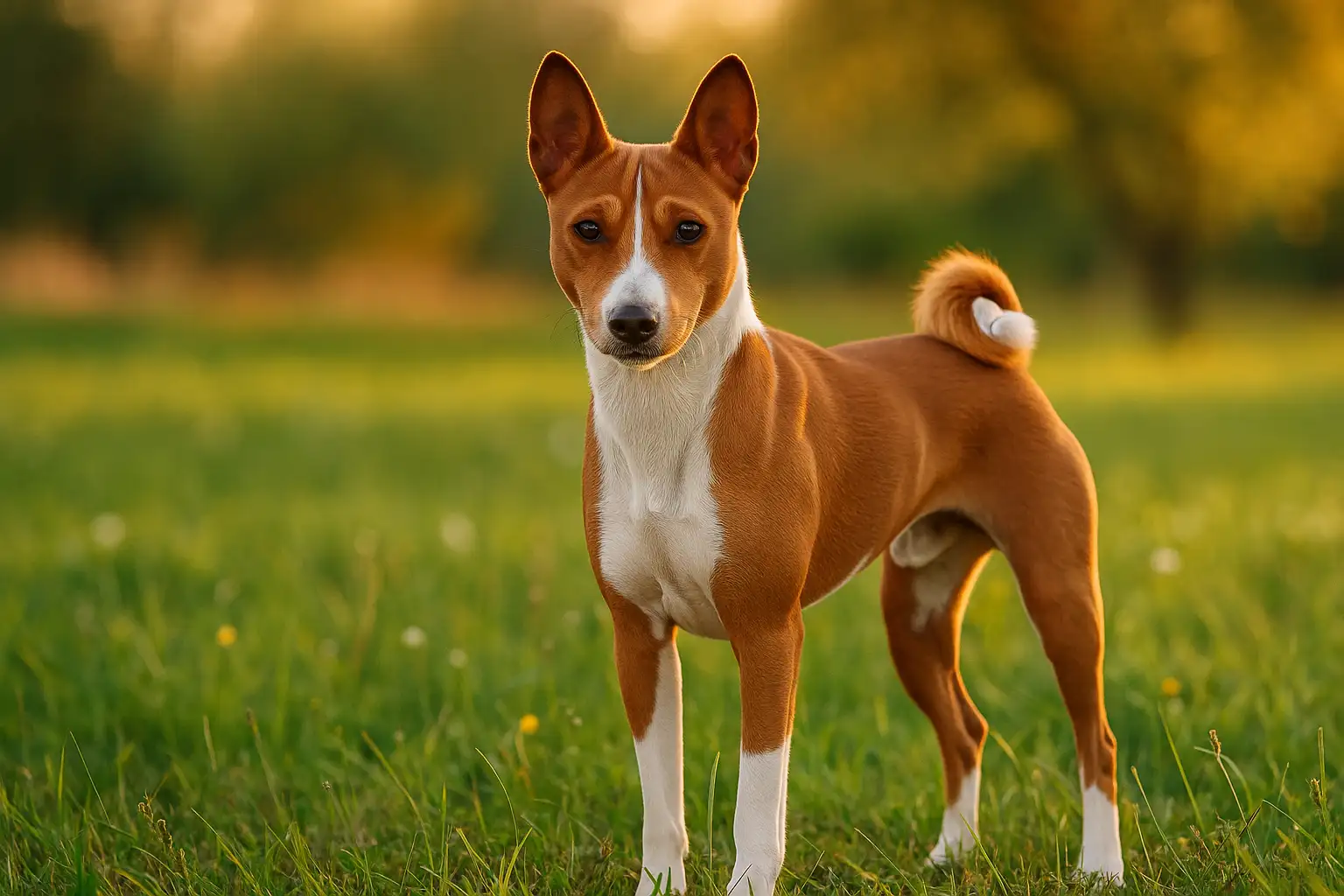
Basenji Lifespan, Age Chart & Human Years Guide
Basenjis usually live around 13 to 14 years, with some living longer when they have good genetics, healthy weight, regular exercise, and proper veterinary care. Because Basenjis are a small-to-medium breed, they often age more slowly than large and giant dogs after reaching adulthood. This guide explains the average Basenji lifespan, how Basenji age compares to human years, when a Basenji is considered senior, and what owners can expect at each life stage.
Recommended Dog Care Products
Based on your dog’s age, these products may help with comfort, health, grooming, and daily care.

Purina Pro Plan Veterinary Supplements
Daily probiotics for dogs to support digestive and gut health.
View on Amazon ↗
Earth Rated Poop Bags for Dogs
Leak-proof, extra thick waste bag refill rolls with lavender scent.
View on Amazon ↗
Greenies Pill Pockets for Dogs
Large dog treats for capsule medication, peanut butter flavor.
View on Amazon ↗
HONEY CARE All-Absorb Dog Wrap
Small male dog wraps, 50 count, useful for daily care support.
View on Amazon ↗
Seresto Flea & Tick Collar
Flea and tick treatment and prevention for dogs over 18 lbs.
View on Amazon ↗
Milk-Bone MaroSnacks
Small dog treats with real bone marrow in a 40 oz canister.
View on Amazon ↗
Vital Essentials Dog Treats
Freeze dried beef liver dog treats, grain free and single ingredient.
View on Amazon ↗
Stain & Odor Eliminator
Enzyme cleaner for pet stains, carpet messes, and strong odors.
View on Amazon ↗
Pur Luv Chicken Jerky Treats
Dog treats made with real chicken breast, high protein and chew-friendly.
View on Amazon ↗
Milk-Bone Flavor Snacks
Mini crunchy dog biscuits in a 36 oz canister for small rewards.
View on Amazon ↗As an Amazon Associate, we may earn from qualifying purchases.
Use this Basenji age chart as a simple reference for understanding your dog’s life stage. For an exact age conversion, you can also use our Basenji Age Calculator.
For complete breed background, temperament, size, and ownership details, read our Basenji Dog Breed Guide.
How Long Do Basenjis Live?
Most Basenjis live about 13 to 14 years. Some Basenjis may live into their mid-teens, especially when they are kept at a healthy weight, receive regular checkups, stay active, and avoid preventable health problems. Their lifespan is considered relatively long compared with many larger dog breeds.
The average Basenji life expectancy can vary from dog to dog. Genetics, diet, activity level, dental care, weight management, and early detection of breed-related health issues can all influence how long a Basenji lives.
Why Basenji Aging Is Different
Basenjis do not age at the same pace as humans. Like other dogs, they mature very quickly during puppyhood and early adulthood. A Basenji reaches physical and reproductive maturity much earlier than a human, which is why the first year of life represents a much bigger jump in human-equivalent age.
After the first few years, Basenji aging becomes slower and steadier. Because Basenjis are smaller than large and giant breeds, they usually have a longer lifespan and a slower adult aging pattern. This is why the old “1 dog year = 7 human years” rule is too simple and does not accurately explain how Basenjis age.
The Science Behind Dog Aging
Dog aging follows a non-linear pattern. Puppies grow, develop, and mature very quickly in the beginning, then age more gradually once they become adults. This means a young Basenji can move through major life stages in only a short time, while later years represent smaller changes in human-equivalent age.
For Basenjis, this non-linear aging pattern means the first year is a major developmental stage, the adult years are more stable, and the senior years usually begin later than they do for many larger dogs. Understanding this pattern helps owners make better decisions about diet, exercise, preventive care, and senior health monitoring.
How Basenji Age Converts to Human Years
Basenji age does not convert to human years in a straight line. The first year of a Basenji’s life represents rapid growth and maturity, while each later year adds fewer human-equivalent years. This is why a Basenji’s human age should be estimated using life stage, breed size, and aging pattern rather than a simple 7-year rule.
Recommended Dog Care Products
Based on your dog’s age, these products may help with comfort, health, grooming, and daily care.
Purina Pro Plan Veterinary Supplements
Daily probiotics for dogs to support digestive and gut health.
View on Amazon ↗
Earth Rated Poop Bags for Dogs
Leak-proof, extra thick waste bag refill rolls with lavender scent.
View on Amazon ↗
Greenies Pill Pockets for Dogs
Large dog treats for capsule medication, peanut butter flavor.
View on Amazon ↗
HONEY CARE All-Absorb Dog Wrap
Small male dog wraps, 50 count, useful for daily care support.
View on Amazon ↗
Seresto Flea & Tick Collar
Flea and tick treatment and prevention for dogs over 18 lbs.
View on Amazon ↗
Milk-Bone MaroSnacks
Small dog treats with real bone marrow in a 40 oz canister.
View on Amazon ↗
Vital Essentials Dog Treats
Freeze dried beef liver dog treats, grain free and single ingredient.
View on Amazon ↗
Stain & Odor Eliminator
Enzyme cleaner for pet stains, carpet messes, and strong odors.
View on Amazon ↗
Pur Luv Chicken Jerky Treats
Dog treats made with real chicken breast, high protein and chew-friendly.
View on Amazon ↗
Milk-Bone Flavor Snacks
Mini crunchy dog biscuits in a 36 oz canister for small rewards.
View on Amazon ↗As an Amazon Associate, we may earn from qualifying purchases.
Here are simple examples of how Basenji age compares to human years:
| Basenji Age | Approx. Human-Equivalent Age | What It Usually Means |
|---|---|---|
| 1 year | About 30 human years | Young adult stage reached |
| 5 years | About 45 human years | Prime adult stage with steady aging |
| 10 years | About 65–70 human years | Senior stage with higher care needs |
These numbers are estimates, but they give owners a clearer way to understand Basenji life stages and aging speed.
Basenji Age Chart: Basenji Years to Human Years
The Basenji age chart below shows the approximate human-age equivalent for each stage of a Basenji’s life. Since Basenjis are small-to-medium dogs with a typical lifespan of around 13 to 14 years, they usually age quickly in the beginning and then move into a slower adult aging pattern.
For a faster conversion based on your dog’s exact age, use the dedicated Basenji Age Calculator.
| Basenji Age | Human-Equivalent Age | Life Stage Notes |
|---|---|---|
| 6 months | About 18 human years | Late puppyhood with rapid physical and behavioral development |
| 1 year | About 30 human years | Young adult maturity reached |
| 2 years | About 35 human years | Fully matured adult |
| 3 years | About 40 human years | Stable adult stage |
| 4 years | About 42 human years | Prime adult period |
| 5 years | About 45 human years | Early mature stage |
| 6 years | About 50 human years | Mid-life for many Basenjis |
| 7 years | About 55 human years | Transition toward senior status |
| 8 years | About 60 human years | Early senior stage for some Basenjis |
| 9 years | About 63 human years | Senior monitoring becomes more important |
| 10 years | About 65–70 human years | Established senior stage |
| 11 years | About 72–75 human years | Senior dog with possible age-related changes |
| 12 years | About 78–82 human years | Advanced senior stage |
| 13 years | About 84–88 human years | Typical upper lifespan range |
| 14 years | About 90–95 human years | Long-lived Basenji |
Do Basenjis Age Slower Than Large Dogs?
Yes, Basenjis usually age more slowly than large and giant dog breeds during adulthood. Basenjis are small-to-medium dogs, so they often have a longer average lifespan and a slower adult aging pattern compared with bigger breeds. This is one reason many Basenjis live around 13 to 14 years, while some large and giant breeds may have shorter average lifespans.
The biggest difference happens after maturity. Most dogs age quickly during the first year, but body size becomes more important during adulthood and senior years. A Basenji may stay active and healthy into later life, while a much larger dog may reach the senior stage earlier.
| Dog Size | Typical Aging Pattern | How It Compares to Basenjis |
|---|---|---|
| Small dogs | Often longer-lived with slower adult aging | Basenjis age similarly to many small-to-medium dogs |
| Medium dogs | Moderate lifespan and steady adult aging | Basenjis sit close to this group but often stay lean and athletic |
| Large dogs | May enter senior years earlier | Basenjis usually age more slowly than large breeds |
| Giant dogs | Often shorter average lifespan and faster adult aging | Basenjis usually have a much longer lifespan than giant breeds |
This is why Basenji age should not be judged using one simple dog-age rule. Breed size, life stage, health, and body condition all matter when estimating how old a Basenji is in human years.
Basenji Puppy Age and Development Stages
Basenji puppies grow quickly during their first year. This stage is important because early socialization, training, nutrition, and routine care can influence behavior and long-term health. The table below shows the main puppy development stages for Basenjis.
| Age Range | Development Stage | Key Characteristics |
|---|---|---|
| Birth to 8 weeks | Neonatal and early socialization | Rapid growth, sensory development, reliance on mother, and early social bonding |
| 2–6 months | Early puppyhood | Fast physical development, teething, curiosity, basic training, and important socialization |
| 6–12 months | Adolescence | More independence, higher energy, maturing behavior, early hormonal changes, and continued learning |
Basenji puppies benefit from patient training, consistent routines, and early exposure to people, places, and normal household situations. For a deeper training plan, see our Basenji Training Guide.
Basenji Adult Life Stages
Basenjis move through several adult life stages, and each stage affects their activity level, behavior, health needs, and aging speed. Understanding these stages helps owners know when a Basenji is still in its prime years, when senior monitoring should begin, and how the breed’s lifespan typically develops over time.
Recommended Dog Care Products
Based on your dog’s age, these products may help with comfort, health, grooming, and daily care.
Purina Pro Plan Veterinary Supplements
Daily probiotics for dogs to support digestive and gut health.
View on Amazon ↗
Earth Rated Poop Bags for Dogs
Leak-proof, extra thick waste bag refill rolls with lavender scent.
View on Amazon ↗
Greenies Pill Pockets for Dogs
Large dog treats for capsule medication, peanut butter flavor.
View on Amazon ↗
HONEY CARE All-Absorb Dog Wrap
Small male dog wraps, 50 count, useful for daily care support.
View on Amazon ↗
Seresto Flea & Tick Collar
Flea and tick treatment and prevention for dogs over 18 lbs.
View on Amazon ↗
Milk-Bone MaroSnacks
Small dog treats with real bone marrow in a 40 oz canister.
View on Amazon ↗
Vital Essentials Dog Treats
Freeze dried beef liver dog treats, grain free and single ingredient.
View on Amazon ↗
Stain & Odor Eliminator
Enzyme cleaner for pet stains, carpet messes, and strong odors.
View on Amazon ↗
Pur Luv Chicken Jerky Treats
Dog treats made with real chicken breast, high protein and chew-friendly.
View on Amazon ↗
Milk-Bone Flavor Snacks
Mini crunchy dog biscuits in a 36 oz canister for small rewards.
View on Amazon ↗As an Amazon Associate, we may earn from qualifying purchases.
| Age Range | Life Stage | What It Usually Means |
|---|---|---|
| 1–3 years | Young adult | High energy, strong agility, continued behavioral maturity, and stable physical growth |
| 3–7 years | Prime adult | Peak condition, steady behavior, strong stamina, and the most active adult years |
| 7–10 years | Mature adult | Gradual slowing, early signs of aging, and increased need for routine health checks |
During adulthood, Basenjis usually remain active, alert, and athletic. However, owners should start paying closer attention to weight, joint comfort, dental health, and energy changes as the dog moves closer to the senior stage. For broader breed background, temperament, and ownership traits, see our Basenji Dog Breed Guide.
When Is a Basenji Considered a Senior Dog?
A Basenji is usually considered a senior dog at around 10 years old. Some may show senior signs earlier, while others remain active and healthy beyond this age. Because the average Basenji lifespan is often around 13 to 14 years, the senior stage is an important period for preventive care, comfort, and early detection of health changes.
| Age Range | Life Stage | Key Characteristics |
|---|---|---|
| 10–12 years | Senior | Reduced stamina, slower recovery, possible stiffness, and higher need for health screenings |
| 12+ years | Advanced senior | More noticeable mobility changes, sensory changes, higher chronic health risk, and need for gentler routines |
Senior Basenjis often benefit from shorter walks, softer bedding, easier access around the home, and more frequent veterinary checkups. The goal is not only to extend lifespan, but also to protect quality of life as the dog ages.
Common Signs of Aging in Basenjis
Basenjis may show aging signs gradually. Some changes are normal with age, while others may point to health issues that need veterinary attention. Tracking these signs helps owners support a longer, healthier Basenji life expectancy.
| Category | Common Signs | What It May Indicate |
|---|---|---|
| Physical | Stiffness, slower movement, weight changes, reduced muscle tone, or a duller coat | Joint strain, lower activity, metabolic changes, or general age-related decline |
| Behavioral | More sleeping, less interest in play, sensitivity to cold, or reluctance on longer walks | Reduced stamina, comfort needs, or early senior-stage adjustment |
| Cognitive | Confusion, disrupted sleep, pacing, slower response to cues, or unusual vocalization | Possible age-related cognitive changes or discomfort that should be monitored |
If these signs appear suddenly or become worse quickly, owners should treat them as health signals rather than normal aging alone. Early action can improve comfort and may help a Basenji stay healthier for longer.
How to Help a Basenji Live Longer and Age Healthily
Helping a Basenji live longer starts with consistent care across diet, exercise, weight control, preventive health checks, and daily comfort. Since Basenjis are active, intelligent dogs, they need both physical movement and mental stimulation throughout adulthood and senior life.
| Care Area | Recommendations | Why It Matters |
|---|---|---|
| Nutrition | Use age-appropriate meals, avoid overfeeding, and adjust calories as activity declines | Supports healthy weight, digestion, joint comfort, and long-term health |
| Exercise | Provide regular walks, play, and moderate activity without overexertion | Maintains muscle tone, mobility, weight control, and mental balance |
| Veterinary care | Schedule routine checkups, senior screenings, dental checks, and bloodwork when recommended | Helps detect age-related or breed-related problems earlier |
| Training and enrichment | Use short training sessions, puzzle toys, scent games, and consistent routines | Keeps the Basenji mentally active and reduces boredom-related behavior |
| Home comfort | Provide warm bedding, traction mats, ramps if needed, and a stable routine | Improves comfort and reduces injury risk during senior years |
Nutrition plays a major role in healthy aging. For more detail on feeding routines, portion control, and diet support, read our Basenji Nutrition and Feeding Guide. For behavior and mental stimulation, see our Basenji Training Guide.
Basenji Lifespan Factors
The average Basenji lifespan is usually around 13 to 14 years, but not every dog ages the same way. Genetics, care quality, activity level, body weight, dental health, and early detection of health issues can all influence how long a Basenji lives.
| Factor | Impact on Lifespan | What Owners Should Know |
|---|---|---|
| Genetics | Strong influence on overall longevity | Healthy family lines may reduce the risk of inherited issues |
| Breed-related health risks | Can affect comfort, aging speed, and quality of life | Basenjis may need monitoring for conditions such as Fanconi syndrome, PRA, and thyroid problems |
| Weight management | Important for joints, heart health, and mobility | Lean Basenjis usually age more comfortably than overweight dogs |
| Activity level | Supports muscle strength, weight control, and mental health | Regular moderate exercise helps maintain mobility into senior years |
| Preventive care | Helps detect problems before they become advanced | Routine vet visits, dental care, and senior screenings can support a longer healthy lifespan |
Daily care costs can also change as a Basenji gets older, especially if senior checkups, dental care, or health monitoring become more frequent. For planning long-term ownership costs, see our Basenji Cost of Ownership Guide.
Basenji Grooming and Senior Comfort
Basenjis are generally low-maintenance dogs, but grooming still supports healthy aging. Regular brushing, nail trimming, ear checks, dental care, and skin monitoring can help owners notice changes early. Senior Basenjis may also need extra help with comfort, warmth, and mobility.
Recommended Dog Care Products
Based on your dog’s age, these products may help with comfort, health, grooming, and daily care.
Purina Pro Plan Veterinary Supplements
Daily probiotics for dogs to support digestive and gut health.
View on Amazon ↗
Earth Rated Poop Bags for Dogs
Leak-proof, extra thick waste bag refill rolls with lavender scent.
View on Amazon ↗
Greenies Pill Pockets for Dogs
Large dog treats for capsule medication, peanut butter flavor.
View on Amazon ↗
HONEY CARE All-Absorb Dog Wrap
Small male dog wraps, 50 count, useful for daily care support.
View on Amazon ↗
Seresto Flea & Tick Collar
Flea and tick treatment and prevention for dogs over 18 lbs.
View on Amazon ↗
Milk-Bone MaroSnacks
Small dog treats with real bone marrow in a 40 oz canister.
View on Amazon ↗
Vital Essentials Dog Treats
Freeze dried beef liver dog treats, grain free and single ingredient.
View on Amazon ↗
Stain & Odor Eliminator
Enzyme cleaner for pet stains, carpet messes, and strong odors.
View on Amazon ↗
Pur Luv Chicken Jerky Treats
Dog treats made with real chicken breast, high protein and chew-friendly.
View on Amazon ↗
Milk-Bone Flavor Snacks
Mini crunchy dog biscuits in a 36 oz canister for small rewards.
View on Amazon ↗As an Amazon Associate, we may earn from qualifying purchases.
For a complete care routine, read our Basenji Grooming Basics.
Basenji Lifespan and Age Chart FAQs
Below are common questions owners ask about Basenji lifespan, life expectancy, age charts, senior age, and human-year conversion.
How long do Basenjis live?
Most Basenjis live around 13 to 14 years. Some may live longer with good genetics, healthy weight, regular exercise, preventive care, and early treatment of health issues.
What is the average Basenji lifespan?
The average Basenji lifespan is usually about 13 to 14 years. This is considered a relatively long lifespan compared with many larger dog breeds.
What is the life expectancy of a Basenji?
Basenji life expectancy is commonly around 13 to 14 years, although individual lifespan can vary based on genetics, diet, exercise, weight, and medical care.
How old is a Basenji in human years?
A 1-year-old Basenji is roughly similar to a young adult human, while a 10-year-old Basenji is usually considered a senior dog. For a more specific conversion, use the Basenji Age Calculator.
What age is considered senior for a Basenji?
A Basenji is usually considered senior at around 10 years old. Some dogs may show senior signs earlier, while healthy and active Basenjis may remain energetic beyond that age.
Do Basenjis age slower than large dogs?
Yes. Basenjis usually age more slowly in adulthood than large and giant breeds. Their smaller size helps support a longer average lifespan and a slower adult aging pattern.
How can I help my Basenji live longer?
You can support a longer Basenji lifespan by keeping your dog lean, feeding a balanced diet, providing regular exercise, maintaining dental care, scheduling routine vet visits, and watching for age-related changes.
Do Basenjis have age-related health issues?
Senior Basenjis may be more likely to face issues such as stiffness, dental problems, thyroid concerns, vision changes, or breed-related conditions. Regular checkups can help detect problems earlier.
Final Thoughts on Basenji Lifespan and Aging
Basenjis are long-lived, active, and intelligent dogs that often enjoy a lifespan of around 13 to 14 years. Their aging pattern is fast during puppyhood, steadier through adulthood, and more noticeable during the senior years. A clear Basenji age chart helps owners understand life stages, while proper care, nutrition, exercise, grooming, and health monitoring can support a longer and healthier life.
To check your dog’s exact age conversion, use our Basenji Age Calculator.

Ata Ur Rehman is the founder of Pet Age in Human Years Calculator, an educational platform that provides age conversion charts and lifespan guides for dogs, cats, birds, and other companion animals. His work focuses on helping pet owners understand how animal ages translate into human years using commonly accepted age conversion formulas and published lifespan averages.
The website compiles breed and species lifespan data from kennel clubs, breed organizations, and general animal lifespan studies to present simple and easy-to-understand guides for pet owners worldwide.
This website was created to centralize animal age conversion charts into one easy reference platform for pet owners.