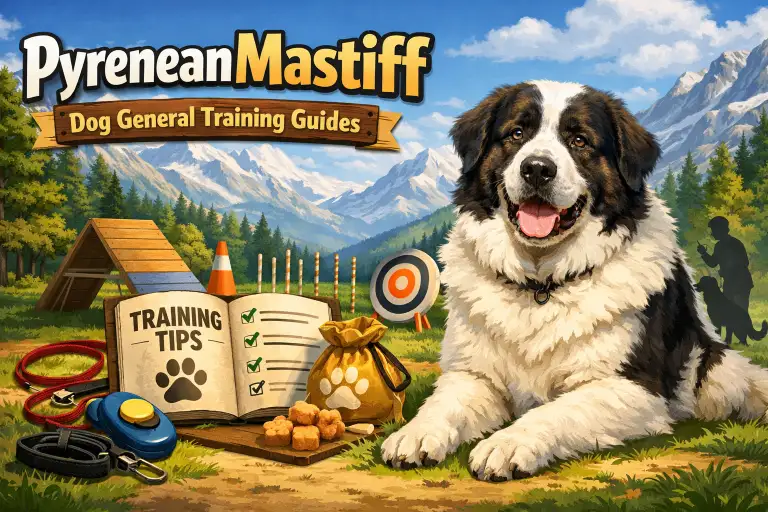
The Pyrenean Mastiff is a majestic, giant livestock guardian dog known for its calm demeanor, strong protective instincts, and slow-to-mature personality. Training this breed is not the same as teaching a typical pet dog. Their independence, decision-making skills, and guardian instincts mean they require a thoughtful, patient, and consistent approach.
This guide is designed for both first-time owners and experienced dog handlers who want to understand the unique training needs of the Pyrenean Mastiff. Whether you have a puppy, an adolescent, or an adult dog, this article provides a step-by-step framework, practical solutions to common problems, and guidance on when to seek professional help.
Many owners are surprised by how long it takes for these dogs to reach full maturity, which can be up to 2–3 years, and underestimate the patience and consistency required. Without proper guidance, even a well-intentioned owner can face challenges such as selective listening, leash issues, or overprotectiveness.
key traits of the Pyrenean Mastiff that directly impact training:
| Trait | Details |
|---|---|
| Size | 100–160 lbs; massive and strong, requires careful handling |
| Temperament | Independent, calm, protective of family and property |
| Maturity | Full mental and emotional maturity at 2–3 years |
| Training Difficulty | Moderate to high; requires patience, consistency, and positive reinforcement |
| Energy Level | Moderate; enjoys outdoor space and light exercise, not hyperactive |
| Socialization Needs | Early and consistent exposure to people, animals, and environments |
Understanding these core traits helps owners adjust expectations, choose the right training methods, and ensure their Pyrenean Mastiff grows into a well-mannered, confident, and safe companion.
Understanding the Pyrenean Mastiff Temperament and Trainability
Pyrenean Mastiffs are independent and calm dogs. They were bred to guard livestock, which means they are naturally protective and make decisions on their own. This independence can sometimes be mistaken for stubbornness, but it is part of their guardian nature. Understanding their temperament helps you train them more effectively.
Puppies, adolescents, and adults behave differently, and training should match their age and mental maturity. Puppies are curious and playful but have short attention spans. Adolescents may test rules and push boundaries. Adults are confident and steady, but they need consistent reinforcement to maintain good behavior.
These dogs do not respond well to harsh corrections or dominance. They learn best through patience, positive reinforcement, and clear, consistent rules. Treats, praise, and gentle guidance work much better than punishment.
To make it easy to understand, here’s a table showing how their behavior changes with age and what training focus is best:
| Age Group | Behavior Traits | Training Focus |
|---|---|---|
| Puppy (2–6 months) | Curious, playful, short attention | Bonding, basic commands, gentle exposure to people and environments |
| Adolescent (6–18 months) | Tests independence, higher energy | Boundaries, leash control, reliable recall |
| Adult (2+ years) | Confident, independent, calm | Advanced obedience, maintaining boundaries, managing guarding instincts |
By knowing these differences, owners can adjust expectations and training methods. For example, short, fun training sessions work best for puppies, while consistent rules and clear boundaries are key for adolescents and adults.
Training a Pyrenean Mastiff is about working with their natural instincts, not against them. Understanding their mind and behavior helps prevent frustration for both the dog and the owner.
How to Train a Pyrenean Mastiff Step by Step
Training a Pyrenean Mastiff takes patience, consistency, and positive reinforcement. These dogs are smart, independent, and strong, so short, regular sessions work best. Here is a simple step-by-step approach that works for puppies, adolescents, and adults.
Start with basic foundation skills that matter most for safety and good behavior. Focus on recall, leash manners, calm greetings, and boundaries. Always use treats, praise, and gentle guidance to reward the behavior you want. Avoid punishment, because these dogs respond better to encouragement than pressure.
Training sessions should be short and frequent. For example, 5–10 minutes per skill, 1–3 times a day. Gradually increase the difficulty as your dog improves. Always end sessions on a positive note to keep your dog motivated.
Here’s a table with training session guidelines for different skills:
| Skill | Session Length | Frequency | Tips |
|---|---|---|---|
| Recall | 5–10 min | 2–3 times/day | Start short distance, reward immediately, gradually increase distance |
| Leash Manners | 5–10 min | 1–2 times/day | Reward calm walking, stop if pulling occurs |
| Calm Greetings | 3–5 min | Daily | Ignore jumping, reward sitting calmly |
| Boundary Respect | 5–7 min | 2 times/day | Use clear cues, reinforce consistently |
| Basic Commands (sit, stay, down) | 5–10 min | Daily | Keep sessions fun, reward success |
It is important to adjust training depending on the environment. Rural dogs may have more space but face distractions like livestock or wildlife. Suburban dogs may encounter more people and other pets. Multi-pet households require careful supervision and gradual introduction of rules for each dog.
The key is to train in small steps, stay consistent, and match training to your dog’s age, energy, and temperament. Progress may be slow, but with patience, your Pyrenean Mastiff will become reliable and well-mannered.
Common Pyrenean Mastiff Training Problems and Solutions
Even with the best training, Pyrenean Mastiffs can show common behavior challenges. Knowing what to expect and how to fix it helps you avoid frustration and keeps training effective. Many of these issues come from their independent nature and guardian instincts, not stubbornness.
Here are the most frequent problems and how to solve them:
| Problem | Common Cause | Solution |
|---|---|---|
| Ignores commands | Low motivation, distractions, incomplete training | Short, fun sessions, use high-value rewards, practice in low-distraction areas first |
| Pulling on leash | Strength and excitement | Stop-and-go method, reward slack leash walking, keep sessions calm |
| Jumping or overexcitement | Greeting excitement | Ignore jumping, reward calm sitting, practice consistent greetings |
| Overprotectiveness | Guardian instincts | Controlled exposure to visitors, consistent rules, reward calm behavior |
| Territorial behavior | Sensing threat | Teach clear boundaries, gradual socialization, do not punish protective instincts |
Owner mistakes can also make training slower. Common errors include inconsistent rules, over-repetition, poor timing, or expecting instant results. Pyrenean Mastiffs need patience and repetition, but sessions should always be positive and rewarding.
By understanding these typical problems and solutions, you can manage your dog safely while encouraging good habits. Real-world examples include gradually introducing visitors for a suburban dog, or working on recall with distractions for a rural dog near livestock.
When to Get Professional Help with Pyrenean Mastiff Training
Sometimes, despite your best efforts, a Pyrenean Mastiff may show behavior issues that need professional guidance. Knowing when to get help can prevent problems from getting worse and ensures your dog stays safe and confident.
Here are the main signs that you should consult a professional:
| Behavior / Sign | Severity | Recommended Action |
|---|---|---|
| Aggression toward people | High | Seek a certified livestock guardian dog trainer or veterinary behaviorist immediately |
| Fear-based reactions | Medium | Consult a certified trainer or vet behaviorist to manage fear safely |
| Escalating guarding behavior | Medium-High | Early intervention with an experienced trainer is important |
| Persistent disobedience | Low-Medium | Structured training plan with professional guidance can improve results |
It is important to act early. Puppies and adolescent dogs respond faster to professional guidance than adults with ingrained habits. Choosing a trainer experienced with guardian breeds is essential, as standard obedience methods may not work with Pyrenean Mastiffs.
Professional help can also provide personalized training plans, address specific behavior problems, and give owners confidence in handling a large, independent dog.
- Introduction to Pyrenean Mastiff Training
- Understanding the Pyrenean Mastiff Temperament and Trainability
- How to Train a Pyrenean Mastiff Step by Step
- Common Pyrenean Mastiff Training Problems and Solutions
- When to Get Professional Help with Pyrenean Mastiff Training
For more expert tips on training large guardian breeds, you can visit the American Kennel Club’s guide on dog training here.

Ata Ur Rehman is the founder of Pet Age in Human Years Calculator, an educational platform that provides age conversion charts and lifespan guides for dogs, cats, birds, and other companion animals. His work focuses on helping pet owners understand how animal ages translate into human years using commonly accepted age conversion formulas and published lifespan averages.
The website compiles breed and species lifespan data from kennel clubs, breed organizations, and general animal lifespan studies to present simple and easy-to-understand guides for pet owners worldwide.
This website was created to centralize animal age conversion charts into one easy reference platform for pet owners.