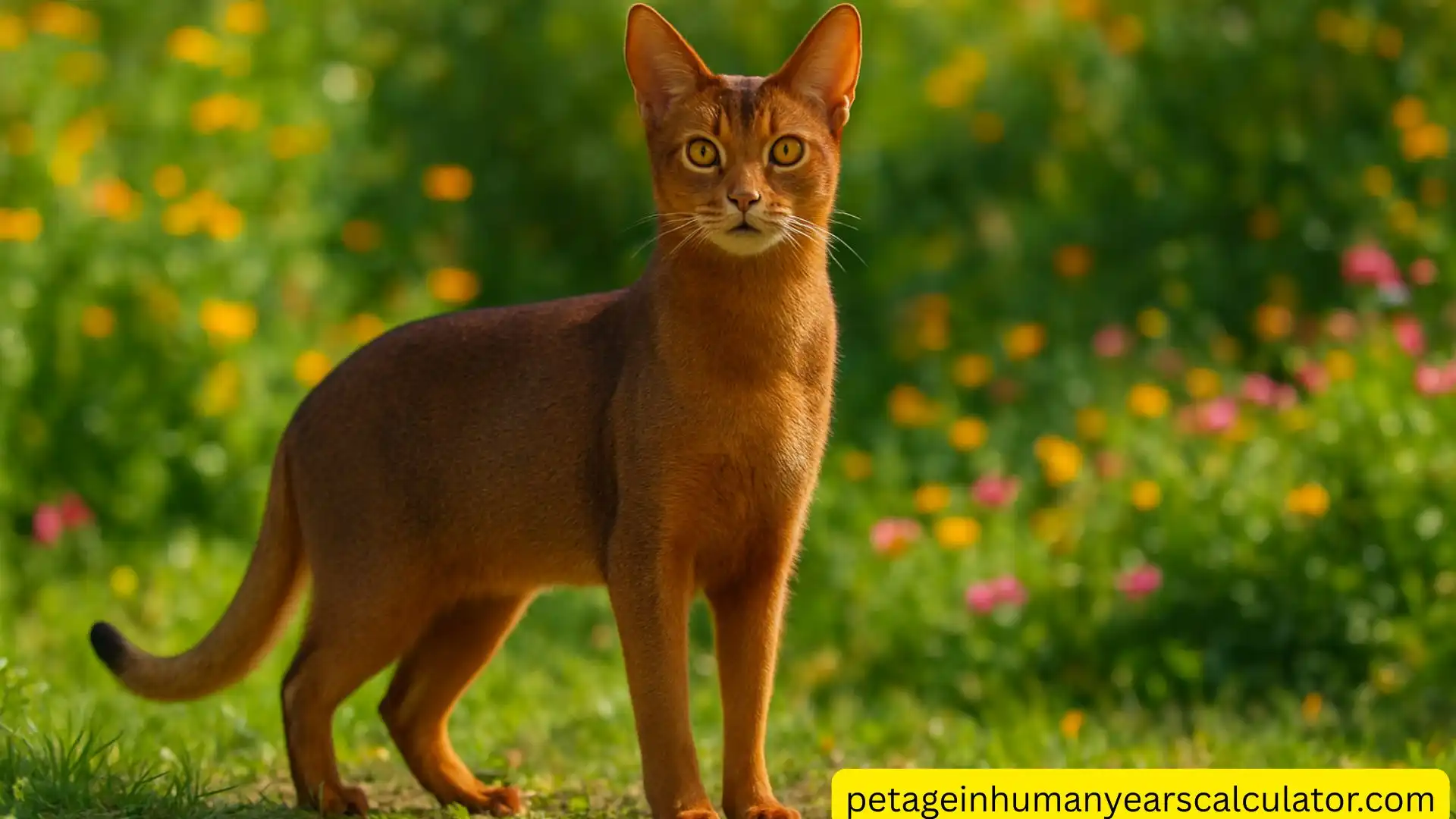
Abyssinian Cat: A Complete Overview
The Abyssinian cat is admired for its wild, exotic appearance and lively personality. While its name comes from Abyssinia (modern-day Ethiopia), studies suggest this breed likely originated from coastal regions of the Indian Ocean and Southeast Asia. Today, it’s known worldwide as one of the most active and intelligent cats.
Appearance: Sleek and Striking
What sets the Abyssinian apart is its unique “ticked” coat. Each hair has alternating light and dark bands, creating a glowing, multi-layered effect. Common colors include ruddy, red, blue, and fawn, along with silver variations.
- Body: Long, lean, and muscular, with slender legs and oval feet that give a tiptoe-like stance.
- Head: A wedge-shaped face with a rounded muzzle and strong chin.
- Ears & Eyes: Large, pointed ears and almond-shaped, expressive eyes outlined with a dark rim.
Personality: Playful and People-Oriented
The Abyssinian cat is not your typical lap cat. It’s full of energy, always curious, and loves to stay involved in household activities.
- Playful Nature: They enjoy climbing, exploring, and even playing fetch.
- Affectionate: These cats often follow their owners around, forming strong bonds.
- Intelligent: They can quickly figure out puzzles—or even how to open cabinets!
- Soft Voice: Their gentle chirps are more musical than meows.
Care: Keeping Your Abyssinian Happy
While the Abyssinian cat has a short coat that requires minimal grooming, its active lifestyle demands plenty of attention.
- Grooming: Weekly brushing is enough.
- Exercise: Provide cat trees, toys, and climbing shelves.
- Social Needs: They dislike being alone for long periods; a pet companion helps.
- Indoor Life: Best kept indoors, as they are friendly explorers and prone to roaming.
Health and Lifespan
The Abyssinian cat is generally a healthy and robust breed, with a typical lifespan ranging from 9 to 15 years. With proper diet, regular vet checkups, and plenty of mental and physical stimulation, many Abyssinians enjoy long, active lives. However, like many purebred cats, they can be predisposed to certain genetic conditions. Owners should keep an eye out for issues such as gingivitis, pyruvate kinase deficiency (PK-Def)—a blood disorder, and progressive retinal atrophy (PRA), which can affect vision over time. Early detection and preventive care are the best ways to keep this lively breed thriving well into its senior years.
👉Check out our Cat age Calculator Abyssinian cat life span.
Abyssinian Cat Facts Table
| Feature | Description |
| Breed Type | Domestic, short-haired cat |
| Origin | Indian Ocean coastal regions & Southeast Asia |
| Size | Medium |
| Body Shape | Long, slender, muscular |
| Coat Type | Short, soft, dense, silky |
| Coat Pattern | Ticked (each hair banded with light & dark colors) |
| Common Colors | Ruddy, red (cinnamon), blue, fawn, silver variations |
| Eye Shape | Large, almond-shaped |
| Ear Shape | Large, pointed, cupped |
| Personality | Energetic, intelligent, social, playful |
| Voice | Quiet, soft, chirping tones |
| Lifespan | 9–15 years |
| Care Needs | Low grooming, high exercise & social interaction |
| Health Concerns | Gingivitis, PK-Def, Progressive Retinal Atrophy (PRA) |
Most Searched Terms About Abyssinian Cats
The Abyssinian cat is admired worldwide for its unique looks and playful personality, which is why people often search for different variations and details about this breed. From coat colors to pricing and mixes, these are the terms cat lovers are most curious about.
Abyssinian Cat Price
When it comes to cost, the Abyssinian cat is considered a premium breed because of its rarity and demand. The price usually ranges from $500 to $1,500, but top-quality show cats can go well beyond this. The final cost depends on the breeder’s reputation, the cat’s lineage, and whether it is bought as a pet or for show purposes. Potential owners should also consider ongoing expenses like food, grooming, and veterinary care.
Blue Abyssinian Cat
The Blue Abyssinian cat is a stunning variation with a bluish-gray coat that has a beautiful silvery glow. This rare color type is especially valued for its cool-toned elegance, making it different from the more common ruddy or red Abyssinians. Cat lovers often describe the blue variety as regal and graceful, with the shimmering coat giving them a unique, eye-catching look. Owning a Blue Abyssinian can feel like having a little piece of living art in your home.
Abyssinian Cat Grey
The grey Abyssinian is often another way of describing the blue or silver variety, both of which carry cooler shades in their coat. Unlike the warm tones of ruddy or red, these cats display a smoky, muted look that stands out beautifully. Each hair still carries the classic ticked pattern, which enhances their shimmering grey appearance. For many owners, the grey Abyssinian represents the perfect blend of elegance and mystery.
Abyssinian Tabby Cat
Although Abyssinians are not true tabbies, their ticked coat sometimes gives the illusion of a tabby-like pattern. Instead of bold stripes, each individual hair has multiple color bands, which creates a soft, natural “wildcat” look. This effect can remind people of tabby cats, leading to the popular search term “Abyssinian tabby.” It’s one of the features that make the breed appear exotic and closer to its ancient roots.
Abyssinian Tabby Cat Mix
When an Abyssinian is crossed with a tabby cat, the kittens often inherit a fascinating mix of features from both parents. The slender body and active nature of the Abyssinian combine with the strong striping patterns of a tabby, resulting in unique and varied looks. These mixes are popular among people who want a cat that is playful, intelligent, and still carries a touch of the tabby’s charm. The combination makes them both visually appealing and full of personality.
Red Abyssinian Cat
The Red Abyssinian, sometimes called the cinnamon Abyssinian, is admired for its warm and glowing coat. The rich reddish-brown shades, enhanced by the signature ticking, give these cats a fiery and lively appearance. This variety is less common than the ruddy type, making it even more special among enthusiasts. Many owners find the red variation to be the most striking because it seems to radiate warmth and energy wherever the cat goes.
Silver Abyssinian Cat
The Silver Abyssinian is one of the rarest and most elegant versions of this breed. Its pale silver base coat, layered with darker ticking, creates a dramatic shimmering effect that is truly breathtaking. This variety is harder to find, which makes it highly desirable among breeders and cat lovers. The combination of elegance, rarity, and the Abyssinian’s playful temperament makes the silver variation especially prized.
Most Searched FAQs About Abyssinian
Are Abyssinian Cats Hypoallergenic?
No cat breed is truly hypoallergenic, but the Abyssinian cat is often considered a better choice for allergy sufferers. Their short, fine coat produces less dander compared to many other breeds. However, people with strong allergies should still spend time with an Abyssinian before adopting to see how they react.
How Much Are Abyssinian Cats?
The price of an Abyssinian cat usually falls between $500 and $1,500, depending on factors like pedigree, breeder reputation, and location. Show-quality kittens or rare color variations can cost much more. It’s also important to plan for ongoing care expenses such as food, toys, grooming, and vet visits.
What Is an Abyssinian Cats?
The Abyssinian cat is an active and intelligent breed known for its sleek, ticked coat and wildcat-like appearance. They are medium-sized, muscular cats with large ears and almond-shaped eyes. Playful, curious, and people-oriented, they are often described as having dog-like personalities because of their loyalty and love for interaction.
Do Abyssinian Cats Shed?
Yes, Abyssinian cats do shed, but only lightly compared to long-haired breeds. Their short, fine coat requires minimal grooming, usually just weekly brushing to remove loose hair. Regular grooming not only keeps shedding under control but also helps strengthen the bond between cat and owner.
Are Abyssinian Cats Affectionate?
Yes, Abyssinian cats are very affectionate and people-oriented. They are known for following their owners around the house and becoming part of daily activities. While they may not always sit in your lap, they love being close, playing interactive games, and bonding with their families.
How Long Do Abyssinian Cats Live?
On average, the Abyssinian cat lifespan is between 9 and 15 years, though some can live even longer with proper care. Regular vet checkups, a healthy diet, and plenty of exercise help them live a happy and active life.
Are Abyssinian Cats Indoor or Outdoor Cats?
It’s generally recommended to keep Abyssinian cats indoors. They are curious explorers and may wander too far, which puts them at risk of getting lost or stolen. Providing indoor climbing shelves, scratching posts, and toys is the best way to keep them entertained and safe.
Do Abyssinian Cats Get Along With Other Pets?
Yes, Abyssinians usually get along well with other cats and even friendly dogs. Their social nature means they enjoy companionship and dislike being left alone for long hours. Introducing them slowly and carefully to other pets helps ensure a smooth adjustment.
Final Words
The Abyssinian cat is more than just a beautiful breed it’s a lively, intelligent, and affectionate companion that brings joy and energy into any home. With their shimmering ticked coat, playful personality, and people-oriented nature, they stand out as one of the most captivating cat breeds in the world. Though they require attention, stimulation, and social interaction, their loyalty and charm make them well worth the care. From their unique appearance to their curious, dog-like behavior, Abyssinians are truly a special choice for cat lovers.
If you’d like to dive deeper into their history and characteristics, you can read more on Wikipedia’s Abyssinian cat page.

Ata Ur Rehman is the founder of Pet Age in Human Years Calculator, an educational platform that provides age conversion charts and lifespan guides for dogs, cats, birds, and other companion animals. His work focuses on helping pet owners understand how animal ages translate into human years using commonly accepted age conversion formulas and published lifespan averages.
The website compiles breed and species lifespan data from kennel clubs, breed organizations, and general animal lifespan studies to present simple and easy-to-understand guides for pet owners worldwide.
This website was created to centralize animal age conversion charts into one easy reference platform for pet owners.