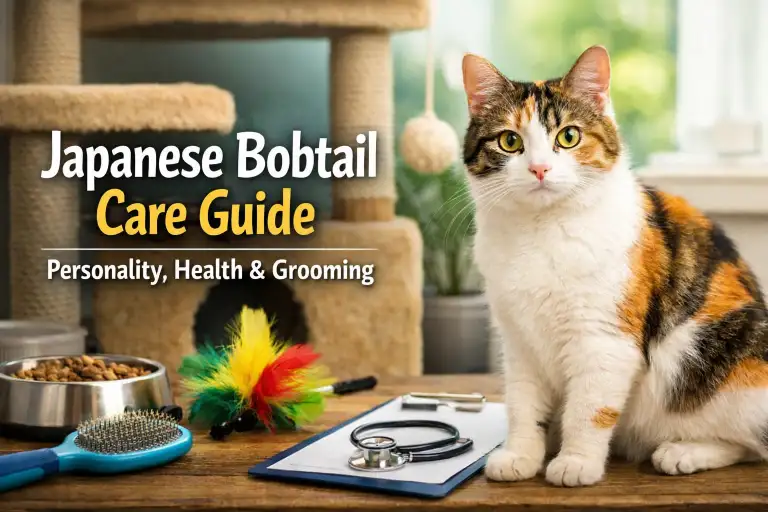
This care guide is written for people who want to properly care for a Japanese Bobtail, not just understand the breed in theory. Whether you’re bringing one home for the first time or already sharing your life with a bobtailed companion, this guide focuses on what actually matters day to day: behavior, enrichment, grooming, health awareness, and realistic care routines.
Recommended Dog Care Products
Based on your dog’s age, these products may help with comfort, health, grooming, and daily care.

Purina Pro Plan Veterinary Supplements
Daily probiotics for dogs to support digestive and gut health.
View on Amazon ↗
Earth Rated Poop Bags for Dogs
Leak-proof, extra thick waste bag refill rolls with lavender scent.
View on Amazon ↗
Greenies Pill Pockets for Dogs
Large dog treats for capsule medication, peanut butter flavor.
View on Amazon ↗
HONEY CARE All-Absorb Dog Wrap
Small male dog wraps, 50 count, useful for daily care support.
View on Amazon ↗
Seresto Flea & Tick Collar
Flea and tick treatment and prevention for dogs over 18 lbs.
View on Amazon ↗
Milk-Bone MaroSnacks
Small dog treats with real bone marrow in a 40 oz canister.
View on Amazon ↗
Vital Essentials Dog Treats
Freeze dried beef liver dog treats, grain free and single ingredient.
View on Amazon ↗
Stain & Odor Eliminator
Enzyme cleaner for pet stains, carpet messes, and strong odors.
View on Amazon ↗
Pur Luv Chicken Jerky Treats
Dog treats made with real chicken breast, high protein and chew-friendly.
View on Amazon ↗
Milk-Bone Flavor Snacks
Mini crunchy dog biscuits in a 36 oz canister for small rewards.
View on Amazon ↗As an Amazon Associate, we may earn from qualifying purchases.
Japanese Bobtails are often described as “easy cats,” but that description can be misleading. They are generally healthy and adaptable, yes—but they are also highly social, mentally active, and emotionally engaged cats. Owners who treat them like low-interaction or purely decorative pets often run into avoidable behavior issues such as excessive vocalization, attention-seeking, or destructive boredom habits.
This guide is designed to help you:
- Understand what Japanese Bobtails need to stay mentally and physically satisfied
- Build a daily and weekly care routine that fits real life
- Recognize early signs of stress, boredom, or health concerns
- Avoid common care mistakes that even experienced cat owners make with this breed
You don’t need special equipment, luxury products, or an advanced training background to care for a Japanese Bobtail well. What you do need is consistency, engagement, and awareness of how their personality affects their care needs. When those needs are met, Japanese Bobtails tend to be affectionate, playful, and deeply bonded companions that fit well into many households—including apartments, families, and multi-pet homes.
Japanese Bobtail Temperament & Behavior: How to Keep Them Happy Indoors
Japanese Bobtails are friendly, curious, and people-focused cats. Many owners notice that their Bobtail likes to follow them from room to room, watch what they are doing, and join in whenever possible. This is not a lazy or “leave me alone” type of cat.
Here is what most Japanese Bobtail owners experience:
- Very social and enjoys being around people
- Playful even as an adult
- Smart and quick to learn routines
- Likes to talk using soft chirps or short meows
- Strongly bonds with one or two people
Because of this personality, Japanese Bobtails need more attention and play than some other cats. When these needs are not met, behavior problems can appear.
Common behavior signs and what they mean
- Meowing more than usual
Often means boredom, loneliness, or wanting interaction - Knocking things over or climbing everything
Usually a sign of high energy and not enough play - Following you constantly
This is normal for the breed, but can increase if the cat feels ignored - Scratching furniture
Often happens when scratching posts are not placed in the right spots
How to keep a Japanese Bobtail happy indoors
- Play with your cat at least once or twice every day
Use wand toys, balls, or chase games - Talk to your cat and include them in daily life
Many Bobtails enjoy simple attention and routine - Give them places to climb and watch from above
Cat trees, shelves, or window perches work well - Change toys often
This prevents boredom and keeps their mind active
Living with other pets and people
Japanese Bobtails usually do well with:
- Other cats, when introduced slowly
- Cat-friendly dogs
- Children who are gentle and respectful
They may struggle if:
- Left alone for long hours every day
- Their play needs are ignored
- They are treated like a quiet, low-energy cat
Japanese Bobtail Care Routine: Feeding, Exercise, Litter, and Home Setup
A Japanese Bobtail does best with a simple but steady daily routine. These cats like knowing what to expect. A good routine helps prevent stress, bad habits, and health problems.
Recommended Dog Care Products
Based on your dog’s age, these products may help with comfort, health, grooming, and daily care.
Purina Pro Plan Veterinary Supplements
Daily probiotics for dogs to support digestive and gut health.
View on Amazon ↗
Earth Rated Poop Bags for Dogs
Leak-proof, extra thick waste bag refill rolls with lavender scent.
View on Amazon ↗
Greenies Pill Pockets for Dogs
Large dog treats for capsule medication, peanut butter flavor.
View on Amazon ↗
HONEY CARE All-Absorb Dog Wrap
Small male dog wraps, 50 count, useful for daily care support.
View on Amazon ↗
Seresto Flea & Tick Collar
Flea and tick treatment and prevention for dogs over 18 lbs.
View on Amazon ↗
Milk-Bone MaroSnacks
Small dog treats with real bone marrow in a 40 oz canister.
View on Amazon ↗
Vital Essentials Dog Treats
Freeze dried beef liver dog treats, grain free and single ingredient.
View on Amazon ↗
Stain & Odor Eliminator
Enzyme cleaner for pet stains, carpet messes, and strong odors.
View on Amazon ↗
Pur Luv Chicken Jerky Treats
Dog treats made with real chicken breast, high protein and chew-friendly.
View on Amazon ↗
Milk-Bone Flavor Snacks
Mini crunchy dog biscuits in a 36 oz canister for small rewards.
View on Amazon ↗As an Amazon Associate, we may earn from qualifying purchases.
Daily care basics
- Feed your cat at the same times each day
Most adult Japanese Bobtails do well with two meals a day - Provide fresh water at all times
Clean the water bowl daily - Play with your cat for at least 20–30 minutes
Split playtime into short sessions if needed - Scoop the litter box every day
This breed is very clean and may avoid a dirty box - Spend calm time together
Petting, talking, or just sitting nearby helps them feel safe
Weekly and occasional care
- Brush your cat once or twice a week
Long-haired Bobtails may need more brushing - Trim nails every 2–3 weeks
Start slowly and reward calm behavior - Clean food and water bowls weekly
This helps prevent bacteria - Weigh your cat once a month
Sudden weight changes can signal health issues
Feeding tips for Japanese Bobtails
- Choose high-quality cat food with animal protein
- Avoid overfeeding, as active cats can still gain weight indoors
- Treats should be limited and used mostly for training or bonding
Litter box and home setup
- Provide one litter box per cat, plus one extra
- Place boxes in quiet, easy-to-reach areas
- Use sturdy scratching posts near sleeping and play areas
Japanese Bobtails love to jump and climb. Make sure shelves, cat trees, and windows are safe and stable. Remove fragile items from high places.
Japanese Bobtail Grooming Guide: Coat Care, Shedding, Nails, Teeth
Japanese Bobtails are not hard to groom, but regular care keeps them healthy and comfortable. Grooming also helps you notice small health problems early.
Coat care and shedding
Japanese Bobtails can have short or long fur.
- Short-haired Bobtails need brushing about once a week
- Long-haired Bobtails need brushing two to three times a week
Brushing removes loose hair and helps prevent hairballs. These cats usually shed a small to medium amount. Heavy shedding can be a sign of stress or poor diet.
Nail care
- Trim nails every 2 to 3 weeks
- Use cat nail clippers, not human ones
- Only cut the sharp tip and avoid the pink area
Start nail trims when your cat is calm. If your cat resists, trim one or two nails at a time.
Teeth and mouth care
- Brush your cat’s teeth if possible, two to three times a week
- Use cat-safe toothpaste only
- Dental treats can help, but they do not replace brushing
Bad breath, red gums, or trouble eating can be signs of dental problems.
Ears and eyes
- Check ears once a week for dirt or bad smell
- Gently wipe eyes if you see discharge
Do not put anything deep inside the ears. If you see redness, swelling, or thick discharge, contact a vet.
Japanese Bobtail Health: Common Issues, Vet Visits, and Warning Signs
Japanese Bobtails are usually healthy cats, but regular care and early action are still very important. Many health problems are easier and cheaper to treat when caught early.
Common health concerns
Most Japanese Bobtails live long, healthy lives. Still, owners should watch for:
- Dental problems like gum disease
- Weight gain in indoor cats
- Joint stiffness as they age
- Stomach issues from poor diet or stress
The bobbed tail is natural and not painful. It does not usually cause spine problems, but rough handling should be avoided.
Recommended Dog Care Products
Based on your dog’s age, these products may help with comfort, health, grooming, and daily care.
Purina Pro Plan Veterinary Supplements
Daily probiotics for dogs to support digestive and gut health.
View on Amazon ↗
Earth Rated Poop Bags for Dogs
Leak-proof, extra thick waste bag refill rolls with lavender scent.
View on Amazon ↗
Greenies Pill Pockets for Dogs
Large dog treats for capsule medication, peanut butter flavor.
View on Amazon ↗
HONEY CARE All-Absorb Dog Wrap
Small male dog wraps, 50 count, useful for daily care support.
View on Amazon ↗
Seresto Flea & Tick Collar
Flea and tick treatment and prevention for dogs over 18 lbs.
View on Amazon ↗
Milk-Bone MaroSnacks
Small dog treats with real bone marrow in a 40 oz canister.
View on Amazon ↗
Vital Essentials Dog Treats
Freeze dried beef liver dog treats, grain free and single ingredient.
View on Amazon ↗
Stain & Odor Eliminator
Enzyme cleaner for pet stains, carpet messes, and strong odors.
View on Amazon ↗
Pur Luv Chicken Jerky Treats
Dog treats made with real chicken breast, high protein and chew-friendly.
View on Amazon ↗
Milk-Bone Flavor Snacks
Mini crunchy dog biscuits in a 36 oz canister for small rewards.
View on Amazon ↗As an Amazon Associate, we may earn from qualifying purchases.
Regular vet care
- Kittens need several vet visits in the first year
- Adult cats should see a vet once a year
- Senior cats may need two checkups a year
Routine vet care includes vaccines, parasite control, and general health checks.
Warning signs you should not ignore
Call a vet if your cat shows:
- Eating less or not eating at all
- Sudden weight loss or weight gain
- Using the litter box less or more than usual
- Hiding more than normal
- Trouble breathing or constant coughing
- Limping or trouble jumping
Cats often hide pain. Small behavior changes can be a big warning sign.
Keeping your cat healthy at home
- Keep a steady routine
- Provide daily play and mental activity
- Feed balanced, high-quality food
- Keep fresh water available
- Watch behavior and energy levels closely
For more trusted, science-based feline care guidance, you can visit the International Cat Care (ISFM) website, which offers expert advice on cat health, behavior, and wellbeing:
https://icatcare.org

Ata Ur Rehman is the founder of Pet Age in Human Years Calculator, an educational platform that provides age conversion charts and lifespan guides for dogs, cats, birds, and other companion animals. His work focuses on helping pet owners understand how animal ages translate into human years using commonly accepted age conversion formulas and published lifespan averages.
The website compiles breed and species lifespan data from kennel clubs, breed organizations, and general animal lifespan studies to present simple and easy-to-understand guides for pet owners worldwide.
This website was created to centralize animal age conversion charts into one easy reference platform for pet owners.