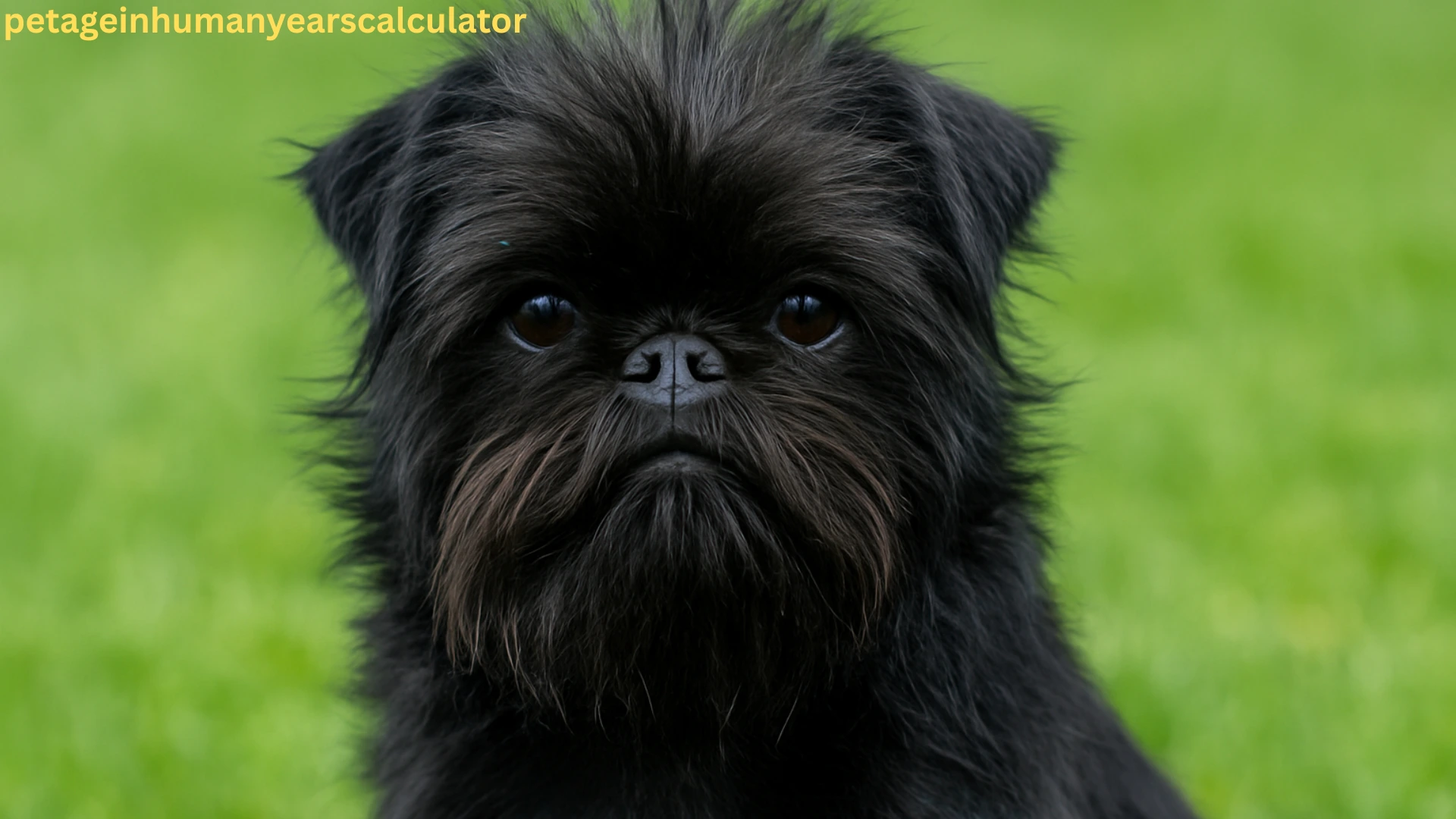
The Affenpinscher Dog is one of the most charming and expressive toy breeds in the world. Small in size but bold in personality, this little “Monkey Dog” is famous for its mischievous face, wiry coat, and endless sense of humor. Affenpinschers are playful, loyal, and packed with confidence—making them unforgettable companions for the right home.
Although tiny, they carry a big presence. From their fearless watchdog instincts to their comical antics, an Affenpinscher brings entertainment, affection, and personality to every moment. Whether you’re drawn to their unique looks or their spirited character, this breed offers a special blend of charm and courage that stands out in the dog world.
History and Origin
The Affenpinscher has a long and fascinating history that stretches back to 17th-century Germany. Originally, these tiny but fearless dogs were bred as ratters, working in kitchens, stables, and shops to keep rodents under control. Their courage, speed, and sharp instincts made them surprisingly effective for their size.
As time passed, people began to appreciate the Affenpinscher not just as a working dog but as a lively and entertaining companion. Smaller versions were selectively bred to live indoors, especially as lapdogs for women in European households. Their expressive eyes, playful personalities, and monkey-like faces made them charming pets that were adored by their owners.
Interestingly, the Affenpinscher has influenced other toy breeds—something often highlighted in affenpinscher vs brussels griffon comparisons—such as the Miniature Schnauzer and the Brussels Griffon, passing on its bold yet playful traits.
Appearance & Physical Traits
The Affenpinscher is a small but sturdy toy breed with a unique look that instantly sets it apart. Compact, confident, and full of character, this little dog carries itself with surprising boldness for its size.
Size & Build:
Affenpinschers typically stand 9 to 11.5 inches tall and weigh around 7–10 pounds. Their body is short, square, and well-balanced, giving them a strong presence despite their tiny frame.
Coat Type:
One of the breed’s most distinctive features is its dense, wiry, and slightly shaggy coat. The hair around the face—especially the eyebrows, beard, and mustache—creates their famous “monkey-like” expression. The coat is low-shedding and often considered hypoallergenic, similar to the Yorkshire Terrier, making them a good choice for allergy-prone owners.
Coat Colors:
The most common color is solid black, but Affenpinschers can also be found in gray, silver, red, beige, and black-and-tan combinations. Their tousled texture gives them a naturally messy, playful look that many owners love.
Facial Expression:
Their expressive eyes and scruffy beard give them a comical, almost human-like charm. This unique face is one of the main reasons the breed earned its “Monkey Dog” nickname.
Overall Impression:
Small, confident, and full of personality, the Affenpinscher has a distinctive appearance that always turns heads and brings smiles
Temperament and Personality
The Affenpinscher may be small, but its personality is bold, confident, and full of charm. This breed is known for a unique combination of playfulness, intelligence, and a little bit of mischief—traits that make them endlessly entertaining companions.
Bold & Loyal:
Despite their tiny size, Affenpinschers have a surprisingly courageous spirit. They form strong bonds with their families and often act as alert little watchdogs, ready to protect their home with enthusiasm.
Comical & Entertaining:
Affenpinschers are natural clowns. They love to perform silly antics, chase toys, and show off their quirky personalities. Their expressive faces and lively energy make them fun to be around every single day.
Independent & Stubborn:
These dogs have a strong independent streak. While intelligent, they can also be a bit stubborn—much like the Cairn Terrier—which means training should be positive, patient, and consistent.
Curious & Adventurous:
Affenpinschers enjoy exploring their surroundings. Their terrier-like instincts make them alert, aware, and ready to investigate anything that catches their interest.
Best for Adults or Older Children:
Because of their delicate size and occasionally feisty personality, they are better suited for homes with adults or mature kids who understand gentle handling.
High Prey Drive:
Their historical ratting background means they may chase small animals like hamsters or gerbils, so supervision is essential around tiny pets.
Overall, the Affenpinscher’s personality is a lively blend of humor, loyalty, courage, and curiosity—making them unforgettable companions for those who appreciate a spirited little dog.
Living With an Affenpinscher
Living with an Affenpinscher is a joyful, lively experience filled with personality, humor, and affection. This breed may be tiny, but daily life with them is anything but small. They bring energy, curiosity, and entertainment to every corner of the home.
Daily Behavior
Affenpinschers are alert, active, and always aware of what’s happening around them. They like to follow their owners from room to room, staying close to the action. Their expressive faces and quirky movements often make everyday moments feel fun and animated.
Indoors Lifestyle
They adapt very well to apartment living and don’t require a large yard. As long as they get regular playtime and mental stimulation, they remain happy indoors. They enjoy soft beds, warm spots near windows, and any place where they can relax close to their family.
Interaction With Guests
Affenpinschers can be cautious around strangers at first, but they warm up quickly once they feel comfortable. Their watchdog instincts make them alert and vocal, so they often announce the arrival of guests with enthusiasm.
Barking Tendencies
They are not constant barkers, but they will bark to communicate excitement, alertness, or curiosity. Training and socialization help prevent excessive vocal behavior, especially in apartment settings.
Alone-Time Tolerance
Affenpinschers prefer being around their people, but they can stay alone for short periods if properly trained. Leaving enrichment toys, puzzles, and comfort items helps reduce boredom. Long hours alone are not recommended, as they can become anxious or restless.
Suitability for Families & Other Pets
The Affenpinscher is a loving, playful companion, but it’s important to understand how this breed fits into different home environments. Their size, personality, and terrier-like instincts influence how they interact with adults, children, and other animals.
With Adults
Affenpinschers thrive in adult households. They bond deeply with their owners and enjoy being involved in daily routines. Their confident, comical nature makes them great companions for individuals, couples, and retirees looking for a small dog with a big personality.
With Children
This breed is usually better suited for older, gentle children. Because Affenpinschers are tiny and somewhat delicate, rough play, grabbing, or accidental falls can easily injure them. They can also become irritated if handled too aggressively. Homes with responsible, dog-experienced kids are the best fit.
With Other Dogs
Most Affenpinschers get along well with other dogs, especially if they are socialized early. Their bold personality sometimes makes them act fearless around larger dogs, so supervision is recommended. They enjoy playmates that match their energy but are not overly dominant or rough.
With Cats
Affenpinschers can live peacefully with calm, dog-experienced cats. They may occasionally chase a cat during play, but they generally learn boundaries quickly. Slow, supervised introductions help ensure harmony.
With Small Pets
Because of their ratting background, Affenpinschers have a high prey drive. They are usually not suitable for homes with hamsters, gerbils, mice, rabbits, or other tiny pets. Even well-trained Affenpinschers may feel tempted to chase small animals due to their strong instincts.
Overall Family Fit
This breed fits best in homes that are calm, attentive, and gentle. They are affectionate, loyal, and funny, but they do require supervision around small children and small household pets. With the right environment and early socialization, they make devoted and entertaining family companions.
Training an Affenpinscher
Training an Affenpinscher can be both fun and challenging. They are intelligent and eager to interact but also have a strong independent streak that can make them stubborn during training. With the right approach, they can learn quickly and develop into well-behaved, confident little companions.
Training Style That Works Best
Affenpinschers respond very well to positive reinforcement. Use treats, praise, and encouragement instead of harsh corrections. Their sensitive personality means they shut down or lose interest if training becomes too strict or repetitive.
Socialization
Early socialization is essential. Introduce your Affenpinscher to different people, dogs, places, and sounds during puppyhood. This helps prevent nervousness, barking, and territorial behavior as they grow older. Controlled, calm experiences build their confidence and reduce future behavioral issues.
Housebreaking
Housebreaking can take time with this breed. Their small bladders and independent nature require patience. Consistent schedules, frequent outdoor trips, and crate training help reinforce good habits. Avoid scolding; instead, reward successful outdoor bathroom breaks.
Obedience Skills
Basic commands like sit, stay, come, and leave it are important for this breed. Short training sessions work best because Affenpinschers get bored quickly. Keeping lessons fun, varied, and under 10 minutes helps maintain engagement.
Preventing Unwanted Behaviors
Affenpinschers may bark to alert or express excitement. Teaching quiet commands and practicing calm behavior around visitors reduces excessive barking. Because of their curiosity, they may chase small animals or react quickly to movement. Training impulse control through games and treats is helpful.
Mental Stimulation
This breed needs mental challenges to remain happy. Puzzle toys, scent games, trick training, and interactive play keep their sharp minds busy. Preventing boredom also helps avoid destructive behaviors.
First-Time Owner Considerations
Training an Affenpinscher is possible for first-time dog owners, but it requires consistency and patience. Families who enjoy interactive training and setting clear boundaries will find this breed rewarding.
Exercise Needs
Affenpinschers are small dogs with moderate energy levels. They don’t require intense workouts, but they do need regular physical and mental activity to stay happy, healthy, and well-behaved. Their exercise routine should balance short bursts of play with steady, gentle activity.
Daily Walks
A 20–30 minute walk each day is usually enough for an Affenpinscher. They enjoy exploring, sniffing, and observing their surroundings. Shorter, more frequent walks also work well for this breed, especially in hot weather due to their slightly brachycephalic features.
Indoor Play
Because of their size, Affenpinschers thrive in indoor environments. They love chasing soft toys, playing tug, or batting small balls around the house. Their playful spirit makes indoor games a fun part of their daily routine.
Mental Stimulation
Mental exercise is just as important as physical activity. Puzzle toys, trick training, scent games, and interactive feeders help keep their sharp minds engaged. These activities reduce boredom and prevent unwanted behaviors.
Outdoor Safety
While they enjoy outdoor play, they should always be supervised. Their bold personality makes them fearless around larger dogs, and their prey drive may tempt them to chase small animals. A secure yard or enclosed play area is ideal for safe outdoor time.
Weather Considerations
Affenpinschers can be sensitive to extreme heat or cold. On hot days, keep walks short and shaded. In winter, a light dog sweater can keep them comfortable during outdoor outings.
Grooming & Coat Care
Affenpinschers have a unique wiry coat that requires consistent maintenance to stay healthy, clean, and true to the breed’s signature “monkey dog” appearance. Their grooming routine is not difficult, but it does need regular attention and the right techniques.
Brushing
Affenpinschers should be brushed two to three times a week to prevent mats and tangles. Their wiry coat can trap debris around the beard, legs, and chest. Using a slicker brush and a metal comb helps keep the coat neat, fluffy, and tangle-free.
Hand-Stripping vs Clipping
Because the Affenpinscher has a harsh, wiry coat, hand-stripping is the preferred grooming method for maintaining proper texture. Hand-stripping removes dead hairs by hand or with a stripping knife.
Clipping is acceptable for pet owners who prefer easier upkeep, but it will soften the coat over time and change its appearance.
Bathing
A bath every four to six weeks is usually enough. Overbathing can dry out the coat and reduce its natural harshness. Use a gentle dog shampoo designed for wiry or low-shedding breeds. Always dry the beard thoroughly to prevent odor or dampness.
Face & Beard Care
The Affenpinscher’s charming beard and facial hair can collect food and water. Wipe the face daily with a damp cloth to keep it clean. Regular trimming around the eyes improves visibility and prevents irritation.
Seasonal Grooming
Their coat grows continuously throughout the year. A full grooming session every two to three months helps maintain their shape and signature scruffy look. In warmer seasons, some owners opt for a lighter trim to keep the dog comfortable.
Grooming Tools You’ll Need
Useful basic tools include:
- slicker brush
- metal comb
- stripping knife or fingers for hand-stripping
- blunt-tip scissors
- thinning shears
- dog-safe shampoo
- grooming wipes for daily face care
Professional Grooming
While many owners groom their Affenpinschers at home, professional grooming every few months is recommended. A trained groomer can maintain the proper coat texture, shape the face, and ensure the coat stays neat without losing its natural wiry character.
Health & Common Conditions
Affenpinschers are generally healthy dogs, but like all breeds, they have certain conditions they are more prone to. Understanding these issues early helps owners provide better care and spot symptoms before they become serious.
Brachycephalic Airway Concerns
Although not as flat-faced as breeds like Pugs, Affenpinschers may still experience mild breathing challenges, especially in hot weather. Heavy panting, snorting, or difficulty cooling down can be signs to limit exercise and keep them in shaded, cool environments.
Luxating Patella
This condition occurs when the kneecap slips out of place. Symptoms may include skipping steps, sudden lifting of a back leg, or brief limping. Maintaining a healthy weight and avoiding high-impact jumping helps reduce strain on their joints.
Eye Issues
Their large, expressive eyes are adorable but sensitive. They may develop cataracts, corneal ulcers, or eye irritation from hairs around the face. Regular face trimming and eye checks help prevent complications. If you notice redness, squinting, or excessive tearing, a vet visit is recommended.
Dental Disease
Small breeds often struggle with dental issues, and the Affenpinscher is no exception. Daily brushing and regular dental cleanings help prevent plaque, tartar, and gum infections. Dental chews can also support good oral health.
Legg-Calvé-Perthes Disease
This condition affects the hip joint and can cause pain, limping, or difficulty walking. Early diagnosis is important. Treatment may involve medication or surgery, depending on severity.
Hip Dysplasia
Although more common in larger breeds, hip dysplasia can occur in Affenpinschers. Symptoms include stiffness, difficulty rising, or reluctance to jump. Maintaining proper weight and joint supplementation can help manage the condition.
Allergies and Skin Sensitivities
Some Affenpinschers may develop allergies to food, pollen, or grooming products. Itching, redness, or paw licking are common signs. Identifying triggers and using hypoallergenic products can reduce discomfort.
Routine Vet Care
Regular health checkups, yearly vaccinations, and preventive care such as flea and heartworm treatments help keep Affenpinschers in excellent condition. Early detection is always the key to managing long-term health.
Lifespan
With good care, Affenpinschers typically live 12 to 15 years. Their long life expectancy means they provide many years of companionship, humor, and loving loyalty.breeders screen their dogs for these conditions, ensuring healthier puppies and reducing the risk of inherited problems.
Affenpinscher dog facts table
| Feature | Details |
|---|---|
| Breed Name | Affenpinscher |
| Origin | Germany, 17th century |
| Original Purpose | Ratting / Pest control |
| Modern Purpose | Companion / Toy dog |
| Size | 9 – 11.5 inches tall |
| Weight | 7 – 10 pounds |
| Coat Type | Dense, harsh, wiry, tousled |
| Coat Colors | Black (most common), gray, silver, red, beige |
| Life Expectancy | 12 – 15 years |
| Temperament | Bold, loyal, intelligent, playful, mischievous |
| Good With Children | Older children; not suitable for rough play |
| Good With Other Pets | May not tolerate small rodents (high prey drive) |
| Exercise Needs | Moderate; daily walks and indoor play |
| Grooming Needs | Brushing 2–3 times a week; professional grooming every few months |
| Health Concerns | Brachycephalic airway syndrome, luxating patella, eye issues, dental disease, hip/joint problems |
| Special Traits | Monkey-like facial expression, comical personality, fearless little dog |
| Best For | Adults, families with older children, apartment living |
Feeding & Nutrition
Affenpinschers are small, energetic dogs that need a balanced diet to support their activity levels, coat health, and overall well-being. Their food should match their size, age, and daily lifestyle.
Recommended Food Type
High-quality small-breed dog food works best for an Affenpinscher. Look for formulas that include real meat as the first ingredient, healthy fats for coat support, and easily digestible carbohydrates. Avoid foods with artificial colors, fillers, or low-quality by-products.
Ingredient Guidelines
A good diet for this breed includes:
- lean proteins such as chicken, turkey, lamb, or salmon
- healthy fats like fish oil or chicken fat
- fiber-rich vegetables like carrots or sweet potatoes
- whole grains or grain-free options depending on sensitivity
Foods containing excessive salt, sugar, or additives should be avoided.
Portion Sizes
Affenpinschers generally eat small portions. Most adults need around ¼ to ½ cup of food per day, split into two meals. Active dogs may require slightly more, while older dogs may require less. Always adjust portions based on metabolism and body condition.
Puppy vs. Adult Diet
Puppies need calorie-dense food that supports growth. Look for small-breed puppy formulas rich in DHA and high-quality protein. Once they reach one year old, transition them to an adult formula to maintain a healthy weight.
Foods to Avoid
Certain foods are dangerous for Affenpinschers, including:
- chocolate
- grapes and raisins
- onions and garlic
- xylitol
- cooked bones
- alcohol
- overly fatty or spicy foods
Keeping these items out of reach helps prevent accidental poisoning.
Treats and Snacks
Treats should make up no more than 10% of the daily calorie intake. Choose healthy snacks like freeze-dried meat, small training treats, or fresh vegetables such as carrots. Avoid sugary or high-fat treats that may lead to weight gain.
Hydration
Affenpinschers should always have access to fresh, clean water. Their small size means even mild dehydration can affect them quickly, especially in warm climates.
Cost of Owning an Affenpinscher
Owning an Affenpinscher comes with both joy and financial responsibility. While they are a small breed, their care needs, grooming routines, and health considerations mean owners should be prepared for ongoing expenses. Understanding the yearly cost helps families plan better and ensure their dog receives the best care.
Initial Costs
Bringing home an Affenpinscher usually includes:
- puppy price or adoption fee
- first vet visit
- vaccinations
- microchipping
- basic supplies such as a bed, crate, leash, harness, bowls, grooming tools, and toys
These initial costs typically range from moderate to high depending on breeder quality and location.
Food Expenses
Affenpinschers don’t eat large quantities, but high-quality small-breed food is important for their health. Monthly food costs are usually affordable, with slight increases for dogs requiring special diets due to allergies or sensitivities.
Grooming Expenses
Professional grooming is recommended every two to three months. Costs vary by groomer and region but may include:
- coat trimming
- face and beard shaping
- nail trimming
- ear cleaning
Owners who hand-strip their dog may see slightly higher grooming costs.
Routine Vet Care
Annual veterinary expenses include:
- vaccinations
- dental cleanings
- parasite prevention
- routine checkups
Small breeds can also be prone to dental disease, so dental care should be budgeted yearly.
Emergency and Health Costs
Unexpected issues like injuries, eye problems, or joint-related conditions can add significant costs. Pet insurance can help reduce these expenses, especially for breeds with specific health risks.
General Supplies
Replacing worn-out toys, beds, grooming wipes, and other accessories adds small monthly or yearly costs. Affenpinschers enjoy interactive toys, so budgeting for enrichment items is helpful.
Yearly Estimate
Most families can expect to spend a moderate yearly amount to care for their Affenpinscher. This includes food, grooming, vet visits, and supplies. With proper budgeting, owners can provide excellent care and keep their dog comfortable and healthy throughout its life.
Pros & Cons of the Affenpinscher
Affenpinschers are charming, funny, and full of personality, but like every breed, they may not suit every home. This quick pros and cons table helps readers understand the breed at a glance.
| Pros | Cons |
|---|---|
| Small and apartment-friendly | Not ideal for small children |
| Loyal, affectionate companion | Can be stubborn during training |
| Low-shedding, hypoallergenic-leaning coat | Grooming requires regular upkeep |
| Playful, comical, and entertaining | May bark to alert or express excitement |
| Long lifespan (12–15 years) | High prey drive toward small pets |
| Confident and bold personality | Not suitable for long hours alone |
| Good watchdog instincts | Can be cautious with strangers |
Choosing a Healthy Affenpinscher Puppy
Choosing the right Affenpinscher puppy makes a big difference in long-term health, temperament, and overall happiness. Understanding what to look for helps future owners avoid irresponsible breeders and choose a well-socialized, healthy companion.
Finding Responsible Breeders
A reputable breeder prioritizes the health and well-being of their dogs. They provide clean living conditions, proper socialization, and transparent documentation. Responsible breeders are happy to answer questions and allow you to meet the puppy’s parents.
Questions to Ask Breeders
Before committing, ask:
- Are the parent dogs health-tested?
- Can I see vaccination, deworming, and vet records?
- How do you socialize your puppies?
- What is the puppy’s daily routine?
- Do you offer health guarantees?
- Can I meet the mother or both parents?
The answers reveal the breeder’s professionalism and dedication.
Warning Signs of Unethical Breeders
Avoid breeders who:
- refuse to show the puppy’s living environment
- cannot provide health certificates
- breed multiple litters at once
- discourage questions
- offer very low prices
- pressure you to buy quickly
These red flags often indicate poor breeding practices.
Puppy Temperament
A healthy Affenpinscher puppy should be curious, playful, and confident. Look for:
- bright eyes and clean ears
- a steady, balanced walk
- interest in toys and interaction
- comfort being handled gently
Overly fearful or overly aggressive puppies may need more training or may be poorly socialized.
Early Socialization
Ask how the breeder socializes the puppies. Affenpinschers benefit from early exposure to:
- different people
- gentle dogs
- household noises
- car rides
- basic handling
Good socialization helps prevent fear-based behaviors later in life.
Health Testing
Responsible breeders test for conditions commonly found in the breed, such as:
- patella issues
- hip concerns
- eye conditions
- general genetic health
These tests reduce the likelihood of inherited problems.
Vaccinations and Vet Care
The puppy should come with up-to-date vaccinations, parasite treatments, and a record of vet visits. Ask about feeding routines and any specific care recommendations.
Affenpinscher Mixed Breeds
Affenpinscher mixed breeds combine the bold, playful personality of the Affenpinscher with the traits of another small companion dog. These mixes often have expressive faces, energetic temperaments, and unique coat textures that make them stand out. While each mix is different, many share the same charm and liveliness that the purebred Affenpinscher is known for.
Affenpinscher Shih Tzu Mix
This mix blends the Affenpinscher’s confident, spirited nature with the Shih Tzu’s affectionate and gentle personality. They often have fluffy coats, round “teddy-bear” faces, and friendly attitudes. Exercise needs stay moderate, while grooming ranges from easy to medium depending on coat texture.
Ewok-Like Mixes
Some Affenpinscher mixes earn the nickname “Ewok Dog” because of their round faces, expressive eyes, and cuddly appearance. These mixes may involve breeds like the Shih Tzu, Brussels Griffon, or Pekingese. They are playful, sweet, and extremely cute, making them popular among small-dog lovers.
Personality Expectations
Mixed breeds can vary, but most Affenpinscher mixes share traits such as:
- lively, curious behavior
- strong attachment to family
- moderate exercise needs
- bold, confident personalities
Socialization and training remain important to ensure the mix grows into a well-balanced companion.
Appearance & Coat
Coats may range from wiry to fluffy, depending on the mix. Regular grooming is usually needed, especially for dogs with longer facial hair. Their expressive eyebrows, rounded cheeks, and scruffy beards often remain noticeable.
Suitability
These mixes can make excellent pets for adults, singles, and families with older children. They are ideal for apartment living and do well in homes that enjoy playful, affectionate small dogs.
Price Guide
Understanding the price of an Affenpinscher is an important part of planning for ownership. Costs can vary depending on breeder reputation, bloodline, location, and the level of care provided to the puppies. Knowing what influences the price helps buyers make informed and responsible decisions.
Typical Price Range
Affenpinscher puppies usually range from $1,200 to $2,500. Puppies from champion lines or show-quality parents may cost more due to selective breeding, health testing, and pedigree.
What Affects the Price
Several factors can influence the final cost:
- breeder experience and reputation
- pedigree and show potential
- health testing of the parents
- early socialization and puppy care
- location and demand
- registration or certifications from kennel clubs
Higher prices often reflect high-quality breeding practices and proper puppy care.
Additional Costs to Consider
Beyond the initial purchase fee, new owners should budget for:
- vaccinations and vet visits
- grooming supplies or professional grooming
- high-quality food
- toys and accessories
- training classes
- pet insurance
These ongoing costs help ensure a healthy, well-adjusted Affenpinscher.
Price vs. Value
While the Affenpinscher may have a higher initial cost compared to some small breeds, the years of loyalty, companionship, and playful personality they offer make them a meaningful long-term investment.
Comparison With Similar Breeds
Affenpinschers share traits with several small companion breeds. This table helps highlight the most important differences for families comparing their options.
| Breed | Similarities | Differences |
|---|---|---|
| Brussels Griffon | Similar facial expressions, playful nature, small size | Brussels Griffon is more sensitive and clingier, with a softer coat |
| Miniature Schnauzer | Wiry coat, confident personality, alert watchdog skills | Miniature Schnauzer is larger, easier to train, and less stubborn |
| Yorkshire Terrier | Small size, low-shedding coat, good for apartments | Yorkies are more vocal and have silkier coats requiring more frequent brushing |
| Shih Tzu | Friendly companion breed, good apartment dog, expressive face | Shih Tzu is calmer, less stubborn, and has a long, flowing coat |
| Cairn Terrier | Bold, curious, independent personality | Cairn Terrier has higher energy levels and is more active outdoors |
Want to know how old your Affenpinscher is in human years? Try this Affenpinscher Dog Age Calculator.
FAQs About Affenpinschers
How long do Affenpinschers live?
Affenpinschers generally live 12 to 15 years with good care, a balanced diet, and regular vet checkups. Their long lifespan makes them a loyal and lasting companion.
Are Affenpinschers good with children?
They do best with older, gentle children who understand how to handle small dogs. Their tiny size makes them vulnerable to rough play, so supervision is important.
Do Affenpinschers get along with other pets?
They can live well with dogs and calm cats, especially if socialized early. However, due to their high prey drive, they are not suitable for homes with rodents or very small pets.
How often should I groom my Affenpinscher?
Brushing two to three times a week helps prevent tangles. Professional grooming every few months maintains their wiry coat and distinctive appearance.
Are Affenpinschers easy to train?
They are intelligent but can be stubborn. Short, fun, and positive training sessions work best for this breed. Consistency is key.
How much exercise does an Affenpinscher need?
A daily 20–30 minute walk plus some indoor playtime is usually enough. Puzzle toys and mental games are great for keeping their minds active.
Are Affenpinschers hypoallergenic?
They are low-shedding and often considered hypoallergenic, though no breed is completely allergy-free. Their wiry coat can be a good choice for allergy-sensitive families.
Can Affenpinschers be left alone?
They can stay alone for short periods, but long hours are not ideal. They enjoy companionship and may become restless if left alone frequently.
Do Affenpinschers bark a lot?
They may bark to alert or express excitement. Early training helps manage excessive barking and encourages calm behavior.
Are they good for first-time dog owners?
Affenpinschers can be a good match for first-time owners who are patient, consistent, and willing to invest time in training and grooming.
Final Thoughts
The Affenpinscher is a small dog with a truly unforgettable personality. Bold, playful, and full of charm, this breed brings laughter and companionship into every home it enters. While they may be tiny in size, their confidence, intelligence, and lively spirit make them stand out in the world of toy dogs.
With proper socialization, consistent training, and regular grooming, an Affenpinscher becomes a loyal, entertaining, and deeply affectionate companion. They thrive in homes that appreciate their humor, independence, and unique appearance. For the right family—especially adults or households with older children—this spirited little dog can be a joyful presence for many years.
If you’d like to explore more about their fascinating origins and cultural significance, visit the Affenpinscher on Petmd.