Yorkshire Terrier Dog Guide: Care, Temperament, Lifespan & Costs
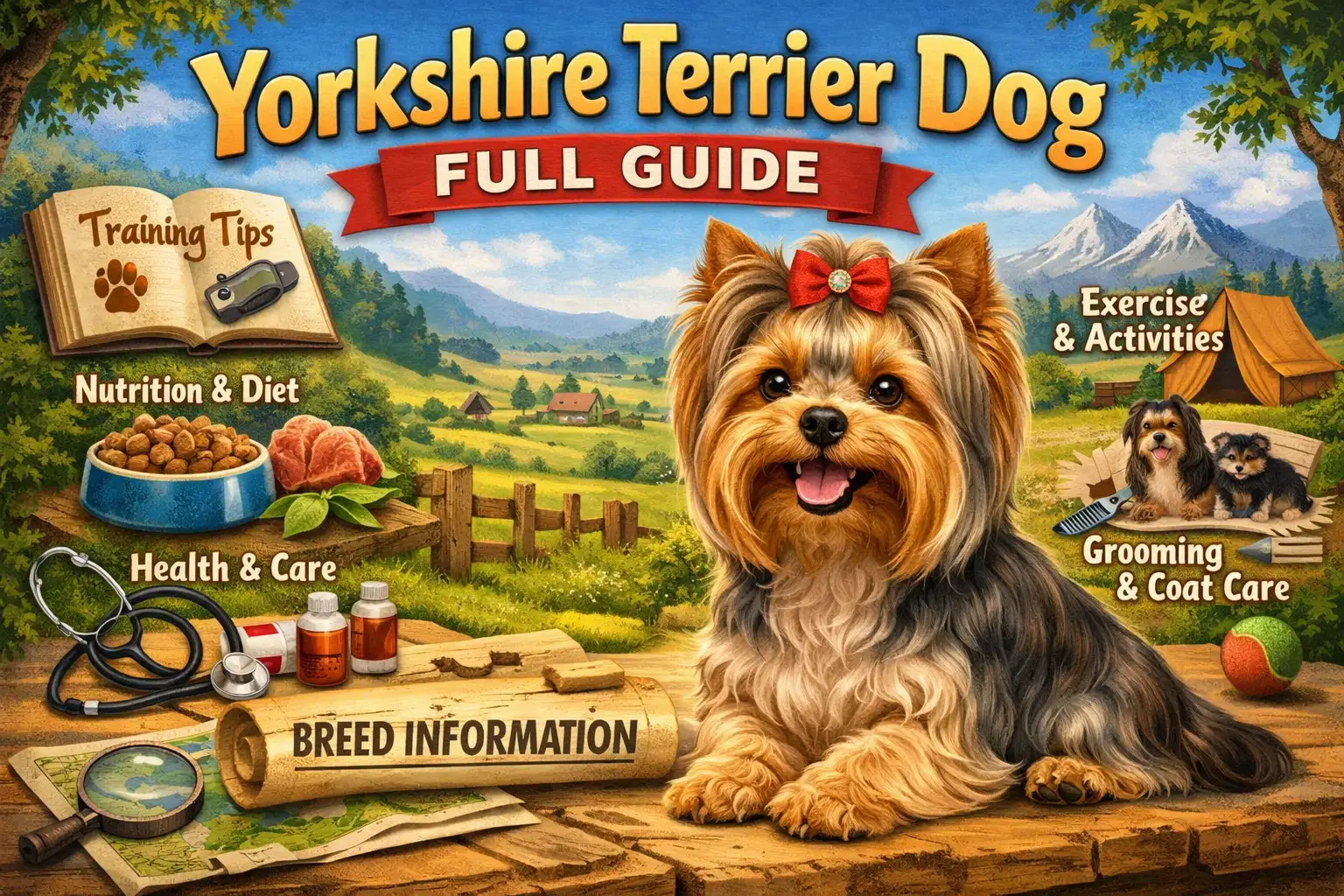
This Yorkshire Terrier dog guide explains what future and current Yorkie owners need to know before choosing, raising, or caring for this toy-sized breed. Yorkshire Terriers are small, alert, affectionate dogs with a bold terrier personality, a long silky coat, and care needs that are often higher than new owners expect.
Recommended Dog Care Products
Based on your dog’s age, these products may help with comfort, health, grooming, and daily care.

Purina Pro Plan Veterinary Supplements
Daily probiotics for dogs to support digestive and gut health.
View on Amazon ↗
Earth Rated Poop Bags for Dogs
Leak-proof, extra thick waste bag refill rolls with lavender scent.
View on Amazon ↗
Greenies Pill Pockets for Dogs
Large dog treats for capsule medication, peanut butter flavor.
View on Amazon ↗
HONEY CARE All-Absorb Dog Wrap
Small male dog wraps, 50 count, useful for daily care support.
View on Amazon ↗
Seresto Flea & Tick Collar
Flea and tick treatment and prevention for dogs over 18 lbs.
View on Amazon ↗
Milk-Bone MaroSnacks
Small dog treats with real bone marrow in a 40 oz canister.
View on Amazon ↗
Vital Essentials Dog Treats
Freeze dried beef liver dog treats, grain free and single ingredient.
View on Amazon ↗
Stain & Odor Eliminator
Enzyme cleaner for pet stains, carpet messes, and strong odors.
View on Amazon ↗
Pur Luv Chicken Jerky Treats
Dog treats made with real chicken breast, high protein and chew-friendly.
View on Amazon ↗
Milk-Bone Flavor Snacks
Mini crunchy dog biscuits in a 36 oz canister for small rewards.
View on Amazon ↗As an Amazon Associate, we may earn from qualifying purchases.
Although the Yorkshire Terrier is often seen as a fashionable lap dog today, the breed was originally developed as a working terrier. That history still shows in the modern Yorkie’s confidence, barking tendency, curiosity, and strong attachment to its owner. This guide covers Yorkshire Terrier temperament, care needs, grooming, training, health, lifespan, costs, and whether this breed is the right match for your lifestyle.
If you already own a Yorkie and want to estimate your dog’s age in human years, use our Yorkshire Dog Age Calculator for a breed-specific age estimate.
Who This Yorkshire Terrier Guide Is For
This guide is for anyone considering a Yorkshire Terrier puppy, comparing small dog breeds, or trying to understand whether a Yorkie fits their home, budget, and daily routine. It is also useful for current owners who want a clearer overview of Yorkie care, temperament, grooming, health risks, and lifespan.
The goal is not just to describe how a Yorkshire Terrier looks, but to explain what daily life with this breed is actually like.
Yorkshire Terrier Dog Overview
The Yorkshire Terrier dog, often called the Yorkie, is a toy-sized breed known for its confident personality, low-shedding silky coat, and strong bond with its owner. Despite its small size, the Yorkie is not a passive or delicate dog by nature. It is alert, expressive, and often behaves with the confidence of a much larger breed.
Yorkshire Terriers originated in 19th-century northern England, especially in Yorkshire and Lancashire. They were bred by working-class families to help control rats in textile mills and other working environments. Early Yorkies were valued for courage, agility, and determination. Over time, the breed became popular as a companion dog, especially because of its compact size, elegant appearance, and loyal temperament.
Physically, the Yorkshire Terrier is a true toy breed. The body is compact and balanced, with fine bones, an upright posture, and a confident way of moving. A healthy Yorkie should look alert and well-proportioned rather than weak or overly fragile. However, because of the breed’s small frame, owners must still protect Yorkies from rough handling, falls, and unsafe play with much larger dogs.
The coat is one of the Yorkshire Terrier’s most recognizable features. Yorkies have a long, silky, single coat rather than a thick double coat. Puppies are usually born black and tan, and the coat gradually changes as they mature into the familiar blue and tan adult coloring. Because the coat grows continuously, regular grooming is essential, especially if the hair is kept long.
Terms like “teacup Yorkshire Terrier” or “mini Yorkie” are not official breed categories. These labels are often used for marketing and may be linked with poor breeding practices or higher health risks. A responsible owner should focus on health, structure, temperament, and breeder quality rather than extremely small size.
Recommended Dog Care Products
Based on your dog’s age, these products may help with comfort, health, grooming, and daily care.
Purina Pro Plan Veterinary Supplements
Daily probiotics for dogs to support digestive and gut health.
View on Amazon ↗
Earth Rated Poop Bags for Dogs
Leak-proof, extra thick waste bag refill rolls with lavender scent.
View on Amazon ↗
Greenies Pill Pockets for Dogs
Large dog treats for capsule medication, peanut butter flavor.
View on Amazon ↗
HONEY CARE All-Absorb Dog Wrap
Small male dog wraps, 50 count, useful for daily care support.
View on Amazon ↗
Seresto Flea & Tick Collar
Flea and tick treatment and prevention for dogs over 18 lbs.
View on Amazon ↗
Milk-Bone MaroSnacks
Small dog treats with real bone marrow in a 40 oz canister.
View on Amazon ↗
Vital Essentials Dog Treats
Freeze dried beef liver dog treats, grain free and single ingredient.
View on Amazon ↗
Stain & Odor Eliminator
Enzyme cleaner for pet stains, carpet messes, and strong odors.
View on Amazon ↗
Pur Luv Chicken Jerky Treats
Dog treats made with real chicken breast, high protein and chew-friendly.
View on Amazon ↗
Milk-Bone Flavor Snacks
Mini crunchy dog biscuits in a 36 oz canister for small rewards.
View on Amazon ↗As an Amazon Associate, we may earn from qualifying purchases.
To help you quickly understand the breed, the table below summarizes the most important Yorkshire Terrier traits.
Yorkshire Terrier Breed Snapshot
| Trait | Details |
|---|---|
| Breed Group | Toy |
| Typical Height | About 7–8 inches |
| Typical Weight | Up to 7 pounds |
| Coat Type | Long, silky, single coat |
| Shedding Level | Very low |
| Typical Lifespan | About 12–15 years |
| Origin | England |
| Energy Level | Moderate |
| Barking Tendency | High |
| Best For | Owners who want a small, loyal, alert companion |
This mix of toy size, terrier confidence, low shedding, and strong companionship is what makes the Yorkshire Terrier so popular. However, the breed’s temperament is just as important as its appearance, because behavior has the biggest impact on daily life with a Yorkie.
Yorkshire Terrier Temperament and Personality
The Yorkshire Terrier temperament is bold, affectionate, alert, and sometimes stubborn. Many Yorkies are deeply attached to their owners and like to stay close throughout the day. They often follow their favorite person from room to room, enjoy lap time, and want to be involved in household activity.
At the same time, Yorkshire Terriers still have real terrier instincts. They can be brave, curious, vocal, and independent. This is why a Yorkie may challenge a larger dog, bark at visitors, chase small animals, or try to control the home if boundaries are not clear.
With family members, Yorkies are usually loving and playful. They often do best in homes where they receive regular attention and gentle handling. Very young children may not be the best match unless closely supervised, because a Yorkshire Terrier’s small body can be injured by grabbing, dropping, or rough play.
Around strangers, Yorkies are commonly alert and vocal. This makes them effective little watchdogs, but barking can become a problem if it is not managed early. Training should focus on rewarding calm behavior instead of encouraging constant alert barking.
Many Yorkshire Terriers can live well with other dogs or cats, especially when introduced early. However, owners should remember that Yorkies may act more confident than their size allows. Safe introductions, supervision, and consistent rules are important around larger dogs and smaller pets.
The table below shows how Yorkshire Terrier temperament usually appears in everyday life.
Yorkshire Terrier Temperament at a Glance
| Trait | Level | What This Means |
|---|---|---|
| Affection | High | Forms a strong bond and enjoys close attention |
| Confidence | High | Often acts fearless despite small size |
| Intelligence | High | Learns quickly but may get bored |
| Trainability | Medium | Smart, but can be stubborn without consistency |
| Barking | High | Alert and vocal, especially around strangers |
| Prey Drive | Medium | May chase small pets or moving objects |
| Child Friendliness | Medium | Better with gentle, supervised children |
| Apartment Suitability | High | Small size fits apartments, but barking must be managed |
Daily Care & Activity Needs
| Need | Recommended Amount | Owner Tip |
|---|---|---|
| Physical Exercise | 30–45 minutes per day | Split into short walks and indoor play |
| Walks | 1–2 short walks | Use a harness instead of pulling on the neck |
| Indoor Play | Daily | Useful for apartments and bad weather days |
| Training Sessions | 5–10 minutes at a time | Keep sessions short, positive, and consistent |
| Mental Games | Every day | Puzzle toys and trick training help reduce boredom |
Yorkshire Terriers do best with short, positive training sessions and gentle guidance. Harsh training methods can make a Yorkie fearful, defensive, or more stubborn. Because this breed is intelligent but independent, consistency matters more than long training sessions.
For a deeper training plan, see our Yorkshire Terrier training guide.
Recommended Dog Care Products
Based on your dog’s age, these products may help with comfort, health, grooming, and daily care.
Purina Pro Plan Veterinary Supplements
Daily probiotics for dogs to support digestive and gut health.
View on Amazon ↗
Earth Rated Poop Bags for Dogs
Leak-proof, extra thick waste bag refill rolls with lavender scent.
View on Amazon ↗
Greenies Pill Pockets for Dogs
Large dog treats for capsule medication, peanut butter flavor.
View on Amazon ↗
HONEY CARE All-Absorb Dog Wrap
Small male dog wraps, 50 count, useful for daily care support.
View on Amazon ↗
Seresto Flea & Tick Collar
Flea and tick treatment and prevention for dogs over 18 lbs.
View on Amazon ↗
Milk-Bone MaroSnacks
Small dog treats with real bone marrow in a 40 oz canister.
View on Amazon ↗
Vital Essentials Dog Treats
Freeze dried beef liver dog treats, grain free and single ingredient.
View on Amazon ↗
Stain & Odor Eliminator
Enzyme cleaner for pet stains, carpet messes, and strong odors.
View on Amazon ↗
Pur Luv Chicken Jerky Treats
Dog treats made with real chicken breast, high protein and chew-friendly.
View on Amazon ↗
Milk-Bone Flavor Snacks
Mini crunchy dog biscuits in a 36 oz canister for small rewards.
View on Amazon ↗As an Amazon Associate, we may earn from qualifying purchases.
Yorkshire Terrier Grooming, Health & Lifespan
A complete Yorkshire Terrier care guide must cover grooming, dental care, health risks, and lifespan. The Yorkshire Terrier dog may be small, but its care needs are not low-maintenance. Many Yorkie problems come from poor coat care, skipped dental care, unsafe handling, or delayed vet checks.
Yorkshire Terriers shed very little, but their hair grows continuously and can tangle if ignored. If the coat is kept long, brushing is usually needed daily. Many pet owners choose a shorter puppy cut because it is easier to maintain and keeps the dog more comfortable. Bathing is usually needed every few weeks, but over-bathing can dry the skin.
Dental care is one of the most important parts of Yorkshire Terrier grooming. Small dogs are more likely to develop tooth and gum problems, and Yorkies are especially prone to dental buildup. Regular tooth brushing, dental chews, and routine vet checks can help reduce bad breath, gum disease, and tooth loss.
Yorkies also need regular nail trimming, ear checks, and eye cleaning. Long hair around the face can irritate the eyes if not maintained. Because the breed is small and fine-boned, owners should also prevent jumping from high furniture and rough play with larger dogs.
Yorkshire Terriers are sensitive to cold weather because of their small size and fine coat. In colder conditions, a sweater or jacket may be helpful during walks. In hot weather, owners should avoid overheating by providing shade, water, and shorter outdoor sessions.
For a more detailed coat routine, visit our Yorkshire Terrier grooming basics guide.
Common Yorkshire Terrier Health Issues
Yorkshire Terriers often live long lives, but they are still prone to some breed-related health concerns. The most common issues include dental disease, tracheal collapse, luxating patella, hypoglycemia in puppies, and liver shunt concerns. Early prevention and regular veterinary care are important because small dogs can hide discomfort until a problem becomes more serious.
| Health Issue | How Common | What Owners Should Know |
|---|---|---|
| Dental Disease | Very common | Regular tooth care is essential |
| Tracheal Collapse | Common | Use a harness and avoid pressure on the neck |
| Luxating Patella | Moderate | The kneecap may slip out of place |
| Hypoglycemia | Common in puppies | Small puppies may need frequent meals |
| Liver Shunt | Less common | May require testing if symptoms appear |
| Eye Irritation | Moderate | Face hair and tear staining should be monitored |
Yorkshire Terrier Lifespan and Age in Human Years
The typical Yorkshire Terrier lifespan is about 12–15 years, although some Yorkies live longer with good care, healthy weight management, dental care, and regular vet visits. Because Yorkies are small dogs, they often age differently from large and giant breeds. Their early years move quickly, but many remain active well into their senior stage.
Age matters because a Yorkie’s care needs change over time. Puppies need frequent meals, careful handling, and potty-training consistency. Adult Yorkies need routine grooming, exercise, and dental care. Senior Yorkies may need softer food, more frequent vet checks, joint support, and closer monitoring for dental or heart-related issues.
To estimate your Yorkie’s current life stage, use our Yorkshire Dog Age Calculator. For a deeper age breakdown, you can also read our Yorkshire Terrier age chart in human years.
Recommended Dog Care Products
Based on your dog’s age, these products may help with comfort, health, grooming, and daily care.
Purina Pro Plan Veterinary Supplements
Daily probiotics for dogs to support digestive and gut health.
View on Amazon ↗
Earth Rated Poop Bags for Dogs
Leak-proof, extra thick waste bag refill rolls with lavender scent.
View on Amazon ↗
Greenies Pill Pockets for Dogs
Large dog treats for capsule medication, peanut butter flavor.
View on Amazon ↗
HONEY CARE All-Absorb Dog Wrap
Small male dog wraps, 50 count, useful for daily care support.
View on Amazon ↗
Seresto Flea & Tick Collar
Flea and tick treatment and prevention for dogs over 18 lbs.
View on Amazon ↗
Milk-Bone MaroSnacks
Small dog treats with real bone marrow in a 40 oz canister.
View on Amazon ↗
Vital Essentials Dog Treats
Freeze dried beef liver dog treats, grain free and single ingredient.
View on Amazon ↗
Stain & Odor Eliminator
Enzyme cleaner for pet stains, carpet messes, and strong odors.
View on Amazon ↗
Pur Luv Chicken Jerky Treats
Dog treats made with real chicken breast, high protein and chew-friendly.
View on Amazon ↗
Milk-Bone Flavor Snacks
Mini crunchy dog biscuits in a 36 oz canister for small rewards.
View on Amazon ↗As an Amazon Associate, we may earn from qualifying purchases.
Is a Yorkshire Terrier Right for You?
Before choosing a Yorkshire Terrier dog, think carefully about your lifestyle, home setup, budget, and daily routine. This breed is affectionate, loyal, and highly portable, but it is not the right fit for everyone. A Yorkie needs attention, grooming, training, dental care, and safe handling.
Yorkshire Terriers are best for people who want close companionship. They often do well in apartments because of their small size, but barking must be managed early. They may also suit seniors, singles, couples, and calm families. Homes with very young children need extra supervision because a Yorkie’s small body can be injured by rough handling or accidental falls.
Cost is another factor. Yorkshire Terrier puppies can be expensive, and ongoing grooming, dental care, food, toys, and vet visits should be planned before bringing one home. This guide gives a general overview, but detailed ownership costs are covered in our Yorkshire Terrier cost of ownership guide.
Yorkshire Terrier Pros & Cons
| Pros | Cons |
|---|---|
| Very affectionate and loyal | Can bark often without training |
| Small and apartment-friendly | Needs regular grooming |
| Very low shedding | Fragile and easy to injure |
| Often has a long lifespan | Dental problems are common |
| Smart, alert, and expressive | Potty training can take patience |
| Good companion for attentive owners | May not enjoy being left alone for long hours |
The Yorkshire Terrier is a strong match for owners who want a small, loyal, low-shedding companion and are willing to manage grooming, barking, dental care, and training. It is a weaker match for people who want a quiet, low-maintenance dog that can be left alone for long periods.
Yorkshire Terrier vs Similar Small Breeds
Some people like the Yorkie’s size but want to compare similar small breeds before deciding. The table below shows how the Yorkshire Terrier compares with other popular toy and small companion dogs.
| Breed | Grooming Needs | Barking Level | Trainability | Best For |
|---|---|---|---|---|
| Yorkshire Terrier | High | High | Medium | Close companionship and alert owners |
| Maltese | High | Medium | Medium | Calm homes wanting a gentle companion |
| Toy Poodle | High | Low to medium | High | Owners who enjoy training and enrichment |
| Chihuahua | Low | High | Medium | Confident handlers who want a tiny companion |
| Biewer Terrier | High | Medium | Medium | Owners who like Yorkie-like looks with a softer companion style |
If you enjoy grooming, want a dog that stays close, and can handle a bold personality in a small body, the Yorkshire Terrier can be a wonderful companion. If you prefer a quieter dog or one that needs less coat maintenance, another small breed may suit you better.
Overall, the Yorkshire Terrier is best understood as a small dog with a big personality. It offers loyalty, charm, intelligence, and long-term companionship, but it also needs structure, grooming, dental care, safe handling, and consistent training. Owners who understand these needs are much more likely to enjoy life with a Yorkie.
Yorkshire Terrier FAQs
How long do Yorkshire Terriers live?
Yorkshire Terriers usually live about 12–15 years, and some Yorkies may live longer with good care. Their lifespan depends on genetics, dental care, weight control, safe handling, regular vet checks, and early treatment of health problems.
What is the temperament of a Yorkshire Terrier?
The Yorkshire Terrier temperament is bold, affectionate, alert, and sometimes stubborn. Yorkies often form strong bonds with their owners, enjoy attention, and act more confident than their small size suggests. They can also be vocal and independent if not trained consistently.
Are Yorkshire Terriers hard to take care of?
Yorkshire Terriers are not the easiest low-maintenance dogs. They are small and apartment-friendly, but they need regular grooming, dental care, training, safe handling, and attention. Owners who want a very quiet or hands-off dog may find a Yorkie more demanding than expected.
Do Yorkshire Terriers bark a lot?
Yes, many Yorkshire Terriers bark a lot because they are alert, expressive, and protective of their home. Barking can be managed with early training, calm routines, enough exercise, and rewards for quiet behavior. Yelling usually makes barking worse.
Are Yorkshire Terriers good apartment dogs?
Yorkshire Terriers can be good apartment dogs because they are small and do not need a large yard. However, their barking must be managed, and they still need daily walks, indoor play, grooming, and mental stimulation to stay calm and healthy.
What do Yorkies usually die from?
Yorkies may pass away from age-related illness, heart problems, dental disease complications, liver issues, trauma, or other health conditions. Because they are small and delicate, prevention matters. Regular vet checks, dental care, safe handling, and weight control can help reduce health risks over time.
Why do some Yorkies bark, act stubborn, or seem annoying?
Some Yorkies seem annoying because they are vocal, smart, energetic, and strongly attached to their owners. Barking, stubbornness, attention-seeking, and bossy behavior often happen when a Yorkie lacks training, structure, exercise, or mental stimulation. Clear rules and short positive training sessions usually help.
How much does a Yorkshire Terrier cost?
The cost of a Yorkshire Terrier can vary widely depending on breeder quality, location, grooming needs, food, dental care, vet visits, and health issues. The purchase price is only one part of the total cost. Owners should also budget for grooming, routine care, and possible medical expenses.
Are Yorkshire Terriers good for first-time owners?
Yorkshire Terriers can be good for first-time owners who are ready for grooming, barking control, potty training, dental care, and gentle handling. They are not ideal for people who want a very quiet, independent, or low-maintenance dog.

Ata Ur Rehman is the founder of Pet Age in Human Years Calculator, an educational platform that provides age conversion charts and lifespan guides for dogs, cats, birds, and other companion animals. His work focuses on helping pet owners understand how animal ages translate into human years using commonly accepted age conversion formulas and published lifespan averages.
The website compiles breed and species lifespan data from kennel clubs, breed organizations, and general animal lifespan studies to present simple and easy-to-understand guides for pet owners worldwide.
This website was created to centralize animal age conversion charts into one easy reference platform for pet owners.