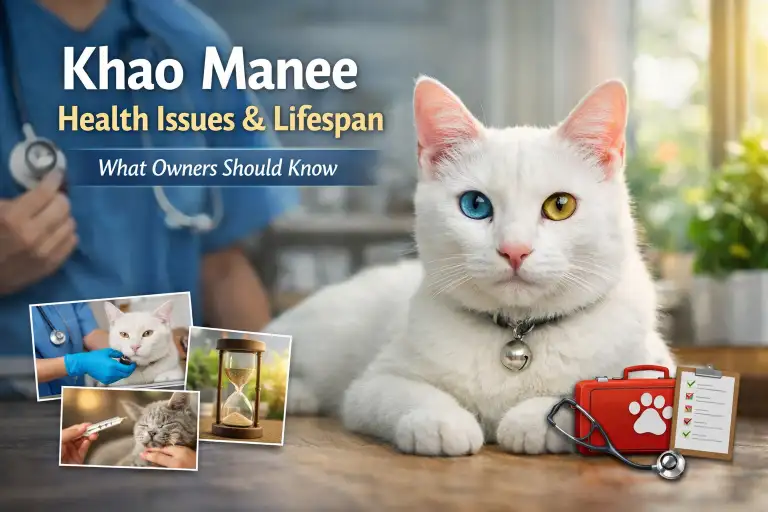
The Khao Manee is often considered a healthy, long-lived cat breed when cared for properly. Like most domestic cats, their lifespan is influenced more by lifestyle, preventive care, and environment than by rarity alone.
Recommended Dog Care Products
Based on your dog’s age, these products may help with comfort, health, grooming, and daily care.

Purina Pro Plan Veterinary Supplements
Daily probiotics for dogs to support digestive and gut health.
View on Amazon ↗
Earth Rated Poop Bags for Dogs
Leak-proof, extra thick waste bag refill rolls with lavender scent.
View on Amazon ↗
Greenies Pill Pockets for Dogs
Large dog treats for capsule medication, peanut butter flavor.
View on Amazon ↗
HONEY CARE All-Absorb Dog Wrap
Small male dog wraps, 50 count, useful for daily care support.
View on Amazon ↗
Seresto Flea & Tick Collar
Flea and tick treatment and prevention for dogs over 18 lbs.
View on Amazon ↗
Milk-Bone MaroSnacks
Small dog treats with real bone marrow in a 40 oz canister.
View on Amazon ↗
Vital Essentials Dog Treats
Freeze dried beef liver dog treats, grain free and single ingredient.
View on Amazon ↗
Stain & Odor Eliminator
Enzyme cleaner for pet stains, carpet messes, and strong odors.
View on Amazon ↗
Pur Luv Chicken Jerky Treats
Dog treats made with real chicken breast, high protein and chew-friendly.
View on Amazon ↗
Milk-Bone Flavor Snacks
Mini crunchy dog biscuits in a 36 oz canister for small rewards.
View on Amazon ↗As an Amazon Associate, we may earn from qualifying purchases.
On average, many Khao Manee cats live 12 to 15 years, and some may reach their late teens with consistent veterinary care, a balanced diet, and a safe indoor lifestyle. Because the breed is generally active and social, maintaining good daily routines can play a major role in supporting long-term health.
One of the biggest factors affecting lifespan is whether a cat lives indoors or outdoors. Indoor cats are typically protected from traffic accidents, predators, infectious diseases, and environmental hazards, which often leads to longer life expectancy.
Here’s a simple comparison:
| Living Environment | Typical Lifespan Range |
|---|---|
| Indoor Khao Manee Cats | 12–18 years (often longer with excellent care) |
| Outdoor or Free-Roaming Cats | Often shorter due to higher risks and injuries |
It’s important to remember that every cat is an individual. Genetics, early health screening, nutrition, and regular wellness checkups all contribute to how long a Khao Manee cat may live.
For most owners, the best takeaway is reassuring: with a stable home, preventive care, and attention to subtle health changes over time, Khao Manee cats can enjoy a long, healthy life alongside their families.
Common Khao Manee Health Issues Owners Should Know About
Khao Manee cats are usually healthy, but like all cats, they can still face some common health problems over their lifetime. Most of these issues are not unique to this breed — they are concerns seen in many pet cats.
The goal is not to worry, but to understand what owners should watch for and why regular vet care matters.
Here are some of the most common health issues to know about:
| Health Concern | What Owners Might Notice |
|---|---|
| Deafness (hearing loss) | Not responding to sounds, sleeping through noise |
| Dental disease | Bad breath, red gums, trouble eating |
| Obesity (weight gain) | Less activity, difficulty jumping, extra body fat |
| Kidney disease (in older cats) | Drinking more water, weight loss, low appetite |
| Urinary tract issues | Straining in the litter box, frequent urination |
| Parasites and infections | Scratching, stomach upset, changes in coat health |
One health topic often mentioned with Khao Manee cats is deafness. Some white cats, especially those with blue eyes, may have a higher chance of being born with hearing problems. A veterinarian can confirm this with proper testing.
Recommended Dog Care Products
Based on your dog’s age, these products may help with comfort, health, grooming, and daily care.
Purina Pro Plan Veterinary Supplements
Daily probiotics for dogs to support digestive and gut health.
View on Amazon ↗
Earth Rated Poop Bags for Dogs
Leak-proof, extra thick waste bag refill rolls with lavender scent.
View on Amazon ↗
Greenies Pill Pockets for Dogs
Large dog treats for capsule medication, peanut butter flavor.
View on Amazon ↗
HONEY CARE All-Absorb Dog Wrap
Small male dog wraps, 50 count, useful for daily care support.
View on Amazon ↗
Seresto Flea & Tick Collar
Flea and tick treatment and prevention for dogs over 18 lbs.
View on Amazon ↗
Milk-Bone MaroSnacks
Small dog treats with real bone marrow in a 40 oz canister.
View on Amazon ↗
Vital Essentials Dog Treats
Freeze dried beef liver dog treats, grain free and single ingredient.
View on Amazon ↗
Stain & Odor Eliminator
Enzyme cleaner for pet stains, carpet messes, and strong odors.
View on Amazon ↗
Pur Luv Chicken Jerky Treats
Dog treats made with real chicken breast, high protein and chew-friendly.
View on Amazon ↗
Milk-Bone Flavor Snacks
Mini crunchy dog biscuits in a 36 oz canister for small rewards.
View on Amazon ↗As an Amazon Associate, we may earn from qualifying purchases.
Dental disease is another very common issue. Many cats develop gum problems as they age, so keeping an eye on oral health is important.
Other concerns like obesity, kidney changes, and urinary problems are mostly linked to lifestyle, diet, hydration, and aging rather than the breed itself.
The good news is that many health issues can be caught early through routine vet checkups and simple at-home observation.
What Affects a Khao Manee Cat’s Lifespan and Long-Term Health?
How long a Khao Manee cat lives depends on more than just genetics. Daily care and lifestyle choices can make a big difference in a cat’s health over time.
Here are the main factors that can affect lifespan:
- Indoor living
Cats that live indoors are usually safer from cars, fights, diseases, and harsh weather. This often helps them live longer. - Healthy food and weight
Feeding a balanced diet and avoiding too many treats helps prevent obesity. Staying at a healthy weight supports the heart, joints, and overall health. - Exercise and play
Khao Manee cats are active and social. Daily play keeps their body strong and their mind happy. - Low stress environment
Cats do best in calm homes with stable routines. Stress can affect appetite, behavior, and even urinary health. - Regular veterinary checkups
Vet visits help catch small problems early, before they become serious. Preventive care is one of the best ways to support a long life. - Responsible breeding and early screening
Because Khao Manee cats are rare, it is important that breeders focus on healthy lines and early health checks.
Most cats do not need perfect care to live well, but simple habits over time can add years to their life.
Preventive Care and Early Detection for a Healthy Khao Manee
Preventive care means helping your cat stay healthy before problems start. This is one of the best ways to support a long, happy life for a Khao Manee cat.
Small health issues are often easier to manage when found early, so regular care really matters.
Here are simple preventive steps owners can follow:
- Schedule regular vet visits
Most cats should see a veterinarian at least once a year. Older cats may need checkups more often. - Keep teeth and gums healthy
Dental disease is very common in cats. Watch for bad breath or sore gums, and ask your vet about dental care. - Maintain a healthy weight
Extra weight can lead to diabetes, joint pain, and other problems. Daily play and proper feeding help a lot. - Support good hydration
Cats need enough water to support kidney and urinary health. Wet food or water fountains may help some cats drink more. - Watch daily habits at home
Owners often notice early changes first. Pay attention to:- appetite
- energy level
- litter box use
- grooming
- behavior changes
Preventive care is not about worrying — it is about building healthy routines and catching concerns early.
Recommended Dog Care Products
Based on your dog’s age, these products may help with comfort, health, grooming, and daily care.
Purina Pro Plan Veterinary Supplements
Daily probiotics for dogs to support digestive and gut health.
View on Amazon ↗
Earth Rated Poop Bags for Dogs
Leak-proof, extra thick waste bag refill rolls with lavender scent.
View on Amazon ↗
Greenies Pill Pockets for Dogs
Large dog treats for capsule medication, peanut butter flavor.
View on Amazon ↗
HONEY CARE All-Absorb Dog Wrap
Small male dog wraps, 50 count, useful for daily care support.
View on Amazon ↗
Seresto Flea & Tick Collar
Flea and tick treatment and prevention for dogs over 18 lbs.
View on Amazon ↗
Milk-Bone MaroSnacks
Small dog treats with real bone marrow in a 40 oz canister.
View on Amazon ↗
Vital Essentials Dog Treats
Freeze dried beef liver dog treats, grain free and single ingredient.
View on Amazon ↗
Stain & Odor Eliminator
Enzyme cleaner for pet stains, carpet messes, and strong odors.
View on Amazon ↗
Pur Luv Chicken Jerky Treats
Dog treats made with real chicken breast, high protein and chew-friendly.
View on Amazon ↗
Milk-Bone Flavor Snacks
Mini crunchy dog biscuits in a 36 oz canister for small rewards.
View on Amazon ↗As an Amazon Associate, we may earn from qualifying purchases.
Warning Signs in Cats That Mean You Should Call a Veterinarian
Cats are very good at hiding pain or sickness. That is why it helps to notice small changes early.
If you see any of the signs below, it is a good idea to call your veterinarian for guidance.
Here are important warning signs to never ignore:
| Warning Sign | Why It Matters |
|---|---|
| Not eating for a full day | Cats can become weak quickly without food |
| Sudden weight loss | May be a sign of an underlying health problem |
| Drinking much more water than usual | Can be linked to kidney or metabolic changes |
| Straining or crying in the litter box | Urinary issues can become serious fast |
| Frequent vomiting or diarrhea | May cause dehydration and discomfort |
| Hiding or acting very quiet | Cats often hide when they feel unwell |
| Trouble breathing or coughing | Needs quick veterinary attention |
| Bad breath or mouth pain | Could point to dental disease |
It is always better to ask early than to wait. Many problems are easier to help when caught sooner.
Most of the time, these signs do not mean the worst — but they do mean your cat should be checked by a professional.
For more trusted, vet-approved information about feline health and wellness, you can visit the American Association of Feline Practitioners (AAFP), a leading organization dedicated to improving the care of cats.

Ata Ur Rehman is the founder of Pet Age in Human Years Calculator, an educational platform that provides age conversion charts and lifespan guides for dogs, cats, birds, and other companion animals. His work focuses on helping pet owners understand how animal ages translate into human years using commonly accepted age conversion formulas and published lifespan averages.
The website compiles breed and species lifespan data from kennel clubs, breed organizations, and general animal lifespan studies to present simple and easy-to-understand guides for pet owners worldwide.
This website was created to centralize animal age conversion charts into one easy reference platform for pet owners.