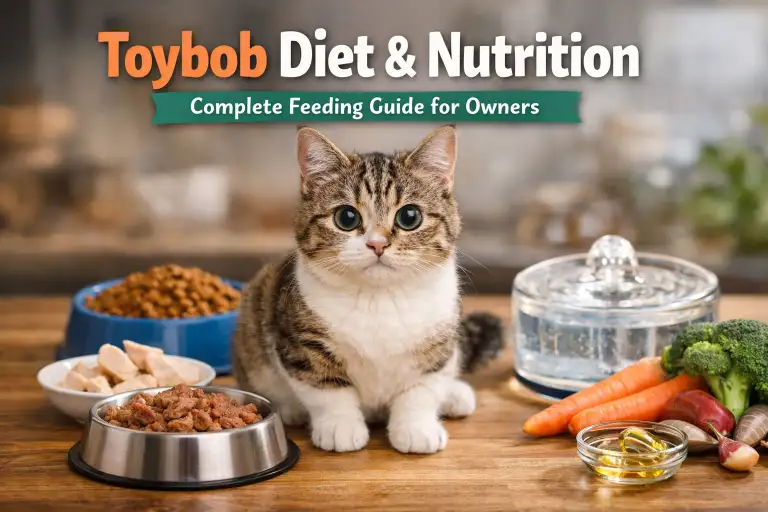
Proper nutrition is the foundation of a healthy life for Toybobs, one of the smallest and most energetic cat breeds. Despite their tiny size, Toybobs have high metabolic rates and unique dietary needs that differ from larger cats. Meeting these nutritional requirements is essential for maintaining their energy, supporting healthy growth in kittens, sustaining lean muscle mass in adults, and preventing health issues as they age.
Toybobs are obligate carnivores, which means their bodies are designed to rely primarily on animal-based protein and fat. Unlike omnivorous pets, they cannot thrive on plant-based diets alone. Providing the right balance of protein, fats, and essential nutrients ensures that their heart, eyes, coat, and overall body function remain optimal.
Hydration is another critical aspect of a Toybob’s diet. Small breeds are prone to dehydration if their diet is overly reliant on dry food or if water intake is insufficient. Including wet food or encouraging water drinking can support kidney and urinary tract health.
Additionally, life stage plays a significant role in dietary needs. Toybob kittens require nutrient-dense meals to support rapid growth, while adult Toybobs need maintenance nutrition to sustain energy without promoting excess weight gain. Senior Toybobs benefit from diets that support joint health, maintain lean body mass, and continue to provide adequate hydration.
Providing balanced nutrition is not just about choosing the right cat food. It’s also about establishing a feeding routine, monitoring portions, and being aware of treats and human foods that can affect your Toybob’s health. With the right approach, you can help your Toybob live a long, active, and happy life.
Understanding Nutritional Needs & Food Types
Toybobs need the right balance of nutrients to stay healthy and active. Because they are small cats with high energy, giving them the proper protein, fat, and essential nutrients is very important. Here’s what you need to know:
Macronutrients
- Protein: Helps build muscles, supports growth, and keeps your Toybob strong. High-quality animal protein is the best choice.
- Fat: Provides energy for play and daily activities. Healthy fats also help keep the skin and coat soft and shiny.
- Carbohydrates: Cats do not need much. Small amounts from grains or vegetables are okay, but most energy should come from protein and fat.
Micronutrients
- Taurine: Essential for heart, eye, and reproductive health.
- Vitamins & Minerals: Vitamins like A, D, E, and B-complex, and minerals like calcium and phosphorus, are needed for bones, teeth, and overall health.
Food Types for Toybobs
- Wet Food: Higher moisture, easier to chew, helps with hydration.
- Dry Food: Convenient, helps with dental care, but needs water intake alongside.
- Mixed Feeding: Combines wet and dry food for variety, hydration, and texture.
Here’s a table showing macronutrients and their importance for Toybobs:
| Nutrient | Role for Toybobs | Sources |
|---|---|---|
| Protein | Builds muscles, supports growth | Chicken, fish, turkey, beef |
| Fat | Energy, coat and skin health | Fish oil, chicken fat, animal fats |
| Carbohydrates | Minimal energy, fiber for digestion | Rice, oats, vegetables (small amount) |
| Taurine | Heart, eye, reproductive health | Meat, fish, poultry |
| Vitamins & Minerals | Bones, teeth, overall health | Balanced commercial cat foods |
Here’s a table comparing wet, dry, and mixed feeding:
| Food Type | Pros | Cons | Tips for Toybobs |
|---|---|---|---|
| Wet Food | High moisture, soft, palatable | Less convenient, short shelf life | Serve small portions, can mix with dry |
| Dry Food | Convenient, can support dental health | Low moisture, risk of overeating | Always provide fresh water, monitor portions |
| Mixed Feeding | Combines benefits of wet and dry | Slightly more planning | Alternate meals, balance protein & fat |
Feeding the right type of food and understanding nutrients helps keep your Toybob healthy, happy, and active.
Feeding Schedules, Life Stages & Portion Control
Toybobs need the right amount of food at the right times to stay healthy. Because they are small cats with fast metabolisms, feeding them correctly is very important.
Life Stages and Feeding Needs
- Kittens (up to 12 months): Need more protein and fat for growth. Feed small meals several times a day.
- Adults (1–7 years): Need balanced nutrition to maintain weight and energy. Feed 2–3 times a day.
- Seniors (7+ years): May need fewer calories but still enough nutrients. Feed 2 meals a day, watch for weight changes.
Portion Control Tips
- Small cats can overeat if food is always available. Measure meals to prevent obesity.
- Watch your cat’s body condition: ribs should be felt but not seen.
- Adjust portions based on activity level — active Toybobs may need more calories than less active ones.
Here’s a table showing a general feeding schedule and portion guide for Toybobs:
| Life Stage | Meals per Day | Portion Size (per meal, grams) | Notes |
|---|---|---|---|
| Kitten (0–12 months) | 4–5 | 15–25 | High protein & fat, frequent small meals |
| Adult (1–7 years) | 2–3 | 20–30 | Balanced nutrition, monitor weight |
| Senior (7+ years) | 2 | 15–25 | Adjust calories, focus on hydration & joint support |
Free-Feeding vs Scheduled Feeding
- Free-feeding: Food is available all day. Can work for some cats, but Toybobs may overeat.
- Scheduled feeding: Meals are given at set times. Helps control portions and prevent obesity.
By following a proper feeding schedule and portion control, your Toybob will stay at a healthy weight, have steady energy, and maintain a shiny coat.
Treats, Human Foods & Hydration
Treats and water are important parts of a Toybob’s diet, but they need careful attention. Giving too many treats or the wrong human foods can cause weight gain or health problems. Hydration is also very important, especially for small cats.
Treats
- Only give small, safe treats. Treats should be less than 10% of daily calories.
- Avoid chocolate, onions, garlic, grapes, and foods high in salt or sugar.
- Treats can be used for training, but they should not replace regular meals.
Here’s a table showing safe treats and foods to avoid:
| Treat / Food | Safe or Avoid | Notes |
|---|---|---|
| Small pieces of cooked chicken | Safe | High protein, low fat |
| Cooked fish (no bones) | Safe | Occasional treat, rich in omega-3 |
| Catnip treats | Safe | Use for fun and training |
| Chocolate | Avoid | Toxic for cats |
| Onions & garlic | Avoid | Can cause anemia |
| Grapes & raisins | Avoid | Can damage kidneys |
| Milk | Avoid | Many cats are lactose intolerant |
Hydration
- Small cats like Toybobs can get dehydrated if they eat mostly dry food.
- Wet food helps increase water intake naturally.
- Provide fresh water in a bowl or fountain at all times.
- Watch for signs of dehydration: dry gums, lethargy, and less frequent urination.
Here’s a table showing hydration strategies and water sources:
| Water Source | Pros | Tips |
|---|---|---|
| Fresh water bowl | Easy to refill | Change water daily |
| Cat water fountain | Encourages drinking | Clean filter weekly |
| Wet food | Adds moisture | Use alongside dry food for balance |
Providing safe treats and keeping your Toybob hydrated helps them stay healthy, prevents urinary problems, and keeps energy levels steady.
Common Feeding Mistakes & Practical Tips for Toybob Owners
Many Toybob owners make simple feeding mistakes without realizing it. Avoiding these mistakes can keep your cat healthy, active, and at a proper weight.
Common Feeding Mistakes
- Overfeeding: Giving too much food or too many treats can cause weight gain.
- Underfeeding: Too little food can make your Toybob weak or cause poor growth in kittens.
- Ignoring life stage: Kittens, adults, and seniors need different amounts and types of food.
- Sudden diet changes: Switching foods too quickly can upset your cat’s stomach.
- Low water intake: Relying only on dry food without fresh water can lead to dehydration.
Here’s a table summarizing Quick Feeding Do’s & Don’ts for Toybob owners:
| Do | Don’t | Notes |
|---|---|---|
| Measure meals and control portions | Leave food out all day (free-feeding) | Helps maintain healthy weight |
| Feed according to life stage | Feed adult food to kittens or vice versa | Supports growth and energy needs |
| Provide fresh water daily | Ignore signs of dehydration | Prevents urinary and kidney problems |
| Use treats in moderation | Give unsafe human foods | Keeps calories balanced and avoids toxicity |
| Monitor coat, weight, and energy | Assume all foods are equal | Helps catch problems early |
Following these simple tips and avoiding common mistakes makes feeding your easier and safer. Consistent monitoring of portions, hydration, and treats ensures a healthy and happy cat.
For more detailed guidance on feline nutrition standards, you can visit the AAFCO Cat Food Nutrient Profiles to learn about recommended nutrient levels for cats.

Ata Ur Rehman is the founder of Pet Age in Human Years Calculator, an educational platform that provides age conversion charts and lifespan guides for dogs, cats, birds, and other companion animals. His work focuses on helping pet owners understand how animal ages translate into human years using commonly accepted age conversion formulas and published lifespan averages.
The website compiles breed and species lifespan data from kennel clubs, breed organizations, and general animal lifespan studies to present simple and easy-to-understand guides for pet owners worldwide.
This website was created to centralize animal age conversion charts into one easy reference platform for pet owners.