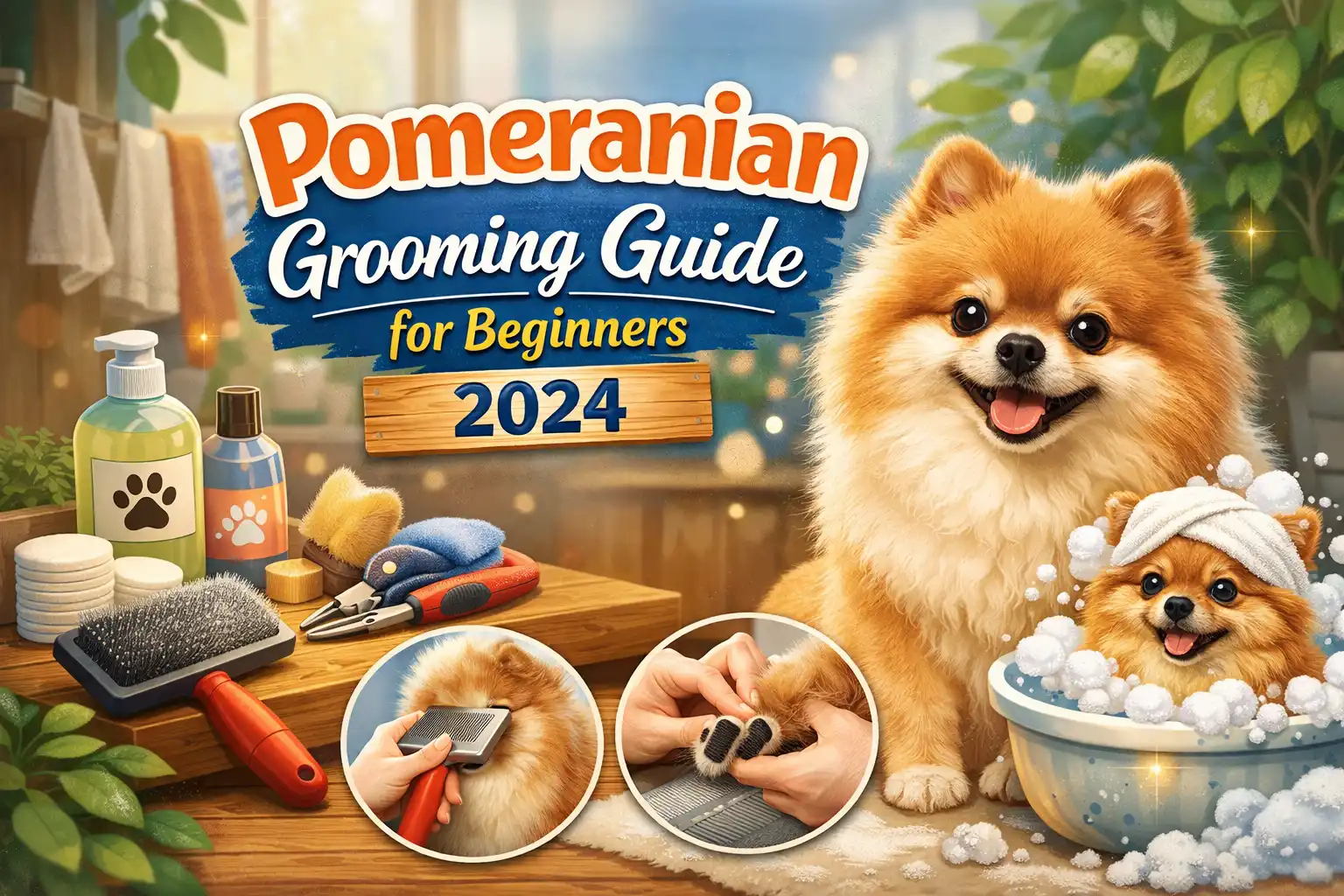
Pomeranian grooming is not just about keeping your dog looking cute. It is an important part of keeping them healthy, comfortable, and happy. Because pomeranians have a thick coat and small body size, their grooming needs are different from many other dogs.
This guide is made for beginners and everyday dog owners. It explains pomeranian grooming in a simple way, so you can care for your dog at home without stress. You will learn why grooming matters, how the pomeranian coat works, what tools you really need, and how to avoid common grooming mistakes.
Good grooming helps prevent matting, skin problems, bad smells, and discomfort. This makes grooming an essential part of overall Pomeranian care, not just appearance. It also helps you notice early signs of health issues, such as skin irritation or lumps. With the right routine, grooming can become a calm and positive time for both you and your pomeranian.
Why Grooming Is Important for Pomeranians
Grooming plays a big role in a pomeranian’s health and comfort. Their thick double coat can trap loose hair, dirt, and moisture if it is not cared for properly. This can lead to skin problems and painful mats.
Here is why regular grooming is important:
- helps prevent tangles and mats
- reduces shedding around the home
- keeps the skin clean and healthy
- helps control bad smells
- makes your dog feel more comfortable
Regular grooming also helps you notice problems early. While brushing or bathing, you may spot dry skin, redness, bumps, or parasites. Finding these issues early makes them easier to treat.
| Grooming benefit | Why it matters |
|---|---|
| brushing | prevents matting and heavy shedding |
| bathing | removes dirt and keeps skin healthy |
| regular checks | helps spot skin or coat problems |
Grooming is not just about looks. A well-groomed pomeranian is usually calmer, cleaner, and more comfortable in daily life.
Understanding the Pomeranian Coat and Grooming Needs
Pomeranians have a double coat. This means they have two layers of fur that grow and shed in different ways. The top layer is longer and fluffy, while the undercoat is soft and thick. Both layers need regular care to stay healthy.
Here is how the pomeranian coat affects grooming:
- the thick undercoat sheds often
- loose hair can get trapped and form mats
- mats usually form behind the ears, under the legs, and around the tail
- brushing helps air reach the skin
Pomeranian coats also change with age. Puppies and adult dogs do not have the same grooming needs.
To better understand your dog’s current life stage and grooming needs, you can use this Pomeranian dog age calculator to see what to expect as they grow.
| Coat stage | What it looks like | Grooming focus |
|---|---|---|
| puppy coat | soft and fluffy | gentle brushing |
| adult coat | thicker and fuller | regular brushing and coat checks |
During shedding seasons, pomeranians may lose more hair than usual. This is normal, but brushing becomes even more important during this time to stop matting and reduce loose hair around the home.
Understanding how your pomeranian’s coat works makes grooming easier and safer. It helps you choose the right routine and avoid common problems.
Step-by-Step Pomeranian Grooming at Home
Grooming a pomeranian at home is easier when you follow a simple routine. You do not need to do everything in one day. Short and calm sessions work best.
Here is a basic grooming routine most owners can follow:
| Grooming task | How often | Simple tips |
|---|---|---|
| brushing | 3 to 4 times a week | brush gently, start from the ends |
| bathing | every 4 to 6 weeks | use dog shampoo only |
| drying | after every bath | dry fully to avoid damp skin |
| light trimming | as needed | trim feet and hygiene areas |
Start with brushing. Always brush before bathing. Brushing removes loose hair and small tangles. If you wash a tangled coat, mats can become tighter and painful.
Bathing should be gentle and not too frequent. Use warm water and a dog-safe shampoo. Rinse very well so no soap stays on the skin. After the bath, dry your pomeranian fully with a towel and low heat. Damp fur can cause skin problems.
Light trimming is only for small areas like paws and around the back end. Do not shave the coat. Shaving can damage the pomeranian’s double coat and cause long-term coat issues.
Keep grooming calm and positive. Give breaks if your dog feels nervous. Over time, grooming will become easier for both of you.
Grooming Tools, Common Mistakes, and When to See a Professional
You do not need many tools to groom a pomeranian at home, but the right ones make grooming safer and easier. Using the wrong tools or methods can harm the coat and skin.
Basic grooming tools most owners need:
- a soft slicker brush for regular brushing
- a metal comb to check for small tangles
- dog shampoo made for sensitive skin
- nail clippers or a nail grinder
- cotton pads for gentle cleaning
Some common grooming mistakes to avoid:
- shaving the pomeranian coat
- bathing too often
- using human shampoo
- pulling hard on mats
- skipping brushing during shedding season
Shaving a pomeranian can damage the coat and stop it from growing back properly. Over-bathing can dry out the skin and cause itching. Mats should never be cut out without care, as skin can be pulled into the mat.
Sometimes, home grooming is not enough. A professional groomer should be used if:
- the coat is badly matted
- your dog becomes very stressed during grooming
- nails are hard to trim safely
- your pomeranian is old or has health problems
A professional groomer knows how to handle the coat safely and can help keep your pomeranian comfortable and healthy.
For additional, vet-reviewed advice on safe dog grooming and coat care, you can read the American Kennel Club grooming guide, which explains brushing, bathing, and coat maintenance in clear, owner-friendly terms:
https://www.akc.org/expert-advice/health/dog-grooming-basics/.
If you want a complete understanding of your dog beyond grooming, including care, behavior, and daily needs, read this Pomeranian dog full guide.

Ata Ur Rehman is the founder of Pet Age in Human Years Calculator, an educational platform that provides age conversion charts and lifespan guides for dogs, cats, birds, and other companion animals. His work focuses on helping pet owners understand how animal ages translate into human years using commonly accepted age conversion formulas and published lifespan averages.
The website compiles breed and species lifespan data from kennel clubs, breed organizations, and general animal lifespan studies to present simple and easy-to-understand guides for pet owners worldwide.
This website was created to centralize animal age conversion charts into one easy reference platform for pet owners.