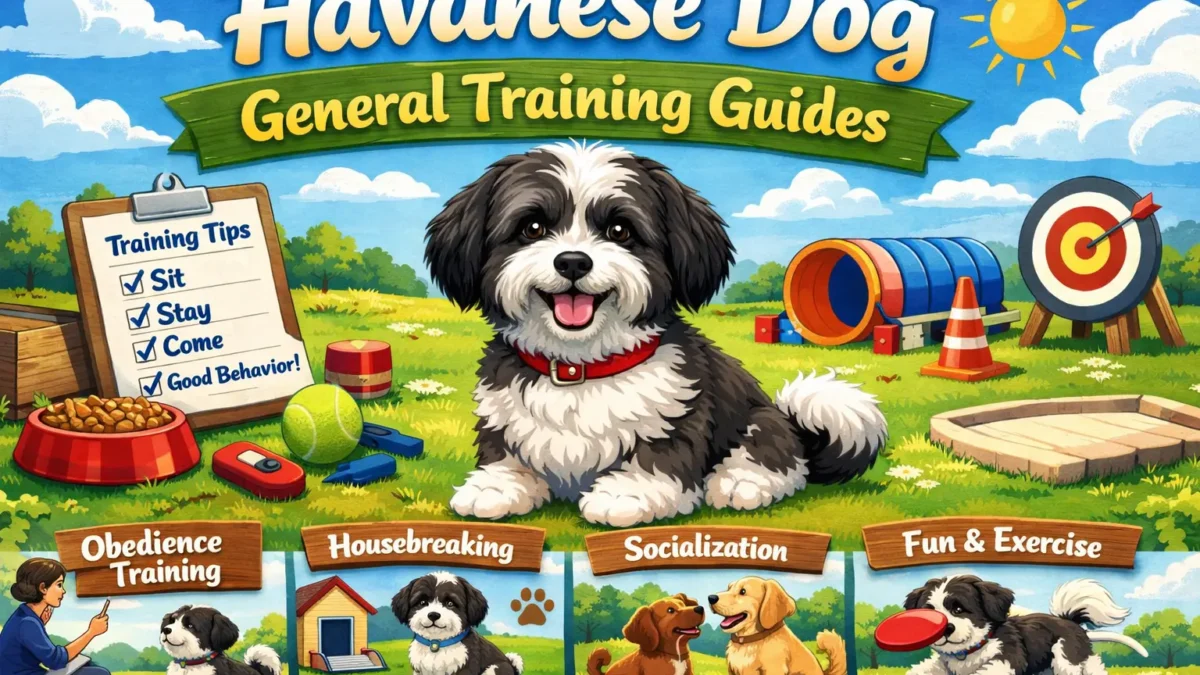
Havanese Dog Training: Complete Guide for Puppies and Adult Dogs
Havanese dog training is less about control and more about communication. This breed is highly intelligent, emotionally sensitive, and deeply people-oriented, which means they learn quickly—but only when training is handled the right way. Owners who treat Havanese dogs like generic small breeds often struggle with barking, clinginess, or inconsistent obedience, not because the dog is “stubborn,” but because the training approach doesn’t match how this breed thinks and feels.
This guide is designed to help you train a Havanese dog in a way that actually works in real life. Whether you’re raising a Havanese puppy, adopting an adult dog, or trying to fix lingering behavior problems, the goal is the same: build reliable manners, confidence, and calm behavior without breaking trust. Training should fit into normal daily routines, apartment living, family homes, and busy schedules—not require hours of drilling or harsh correction.
Unlike working breeds, Havanese dogs are companion dogs first. They are motivated by attention, praise, and connection just as much as food rewards. Because of this, they respond best to short, consistent training sessions that feel positive and engaging. When training is rushed, inconsistent, or overly strict, Havanese dogs may shut down, become anxious, or selectively ignore commands.
In the sections that follow, you’ll learn why training is especially important for this breed, how Havanese dogs learn and process information, and how to train them step by step with realistic expectations. You’ll also see common Havanese training problems explained clearly, along with practical solutions that owners can apply immediately. The focus throughout is simple: effective training that strengthens your relationship while creating a well-mannered, confident Havanese dog.
Why Training a Havanese Dog Matters
Training is not just about teaching tricks or commands. For a Havanese dog, training is a key part of emotional health, safety, and everyday life. This breed forms very strong bonds with people, and without proper training, that closeness can turn into problem behaviors.
One of the biggest reasons training matters is separation anxiety. Havanese dogs often struggle when left alone. Training helps them learn independence in small, safe steps. A trained Havanese is calmer, more confident, and less likely to bark, whine, or panic when you leave the house.
Training also helps control barking. Havanese dogs are alert and vocal by nature. Without guidance, this can turn into constant barking at noises, visitors, or movement outside. Clear training teaches them when barking is okay and when it is not.
Another important reason is house manners. Training sets clear rules for potty habits, leash walking, jumping, and polite behavior indoors. This is especially important for apartment living and family homes with children.
Training also keeps your dog safe. Simple skills like coming when called, walking calmly on a leash, and staying in place can prevent accidents. Even small dogs need strong training to stay out of danger.
Most importantly, training builds trust and communication. A Havanese dog that understands what you want feels less confused and less stressed. This creates a stronger bond between you and your dog.
Quick Look: How Training Helps Havanese Dogs
| Common Issue | How Training Helps | When You See Improvement |
|---|---|---|
| Separation anxiety | Builds confidence and calm behavior | 2–6 weeks |
| Excessive barking | Teaches quiet cues and focus | 1–4 weeks |
| Potty accidents | Creates routine and clear signals | 2–8 weeks |
| Pulling on leash | Improves control and safety | 2–4 weeks |
| Ignoring commands | Builds focus and trust | 1–3 weeks |
Training does not need to be hard or stressful. When done the right way, it makes daily life easier for both you and your dog.
Understanding the Havanese Temperament and How They Learn
Havanese dogs are smart, friendly, and very people-focused. They like to stay close to their owners and enjoy attention. This is why they are often called “velcro dogs.” They learn fast, but they also feel emotions deeply. Training works best when it is calm, kind, and clear.
This breed is sensitive. A loud voice or harsh correction can confuse or scare them. When that happens, a Havanese may stop listening, avoid training, or act nervous. Positive training works better because it helps them feel safe and confident.
Havanese dogs are also curious and playful. They enjoy learning when it feels like a game. Short lessons with praise, treats, or play keep them focused. Long or boring sessions often lead to distraction.
They are not truly stubborn. Most training problems happen because:
- The lesson is too long
- The reward comes too late
- The dog is tired, excited, or stressed
- The rules change from day to day
Understanding how they learn helps you adjust your training instead of blaming the dog.
Havanese Traits and What They Mean for Training
| Havanese Trait | What It Looks Like | Best Training Approach |
|---|---|---|
| Very people-focused | Follows you everywhere | Teach calm independence |
| Sensitive to tone | Shuts down with harsh words | Use gentle voice and praise |
| Intelligent | Learns quickly | Keep lessons short and fun |
| Alert and vocal | Barks at sounds or movement | Teach quiet and focus cues |
| Easily distracted | Loses focus outside | Train first in quiet spaces |
Havanese dogs learn best when training is:
- Short (5–10 minutes)
- Repeated daily
- Rewarded right away
- Calm and positive
When you understand their personality, training becomes easier and more enjoyable for both of you.
Step-by-Step Havanese Dog Training Guide
Training a Havanese dog works best when it is simple, calm, and done every day. You do not need long lessons or special tools. Short sessions and clear rules bring the best results.
Start training as early as possible, but adult Havanese dogs can learn too. The key is patience and consistency.
When to Train
- Puppies can start basic training at 8 weeks old
- Adult dogs can start training on day one
- Train when your dog is calm, not tired or overexcited
- Pick quiet times with few distractions
How Long and How Often to Train
- Train 5–10 minutes per session
- Do 2–3 short sessions each day
- Stop before your dog gets bored
- End each session on a success
Daily Training Schedule (Puppy vs Adult)
| Training Time | Puppy Focus | Adult Dog Focus |
|---|---|---|
| Morning | Potty training, name response | Leash walking, focus |
| Afternoon | Sit, down, short play | Obedience refresh |
| Evening | Calm behavior, crate time | Relaxation and manners |
Core Skills to Teach First
Start with simple skills before moving on.
- Name response
- Sit and down
- Stay (short time at first)
- Come when called (indoors first)
- Loose leash walking
- Potty routine
Train indoors first. When your dog listens well, slowly practice outside.
Training Timeline Expectations
| Skill | When Training Starts | Typical Progress |
|---|---|---|
| Name response | Week 1 | 1–2 weeks |
| Sit and down | Week 1 | 2–3 weeks |
| Potty training | Puppy stage | 2–8 weeks |
| Leash walking | Week 2 | 2–4 weeks |
| Recall indoors | Week 2 | 3–6 weeks |
Every dog learns at a different speed. Slow progress does not mean failure.
Simple Training Tips
- Reward right away (within 1 second)
- Use small treats or praise
- Keep rules the same every day
- Stay calm and patient
Training should feel fun, not stressful. A happy Havanese learns faster and listens better.
Common Havanese Training Problems and Solutions
Even well-loved Havanese dogs can develop training problems. Most issues come from confusion, fear, or mixed rules, not bad behavior. The good news is that many problems can be fixed with small changes.
Separation Anxiety and Clingy Behavior
Havanese dogs love being close to people. When they are left alone, some feel scared.
What helps:
- Practice short alone times every day
- Do not make a big deal when leaving or coming back
- Teach your dog to relax on a bed or mat
- Use calm toys or safe chew items
Excessive Barking
Havanese dogs bark to alert you. This can become too much without training.
What helps:
- Teach a “quiet” command
- Reward calm behavior
- Block window views if needed
- Make sure your dog gets enough daily activity
Potty Training Problems
Accidents often happen because the routine is unclear.
What helps:
- Take your dog out at the same times daily
- Reward right after potty outside
- Clean accidents fully to remove smell
- Go back to basics if accidents return
Ignoring Commands
If your Havanese listens at home but not outside, this is normal.
What helps:
- Train first in quiet places
- Slowly add distractions
- Use higher-value treats outdoors
- Practice short, successful sessions
Quick Fix Guide
| Problem | Common Cause | Simple Fix |
|---|---|---|
| Clingy behavior | Fear of being alone | Build independence slowly |
| Barking too much | Bored or alert | Teach calm and quiet |
| Potty accidents | No clear routine | Set fixed potty times |
| Won’t listen outside | Too many distractions | Train step by step |
If a problem lasts many weeks without improvement, you may need extra help.
When to Seek Professional Help
Most Havanese training problems can be fixed at home with time and patience. But some situations need help from a trained professional. Asking for help early can prevent problems from getting worse.
You should look for professional help if your Havanese shows:
- Strong fear or panic that does not improve
- Aggressive behavior like growling, snapping, or biting
- Severe separation anxiety with destruction or self-harm
- Extreme barking that never improves
- Training problems that stay the same after many weeks
A professional trainer can watch your dog’s behavior and help you adjust your training plan. Look for trainers who use positive and reward-based methods. These work best for sensitive breeds like the Havanese.
In some cases, a veterinarian or veterinary behaviorist may be needed. Health problems, pain, or anxiety disorders can affect behavior. A vet can rule out medical causes and guide next steps.
Getting help does not mean you failed. It means you care about your dog’s well-being and want the best results.
With the right support, even serious behavior problems can improve over time.
For more breed-specific background and official guidance, you can also explore the American Kennel Club’s Havanese breed information, which explains temperament traits and care needs that support proper training.