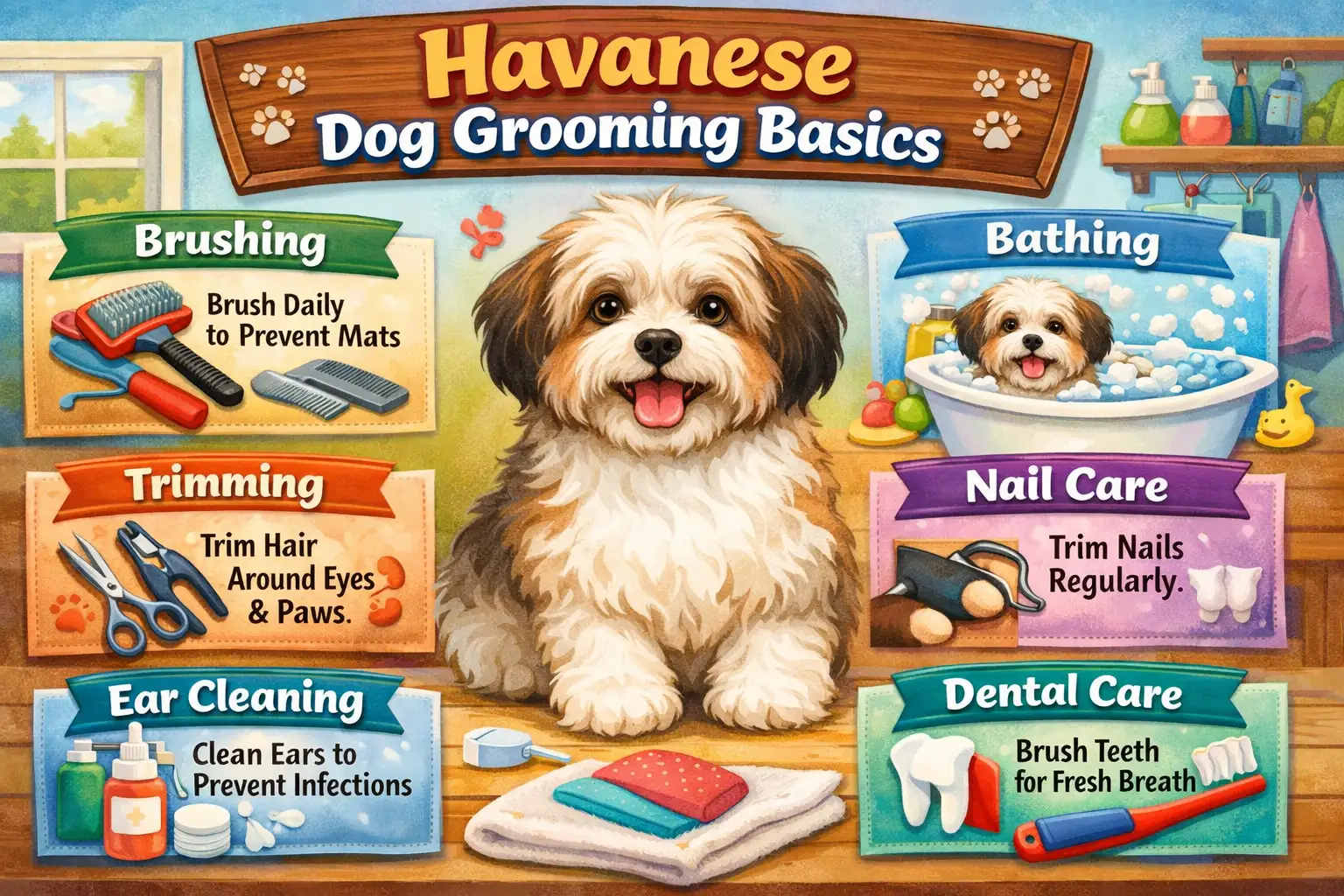
Grooming is a crucial part of keeping your Havanese healthy, comfortable, and looking their best. With their beautiful, silky coats, Havanese dogs are often considered high-maintenance when it comes to grooming. However, with the right approach and tools, you can easily manage their grooming routine at home.
This guide will walk you through everything you need to know about grooming your Havanese, from understanding their coat type to developing a regular grooming routine. Whether you’re a first-time dog owner or a seasoned pro, this comprehensive guide will provide valuable tips, step-by-step instructions, and expert advice to help you take care of your Havanese’s grooming needs.
Havanese dogs are known for their long, flowing coats, which require regular maintenance to prevent tangles, mats, and other grooming issues. Their coat is one of the most distinctive features of the breed, but it also comes with specific grooming challenges. Proper grooming not only keeps your dog looking good but also contributes to their overall health and comfort.
The Havanese coat is one of the most beautiful features of the breed, but it also requires regular care. Their long, silky, and sometimes wavy coat can get tangled and matted easily if not properly maintained. In this section, we’ll break down the characteristics of the Havanese coat and how that affects the grooming routine. You’ll also learn how to keep their coat looking great while avoiding common problems.
Characteristics of the Havanese Coat
Havanese dogs have a single-layer coat, meaning they don’t have an undercoat like many other breeds. This makes them less likely to shed a lot of hair. However, their coat grows continuously, which means it needs regular trimming and brushing to prevent it from getting too long, tangled, or matted.
Havanese coats can come in a variety of textures:
- Silky: Most Havanese coats are silky and smooth.
- Wavy: Some Havanese dogs have a slight wave to their fur.
The coat can be quite dense, so regular brushing is essential to prevent tangling. It’s important to note that because the coat is long, it can easily get caught on furniture or snagged in bushes when walking outside.
Grooming Challenges
While the Havanese coat is beautiful, it does come with its challenges. Here are the most common problems you’ll need to watch out for:
- Matting: The long fur can mat if it’s not brushed regularly. Matting happens when the hair gets tangled, often behind the ears or under the arms.
- Tangles: Havanese fur can tangle quickly, especially if not brushed every day.
- Shedding: Although they are considered low-shedding, they do shed a small amount, and their hair can get stuck in the environment.
The good news is that with the right tools and regular care, these issues are easy to prevent!
Coat Type vs. Grooming Frequency
Depending on the condition and texture of your Havanese’s coat, the grooming frequency will vary. Here’s a quick reference table to help you understand the general grooming schedule based on their coat condition:
| Coat Type | Brushing Frequency | Bathing Frequency | Trimming |
|---|---|---|---|
| Silky, well-maintained coat | Every 2-3 days | Every 3-4 weeks | Every 6-8 weeks |
| Wavy, slightly tangled | Daily | Every 2-3 weeks | Every 6-8 weeks |
| Matted coat | Twice a day or as needed | Weekly | Every 4-6 weeks |
This table gives you a basic idea of how often to brush, bathe, and trim your Havanese based on their coat type. Remember, the more regularly you brush, the less likely you are to face mats and tangles.
Essential Grooming Tools and Routine
To keep your Havanese looking and feeling their best, you’ll need the right tools and a regular grooming routine. In this section, we’ll go over the most important tools you’ll need, and we’ll show you a simple step-by-step grooming routine that will make it easier to care for your dog at home.
Key Grooming Tools for Havanese
The first step in grooming your Havanese is having the right tools. Using the wrong tools can cause pain or irritation, and it won’t give your dog the best results. Here are the essential tools you’ll need:
| Tool | Purpose |
|---|---|
| Pin Brush | Perfect for untangling and gently brushing the coat. |
| Slicker Brush | Great for removing mats and tangles. |
| Comb | Helps to get through tangles and check for mats. |
| Nail Clippers | To trim your dog’s nails and keep them healthy. |
| Ear Cleaning Solution | To clean your dog’s ears and avoid infections. |
| Shampoo & Conditioner | Gentle, dog-safe shampoo to clean and moisturize the coat. |
Step-by-Step Grooming Routine
A consistent grooming routine will keep your Havanese’s coat in great condition. Here’s a simple routine to follow each week:
- Brush Your Dog’s Coat
Start by brushing your dog’s coat gently with a pin brush or slicker brush. You’ll want to brush from the roots to the tips, working in small sections. Pay extra attention to areas where tangles and mats are more likely to form, such as behind the ears and under the arms. - Bathing Your Havanese
Havanese dogs don’t need frequent baths. Typically, you should bathe your dog every 3-4 weeks. Use a gentle, dog-safe shampoo and conditioner. Make sure the water is warm but not too hot, and rinse thoroughly to avoid irritation. - Drying the Coat
After the bath, gently towel dry your dog to remove excess water. If your Havanese enjoys it, you can use a blow dryer on the lowest heat setting to dry the coat completely. Avoid using a hot dryer, as this could damage the hair or irritate their skin. - Trimming the Coat
Every 6-8 weeks, your Havanese will need a trim to keep their coat looking neat. You can trim the coat yourself, but if you’re unsure, consider going to a professional groomer for a trim. - Nail Care
It’s important to trim your Havanese’s nails regularly. Check their nails every 2-3 weeks, and trim them if they’ve gotten too long. Be sure not to cut too much, as you could hurt your dog. - Ear Cleaning
Use a dog-safe ear cleaner to gently clean your dog’s ears once a week. Be very careful and avoid inserting anything into the ear canal. Just clean the visible parts of the ear to prevent infections.
Grooming Frequency Table
Here’s a quick reference table to remind you of how often to perform each grooming task:
| Grooming Task | Frequency |
|---|---|
| Brushing | Every 2-3 days |
| Bathing | Every 3-4 weeks |
| Trimming | Every 6-8 weeks |
| Nail Clipping | Every 2-3 weeks |
| Ear Cleaning | Once a week |
Following this grooming routine will ensure that your Havanese stays clean, healthy, and comfortable.
Specialized Grooming for Puppies, Adults, and Seniors
As your Havanese ages, their grooming needs will change. Puppies, adults, and senior dogs each have unique grooming requirements. In this section, we’ll break down the different grooming routines for each life stage and how to care for your dog as they grow older.
Grooming Puppies
When your Havanese is a puppy, they may have softer and shorter fur than they will have as an adult. They also tend to be more wiggly, which can make grooming a challenge. It’s important to start grooming your puppy early so they get used to it. Here’s how to care for a puppy’s coat:
- Start Slowly: Begin brushing your puppy’s coat gently as soon as you bring them home. This helps them get used to the grooming process.
- Shorter Grooming Sessions: Puppies have more energy and may not want to stay still for long grooming sessions. Keep sessions short and positive.
- Frequent Brushing: Brushing your puppy’s coat every day or every other day helps prevent tangles as their coat begins to grow.
Grooming Adults
Adult Havanese dogs usually have longer and thicker coats. They need more frequent grooming to keep their fur healthy and clean. Here’s what you should focus on:
- Regular Brushing: Brush your adult Havanese at least every 2-3 days to keep their coat tangle-free.
- Trimming: Every 6-8 weeks, trim the coat to keep it manageable. This will also prevent mats from forming.
- Check for Mats and Tangles: Adult dogs, especially those with longer coats, are prone to mats and tangles. Regularly check under the ears, behind the legs, and around the collar.
Grooming Seniors
Senior Havanese dogs may not have as much energy as they did when they were younger. Their grooming needs may change, too. Here’s how to care for your senior dog:
- Gentle Brushing: Seniors may not enjoy long grooming sessions. Use a gentle brush and take breaks if needed.
- Monitor Coat Health: As dogs age, their coat can change. It may become thinner or coarser. Keep an eye on the condition of their coat and skin.
- Health Considerations: Older dogs may also have more skin issues, so use gentle, moisturizing shampoos. If you notice any skin problems, like dryness or rashes, consult your vet.
Grooming Frequency by Age
Here’s a simple table that shows how often you should groom your Havanese at different life stages:
| Life Stage | Brushing Frequency | Trimming Frequency | Bathing Frequency |
|---|---|---|---|
| Puppy | Every day to every other day | Every 6-8 weeks | Every 3-4 weeks |
| Adult | Every 2-3 days | Every 6-8 weeks | Every 3-4 weeks |
| Senior | Every 3 days | Every 8 weeks or as needed | Every 4-6 weeks |
This table gives you a quick reference to help you adjust your grooming routine based on your dog’s age.
Common Grooming Mistakes and FAQs
Grooming your Havanese can be a fun and rewarding experience, but there are a few common mistakes that many dog owners make. In this section, we’ll discuss these mistakes and how to avoid them. We’ll also answer some frequently asked questions to help you feel more confident about grooming your Havanese.
Common Grooming Mistakes to Avoid
- Over-bathing
Bathing your Havanese too often can strip their skin of natural oils, which can lead to dryness and irritation. Unless your dog gets very dirty, aim to bathe your Havanese no more than once every 3-4 weeks. - Not Brushing Enough
Havanese coats are prone to tangling and matting. If you don’t brush your dog regularly, mats can form quickly. Be sure to brush your Havanese every 2-3 days to prevent tangles. - Using the Wrong Tools
Using brushes or combs that are too harsh or not suited for your dog’s coat can cause discomfort. Always use a gentle pin brush, slicker brush, or comb designed for long-haired dogs like the Havanese. - Trimming Too Much
Trimming your Havanese’s coat too short can expose their skin to the elements, which could cause irritation or sunburn. Always trim only a small amount and aim for a clean, neat look. - Neglecting Nail Care
Regular nail trimming is important for your dog’s health. Long nails can cause pain, affect their walking, and even lead to injuries. Don’t skip nail trims!
Frequently Asked Questions (FAQs)
Here are some common questions that Havanese owners often ask:
| Question | Answer |
|---|---|
| How often should I brush my Havanese? | Brush your Havanese at least every 2-3 days to prevent tangles and mats. |
| Can I bathe my Havanese more often? | Bathing too often can dry out their skin. Stick to every 3-4 weeks. |
| What is the best brush for Havanese hair? | A pin brush or slicker brush is perfect for their long, silky coat. |
| How can I prevent mats in my dog’s coat? | Brush regularly, especially behind the ears and under the arms, to prevent mats. |
| Should I trim my Havanese’s coat myself? | It’s okay to trim small areas, but it’s best to visit a professional groomer for full trims. |
This table makes it easier for you to find answers to common concerns quickly!
For more expert tips on dog grooming and breed-specific care, check out this detailed dog grooming guide from the American Kennel Club.

Ata Ur Rehman is the founder of Pet Age in Human Years Calculator, an educational platform that provides age conversion charts and lifespan guides for dogs, cats, birds, and other companion animals. His work focuses on helping pet owners understand how animal ages translate into human years using commonly accepted age conversion formulas and published lifespan averages.
The website compiles breed and species lifespan data from kennel clubs, breed organizations, and general animal lifespan studies to present simple and easy-to-understand guides for pet owners worldwide.
This website was created to centralize animal age conversion charts into one easy reference platform for pet owners.