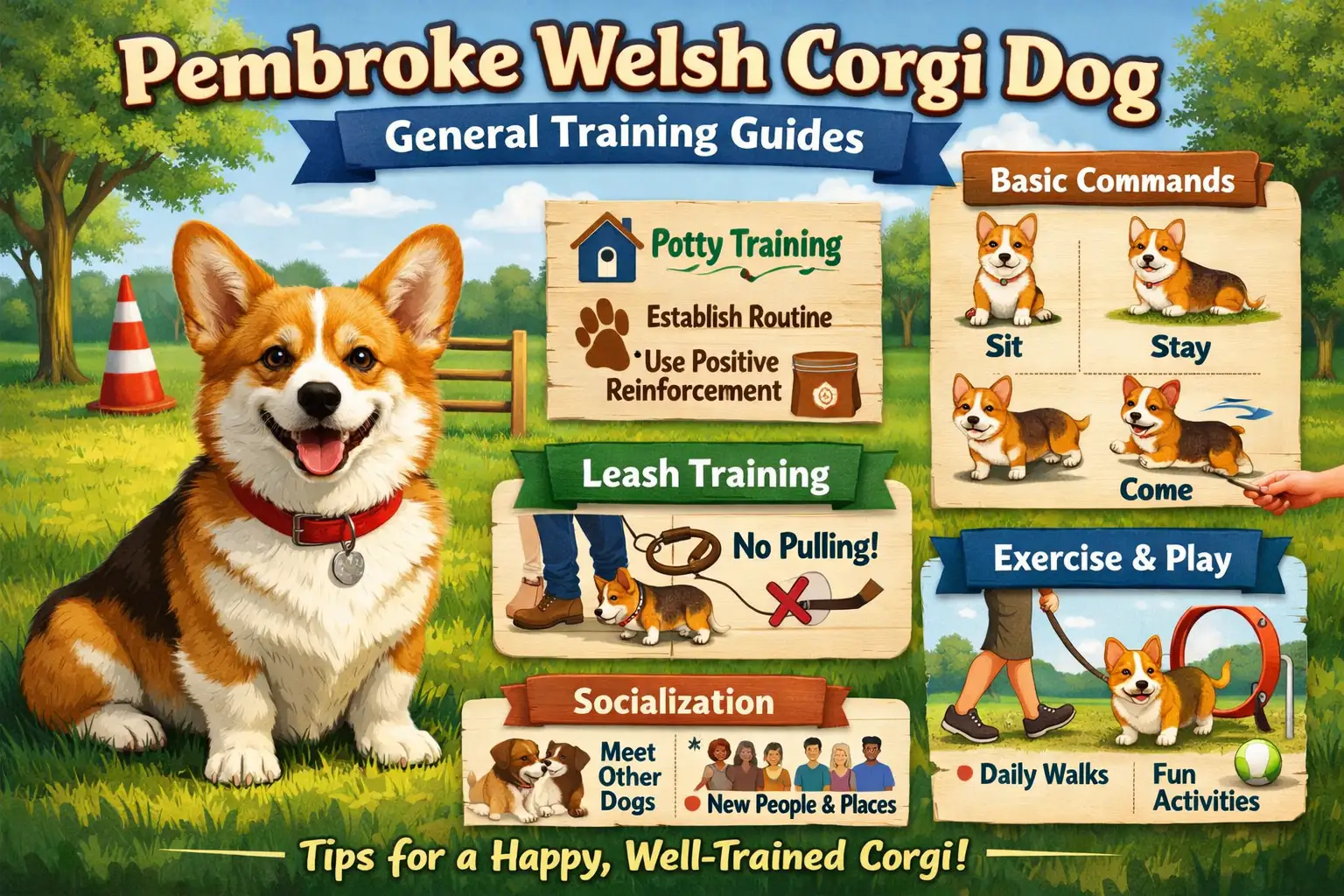
Understanding Pembroke Welsh Corgi Behavior and Training Challenges
Pembroke Welsh Corgis were bred to herd animals much bigger than them. Because of this, many of their behaviors are natural, not bad. Problems start when owners do not understand why the behavior happens.
Corgis are very smart, but they also like to make their own choices. This is why many owners say their Corgi is “stubborn.” In reality, the dog is testing limits and learning what works.
Here are the most common behavior traits that affect training:
- Strong herding instinct, which leads to heel nipping
- Loud barking to alert or control movement
- High confidence in a small body
- Fast learning, but quick boredom
- Puppy behavior that turns into habits if not guided
Understanding these traits early makes training much easier and prevents frustration later.
Pembroke Welsh Corgi Behavior Traits and Training Impact
| Behavior Trait | Why It Happens | How It Affects Training |
|---|---|---|
| Heel nipping | Herding instinct | Needs early bite control and redirection |
| Excessive barking | Alert and control behavior | Requires calm reward timing and limits |
| Stubborn behavior | Independent thinking | Training must be consistent and short |
| High food drive | Survival and working history | Rewards work well but must be controlled |
| Quick learning | High intelligence | Training must stay interesting |
Puppies show these behaviors in playful ways. Adult Corgis show them more strongly if they were never trained properly. This is why starting early — or fixing habits as soon as you notice them — is so important.
Best Training Methods for Pembroke Welsh Corgis
Training a Pembroke Welsh Corgi works best when you use rewards and consistency. These dogs are smart, so they learn quickly when training is short, fun, and predictable. Harsh corrections or long sessions usually make them stubborn or bored.
Key points for effective Corgi training:
- Keep sessions short (5–10 minutes) but frequent.
- Use treats, praise, or toys as rewards.
- Always end on a positive note so your Corgi looks forward to the next session.
- Train in different environments (home, backyard, walks) so your dog listens everywhere.
- Be patient; repetition is more important than speed.
Corgi Training Session Guidelines
| Dog Age | Session Length | Sessions Per Day | Best Rewards |
|---|---|---|---|
| Puppy (8–16 weeks) | 5–7 minutes | 3–4 | Small soft treats or praise |
| Puppy (4–6 months) | 7–10 minutes | 2–3 | Treats, praise, short play |
| Adult Corgi | 10–15 minutes | 1–2 | High-value treats, praise, or favorite toy |
This table helps you plan sessions that fit your dog’s age and energy level. Short, consistent sessions beat long, infrequent ones every time.
Corgis also respond best to positive reinforcement. This means rewarding the behaviors you want, rather than punishing the behaviors you don’t want. For example, instead of scolding a nipping puppy, redirect to a toy and reward calm behavior.
Step-by-Step Pembroke Welsh Corgi Obedience Training
Training your Corgi step by step helps your dog learn faster and build good habits. Start with simple commands and gradually move to more advanced skills. Training should happen every day, in short sessions, and in different places so your dog learns to obey anywhere.
Core commands to teach your Corgi first
- Sit
- Stay
- Come (recall)
- Leave it / drop it
- Heel
These commands create a foundation for good behavior at home and on walks.
Puppy vs Adult Corgi Training Focus
| Training Area | Puppy Focus | Adult Focus |
|---|---|---|
| Obedience commands | Basic sit, stay, come | Reinforce commands reliably |
| Leash training | Short walks, reward for calm walking | Control pulling and distractions |
| House training | Potty schedule, crate training | Maintain routine, prevent accidents |
| Impulse control | Redirect nipping, teach waiting | Prevent jumping, barking, chasing |
| Socialization | Exposure to people and dogs | Maintain calm behavior around visitors |
Start training in a quiet environment and gradually add distractions like other pets or children. Always reward good choices and remain consistent if your Corgi tests limits.
Remember, adult Corgis may take a little longer to adjust, especially if they have learned bad habits. Be patient, consistent, and keep sessions fun and positive.
Common Pembroke Welsh Corgi Training Problems and Solutions
Even with the best training, Corgis can develop common problems if owners do not handle them early. The key is understanding why the behavior happens and responding consistently.
Here are the most frequent issues and how to fix them:
- Heel nipping or playful biting
- Excessive barking at people or animals
- Pulling on leash during walks
- Selective listening or ignoring commands
- Regression in puppy behaviors as the dog grows
Common Corgi Training Problems and Quick Fixes
| Problem | Common Cause | What to Do | What to Avoid |
|---|---|---|---|
| Heel nipping | Herding instinct | Redirect to toy, reward calm walking | Punish or shout |
| Excessive barking | Alert or boredom | Teach “quiet” command, give mental stimulation | Yelling or scolding |
| Pulling on leash | Excitement or lack of training | Stop-and-go method, reward for walking calmly | Dragging or punishing |
| Selective listening | Stubbornness or inconsistent cues | Use consistent cues, short fun sessions | Repeating commands endlessly |
| Regression | Lack of reinforcement | Return to short sessions, reinforce basics | Ignoring the behavior |
Many owners make mistakes like skipping short sessions, rewarding bad behavior by giving attention, or expecting instant results. Correcting these mistakes quickly prevents bad habits from becoming permanent.
It’s important to note that if your Corgi shows aggression, fear, or unusual anxiety, it is time to seek professional help rather than trying to fix it alone.
For more expert advice on dog behavior and training, you can visit the American Kennel Club’s guide to training your dog: https://www.akc.org/expert-advice/training/

Ata Ur Rehman is the founder of Pet Age in Human Years Calculator, an educational platform that provides age conversion charts and lifespan guides for dogs, cats, birds, and other companion animals. His work focuses on helping pet owners understand how animal ages translate into human years using commonly accepted age conversion formulas and published lifespan averages.
The website compiles breed and species lifespan data from kennel clubs, breed organizations, and general animal lifespan studies to present simple and easy-to-understand guides for pet owners worldwide.
This website was created to centralize animal age conversion charts into one easy reference platform for pet owners.