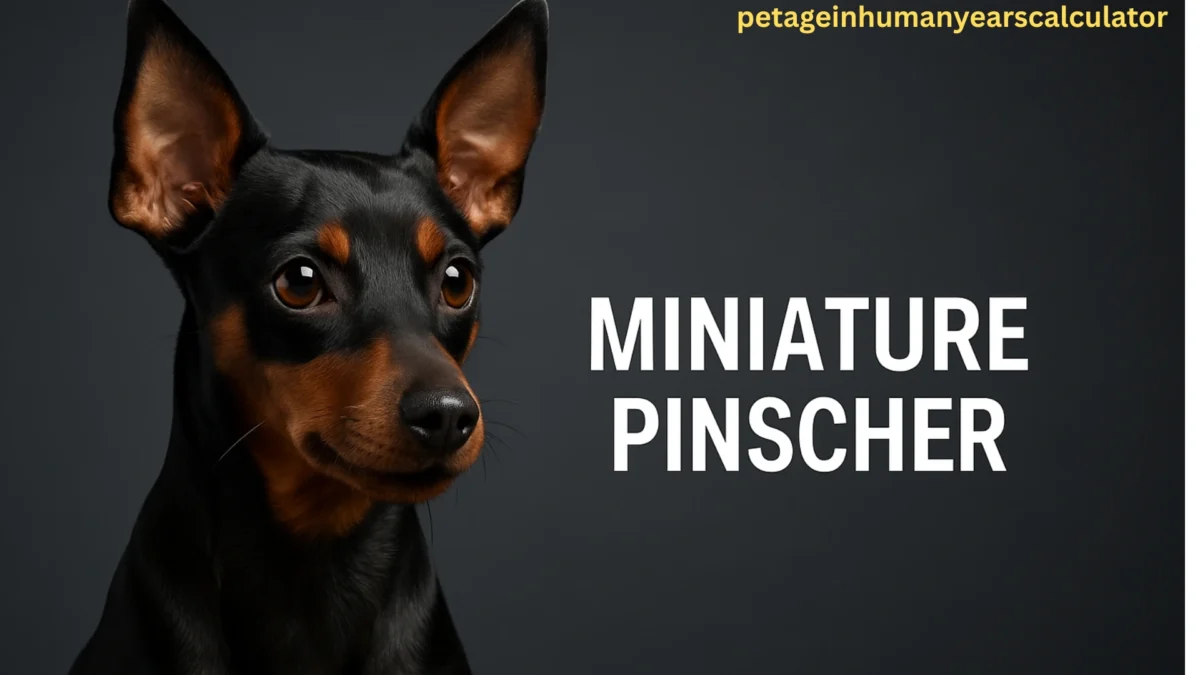
The Miniature Pinscher is often misunderstood as a “small Doberman,” but it’s actually a much older and entirely separate breed with its own fearless personality and history. Originating in Germany, the Miniature Pinscher was developed as a skilled rat hunter and companion, famous for its bold confidence, lively spirit, and the proud nickname “King of Toys.” Despite their small size, they are energetic, self-assured, and surprisingly athletic dogs built for movement, curiosity, and independence.
Miniature Pinschers usually live between 12 and 16 years. Their lifespan depends on factors like diet, exercise, genetics, and overall care. With proper nutrition, regular vet checkups, and an active lifestyle, many Min Pins can live even longer than the average lifespan.
Miniature Pinscher Lifespan: How Long Do They Live?
The average Miniature Pinscher lifespan is around 12 to 16 years. In many cases, Miniature Pinschers live longer than larger dog breeds because of their small size, but their life expectancy still depends heavily on genetics, diet, exercise, dental care, and regular veterinary checkups.
If you are wondering how long Miniature Pinschers live, the short answer is that most healthy Min Pins stay active well into their senior years when they receive proper daily care and preventive health support.
If you already have a Miniature Pinscher, you can instantly check its age in human years using this Miniature Pinscher age calculator to get an accurate estimate.
Miniature Pinscher Quick Facts
| Breed | Miniature Pinscher (Min Pin) |
| Average Lifespan | 12–16 years |
| Size | Small toy breed |
| Temperament | Confident, energetic, alert |
| Exercise Needs | Moderate to high |
| Best For | Active owners and experienced small-dog households |
Important clarification: The Miniature Pinscher is not a “mini Doberman.” Despite the similar name, it is a separate and older breed with different size, lifespan, and care needs. If you are looking for information about the Doberman Pinscher, its lifespan and requirements are very different from those of a Miniature Pinscher.
Historically, the Miniature Pinscher is believed to have descended from a mix of breeds including the Dachshund and Italian Greyhound, refined over time into the compact yet powerful dog we know today. They gained international recognition in the early 1900s and quickly became popular due to their sharp intelligence, alert nature, and striking presence.
Miniature Pinscher Lifespan & Life Expectancy
Miniature Pinscher lifespan at a glance:
- Average lifespan: 12–16 years
- Small dog longevity: longer than many medium breeds
- Key factors: diet, exercise, genetics, and preventive veterinary care
- Common health risks: patellar luxation, dental disease, eye problems
The average Miniature Pinscher lifespan is about 12–16 years. This means the typical Miniature Pinscher life expectancy is longer than many larger dog breeds, especially when they receive proper care, a healthy diet, and regular veterinary support.
What Affects a Miniature Pinscher’s Lifespan?
Several important factors influence how long a Miniature Pinscher lives. While the average lifespan is 12–16 years, proper care and lifestyle choices can significantly increase life expectancy.
- Diet and nutrition: Feeding a balanced, high-quality diet helps support long-term health and can prevent obesity-related diseases. Learn more about proper Miniature Pinscher nutrition and feeding.
- Exercise and activity: Regular physical activity keeps your Min Pin fit, supports heart health, and prevents behavioral issues linked to boredom.
- Genetics and breeding: Dogs from responsible breeders with good genetic lines are less likely to develop inherited health problems.
- Dental care: Dental disease is common in small breeds and can affect overall health. Regular brushing and dental checkups can improve lifespan.
- Veterinary care: Routine vet visits, vaccinations, and early detection of health issues play a major role in extending a Miniature Pinscher’s life.
While the typical life expectancy is 12–16 years, some Miniature Pinschers may live even longer with excellent health care and responsible breeding. You can also quickly check your dog’s exact age in human years using this dog age calculator.
How to Help Your Miniature Pinscher Live Longer
If you want to improve your Miniature Pinscher’s life expectancy, focus on daily care habits that support long-term health. Small, consistent habits often make the biggest difference over time.
- Feed a balanced diet and avoid overfeeding.
- Keep your Min Pin active with daily walks and play.
- Brush their teeth regularly to reduce dental disease risk.
- Schedule routine vet checkups and stay current on vaccines.
- Watch for early signs of joint, eye, or dental problems.
- Maintain a healthy weight throughout adulthood and senior years.
You can also use the Miniature Pinscher age calculator to better understand your dog’s age in human years and adjust care as they grow older.
Common Health Problems That Can Affect Lifespan
Like many small dog breeds, Miniature Pinschers are generally healthy, but certain health conditions can affect their lifespan if not managed early. Understanding these risks helps owners take preventive steps and extend their dog’s life.
- Patellar luxation: A common knee condition that can affect mobility and activity levels over time.
- Dental disease: One of the most common issues in small breeds, which can impact overall health if untreated.
- Eye problems: Conditions like progressive retinal atrophy can affect vision as the dog ages.
- Legg-Calvé-Perthes disease: A hip joint issue that may impact movement and quality of life.
- Epilepsy: Some Miniature Pinschers may develop seizures that require medical management.
Regular vet checkups, early diagnosis, and proper care can help manage these conditions and improve your Miniature Pinscher’s overall life expectancy.
How Miniature Pinscher Lifespan Compares to Other Small Dogs
The Miniature Pinscher lifespan is considered long compared with many dog breeds, especially larger dogs. With an average life expectancy of 12–16 years, Min Pins often live as long as or longer than many other small companion breeds when they receive proper care.
- Miniature Pinscher: 12–16 years
- Chihuahua: often 12–20 years
- Dachshund: often 12–16 years
- Many medium and large breeds: often shorter lifespans overall
This longer life expectancy is one reason many owners choose the Miniature Pinscher as a long-term companion dog.
Miniature Pinscher Size, Height & Weight
Miniature Pinscher size: Miniature Pinschers are small but sturdy dogs, typically standing about 10–12.5 inches tall and weighing around 4–6 kg. Despite their compact size, they are energetic and athletic dogs with a lean, muscular build and a distinctive high-stepping gait.
This small size makes Miniature Pinschers easier to handle physically, but their energy and curiosity often surprise first-time owners. They have a sleek, short coat that highlights their athletic shape and confident posture.
Miniature Pinscher key facts: This small but energetic breed is known for its long lifespan, compact size, and bold personality.
| Category | Details |
|---|---|
| Breed Name | Miniature Pinscher |
| Origin | Germany |
| Purpose / History | Rat hunting, watchdog, companion |
| Size | Small |
| Height | 10–12.5 inches (approx.) |
| Weight | 4–6 kg (approx.) |
| Lifespan | 12–16 years (average) |
| Coat | Short, smooth |
| Common Colors | Red, stag red, black & rust, chocolate |
| Temperament | Fearless, energetic, alert, confident |
| Energy Level | High |
| Barking Level | Moderate to high |
| Watchdog Ability | Excellent |
| Suitable For | Active families, experienced owners, small dog enthusiasts |
| Not Ideal For | Very inactive homes, owners wanting a quiet or low-energy dog |
Miniature Pinscher Temperament & Personality
The Miniature Pinscher may be small, but its personality is big, bold, and full of energy. This dog is confident, fearless, and always alert. Many people call it “King of Toys” because it acts like a big dog in a tiny body. If you like a quiet, calm lap dog, this breed is not it. If you enjoy a fun, lively, smart, and sometimes cheeky companion, the Miniature Pinscher can be perfect.
This breed is very curious. A Miniature Pinscher loves to explore, watch everything, and stay busy. They do not like sitting still for long. They are playful, enjoy games, and stay active even as adults. They are independent thinkers, which means they sometimes try to do things their own way. They are very smart, but they can also be stubborn, which is why many owners follow a structured Miniature Pinscher training guide for obedience and behavior control.
Yes—Miniature Pinschers are smart and quick learners, but they do best with consistent, reward-based training.
How they behave with family
Miniature Pinschers are very loyal to their families. They love being around their owners, following them around the house, and staying involved in daily life. They enjoy attention and like being the “star” of the home. They can be cuddly but usually prefer playing and moving instead of sleeping all day.
With children
They can live with children, but they are better for families with slightly older kids who know how to handle dogs gently. Very small children may be too rough, which can upset this small but brave dog. Supervision is important.
With strangers
Miniature Pinschers are naturally alert watchdogs. They will bark to alert you when someone comes to the door or when they hear unusual sounds. They are not aggressive, but they can be cautious around strangers until they feel safe.
With other pets
They can live with other dogs if trained and socialized early. However, their strong prey drive means they may chase small animals like birds or hamsters. They like to feel important, so they may try to boss other pets around.
Common Miniature Pinscher Personality Traits
• High energy
• Loves to bark when excited or suspicious
• Very alert and watchful
• Brave and confident
• Can be stubborn but very smart
• Needs attention and mental activity
• Can try to escape or explore if bored
A Miniature Pinscher is best for someone who enjoys an active, lively dog with personality. They are fun, loving, and full of life, but they are not for lazy homes or people who want a quiet dog. If you understand their big heart and big spirit, they become amazing companions.
Are Miniature Pinschers aggressive?
Miniature Pinschers are not naturally aggressive dogs, but they are very confident and protective of their home. Because they are alert watchdogs, they may bark at strangers or unfamiliar sounds. With proper training and early socialization, most Miniature Pinschers are friendly, loyal, and well-behaved companions.
Are Miniature Pinschers loyal to their owners?
Miniature Pinschers are extremely loyal and often form strong bonds with their owners. They enjoy being involved in daily activities and like to stay close to their family. Because of their loyalty and alert nature, they are also known to be excellent watchdogs for their size.
Miniature Pinscher Exercise Needs & Training
The Miniature Pinscher is a small dog with a big amount of energy. This means they need daily activity, movement, and play. Even though they are tiny, they are not “lap only” dogs. They are active, fast, and always ready to explore. If they do not get enough exercise, they may bark more, chew things, or try to escape because they get bored.
Daily walks are important. Short play sessions at home also help. Playing fetch, running in a safe yard, or doing fun brain games keeps them happy. They also need mental exercise. Puzzle toys, simple training games, or teaching tricks are great ways to keep their brain working.
Training a Miniature Pinscher can sometimes feel like a challenge because they are smart but also a little stubborn. They like to think for themselves. They respond best to kind, patient, reward-based training. Harsh training or yelling does not work well with this breed. They learn fast, but they also test rules, so owners must stay calm, firm, and consistent.
Can Miniature Pinschers live in apartments?
Yes, Miniature Pinschers can live in apartments if they get enough daily exercise and mental stimulation. They are also good watchdogs, which means they may bark when they hear sounds. Owners in apartments should train them to control barking. They are not the best dog for someone who is very lazy or busy all day with no time to play or train them.
They can be fine for first-time dog owners if the owner is ready to learn, give time, and train properly. They are also suitable for active adults, small families, and people who like playful pets. Seniors can own this breed too, but only if they can manage the dog’s energy and walking needs.
Owners who want more structure can also follow a Miniature Pinscher training guide for obedience and behavior control to improve focus, obedience, and barking control.
Here is a simple look at how well the Miniature Pinscher fits different lifestyles:
| Lifestyle / Living Situation | Good Fit? | Why |
|---|---|---|
| Apartment Living | Yes, with exercise | Needs daily walks and mental activity |
| First-Time Owners | Yes, if willing to train | Needs patience and consistency |
| Families with Kids | Yes, older kids better | Not ideal for rough handling |
| Seniors | Yes, active seniors | Needs daily play and movement |
| Multi-Pet Homes | Sometimes | Needs good socialization |
| Very Busy Owners | No | Needs time, training, attention |
A Miniature Pinscher is best for someone who wants a fun, active, and confident dog. If you enjoy moving, playing, and spending time training your dog, this breed can be a great match.
Miniature Pinscher Grooming & Health Problems
The Miniature Pinscher is a low-maintenance dog when it comes to grooming. They have a short, smooth coat that is easy to care for. They do shed, but it is usually light, and regular brushing helps control loose hair. Owners who want detailed care tips can also follow a Miniature Pinscher grooming guide for coat care, shedding, and hygiene for brushing, bathing, and coat maintenance.
Their nails grow fast, so trimming is important. Long nails can hurt their feet and make walking uncomfortable. Their ears should be checked and cleaned gently to avoid infections. Dental care is also very important because small dogs can have teeth problems. Regular tooth brushing or dental chews help keep their mouth healthy.
For daily care, many owners use a small-dog toothbrush kit, dog-safe toothpaste, or dental chews designed for toy breeds.
Miniature Pinschers are generally healthy dogs, but like all breeds, they can develop certain health conditions that owners should monitor over time. Good breeders test their dogs to reduce these risks, and proper diet also plays a major role, which is why many owners follow a Miniature Pinscher nutrition and feeding guide for a balanced diet and long lifespan. Regular vet checkups and preventive care help keep them healthy.
Like many small breeds with a long lifespan, Miniature Pinschers can develop certain health issues that owners should watch for.
Here is a quick health and care snapshot to understand common issues better:
| Health Issue | Risk Level | Notes |
|---|---|---|
| Patellar Luxation (knee problem) | Common | Can cause limping or pain |
| Legg-Calvé-Perthes (hip joint issue) | Possible | Affects movement and walking |
| Eye Problems | Possible | Regular eye checks help |
| Epilepsy (seizures) | Sometimes seen | Needs medical care if present |
| Dental Problems | Common in small dogs | Brushing and vet care needed |
A healthy diet, exercise, vaccinations, parasite control, and yearly vet visits help them live a long, happy life. Choosing the right food also matters, so many owners follow proper feeding routines to ensure their dog gets balanced meals.
If owners stay aware, provide care, and watch their dog for any changes in behavior or movement, they can enjoy many joyful years with this lively breed.
Miniature Pinscher Cost, Pros & Cons
Before choosing a Miniature Pinscher, it is important to ask yourself, “Is this the right dog for me and my family?” This breed is smart, fun, and full of personality, but it also needs time, training, and energy. If you want a lively dog that keeps you active and makes you laugh, this breed can be wonderful. If you want a calm, quiet dog that sleeps most of the day, this may not be the best choice.
Miniature Pinscher puppies usually cost more than many small breeds because they are popular and come from breeders who do health testing. Owners should also consider long-term expenses like food, vet care, and insurance. A detailed Miniature Pinscher cost of ownership guide to understand lifetime expenses can help estimate these lifetime expenses.
Here is a quick look at the main pros and cons of owning a Miniature Pinscher to help you decide if this breed fits your lifestyle.
| Pros | Cons |
|---|---|
| Very smart and alert | Can be stubborn |
| Fun, playful, and full of energy | Needs daily exercise |
| Loyal and loving with family | Can bark a lot |
| Low grooming needs | Not great for rough kids |
| Great watchdog | Needs patient training |
Is the Miniature Pinscher a good dog for beginners?
The Miniature Pinscher can be a great dog for the right owner, but it may not always be the easiest breed for complete beginners. Although Min Pins are small, they have a very confident personality, high energy levels, and a strong independent streak.
For owners who enjoy active dogs and are willing to provide consistent training, the Miniature Pinscher can be an excellent companion. They are loyal, intelligent, playful, and very alert, which also makes them good watchdogs.
However, because they can be stubborn and energetic, new dog owners should be prepared to invest time in training, daily exercise, and mental stimulation. With proper guidance, socialization, and positive reinforcement training, many Miniature Pinschers become well-behaved and affectionate family pets.
If you like the Miniature Pinscher but are not sure it is perfect for you, here are a few similar breeds you might want to compare:
• Doberman Pinscher (bigger and stronger, different lifestyle needs)
• Chihuahua (smaller frame, often less energetic but can be vocal)
• Toy Manchester Terrier (similar look but slightly different temperament)
• Italian Greyhound (gentle, slim, and fast with a calmer nature)
Miniature Pinscher FAQs
How long do Miniature Pinschers live?
Miniature Pinschers usually live between 12 and 16 years. Their average life expectancy depends on factors like diet, exercise, genetics, and overall care. With proper health management, some Miniature Pinschers can live even longer than the typical lifespan.
What is the Miniature Pinscher temperament like?
Miniature Pinschers are bold, confident, and high-energy dogs. They are loyal to their family, alert with strangers, and known for their fearless personality. Because they are smart and independent, they need consistent, patient training.
Are Miniature Pinschers good family dogs?
Yes, Miniature Pinschers can be good family dogs, especially in homes with older children. They enjoy attention and play but may not tolerate rough handling from very young kids.
Are Miniature Pinschers smart and easy to train?
Miniature Pinschers are smart and quick learners, but they can be stubborn. They respond best to positive, reward-based training and clear rules rather than harsh methods.
Do Miniature Pinschers bark a lot?
Miniature Pinschers can bark frequently because they are very alert and protective. Early training, mental stimulation, and regular exercise help control excessive barking.
Are Miniature Pinschers good apartment dogs?
Yes, Miniature Pinschers can live in apartments if they get daily exercise and mental stimulation. Owners should also train them to manage barking, especially in shared living spaces.
Is a Miniature Pinscher a small Doberman?
No, a Miniature Pinscher is not a small Doberman. It is a separate and older breed with its own history, temperament, and care needs. The similarity in name often causes confusion.
Are Miniature Pinschers aggressive?
Miniature Pinschers are not naturally aggressive dogs, but they are very confident and protective. Because they are alert watchdogs, they may bark at strangers or unfamiliar sounds. With proper training and early socialization, most Miniature Pinschers grow into friendly and well-behaved companions.
What is the longest living Miniature Pinscher?
While the average Miniature Pinscher lifespan is 12–16 years, some dogs have been known to live beyond this range with excellent care. Factors like genetics, diet, exercise, and regular veterinary care can significantly extend a Miniature Pinscher’s life expectancy.
Can Miniature Pinschers live longer than 16 years?
Yes, some Miniature Pinschers can live longer than 16 years, especially when they maintain a healthy weight, receive proper nutrition, and get consistent veterinary care. A well-cared-for Min Pin can exceed the average lifespan and stay active into old age.
Are Miniature Pinschers generally healthy dogs?
Miniature Pinschers are generally healthy dogs with a relatively long lifespan, but they can be prone to certain conditions like dental disease, patellar luxation, and eye problems. Preventive care and early detection play a key role in maintaining their long-term health.
The Miniature Pinscher is best for someone who wants a brave, active, and lively little dog with a big heart and big personality. If you can give time, love, training, and movement, this breed will reward you with years of joy, fun, and loyal companionship.

Ata Ur Rehman is the founder of Pet Age in Human Years Calculator, an educational platform that provides age conversion charts and lifespan guides for dogs, cats, birds, and other companion animals. His work focuses on helping pet owners understand how animal ages translate into human years using commonly accepted age conversion formulas and published lifespan averages.
The website compiles breed and species lifespan data from kennel clubs, breed organizations, and general animal lifespan studies to present simple and easy-to-understand guides for pet owners worldwide.
This website was created to centralize animal age conversion charts into one easy reference platform for pet owners.