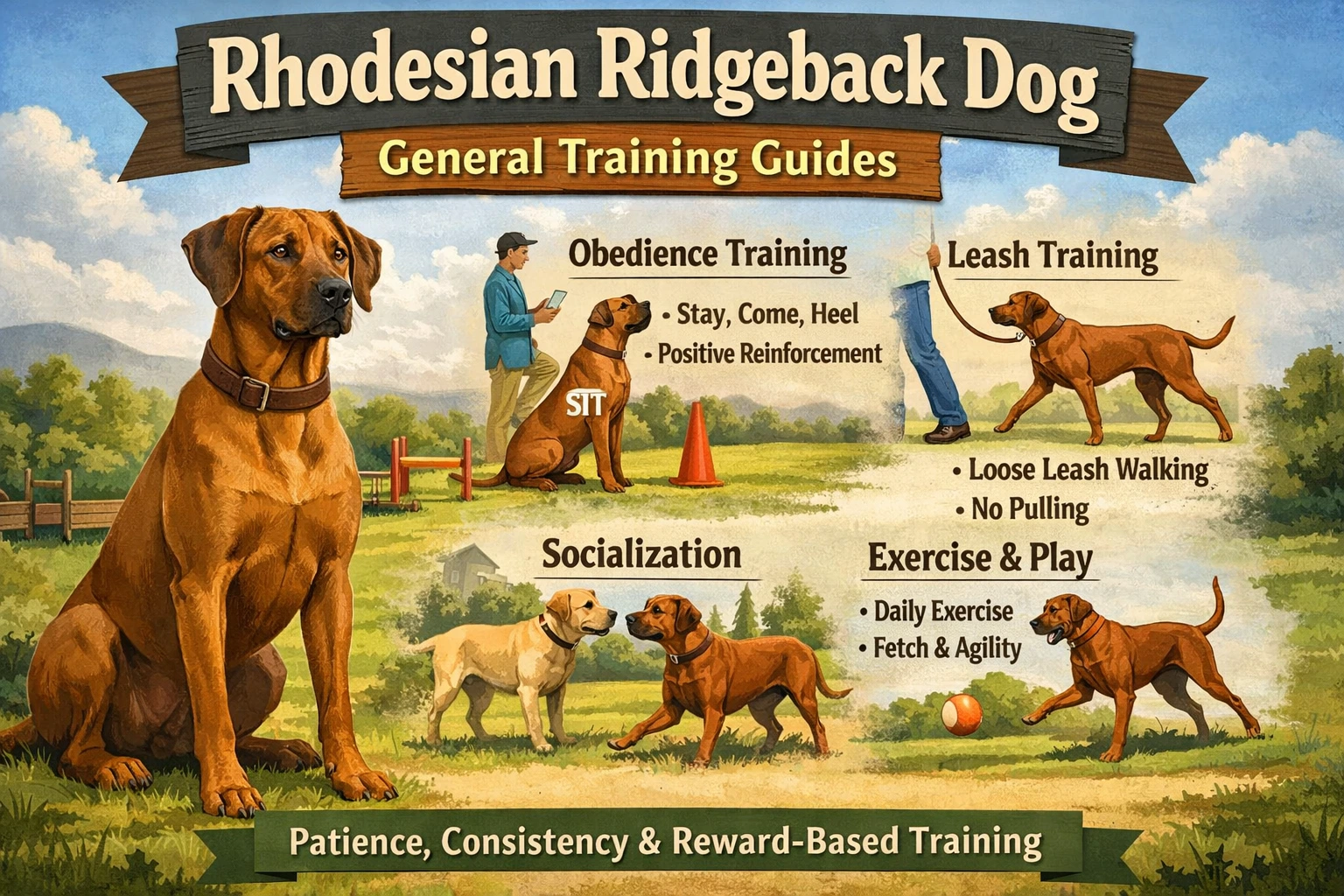
Rhodesian Ridgebacks are intelligent, strong-willed, and energetic dogs that require consistent, positive, and engaging training. Known for their distinctive ridge along the back and high prey drive, they are loyal companions but can be challenging if their mental and physical needs aren’t met. This guide is designed to help owners train their Ridgebacks effectively, whether you’re working with a playful puppy or a mature adult dog.
Successful Rhodesian Ridgeback training focuses on three key principles: consistency, patience, and positive reinforcement. Ridgebacks respond best to clear, short commands paired with immediate rewards, such as treats, praise, or play. Unlike some breeds that naturally seek guidance, Ridgebacks can be independent thinkers. Understanding this trait early will prevent frustration and make training more effective.
Before diving into commands and exercises, it’s important to understand the breed’s energy levels and instincts. Ridgebacks are highly active and need daily physical exercise and mental stimulation to prevent boredom-related behaviors, such as digging, chewing, or excessive barking. Training sessions should be short but frequent, especially for puppies, to maintain focus and motivation.
Quick Breed Traits Snapshot
| Trait | Description | Training Tip |
|---|---|---|
| Intelligence | Highly intelligent and observant | Use varied, stimulating exercises to challenge the mind |
| Independence | Strong-willed and sometimes stubborn | Be patient, consistent, and reward obedience immediately |
| Energy | High endurance and activity needs | Include daily walks, runs, or play sessions |
| Prey Drive | High hunting instincts | Focus on controlled recall and leash training |
By starting with a clear understanding of your Ridgeback’s traits and needs, you set the stage for training that is not only effective but also strengthens the bond between you and your dog. Consistent early training ensures your Ridgeback grows into a confident, well-behaved companion, capable of thriving in both busy households and calm environments.
Why Training Matters for Rhodesian Ridgebacks
Training a Rhodesian Ridgeback is more than teaching commands—it helps your dog stay safe, happy, and well-behaved. These dogs are strong and active, and without training, they may develop habits like pulling on the leash, jumping on people, or chasing small animals. Good training makes life easier for both you and your dog.
Training also helps your Ridgeback learn how to behave around family members, visitors, and other pets. It teaches them rules and builds a strong bond between you. When training is consistent and positive, your dog becomes confident, obedient, and less anxious.
Using simple science, training works best when good behavior is rewarded right away. This is called positive reinforcement. It means your dog learns to repeat the actions that get treats, praise, or playtime. Over time, this shapes their behavior in a safe and gentle way.
Benefits of Training
| Benefit | Explanation |
|---|---|
| Obedience | Your dog listens to commands like sit, stay, and come |
| Safety | Prevents accidents like running into streets or chasing other animals |
| Mental stimulation | Keeps the dog’s mind active, preventing boredom and bad habits |
| Socialization | Helps your dog behave calmly around people, dogs, and new places |
Training matters because it creates a happier dog and a more peaceful home. Ridgebacks are smart and strong, but with patience and the right methods, they can be excellent companions who follow rules, listen well, and enjoy learning new skills.
Understanding Ridgeback Behavior
Rhodesian Ridgebacks are smart, independent, and full of energy. They think for themselves, so sometimes they may ignore commands if they are distracted or not motivated. Knowing why they behave a certain way helps you train them better and avoid frustration.
These dogs have a high prey drive, which means they like to chase small animals. They are also very active and need both exercise and mental challenges every day. Ridgebacks can be stubborn, but with patience and consistent training, they learn well.
Understanding your Ridgeback’s personality can help you:
- Choose the right rewards
- Set training sessions at the best times
- Avoid situations that might cause fear or frustration
Behavior Insights for Training
| Behavior Trait | Likely Challenge | Training Strategy |
|---|---|---|
| Stubbornness | Ignoring commands | Short, frequent sessions with tasty rewards |
| High prey drive | Chasing small animals | Use long-line recall and controlled exposure |
| Sensitivity | Fear of strangers or loud noises | Desensitize slowly, reward calm behavior |
| Energetic | Restlessness at home | Daily walks, runs, and mental games |
By understanding your dog’s behavior, you can make training easier, safer, and more enjoyable. It also helps prevent bad habits from forming, like jumping, digging, or refusing to come when called.
p-by-Step Training Methods
Training your Rhodesian Ridgeback can be simple if you follow short, consistent sessions and use rewards. Start with basic commands and build up to more advanced skills. Puppies and adult dogs may learn at different speeds, so adjust your expectations accordingly.
Training sessions should be 5–15 minutes for puppies and 15–25 minutes for adults, repeated 1–3 times a day. Always reward good behavior immediately with treats, praise, or play.
Command Training Table
| Command | How to Teach | Reward Strategy | Expected Timeline |
|---|---|---|---|
| Sit | Hold treat above nose, cue “Sit”, reward when seated | Treat or praise | 1–2 weeks |
| Stay | Cue “Stay”, step back gradually, reward calm behavior | Treat or praise | 2–3 weeks |
| Come | Call in low-distraction area, reward immediately | High-value treat or toy | 3–6 weeks |
| Leash Walk | Stop if pulling, change direction, reward calm walking | Treat or praise | 2–4 weeks |
| Crate Training | Gradually increase crate time, reward calm behavior | Treat or praise | 1–2 weeks |
| Housebreaking | Frequent potty breaks, reward immediately after success | Treat or praise | 3–6 weeks |
Do / Don’t Tips for Training
| Do | Don’t |
|---|---|
| Use short, frequent sessions | Overwhelm your dog with long sessions |
| Reward immediately after correct behavior | Yell, punish, or scare your dog |
| Be consistent with cues and commands | Change commands or rules often |
| Adjust exercises for energy and age | Ignore safety around prey-driven distractions |
Following these steps helps your Ridgeback learn faster and enjoy training. Consistency, patience, and clear rewards are key to turning commands into lasting habits.
Common Problems, Fixes, and When to Seek Professional Help
Even with the best training, Rhodesian Ridgebacks can show challenges. Knowing common problems and how to fix them helps you stay calm and effective. Some issues can be managed at home, while others may need a professional trainer or behaviorist.
Common Problem Behaviors
| Problem | Possible Cause | Fix / Strategy | When to Seek Help |
|---|---|---|---|
| Ignoring recall | High prey drive, distraction | Practice long-line recall, reward immediately | If dog repeatedly runs into unsafe areas |
| Jumping on people | Excitement or seeking attention | Ignore until calm, reward calm behavior | If jumping becomes aggressive |
| Digging | Boredom or high energy | Increase exercise, provide mental games, designated digging area | If destructive or persistent |
| Barking excessively | Anxiety or boredom | Identify triggers, reward quiet behavior, redirect attention | If barking causes harm or stress |
| Separation anxiety | Fear of being alone | Gradual crate training, desensitization, positive reinforcement | If destructive or self-harm occurs |
Red flags that indicate professional help may be needed include persistent aggression, extreme fear, or unsafe behaviors that you cannot manage alone. Early intervention helps prevent problems from becoming serious and ensures your Ridgeback remains happy and safe.
By addressing problems quickly and consistently, your Rhodesian Ridgeback can become a well-behaved, confident, and reliable companion. Proper guidance ensures training is effective and enjoyable for both you and your dog.
For more detailed information about Rhodesian Ridgeback breed standards and care, visit the American Kennel Club page: Rhodesian Ridgeback Breed Information.

Ata Ur Rehman is the founder of Pet Age in Human Years Calculator, an educational platform that provides age conversion charts and lifespan guides for dogs, cats, birds, and other companion animals. His work focuses on helping pet owners understand how animal ages translate into human years using commonly accepted age conversion formulas and published lifespan averages.
The website compiles breed and species lifespan data from kennel clubs, breed organizations, and general animal lifespan studies to present simple and easy-to-understand guides for pet owners worldwide.
This website was created to centralize animal age conversion charts into one easy reference platform for pet owners.