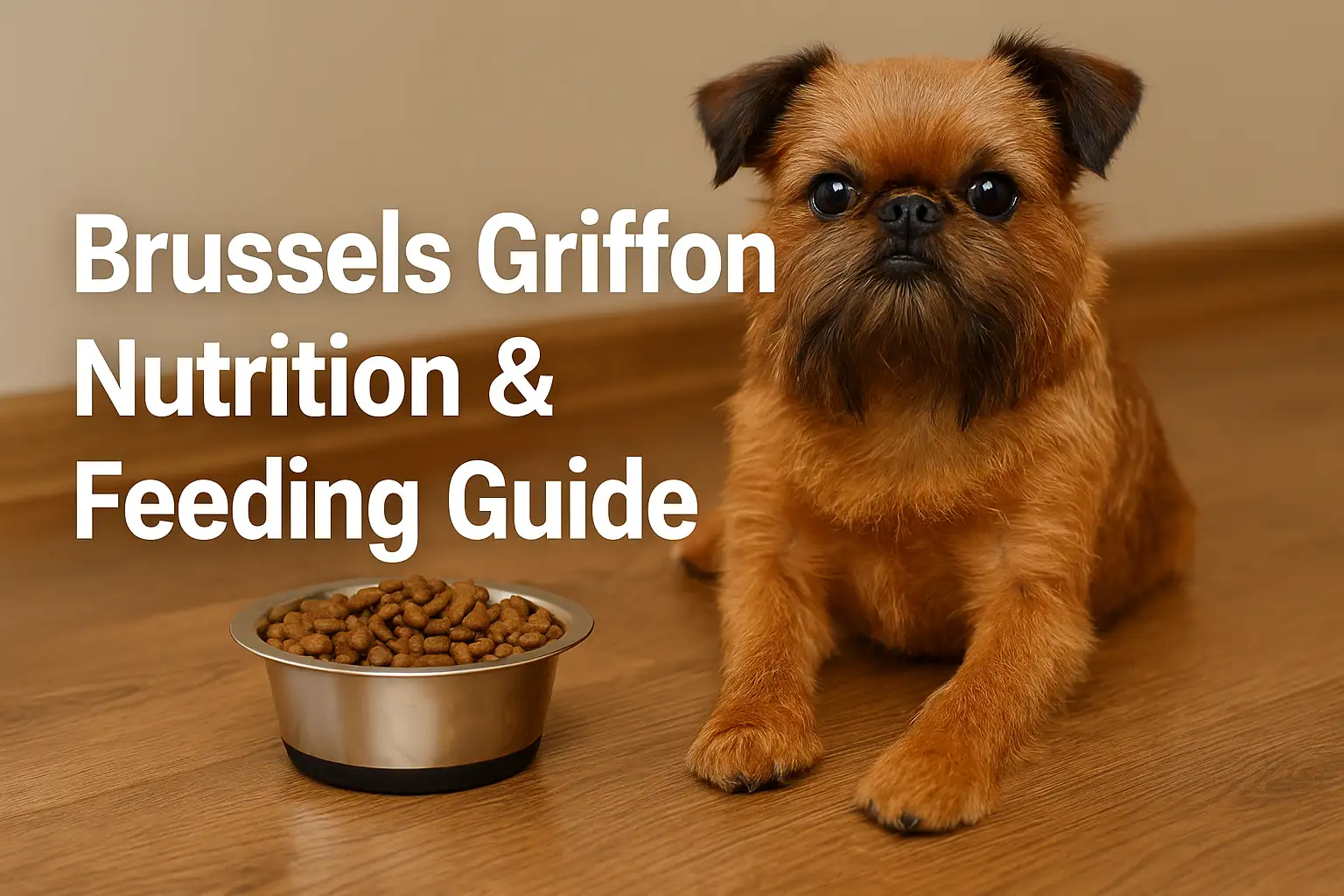
Brussels Griffons may be small in size, but their nutritional needs are anything but simple. This is a toy breed with a fast metabolism, a compact body, and a personality that often convinces owners to overindulge them. Because of their small frame, even minor feeding mistakes can quickly lead to weight gain, digestive upset, or long-term health issues. What looks like “just a little extra food” can make a big difference for a dog that weighs only a few kilograms.
Proper nutrition plays a direct role in how healthy, energetic, and comfortable a Brussels Griffon feels on a daily basis. A well-fed Brussels Griffon is more likely to maintain a healthy weight, have stable energy levels, and avoid common problems such as obesity, dental disease, and sensitive digestion. On the other hand, an unbalanced diet or constant overfeeding can shorten lifespan and increase the risk of joint strain, breathing discomfort, and metabolic stress as the dog ages.
This breed is also known for being emotionally expressive and closely bonded to its owner, which often leads to frequent treats, table scraps, or inconsistent feeding routines. While these habits are usually well-intentioned, they are one of the main reasons Brussels Griffons struggle with weight management. Nutrition is not just about what goes into the bowl, but how often, how much, and why the dog is being fed.
Another reason nutrition matters so much for Brussels Griffons is longevity. Small breeds tend to live longer than large dogs, but only when their diet supports lean muscle mass, healthy digestion, and controlled calorie intake over many years. Feeding choices made during puppyhood and early adulthood strongly influence how well a Brussels Griffon ages later in life.
In short, good nutrition is not an optional upgrade for this breed—it is the foundation of long-term health. Understanding how to feed a Brussels Griffon correctly helps prevent avoidable health problems, reduces unnecessary vet visits, and supports a longer, more comfortable life.
If you’re planning long-term care, this Brussels Griffon cost of ownership guide breaks down common expenses like food, grooming, and vet care over time.
Best Food for Brussels Griffon Dogs (Quick Choice Guide)
The best food for Brussels Griffon dogs is a complete and balanced small-breed diet with high-quality animal protein, moderate fat, and easy-to-digest carbohydrates. Because this breed is small and gains weight easily, the best food is nutrient-dense, portion-controlled, and made for toy or small dogs rather than large breeds.
How to Choose the Best Food for a Brussels Griffon
When choosing the best food for a Brussels Griffon, focus on these key points:
- Made for small or toy breeds with small kibble size
- High-quality animal protein as a main ingredient
- Moderate fat levels to prevent weight gain
- Easily digestible carbs like rice, oats, or sweet potatoes
- Labeled “complete and balanced” for daily feeding
- No excessive fillers, sugar, or artificial flavoring
The “best” food is not the same for every Brussels Griffon. Puppies need higher calories for growth, adults need steady energy without excess fat, and seniors usually need fewer calories and easier digestion. The best food is the one that matches your dog’s age, activity level, and health needs.
Understanding the Nutritional Needs of Brussels Griffons
Brussels Griffons need a balanced diet that supports their small size, fast metabolism, and active personality. Even though they are a toy breed, they still need the right mix of nutrients every day to stay healthy. Feeding too little or too much of the wrong food can quickly lead to problems because their bodies are small and sensitive.
Protein is one of the most important nutrients for Brussels Griffons. It helps build and keep strong muscles, supports the immune system, and gives energy for daily activity. A good-quality animal protein, such as chicken, turkey, fish, or lamb, should be one of the main ingredients in their food. Low protein diets can make a Brussels Griffon feel weak or tired over time.
Fats are also important, but they must be controlled. Healthy fats give energy, help the body absorb vitamins, and keep the skin and coat healthy. Because Brussels Griffons gain weight easily, they should not eat food that is too high in fat. Small amounts of healthy fats are helpful, but too much can quickly lead to obesity.
For coat care beyond nutrition, this Brussels Griffon grooming basics guide explains brushing, facial care, and routines that help keep their coat comfortable and clean.
Carbohydrates provide energy and help with digestion. Ingredients like rice, oats, and sweet potatoes are easier for most Brussels Griffons to digest. Fiber, which comes from vegetables and grains, helps keep stools firm and supports gut health. Too little fiber can cause loose stools, while too much can upset the stomach.
Vitamins and minerals are needed in small amounts, but they are still very important. They support bone strength, eye health, and the immune system. Most complete dog foods already contain the right balance of these nutrients, so extra supplements are usually not needed unless a veterinarian recommends them.
Because Brussels Griffons are small dogs, they need food that is made for small breeds or carefully portioned. Their stomachs are small, but their energy needs are high. This means they do better with nutrient-rich food rather than large amounts of low-quality food. Choosing the right food and feeding the right amount helps keep them healthy, active, and comfortable every day.
How Much to Feed a Brussels Griffon (Puppies, Adults, and Seniors)
How much you feed a Brussels Griffon is very important. This breed is small, so even a little extra food each day can slowly cause weight gain. The right amount of food gives energy and keeps the dog healthy without adding extra fat.
The amount of food depends on three main things: body weight, age, and activity level. Puppies need more calories because they are growing. Adult dogs need steady calories to maintain weight. Senior dogs usually need fewer calories because they move less and their metabolism slows down.
Below is a simple table to help you understand daily calorie needs based on your Brussels Griffon’s weight and age.
Daily Calorie Needs for Brussels Griffons
| Dog Weight | Puppies (Daily Calories) | Adults (Daily Calories) | Seniors (Daily Calories) |
|---|---|---|---|
| 5 lbs (2.3 kg) | 220–260 kcal | 180–220 kcal | 150–180 kcal |
| 7 lbs (3.2 kg) | 260–300 kcal | 220–260 kcal | 180–210 kcal |
| 9 lbs (4 kg) | 300–340 kcal | 260–300 kcal | 210–240 kcal |
| 11 lbs (5 kg) | 340–380 kcal | 300–340 kcal | 240–270 kcal |
These numbers are general guides. Very active dogs may need a little more food, while less active dogs may need less. Always adjust slowly and watch your dog’s body shape.
Brussels Griffon puppies should eat small meals more often. Their bodies grow fast, and their blood sugar can drop if they skip meals. Feeding them several times a day helps keep their energy steady and supports healthy growth.
Adult Brussels Griffons usually do best with two meals a day. This helps control hunger and prevents overeating. Leaving food out all day often causes weight gain in this breed and should be avoided.
Senior Brussels Griffons may still eat twice a day, but with smaller portions. Older dogs burn fewer calories, so feeding the same amount as a young adult can lead to weight gain and joint stress.
If you want a quick reference for life stages, use this Brussels Griffon age chart in human years to understand why calorie needs change as your dog gets older.
The table below shows how often you should feed your Brussels Griffon at different life stages.
Feeding Frequency by Life Stage
| Life Stage | Meals Per Day | Why This Helps |
|---|---|---|
| Puppy (up to 12 months) | 3–4 meals | Supports growth and prevents low blood sugar |
| Adult (1–7 years) | 2 meals | Helps manage hunger and weight |
| Senior (7+ years) | 2 smaller meals | Easier digestion and better calorie control |
A simple way to check if you are feeding the right amount is to look at your dog’s body. You should be able to feel the ribs easily without pressing hard, and the waist should be visible when looking from above. If the ribs are hard to feel or the body looks round, your dog may be eating too much.
Always measure food instead of guessing. Small changes, even a few grams, can make a big difference for a Brussels Griffon.
Best Food Choices and Safe vs Unsafe Foods for Brussels Griffons
Choosing the right food for a Brussels Griffon can feel confusing because there are many options. The best food is one that is safe, easy to digest, and made for small dogs. Because Brussels Griffons have small mouths and stomachs, food quality matters more than food quantity.
Most Brussels Griffons do well on high-quality kibble made for small breeds. These foods have smaller pieces that are easier to chew and digest. Fresh cooked food, canned food, and freeze-dried food can also work well if they are balanced and fed in the right amount. Raw and homemade diets need extra care and should only be used with guidance from a vet or pet nutrition expert.
The table below compares common dog food types and helps you see which option may fit your Brussels Griffon best.
Dog Food Types for Brussels Griffons
| Food Type | Pros | Cons | Best For |
|---|---|---|---|
| Kibble | Easy to store, affordable, helps clean teeth | Quality varies by brand | Most Brussels Griffons |
| Fresh Cooked | Tasty, easy to digest | More expensive, short shelf life | Picky eaters |
| Canned Food | Soft and easy to chew | High moisture, can cause weight gain | Older dogs |
| Freeze-Dried | Nutrient dense, easy to serve | Costly | Small portions, travel |
| Raw | Natural ingredients | Safety risks, hard to balance | Only with expert guidance |
| Homemade | Full ingredient control | Risk of missing nutrients | Only with vet guidance |
No matter which food type you choose, always check that it says “complete and balanced” on the label. This means the food has all the nutrients your Brussels Griffon needs.
Treats and human foods should be given very carefully. Because Brussels Griffons are small, too many treats can quickly lead to weight gain. Treats should make up only a small part of daily calories.
Some human foods are safe in small amounts, while others are dangerous and should never be given. The table below makes this easy to understand.
Safe and Unsafe Foods for Brussels Griffon Dogs
| Safe Foods (Small Amounts) | Unsafe Foods (Never Give) |
|---|---|
| Cooked chicken (no bones) | Chocolate |
| Plain rice or oats | Grapes and raisins |
| Carrots | Onions and garlic |
| Apples (no seeds) | Xylitol (sugar substitute) |
| Plain pumpkin | Alcohol |
| Peanut butter (xylitol-free) | Cooked bones |
Even safe foods should be given in small pieces and small amounts. Unsafe foods can cause serious illness, even in tiny bites, because Brussels Griffons are so small.
Always introduce new foods slowly and watch for signs like vomiting, loose stool, or itching. When in doubt, stick to dog food made for small breeds and use treats only when needed.
Common Feeding Problems, Special Diets, FAQs, and When to See a Vet
Many Brussels Griffon owners face feeding problems at some point. These issues are common and often easy to fix once you understand the cause. Because this breed is small and sensitive, even small feeding mistakes can show up quickly.
One common problem is picky eating. Some Brussels Griffons refuse food or only eat certain flavors. This often happens when dogs are given too many treats or table scraps. Sticking to regular meal times and limiting treats usually helps. Changing foods too often can also make picky eating worse. This is especially common in Brussels Griffons that are over-treated or frequently switched between foods.
Another common issue is constant hunger. Many Brussels Griffons act hungry even when they are eating enough. This does not always mean they need more food. In many cases, it is a habit or a learned behavior. Feeding measured meals and avoiding extra snacks between meals helps control this problem.
Weight gain is also very common in Brussels Griffons. Because they are small, weight gain can happen slowly and be hard to notice. If your dog is gaining weight even though you are feeding “normal” amounts, the portions may still be too large. Reducing food slightly and increasing gentle activity can help.
If Your Brussels Griffon Is Overweight or Gaining Too Much Weight
Brussels Griffons gain weight easily, and even small increases can affect their comfort and health. A Brussels Griffon may be overweight if the ribs are hard to feel, the waist is not visible from above, or the body looks round instead of slightly tucked.
If your Brussels Griffon is gaining weight, these steps usually help:
- Measure every meal instead of guessing
- Reduce daily food slightly rather than skipping meals
- Limit treats and stop table scraps
- Choose lower-calorie food made for small breeds
- Add gentle daily activity such as short walks or play
Never reduce food suddenly or make drastic diet changes without guidance. If weight gain continues, your Brussels Griffon seems tired, or breathing becomes difficult, a veterinarian should check for underlying health problems and recommend a safe feeding plan.
Some Brussels Griffons have sensitive stomachs. Signs include loose stool, gas, or vomiting. These dogs often do better on simple diets with fewer ingredients. Feeding the same food consistently and avoiding sudden changes is important.
Special diets may be needed in some cases. Dogs with food allergies may need limited-ingredient diets. Overweight dogs may need lower-calorie food. Senior Brussels Griffons may need food that is easier to digest and supports joint health. Brussels Griffon mixes should be fed based on their size and activity, not just the breed mix name.
Many owners have common questions. Grain-free food is not always better and is not needed unless advised by a vet. Brussels Griffons are not truly hypoallergenic, but good nutrition can help reduce skin and coat problems. Supplements are usually not needed if the dog eats a balanced diet, unless a vet recommends them.
You should contact a veterinarian if your Brussels Griffon refuses food for more than a day, loses weight without reason, has ongoing stomach problems, or shows signs of pain or low energy. A vet can help rule out health problems and guide proper feeding changes.
Frequently Asked Questions About Feeding Brussels Griffons
What is the best food for Brussels Griffon dogs?
The best food for Brussels Griffon dogs is a complete and balanced small-breed diet with high-quality animal protein, moderate fat, and controlled calories. Because this breed is small and gains weight easily, portion control and nutrient density matter more than large serving sizes.
How much should a Brussels Griffon eat per day?
Most Brussels Griffons need small, measured meals based on their weight, age, and activity level. Puppies usually need more frequent meals, adults do best with two meals per day, and seniors often need smaller portions to prevent weight gain.
Can Brussels Griffons eat human food?
Some human foods are safe for Brussels Griffons in small amounts, such as plain cooked chicken, rice, carrots, and pumpkin. Foods like chocolate, grapes, onions, garlic, xylitol, alcohol, and cooked bones should never be given.
Why is my Brussels Griffon always hungry?
Many Brussels Griffons act hungry even when they are eating enough. This is often learned behavior rather than true hunger. Feeding measured meals, limiting treats, and avoiding table scraps usually helps control this habit.
Is grain-free food better for Brussels Griffon dogs?
Grain-free food is not usually better for Brussels Griffons unless a veterinarian recommends it. Most dogs digest grains like rice or oats well, and grain-free diets are not necessary for healthy dogs without specific allergies.
Brussels Griffon Nutrition and Feeding Guide: How to Feed Your Brussels Griffon the Right Way
This guide is made to help you understand how to feed a Brussels Griffon in a simple and clear way. It is written for new owners, experienced owners, and anyone who wants their dog to live a healthy life. You do not need special knowledge to follow this guide. Everything is explained using easy words and real-life examples.
If you’re also working on behavior and routines, follow these Brussels Griffon training guides to build consistent meal timing, treat habits, and healthier feeding behavior.
Brussels Griffons are small dogs, but they have big personalities and special needs. Their small body means food affects them faster than larger dogs. Feeding the right food, in the right amount, helps them stay active, happy, and healthy for many years.
In this guide, you will learn what nutrients Brussels Griffons need, how much to feed at different ages, which foods are safe or unsafe, and how to fix common feeding problems. The goal is to help you make good feeding choices without stress or confusion.
If you are new to this breed and want to learn more about their personality, size, care needs, and history, you can also read the complete Brussels Griffon breed guide. It gives a complete picture of the breed and works well alongside this feeding guide.
This article focuses only on nutrition and feeding. It does not push one diet or brand. Instead, it helps you understand what matters most so you can choose what works best for your dog and your lifestyle.
Important note: This feeding guide is based on general breed characteristics and common nutrition practices for small dogs. Individual Brussels Griffons may have unique health needs. Always consult a veterinarian before making major changes to your dog’s diet, especially for puppies, seniors, or dogs with medical conditions.
For general, science-based guidance on dog nutrition that applies to all breeds, you can also read this trusted resource from the dog nutrition basics from the American Kennel Club.

Ata Ur Rehman is the founder of Pet Age in Human Years Calculator, an educational platform that provides age conversion charts and lifespan guides for dogs, cats, birds, and other companion animals. His work focuses on helping pet owners understand how animal ages translate into human years using commonly accepted age conversion formulas and published lifespan averages.
The website compiles breed and species lifespan data from kennel clubs, breed organizations, and general animal lifespan studies to present simple and easy-to-understand guides for pet owners worldwide.
This website was created to centralize animal age conversion charts into one easy reference platform for pet owners.