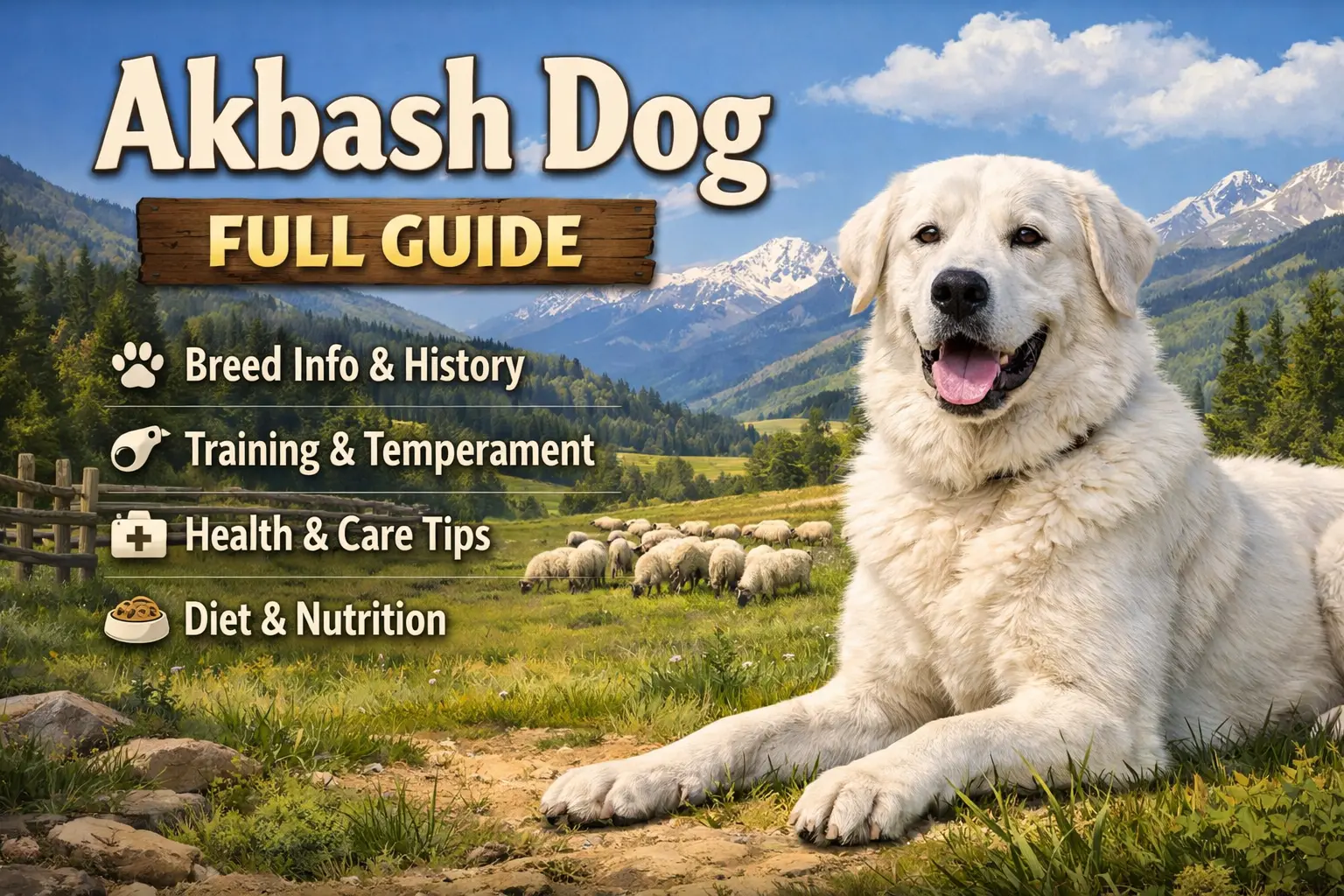
The Akbash Dog is a majestic and powerful livestock guardian breed, renowned for its loyalty, intelligence, and protective instincts. Originating from the rugged landscapes of Turkey, this large white dog has been bred for centuries to safeguard flocks of sheep from predators, demonstrating both independence and an innate sense of responsibility. Unlike typical domestic dogs, Akbash Dogs possess a unique combination of calm confidence around family members and alertness toward strangers, making them exceptional guardians for property and livestock alike.
This guide provides a comprehensive look at the Akbash Dog, covering everything from its history and physical traits to temperament, care, and health. Whether you are a first-time owner, a family seeking a protective companion, or an experienced dog handler looking for a reliable guardian, understanding the Akbash Dog’s nature and requirements is essential for a successful and rewarding ownership experience.
Quick Facts at a Glance
| Trait | Info |
|---|---|
| Breed Name | Akbash Dog |
| Origin | Turkey |
| Role | Livestock Guardian |
| Size | Large |
| Lifespan | 10–12 years |
| Temperament | Protective, Independent, Loyal |
| Exercise Needs | Moderate to High |
| Grooming | Moderate, seasonal shedding |
The Akbash Dog thrives in environments where it can exercise both its body and mind, whether patrolling a farm, exploring large open spaces, or engaging in structured activities with its human family. Its calm, observant nature allows it to bond deeply with owners, yet its independence and strong guarding instincts require early socialization and consistent guidance.
History, Appearance & Physical Traits
The Akbash Dog comes from Turkey, where it has been protecting sheep and other livestock for hundreds of years. This breed was bred to be smart, strong, and independent, able to make decisions on its own while guarding flocks from wolves, bears, and other predators. Over time, it became known for its calm nature with family and its watchful, protective instincts around strangers. The Akbash Dog is recognized by major dog organizations, including the United Kennel Club (UKC), for its unique role as a livestock guardian.
Akbash Dogs are large, powerful dogs with a striking white coat. Their build is strong and athletic, designed to move easily across rough terrain. They have a long body, deep chest, and strong legs, giving them excellent stamina for patrolling large areas. Their head is well-proportioned with a long muzzle, alert eyes, and ears that hang down naturally. Their tail is usually thick and carried low or curled slightly when relaxed.
The Akbash coat is double-layered, with a dense undercoat for insulation and a longer outer coat that protects against harsh weather. Their fur sheds seasonally, especially in spring and fall, so regular brushing is important to keep the coat clean and healthy.
Size & Weight Ranges
| Gender | Height (in) | Weight (lbs) |
|---|---|---|
| Male | 28–34 | 90–120 |
| Female | 27–32 | 70–100 |
Akbash Dogs are not just big; they are built for work. Their strong muscles, alert posture, and natural guarding instincts make them excellent for farms or homes with large yards. While their white coat is beautiful, it also helps them blend in with sheep, making them less noticeable to predators.
The breed’s appearance reflects its history: a dog that is calm with its family, strong and alert when guarding, and able to live and work independently in rural or farm environments.
Temperament, Behavior & Training
The Akbash Dog is calm, loyal, and very protective of its family. It is smart and can make decisions on its own, which is why it was trusted to guard sheep without constant supervision. This independence means the Akbash can sometimes be stubborn, so training needs patience and consistency.
With family, Akbash Dogs are gentle and loving. They enjoy spending time with children but should always be supervised around small kids because of their large size. Around strangers, they are cautious and may bark or act protective. Early socialization helps them remain calm and friendly while still being alert.
Akbash Dogs can get along with other pets if they are introduced early, but they have a strong guarding instinct, so they may try to protect their space. They enjoy tasks that challenge their mind, like following commands, learning routines, or patrolling a yard. Daily walks and mental stimulation keep them happy and prevent boredom.
Training works best with positive reinforcement. Use treats, praise, and consistent commands. Harsh punishments do not work with this breed because Akbash Dogs respond better to encouragement and clear guidance.
Temperament Snapshot
| Trait | Description |
|---|---|
| Loyalty | Forms a strong bond with family |
| Independence | Can think and act on its own; may ignore commands sometimes |
| Protective | Natural guardian instincts |
| With Children | Gentle but supervision needed |
| With Strangers | Cautious, may bark or guard |
| With Other Pets | Can coexist if socialized early |
| Trainability | Smart but may be stubborn; responds to positive reinforcement |
Akbash Dogs thrive when they have a clear role and purpose. They enjoy working, guarding, or learning tasks that keep them engaged. Owners who understand their independent nature and provide consistent training will find them to be loyal and devoted companions.
Care, Health & Exercise
Akbash Dogs need both physical activity and mental stimulation every day. They enjoy walking, running, or patrolling large yards. About 1–2 hours of exercise per day helps them stay healthy and happy. Mental activities, like learning new commands or following routines, keep their minds sharp and prevent boredom.
Grooming is moderate. Their double coat protects them from heat and cold, but they shed more in spring and fall. Brushing 2–3 times a week helps remove loose fur and keeps their coat healthy. Baths are only needed occasionally, and regular care for nails, ears, and teeth is important to avoid health problems.
Akbash Dogs are generally healthy but can have some common issues. Hip dysplasia, bloat, and eye conditions can occur, so it is important to schedule regular vet visits. Early testing, proper diet, and exercise can help prevent or manage these issues.
Health & Exercise Overview
| Category | Details |
|---|---|
| Exercise | 1–2 hours daily; walks, yard patrols, active play |
| Grooming | Brush 2–3 times per week; bath as needed |
| Shedding | Moderate, heavier in spring/fall |
| Health Issues | Hip dysplasia, bloat, eye conditions |
| Lifespan | 10–12 years |
| Preventive Care | Vet checkups, OFA testing, eye exams, vaccinations |
Providing regular exercise, mental stimulation, and preventive care keeps the Akbash Dog strong, healthy, and balanced. Owners should understand that this breed is active and needs space to move freely. A busy household or small apartment may not meet their activity needs.
Pros, Cons & Similar Breeds
The Akbash Dog is a loyal and protective breed, perfect for families with space and owners who understand large, independent dogs. They are calm with their family but alert and watchful with strangers. Their guarding instincts make them excellent for farms or homes with yards, and their moderate grooming needs make care manageable.
At the same time, Akbash Dogs are not ideal for everyone. They can be stubborn and independent, requiring patient training. They are large dogs, so apartments or small homes may not be suitable. Early socialization is important to help them get along with children, other pets, and strangers.
Pros & Cons
| Pros | Cons |
|---|---|
| Loyal and protective | Independent and stubborn at times |
| Excellent guardian instincts | Not ideal for apartment living |
| Calm with family | Requires early socialization |
| Moderate grooming | Large size needs space |
| Long lifespan | Can be wary of strangers |
Akbash Dogs are often compared to other large livestock guardian breeds. Here are some similar breeds and how they compare:
Similar Breeds Comparison
| Breed | Size | Temperament | Exercise | Best For |
|---|---|---|---|---|
| Akbash | Large | Protective, Independent | Moderate-High | Farms, large yards, experienced owners |
| Great Pyrenees | Large | Calm, Gentle | Moderate | Families with children, quieter environments |
| Kuvasz | Large | Loyal, Alert | High | Experienced owners, active households |
| Anatolian Shepherd | Large | Protective, Dominant | High | Livestock guardians, experienced owners |
Akbash Dogs are ideal for owners who have the space, time, and experience to care for a large, independent dog. They excel in homes where they can patrol or have a role in guarding property or livestock. Owners seeking a calm, obedient indoor dog may find this breed challenging, but for those prepared for their independent nature, Akbash Dogs are deeply loyal and rewarding companions.
For more detailed information about the Akbash Dog’s history, care, and breed standards, you can visit the AKC’s profile here: Akbash Dog Breed Information

Ata Ur Rehman is the founder of Pet Age in Human Years Calculator, an educational platform that provides age conversion charts and lifespan guides for dogs, cats, birds, and other companion animals. His work focuses on helping pet owners understand how animal ages translate into human years using commonly accepted age conversion formulas and published lifespan averages.
The website compiles breed and species lifespan data from kennel clubs, breed organizations, and general animal lifespan studies to present simple and easy-to-understand guides for pet owners worldwide.
This website was created to centralize animal age conversion charts into one easy reference platform for pet owners.