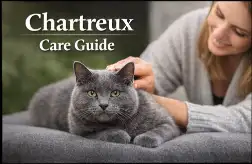
Chartreux Cat Care Guide for Daily Needs and Healthy Living
The Chartreux is often described as an “easy” cat, but that description can be misleading. While they are calm, quiet, and gentle, they still have specific care needs that owners should understand from the start. This guide is for people who already have a Chartreux or are planning to adopt one and want clear, practical care advice.
Recommended Dog Care Products
Based on your dog’s age, these products may help with comfort, health, grooming, and daily care.

Purina Pro Plan Veterinary Supplements
Daily probiotics for dogs to support digestive and gut health.
View on Amazon ↗
Earth Rated Poop Bags for Dogs
Leak-proof, extra thick waste bag refill rolls with lavender scent.
View on Amazon ↗
Greenies Pill Pockets for Dogs
Large dog treats for capsule medication, peanut butter flavor.
View on Amazon ↗
HONEY CARE All-Absorb Dog Wrap
Small male dog wraps, 50 count, useful for daily care support.
View on Amazon ↗
Seresto Flea & Tick Collar
Flea and tick treatment and prevention for dogs over 18 lbs.
View on Amazon ↗
Milk-Bone MaroSnacks
Small dog treats with real bone marrow in a 40 oz canister.
View on Amazon ↗
Vital Essentials Dog Treats
Freeze dried beef liver dog treats, grain free and single ingredient.
View on Amazon ↗
Stain & Odor Eliminator
Enzyme cleaner for pet stains, carpet messes, and strong odors.
View on Amazon ↗
Pur Luv Chicken Jerky Treats
Dog treats made with real chicken breast, high protein and chew-friendly.
View on Amazon ↗
Milk-Bone Flavor Snacks
Mini crunchy dog biscuits in a 36 oz canister for small rewards.
View on Amazon ↗As an Amazon Associate, we may earn from qualifying purchases.
Chartreux cats are known for their strong bond with people. They usually follow their owner from room to room and enjoy being close, even if they are not overly demanding. Because they are not very vocal, many owners assume everything is fine, even when the cat is stressed or unwell. Learning how this breed shows comfort and discomfort is an important part of care.
Physically, Chartreux cats are muscular and solid, with a dense double coat. They mature slowly, which means kittens may act calm early on, but their bodies and muscles continue developing for several years. This affects feeding, play, and weight control throughout their life.
Many first-time owners think Chartreux cats need very little effort. In reality, they need steady routines, gentle interaction, and regular health checks. They do best in homes where owners notice small changes in behavior and body condition early.
Chartreux Care Overview
| Care Aspect | What to Expect |
|---|---|
| Temperament | Calm, loyal, people-focused |
| Activity level | Moderate, playful in short bursts |
| Coat type | Dense double coat |
| Maintenance level | Moderate, not hands-off |
| Vocalization | Very quiet |
Daily and Weekly Chartreux Care Routine
Daily care for a Chartreux cat is simple but must be consistent. Feeding should happen at regular times each day. Because this breed gains weight easily, portion control is important. Free-feeding is usually not a good idea, especially for indoor-only cats.
Daily play is often overlooked with Chartreux cats. They may not demand attention, but they still need short play sessions to keep their muscles strong and their mind active. Interactive toys, wand toys, or short games a few times a day work well.
Litter box care is another daily task. Chartreux cats are clean and may avoid a dirty box. Scooping once or twice a day helps prevent stress-related litter problems and keeps the cat comfortable.
Weekly care includes checking the body, paws, and mouth. Because Chartreux cats hide pain well, quick weekly checks help owners notice weight gain, sore spots, or dental issues early.
Daily vs Weekly Chartreux Care Checklist
Recommended Dog Care Products
Based on your dog’s age, these products may help with comfort, health, grooming, and daily care.
Purina Pro Plan Veterinary Supplements
Daily probiotics for dogs to support digestive and gut health.
View on Amazon ↗
Earth Rated Poop Bags for Dogs
Leak-proof, extra thick waste bag refill rolls with lavender scent.
View on Amazon ↗
Greenies Pill Pockets for Dogs
Large dog treats for capsule medication, peanut butter flavor.
View on Amazon ↗
HONEY CARE All-Absorb Dog Wrap
Small male dog wraps, 50 count, useful for daily care support.
View on Amazon ↗
Seresto Flea & Tick Collar
Flea and tick treatment and prevention for dogs over 18 lbs.
View on Amazon ↗
Milk-Bone MaroSnacks
Small dog treats with real bone marrow in a 40 oz canister.
View on Amazon ↗
Vital Essentials Dog Treats
Freeze dried beef liver dog treats, grain free and single ingredient.
View on Amazon ↗
Stain & Odor Eliminator
Enzyme cleaner for pet stains, carpet messes, and strong odors.
View on Amazon ↗
Pur Luv Chicken Jerky Treats
Dog treats made with real chicken breast, high protein and chew-friendly.
View on Amazon ↗
Milk-Bone Flavor Snacks
Mini crunchy dog biscuits in a 36 oz canister for small rewards.
View on Amazon ↗As an Amazon Associate, we may earn from qualifying purchases.
| Task | Daily | Weekly |
|---|---|---|
| Feeding & water | ✔ | — |
| Play & interaction | ✔ | — |
| Litter box cleaning | ✔ | — |
| Body and weight check | — | ✔ |
| Nail and paw check | — | ✔ |
Time and Effort Expectations
| Care Area | Time Needed |
|---|---|
| Feeding | 5–10 minutes |
| Play | 15–30 minutes |
| Grooming | 10 minutes |
| Health checks | 5 minutes |
Grooming and Coat Care for Chartreux Cats
The Chartreux coat looks simple, but it is very thick and wool-like. This double coat traps loose hair easily, which means brushing is helpful but should not be overdone. Brushing once or twice a week is usually enough for most of the year.
During shedding seasons, usually spring and fall, brushing may be needed more often. However, brushing too much can damage the coat and remove natural oils. Gentle brushing is better than long grooming sessions.
Bathing is rarely needed for Chartreux cats. Their coat naturally repels dirt. Baths should only be done if the cat gets into something dirty or sticky that cannot be brushed out.
Basic grooming also includes nail trimming, ear checks, and dental care. Short nail trims every few weeks prevent scratching accidents and discomfort.
Chartreux Grooming Frequency Guide
| Grooming Task | Frequency |
|---|---|
| Brushing | 1–2 times per week |
| Nail trimming | Every 2–3 weeks |
| Ear check | Weekly |
| Dental care | Several times per week |
| Bathing | Rarely, only if needed |
Grooming Tools to Use and Avoid
| Use | Avoid |
|---|---|
| Soft slicker brush | Harsh de-shedding blades |
| Rubber grooming mitt | Frequent bathing |
| Cat nail clippers | Human nail clipper |
Health, Behavior, and Common Chartreux Care Mistakes
Chartreux cats are generally healthy, but they are prone to weight gain. Because they are calm and muscular, extra weight can go unnoticed. Regular weight checks help prevent joint and mobility problems later in life.
Behaviorally, Chartreux cats are quiet observers. A cat that suddenly hides more, plays less, or avoids interaction may be experiencing stress or discomfort. These signs are easy to miss if owners expect loud or dramatic behavior changes.
Boredom is another hidden issue. Even calm cats need mental stimulation. Without play and enrichment, Chartreux cats may sleep too much or become withdrawn.
Recommended Dog Care Products
Based on your dog’s age, these products may help with comfort, health, grooming, and daily care.
Purina Pro Plan Veterinary Supplements
Daily probiotics for dogs to support digestive and gut health.
View on Amazon ↗
Earth Rated Poop Bags for Dogs
Leak-proof, extra thick waste bag refill rolls with lavender scent.
View on Amazon ↗
Greenies Pill Pockets for Dogs
Large dog treats for capsule medication, peanut butter flavor.
View on Amazon ↗
HONEY CARE All-Absorb Dog Wrap
Small male dog wraps, 50 count, useful for daily care support.
View on Amazon ↗
Seresto Flea & Tick Collar
Flea and tick treatment and prevention for dogs over 18 lbs.
View on Amazon ↗
Milk-Bone MaroSnacks
Small dog treats with real bone marrow in a 40 oz canister.
View on Amazon ↗
Vital Essentials Dog Treats
Freeze dried beef liver dog treats, grain free and single ingredient.
View on Amazon ↗
Stain & Odor Eliminator
Enzyme cleaner for pet stains, carpet messes, and strong odors.
View on Amazon ↗
Pur Luv Chicken Jerky Treats
Dog treats made with real chicken breast, high protein and chew-friendly.
View on Amazon ↗
Milk-Bone Flavor Snacks
Mini crunchy dog biscuits in a 36 oz canister for small rewards.
View on Amazon ↗As an Amazon Associate, we may earn from qualifying purchases.
A common mistake is assuming a Chartreux is fully independent. They actually need steady attention and can become anxious if ignored for long periods.
Normal vs Concerning Chartreux Behaviors
| Normal Behavior | Concerning Behavior |
|---|---|
| Quiet and calm | Sudden withdrawal |
| Short play bursts | No interest in play |
| Close to owner | Avoiding contact |
Common Owner Mistakes and Better Choices
| Mistake | Better Option |
|---|---|
| Overfeeding | Measured meals |
| Skipping play | Daily short play |
| Ignoring weight | Monthly weight checks |
| Assuming “low effort” | Routine care |
Special Care Situations and FAQs About Chartreux Cats
Chartreux kittens mature slowly. They may seem calm early, but they still need play, training, and routine to grow properly. Gentle handling helps build confidence and trust.
Senior Chartreux cats may need help grooming, softer bedding, and easier access to food and litter boxes. Owners should watch for stiffness or changes in movement as the cat ages.
In multi-cat homes, Chartreux cats usually adjust well, but slow introductions are still important. They prefer peaceful environments and may become stressed by aggressive or very active cats.
Most Chartreux cats do best indoors. They are trusting and not very street-smart, which makes outdoor access risky. Indoor enrichment like window perches and puzzle toys works well.
Chartreux Care by Life Stage
| Life Stage | Care Focus |
|---|---|
| Kitten | Play, growth, routine |
| Adult | Weight control, enrichment |
| Senior | Comfort, mobility, monitoring |
When to Monitor vs See a Vet
| Situation | Action |
|---|---|
| Mild weight gain | Monitor diet |
| Skipping meals | Call vet |
| Hiding for days | Vet visit |
| Sudden behavior change | Vet visit |
For additional veterinary-backed feline care guidance, visit the International Cat Care organization:
https://icatcare.org
Recommended Dog Care Products
Based on your dog’s age, these products may help with comfort, health, grooming, and daily care.
Purina Pro Plan Veterinary Supplements
Daily probiotics for dogs to support digestive and gut health.
View on Amazon ↗
Earth Rated Poop Bags for Dogs
Leak-proof, extra thick waste bag refill rolls with lavender scent.
View on Amazon ↗
Greenies Pill Pockets for Dogs
Large dog treats for capsule medication, peanut butter flavor.
View on Amazon ↗
HONEY CARE All-Absorb Dog Wrap
Small male dog wraps, 50 count, useful for daily care support.
View on Amazon ↗
Seresto Flea & Tick Collar
Flea and tick treatment and prevention for dogs over 18 lbs.
View on Amazon ↗
Milk-Bone MaroSnacks
Small dog treats with real bone marrow in a 40 oz canister.
View on Amazon ↗
Vital Essentials Dog Treats
Freeze dried beef liver dog treats, grain free and single ingredient.
View on Amazon ↗
Stain & Odor Eliminator
Enzyme cleaner for pet stains, carpet messes, and strong odors.
View on Amazon ↗
Pur Luv Chicken Jerky Treats
Dog treats made with real chicken breast, high protein and chew-friendly.
View on Amazon ↗
Milk-Bone Flavor Snacks
Mini crunchy dog biscuits in a 36 oz canister for small rewards.
View on Amazon ↗As an Amazon Associate, we may earn from qualifying purchases.

Ata Ur Rehman is the founder of Pet Age in Human Years Calculator, an educational platform that provides age conversion charts and lifespan guides for dogs, cats, birds, and other companion animals. His work focuses on helping pet owners understand how animal ages translate into human years using commonly accepted age conversion formulas and published lifespan averages.
The website compiles breed and species lifespan data from kennel clubs, breed organizations, and general animal lifespan studies to present simple and easy-to-understand guides for pet owners worldwide.
This website was created to centralize animal age conversion charts into one easy reference platform for pet owners.