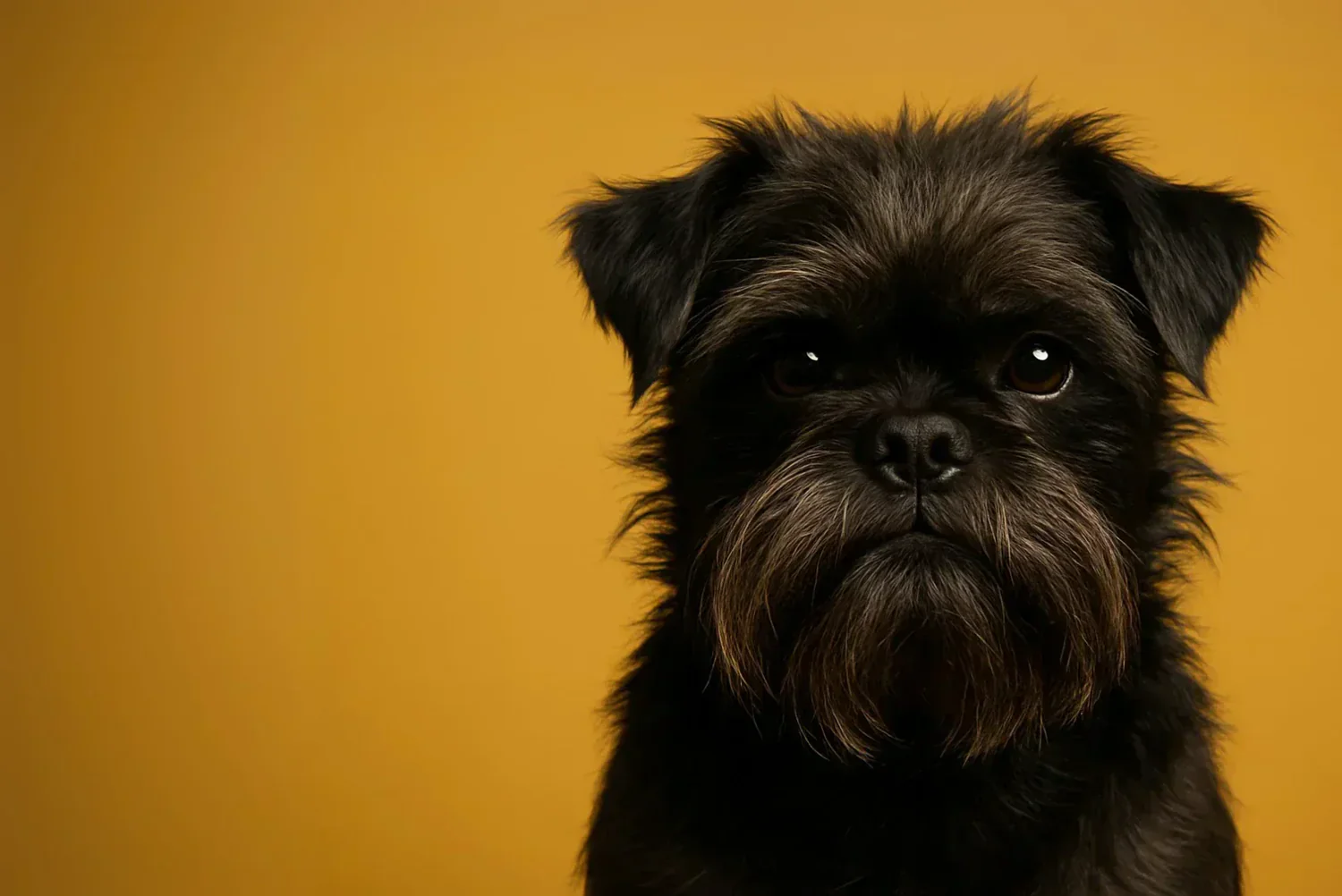
Affenpinscher Grooming Basics: How to Care for an Affenpinscher Coat Properly
This guide is designed to help you confidently care for an Affenpinscher’s coat, skin, and overall hygiene—whether you’re a first-time owner or someone refining an existing routine. You’ll learn what grooming tasks truly matter for this breed, how often they should be done, which tools are actually useful, and where many owners unintentionally go wrong. The focus is on practical, realistic grooming that fits into normal home life while preserving the coat and comfort of the dog.
Rather than treating grooming as a cosmetic chore, this guide approaches it as part of routine health care. By the end, you should understand how to maintain your Affenpinscher’s distinctive look, prevent common coat and skin problems, and know when a task is safe to do at home versus when professional help is the better option.
Why grooming is essential for health, comfort, and behavior
Affenpinschers are often described as “low shedding,” which leads many owners to underestimate their grooming needs. In reality, their wire-textured coat grows continuously and does not fall out on its own. Without regular grooming, dead hair stays trapped, leading to tangles, matting, skin irritation, and increased odor. Grooming keeps the coat breathable, reduces debris buildup, and supports normal skin function.
Proper grooming also affects comfort and behavior. Mats can pull at the skin with every movement, nails that grow too long change how a dog stands and walks, and dirty facial hair can irritate the eyes and mouth. Dogs that are consistently uncomfortable often become restless, irritable, or resistant to handling. A predictable grooming routine helps Affenpinschers stay relaxed and cooperative, both at home and with professionals.
What makes the Affenpinscher grooming routine different from other small breeds
Unlike many smooth-coated or heavily shedding small breeds, the Affenpinscher has a rough, wiry coat that requires intentional maintenance. This coat type responds very differently to brushing, bathing, and trimming than soft or silky hair. Over-bathing, aggressive brushing, or improper clipping can permanently change the coat’s texture and color over time.
Facial grooming is another unique aspect of this breed. The prominent eyebrows, beard, and mustache that give the Affenpinscher its characteristic expression also trap food, moisture, and debris. These areas need frequent, gentle attention to prevent staining, odor, and skin irritation.
Understanding the Affenpinscher Coat and Grooming Needs
The Affenpinscher has a wire-textured coat. This means the hair feels rough, not soft or silky. The coat is made to protect the skin and does not fall out on its own like many shedding breeds. Instead, old hair stays in the coat until it is brushed, stripped, or trimmed away.
Because the coat keeps growing, grooming is not optional. If the coat is ignored, it can become tangled, dull, and uncomfortable for the dog.
How the coat grows, sheds, and mats
Affenpinschers are often called “low shedding,” but that does not mean “low care.” The coat sheds very little because loose hair stays trapped instead of falling out. If that loose hair is not removed, it mixes with new hair and forms mats.
Mats usually start:
- Behind the ears
- Under the front legs
- Around the collar or harness
- On the legs and beard
These areas rub often and collect moisture and dirt, which makes tangles form faster.
Why Affenpinschers are low-shedding but not low-maintenance
Many owners think low shedding means less grooming. With this breed, it means the opposite. Since hair does not fall out naturally, grooming is the only way to keep the coat healthy.
Regular brushing and proper trimming:
- Keeps air moving to the skin
- Reduces odor
- Prevents painful mats
- Helps the coat keep its rough texture
Skipping grooming can lead to skin irritation, tight mats, and a coat that is harder to fix later.
Affenpinscher coat characteristics at a glance
| Coat Feature | What Owners Notice | Why Grooming Matters |
|---|---|---|
| Shedding | Very little hair on furniture | Loose hair stays trapped in the coat |
| Texture | Rough and wiry | Needs gentle tools to avoid damage |
| Growth | Hair keeps growing | Regular trimming or stripping needed |
| Mat risk | High in friction areas | Brushing prevents painful tangles |
| Odor | Can smell if neglected | Grooming keeps skin clean and dry |
This table shows why grooming is needed even when shedding is low.
Grooming frequency basics for this coat type
Most Affenpinschers need:
- Light brushing several times a week
- Bathing every few weeks or when dirty
- Regular trimming or coat maintenance every 6 to 10 weeks
The exact schedule depends on coat length, lifestyle, and whether the coat is clipped or hand-stripped. These details are explained later in the guide.
Core Grooming Routine at Home for Affenpinschers
Grooming tools and products you actually need
You do not need many tools to groom an Affenpinscher, but the right tools make grooming safer and easier. Using the wrong brush or shampoo can damage the coat or irritate the skin.
Basic tools most owners should have:
- A slicker brush with soft pins
- A metal comb for checking tangles
- Dog shampoo made for sensitive skin
- A towel and low-heat dryer or air drying
- Small scissors for trimming around eyes and feet
- Nail clippers or a nail grinder
| Tool | What it is used for | How often |
|---|---|---|
| Slicker brush | Removes loose hair and small tangles | 2–4 times a week |
| Metal comb | Finds hidden mats | After brushing |
| Dog shampoo | Cleans coat and skin | Every few weeks |
| Towel or dryer | Dries coat after bath | After bathing |
| Small scissors | Neaten face and feet | As needed |
Brushing routine and problem areas
Brushing is the most important part of Affenpinscher grooming. Short brushing sessions work better than long ones.
Brush slowly and gently. Always brush in the direction the hair grows. If you pull too hard, the dog may become scared of grooming.
Pay extra attention to:
- Behind the ears
- Under the front legs
- Around the collar area
- Beard and legs
| Body area | How often | Why it matters |
|---|---|---|
| Behind ears | 3–4 times a week | Mats form quickly here |
| Under legs | 3–4 times a week | Skin rub causes tangles |
| Beard | Daily or every other day | Food and water collect |
| Legs | 2–3 times a week | Hair is thicker here |
If you find a small mat, try to gently loosen it with your fingers or comb. If the mat is tight or close to the skin, do not cut it at home.
Bathing an Affenpinscher safely
Affenpinschers do not need frequent baths. Bathing too often can dry out the skin and make the coat soft instead of wiry.
| Situation | How often to bathe | Notes |
|---|---|---|
| Normal care | Every 4–6 weeks | Use gentle dog shampoo |
| Dirty or muddy | As needed | Rinse well |
| Skin issues | Vet advice | May need special shampoo |
Use warm water, not hot. Rinse very well, especially around the face and legs. Leftover soap can cause itching.
Dry the coat fully. If using a dryer, keep it on low heat and move it often to avoid burns.
Face, beard, and eye care
The face needs frequent care because hair grows around the eyes and mouth.
Simple daily habits:
- Wipe the beard after meals
- Check eyes for discharge
- Trim long hairs that touch the eyes
- Keep the beard dry to avoid smell
This keeps the face clean and helps prevent irritation.
Trimming, Hand-Stripping, and Coat Maintenance Options
Hand-stripping vs clipping explained in simple terms
Affenpinscher coats can be cared for in two main ways: hand-stripping or clipping. These methods are very different and give different results.
Hand-stripping means removing dead hair by hand or with a special tool. This keeps the coat rough and helps new healthy hair grow in. It takes more time and skill but keeps the coat looking natural.
Clipping means cutting the coat with clippers. This is faster and easier, but it changes the coat over time. The hair becomes softer, lighter in color, and may mat more easily.
| Grooming method | What it does to the coat | Best for |
|---|---|---|
| Hand-stripping | Keeps coat rough and healthy | Show dogs or owners who want natural texture |
| Clipping | Makes coat softer and fluffier | Pet dogs with easy-care needs |
How trimming choices affect the coat over time
Once a wire coat is clipped many times, it may never fully return to its rough texture. The coat can also hold more dirt and smell faster. This does not hurt the dog, but it changes how much grooming is needed later.
Some owners choose clipping because it is easier to manage. Others choose hand-stripping to keep the traditional Affenpinscher look. Both choices are okay as long as grooming is done regularly.
What owners can safely do at home
Most owners can safely:
- Trim small hairs around the eyes
- Clean up the beard and feet
- Brush and bathe the coat
Owners should avoid:
- Cutting tight mats close to the skin
- Using clippers without training
- Trying full hand-stripping without guidance
Mistakes can cause cuts or stress for the dog.
How often coat maintenance is needed
Most Affenpinschers need coat maintenance every 6 to 10 weeks. This can be done by a professional groomer or partly at home, depending on the grooming method used.
Regular care keeps the coat comfortable and easier to manage.
Extra Care: Nails, Ears, Teeth, and Skin Health
Nail care basics for Affenpinschers
Affenpinschers have small feet, and long nails can cause pain when walking. Nails that grow too long can also change how the dog stands.
Most Affenpinschers need nail trimming every 2 to 4 weeks.
| Nail type | How often to trim | Helpful tip |
|---|---|---|
| Clear nails | Every 2–3 weeks | You can see the quick inside |
| Dark nails | Every 3–4 weeks | Trim small amounts at a time |
If you hear nails clicking on the floor, they are too long. If you are unsure or nervous, a groomer or vet can trim them safely.
Ear cleaning and ear health
Affenpinschers usually have healthy ears, but they still need checking.
Check ears once a week. Clean only if you see dirt or smell odor.
Safe ear care tips:
- Use dog ear cleaner only
- Wipe the outer ear gently
- Never push cotton deep inside
If ears are red, smelly, or the dog keeps shaking its head, see a vet.
Dental care for small breeds
Small dogs often have dental problems. Food and plaque build up faster in small mouths.
Basic dental care includes:
- Brushing teeth several times a week
- Using dog toothpaste only
- Giving dental chews approved for dogs
| Dental habit | Why it helps |
|---|---|
| Tooth brushing | Reduces plaque |
| Dental chews | Helps clean teeth |
| Vet dental checks | Finds problems early |
Healthy teeth help prevent pain, bad breath, and infections.
Skin and coat health warning signs
Grooming helps you notice skin problems early.
Watch for:
- Red or itchy skin
- Flaky or very dry skin
- Hair loss or bald spots
- Strong odor that does not go away
| Sign | Possible cause | What to do |
|---|---|---|
| Red skin | Allergy or irritation | See a vet |
| Greasy coat | Skin infection | Vet check |
| Itching | Dry skin or allergy | Change products, ask vet |
Never use human products on dogs. Dogs have different skin needs.
Special Situations, Safety, and Professional Grooming
Grooming puppies, adults, and senior Affenpinschers
Grooming needs change as your dog gets older.
Puppies should learn grooming slowly. Short, calm sessions help them feel safe. Focus on brushing, touching feet, and cleaning the face. Do not worry about perfect looks at this age.
Adult Affenpinschers need regular grooming to keep the coat healthy and neat. This is when a full routine works best.
Senior dogs may need gentler care. Arthritis, sensitive skin, or fear can make grooming harder. Go slower, use soft tools, and keep sessions short.
| Age group | Grooming focus | Special notes |
|---|---|---|
| Puppy | Comfort and training | Short, positive sessions |
| Adult | Full grooming routine | Keep schedule regular |
| Senior | Comfort and safety | Gentle handling |
Seasonal grooming needs
Affenpinschers do not shed by season like some breeds, but weather still affects grooming.
In warm months:
- Keep the coat clean and brushed
- Check for skin irritation
- Do not shave the coat
In cold months:
- Keep the coat dry
- Brush to prevent mats under clothing
- Watch for dry skin
Grooming at home vs using a professional groomer
Some grooming tasks are safe to do at home, while others are better left to professionals.
| Grooming task | Safe at home | Best for groomer |
|---|---|---|
| Brushing | Yes | No |
| Bathing | Yes | Optional |
| Nail trimming | Sometimes | Yes if unsure |
| Full trimming | No | Yes |
| Hand-stripping | No | Yes |
Professional groomers have training and tools that help keep dogs safe and calm.
Common grooming mistakes to avoid
Many grooming problems come from simple mistakes.
Avoid:
- Shaving the coat very short
- Bathing too often
- Using human shampoo
- Cutting mats close to the skin
- Skipping grooming for long periods
These mistakes can cause skin problems and stress for the dog.
When to see a groomer or veterinarian
You should see a professional if:
- The coat is badly matted
- Skin is red, itchy, or smells bad
- Nails are overgrown
- Your dog is scared or painful during grooming
Grooming should never hurt your dog. Help from a groomer or vet is always a good choice when you are unsure.
For more trusted information on the Affenpinscher breed, including size, temperament, and official care guidelines, you can visit the Affenpinscher breed page at the American Kennel Club: https://www.akc.org/dog-breeds/affenpinscher/