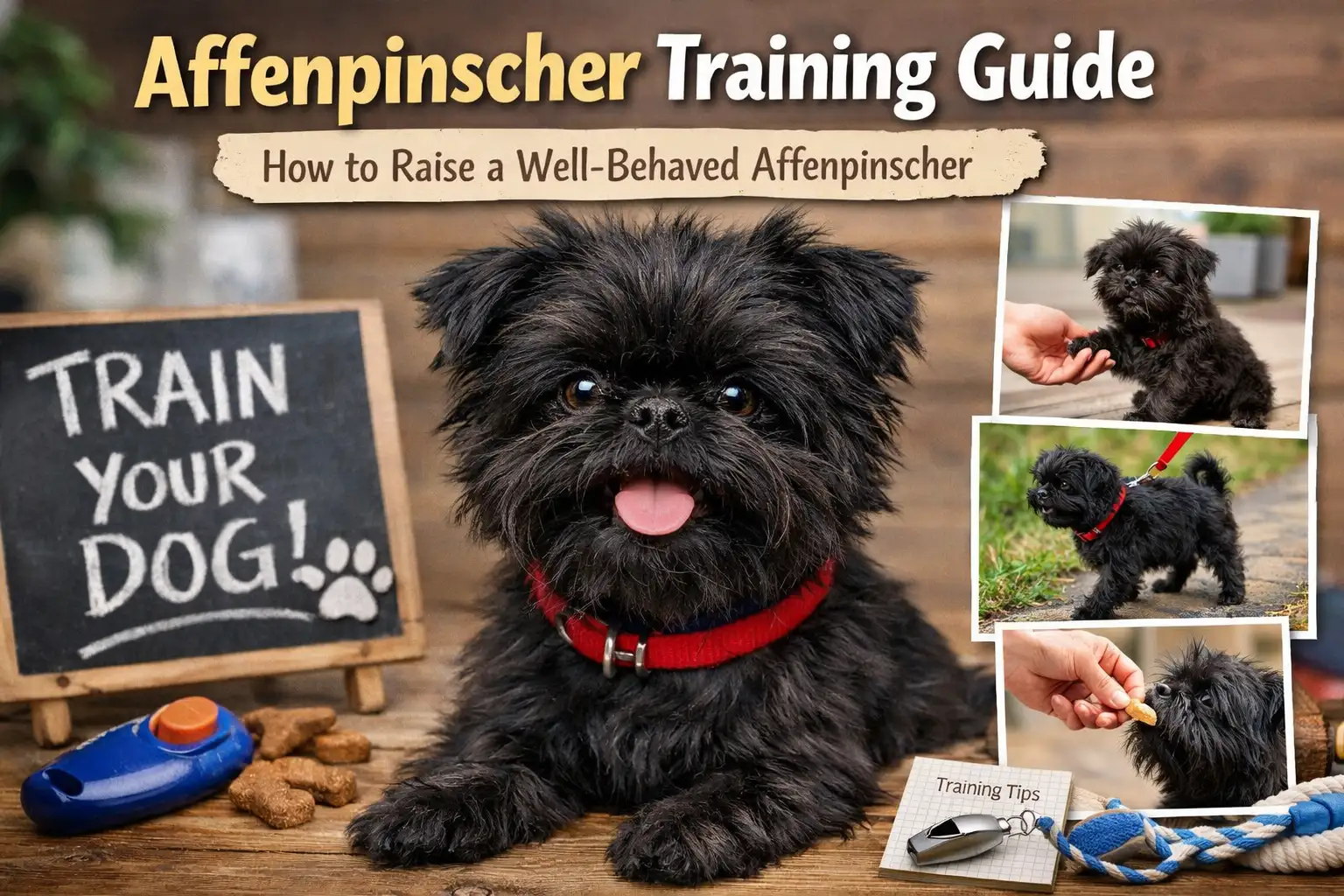
Affenpinscher Training Guide: How to Train and Raise a Well-Behaved Affenpinscher
The Affenpinscher may be small, but this little “Monkey Dog” is bold, intelligent, expressive, and sometimes hilariously stubborn. Training an Affenpinscher isn’t about overpowering them—it’s about working with their smart, independent mind using patience, positive reinforcement, and consistency. In this guide, you’ll learn exactly how to build obedience, prevent behavior problems, and raise a confident, well-mannered Affenpinscher, whether you have a playful puppy or a determined adult.
Affenpinschers respond best to short training sessions, rewards they truly care about (treats, praise, or play), and owners who remain calm and consistent. When trained correctly, they aren’t just obedient—they’re funny, engaging, and deeply loyal companions.
Here’s a quick snapshot to set expectations:
| Affenpinscher Training Snapshot | Details |
|---|---|
| Temperament | Bold, curious, alert, confident |
| Intelligence Level | High – learns fast but tests limits |
| Training Difficulty | Moderate due to independence |
| Best Training Method | Positive reinforcement, reward-based |
| Session Length | 5–10 minutes, 2–3 times daily |
| Motivation Style | Food rewards, praise, play |
| Ideal For | Owners willing to be patient and consistent |
Understanding Affenpinscher Behavior and Why Training Is Important
Affenpinschers are small dogs with very big personalities. They are brave, curious, a little stubborn, and often act bigger than their size. They are smart and learn fast, but they also like to think for themselves. This is why training is important. It helps them listen, stay safe, and live happily with your family.
Affenpinschers need clear rules, gentle guidance, and lots of positive rewards. Harsh training or shouting does not work with this breed. Instead, they respond best to calm, patient owners who teach using praise, treats, and play.
Here is a simple look at how their behavior works and what it means for training:
| Behavior | Why It Happens | What It Means For Training |
|---|---|---|
| Stubborn moments | Independent nature | Keep training short and fun |
| Barking often | Alert and protective | Teach calm and reward silence |
| Gets bored fast | High curiosity | Use short, engaging lessons |
| Very loyal | Strong bond with owner | Training builds trust and respect |
| Loves attention | Enjoys interaction | Use praise and play as rewards |
Why training matters:
- It helps control barking and stubborn behavior
- It keeps them safe indoors and outdoors
- It stops bad habits before they start
- It helps them feel calm and confident
- It makes daily life easier for both dog and owner
Training isn’t just about commands. It shapes your Affenpinscher’s mind, emotions, and confidence. A trained Affenpinscher is happier, friendlier, and easier to live with.
Step-by-Step Affenpinscher Training Guide for Puppies and Adults
This section will help you train your Affenpinscher in a simple and clear way. The goal is to make training easy, fun, and doable for normal families, even if you are busy. Both puppies and adults can learn with these steps. The secret is to stay calm, be kind, and stay consistent.
Start with short training sessions. Affenpinschers learn best in small bursts instead of long lessons. Try 5 to 10 minutes, 2 to 3 times a day. Always end training on a happy note so your dog enjoys learning.
Here is a simple training plan you can follow:
| Training Goal | Steps | Session Length | Frequency | Expected Timeline |
|---|---|---|---|---|
| House Training | Take out regularly, reward after bathroom | 5 mins | After meals and naps | 2–6 weeks |
| Basic Commands (sit, stay, come) | Teach one command at a time with treats and praise | 5–10 mins | 2–3 times daily | 2–4 weeks |
| Leash Training | Start indoors, reward calm walking, avoid pulling | 5–10 mins | Daily | 3–6 weeks |
| Socialization | Meet people, visit safe places, gentle exposure | Short outings | 3–4 times weekly | Ongoing |
| Impulse Control | Teach “wait”, reward calm behavior | 5 mins | Daily | 3–6 weeks |
Puppies and adults learn differently. Here is a helpful comparison:
| Puppy Focus | Adult Dog Focus | What Changes | What Stays Same |
|---|---|---|---|
| Potty training | Polishing good habits | Puppies need more bathroom breaks | Both need rewards and patience |
| Early socialization | Confidence building | Puppies learn fast but are unsure | Consistency is always important |
| Basic obedience | Correcting past habits | Adults may need extra patience | Positive training works for both |
Helpful tips to remember:
- Keep lessons short and fun
- Use treats, praise, and play
- Do not shout or punish
- Be patient; every dog learns at a different speed
- Practice daily, even for a few minutes
Training helps your Affenpinscher learn manners, builds trust, and makes life easier for everyone at home. If you stay kind and consistent, your dog will learn and enjoy training time with you.
Common Affenpinscher Training Problems and How to Fix Them
Even with good training, Affenpinschers can sometimes be stubborn, noisy, or distracted. This is normal. They are smart little dogs with big personalities. The good news is that most problems can be fixed with patience, the right plan, and calm training.
Here is a simple troubleshooting table to help you:
| Problem | Likely Cause | What To Do | When To Worry |
|---|---|---|---|
| Keeps barking a lot | Alert nature and excitement | Teach “quiet”, reward calm, ignore barking when safe | If barking is nonstop or feels anxious |
| Does not listen sometimes | Independent and testing limits | Keep lessons short, repeat daily, use better rewards | If dog never responds at all |
| Pulls on the leash | Too excited or curious | Reward walking beside you, stop when pulling happens | If walking becomes unsafe |
| Slow house training | Small bladder, young age | More bathroom breaks and reward right after potty | If accidents happen for many months |
| Gets bored fast | Needs mental activity | Use games, puzzle toys, training variety | If boredom turns into destructive behavior |
| Separation anxiety signs | Strong bond with owner | Practice short alone times, give toys and calm exits | If crying or destruction is extreme |
Simple tips to fix most problems:
- Stay calm even when your dog misbehaves
- Reward the good moments instead of only reacting to bad ones
- Train daily, even for a few minutes
- Be consistent so your dog understands what you expect
- Remember: patience is more powerful than punishment
Affenpinschers can sometimes act stubborn, but they are not “bad dogs.” They simply need clear guidance, kind training, and a routine they understand.
When to Seek Professional Training or Behavioral Help
Most Affenpinschers can be trained at home with patience, daily practice, and positive rewards. But sometimes, extra help is needed. Getting help early can stop small problems from turning into big ones. There is nothing wrong with asking a trainer or vet for support. It shows you care about your dog’s health and happiness.
Here is a simple guide to understand when you should get help:
| Issue | Try Training For | If No Improvement | Next Step |
|---|---|---|---|
| Basic commands not improving | 2–4 weeks | Still not listening at all | Contact a dog trainer |
| Leash pulling | 3–6 weeks | Walking feels unsafe | Trainer or behavior class |
| Barking problems | 2–3 weeks | Barking nonstop or stressing dog | Trainer or vet behavior advice |
| House training | 6–8 weeks | Still many accidents | Vet check + trainer |
| Fear, shaking, hiding | 2–3 weeks | No change, gets worse | Vet or behaviorist |
| Aggression (growling, biting) | Immediate action needed | Do not wait | Vet behaviorist or certified trainer |
Clear signs you should get professional help:
- Biting, snapping, or threatening behavior
- Extreme fear or panic
- Severe separation anxiety
- Training not improving after many weeks
- You feel stressed, confused, or unsure what to do
Who can help you:
- A certified dog trainer
- A canine behaviorist
- Your veterinarian (to rule out health problems)
Remember, getting help is not a failure. It is a smart step to keep your dog safe, calm, and happy.
For more expert information on positive, science-based dog training, you can also read the American Kennel Club’s training resources here: https://www.akc.org/expert-advice/training/