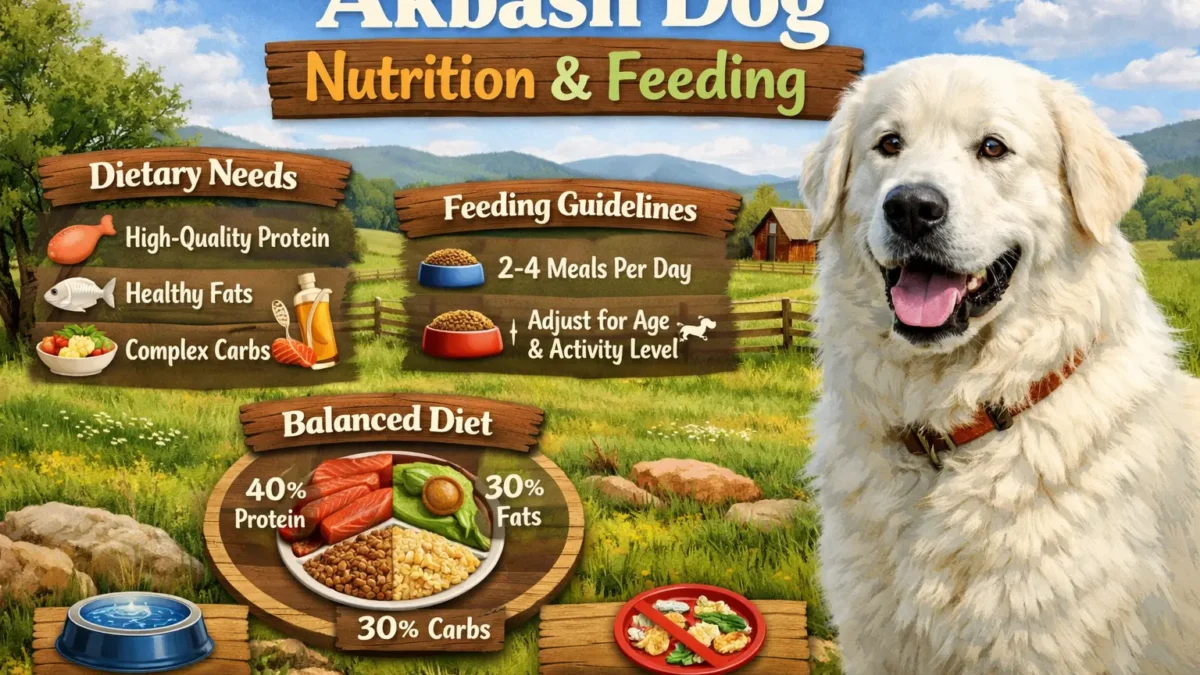
Akbash Dog Nutrition & Feeding Guide: How to Feed Your Akbash for Optimal Health
Feeding an Akbash dog the right diet is crucial for their health, growth, and longevity. As a large, guardian breed, Akbash dogs have unique nutritional needs that differ from smaller breeds. Proper nutrition supports strong bones and joints, maintains a healthy weight, supports immune function, and fuels their energy for daily activity and protective instincts.
This guide will help you understand what to feed your Akbash at every life stage, how much to feed, and how to make practical feeding choices that keep your dog healthy and thriving. Whether you have a playful Akbash puppy, an active adult guardian, or a senior dog, the information in this guide is designed to give you actionable, breed-specific advice for daily feeding.
Unique traits of the Akbash, such as their large size, lean but muscular build, and high endurance as livestock guardians, mean that standard feeding advice for medium or small dogs may not be sufficient. Their metabolism, growth rate, and activity level all affect how much and what type of food is optimal. By understanding these factors, you can ensure your Akbash maintains a healthy weight, strong muscles, and overall well-being throughout life.
Akbash Nutritional Needs and Feeding Guidelines
Feeding your Akbash the right nutrients is key to keeping them healthy, strong, and happy. Akbash dogs are large, active guardians, so they need more calories and protein than smaller dogs. Their diet should include a balance of protein, fats, and carbohydrates, along with essential vitamins and minerals.
Daily Calorie Needs by Weight and Activity Level
| Weight of Akbash (lbs) | Low Activity (kcal/day) | Moderate Activity (kcal/day) | High Activity (kcal/day) |
|---|---|---|---|
| 70–90 | 1,600–1,900 | 1,900–2,200 | 2,200–2,500 |
| 91–110 | 1,900–2,200 | 2,200–2,500 | 2,500–2,900 |
| 111–130 | 2,200–2,500 | 2,500–2,900 | 2,900–3,300 |
| 131+ | 2,500+ | 2,900+ | 3,300+ |
Macronutrient Recommendations for Akbash
| Nutrient | Percentage of Daily Diet | Notes |
|---|---|---|
| Protein | 22–28% | Supports muscle and growth |
| Fat | 12–18% | Provides energy and healthy skin/fur |
| Carbohydrates | 30–40% | Supplies energy for activity |
| Fiber | 3–5% | Aids digestion and gut health |
Feeding Frequency and Portioning by Life Stage
| Life Stage | Meals per Day | Portioning Tips |
|---|---|---|
| Puppy (2–6 mo) | 3–4 | Smaller, frequent meals to support growth |
| Young Adult (6 mo–2 yr) | 2–3 | Adjust portion based on activity and weight |
| Adult (2–7 yr) | 2 | Use Body Condition Score to guide amount |
| Senior (7+ yr) | 2 | Lower calories if activity decreases, maintain nutrient balance |
Use these tables to quickly check how much to feed your Akbash each day. Always monitor their body condition and adjust portions if they start gaining too much weight or appear too thin.
Types of Food and Diet Options for Akbash Dogs
Akbash dogs can eat many types of food, but each type has its pros and cons. Choosing the right food depends on your dog’s age, activity level, and health. Here’s a simple guide to help you decide.
Comparison of Dog Food Types
| Food Type | Pros | Cons | Notes |
|---|---|---|---|
| Kibble (Dry) | Easy to store, convenient, affordable | Some brands low-quality, may have fillers | Look for high-protein large-breed formulas |
| Canned (Wet) | High moisture, palatable | More expensive, shorter shelf life | Good for picky eaters or added variety |
| Raw Diet | High protein, natural nutrients | Requires careful handling, risk of bacteria | Only use balanced raw diet plans |
| Fresh/Prepared | High-quality ingredients, human-grade | Expensive, limited shelf life | Usually delivered frozen or refrigerated |
| Freeze-Dried | Preserves nutrients, convenient | Can be costly | Rehydrate before feeding |
| Homemade | Full control over ingredients | Time-consuming, risk of imbalance | Consult vet or nutritionist for complete diet |
Safe vs Toxic Foods for Akbash Dogs
| Safe Foods | Unsafe/Toxic Foods |
|---|---|
| Chicken, beef, lamb | Chocolate, grapes, raisins |
| Carrots, green beans, pumpkin | Onions, garlic, chives |
| Rice, oats, sweet potatoes | Macadamia nuts, xylitol |
| Apples (no seeds), blueberries | Alcohol, caffeine |
| Plain yogurt | Raw bread dough, moldy foods |
Treat Guidelines for Akbash Dogs
| Type of Treat | Max per Day | Notes |
|---|---|---|
| Commercial treats | 5–10 small pieces | Adjust based on dog size and calories |
| Human foods | 1–2 small pieces of safe foods | Should not replace main meals |
| Training treats | 10–20 very small pieces | Use low-calorie treats for frequent training |
Using these tables makes it easy to compare food types, check which human foods are safe, and manage treats without overfeeding your Akbash.
Special Diets, Common Feeding Problems, and Real-Life Scenarios
Some Akbash dogs may need special diets or extra care with feeding. Large breeds can have sensitive stomachs, allergies, or weight issues. Understanding common problems and real-life situations will help you feed your dog safely and effectively.
Special Diets for Akbash Dogs
| Diet Type | When to Use | Key Tips | Vet Advice |
|---|---|---|---|
| Allergy-Friendly | Food allergies or skin issues | Use limited-ingredient or novel protein foods | Always test new foods slowly |
| Sensitive Stomach | Loose stool or digestive upset | Feed easily digestible proteins and carbs | Avoid sudden diet changes |
| Weight Management | Overweight or underweight dogs | Adjust portions and calories | Combine diet with exercise |
| High-Energy / Working Dogs | Active guardians or livestock dogs | Feed higher protein and fat | Ensure balanced nutrients |
| Low-Activity / Indoor Dogs | Less active lifestyle | Feed fewer calories to prevent weight gain | Monitor body condition regularly |
Common Feeding Mistakes and How to Fix Them
| Mistake | How to Correct |
|---|---|
| Overfeeding treats | Count calories from treats and reduce main meals |
| Switching food too fast | Gradually mix new food over 7–10 days |
| Ignoring body condition | Use Body Condition Score weekly and adjust portions |
| Feeding table scraps regularly | Limit human food to safe, small portions |
| Skipping life stage adjustments | Update diet as puppy, adult, or senior |
Owner Scenarios and Practical Tips
| Scenario | Feeding Tip |
|---|---|
| Picky eater | Mix wet and dry foods, add small safe toppings |
| Multiple dogs with different needs | Feed separately to control portions |
| Traveling or boarding | Pack measured meals and safe treats |
| Fast eater / food aggression | Use slow-feeder bowls or puzzle feeders |
These tables make it easy to see what diet fits your Akbash, avoid common mistakes, and handle real-life feeding challenges.
Tools, Tips, FAQs, and When to Consult a Professional
Keeping your Akbash healthy is easier when you have tools, tips, and clear guidance. This section helps you plan meals, answer common questions, and know when to ask a vet or nutritionist for help.
Sample Daily Feeding Schedule for Akbash Dogs
| Life Stage | Meal 1 | Meal 2 | Meal 3 (if puppy) |
|---|---|---|---|
| Puppy (2–6 mo) | 8 am – measured kibble or raw | 12 pm – same type | 5 pm – same type |
| Young Adult (6 mo–2 yr) | 8 am – balanced portion | 5 pm – balanced portion | Optional small snack |
| Adult (2–7 yr) | 8 am – balanced portion | 5 pm – balanced portion | Not needed |
| Senior (7+ yr) | 8 am – smaller portion | 5 pm – smaller portion | Optional soft snack |
Feeding Checklist for Akbash Owners
| Task | Frequency |
|---|---|
| Measure daily food | Every meal |
| Check body condition score | Weekly |
| Provide fresh water | Always available |
| Monitor stool and appetite | Daily |
| Adjust portions if weight changes | Monthly |
Frequently Asked Questions
| Question | Quick Answer |
|---|---|
| How often should I feed my Akbash? | Puppies 3–4 times, adults and seniors 2 times |
| Can my Akbash eat raw food? | Yes, if balanced and handled safely |
| Is grain-free food okay for Akbash? | Only if recommended for specific needs |
| How much water should my Akbash drink? | About 1 oz per lb of body weight per day |
| When should I see a vet about diet issues? | If digestion, appetite, or weight changes suddenly |
Using these tables, you can plan meals, track your Akbash’s health, and answer common questions quickly. They make daily feeding simple, clear, and safe for your dog.
For more information on balanced dog nutrition and feeding guidelines, visit the AAFCO Dog Food Nutrient Profiles here: https://www.aafco.org/Consumer-Resources