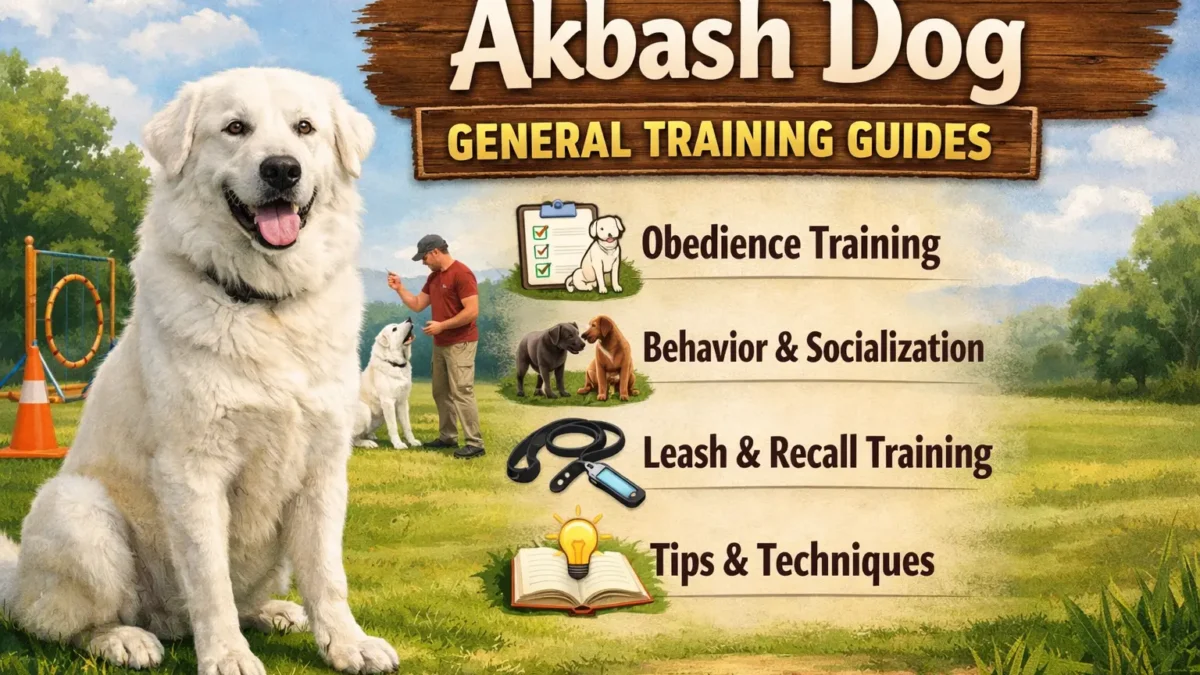
Akbash Dog Training Guide: Step-by-Step Obedience, Socialization & Behavior Tips
The Akbash dog is a large, independent livestock guardian breed known for its intelligence, protective instincts, and calm demeanor around family members. While these traits make the breed highly effective at guarding livestock, they also present unique challenges when it comes to training. Unlike more eager-to-please companion breeds, Akbash dogs rely heavily on their instincts and independent decision-making, which can make traditional obedience training more demanding.
This guide is designed to help both new and experienced owners train their Akbash dogs effectively. It covers core obedience commands, socialization strategies, and problem-solving approaches that align with the breed’s natural tendencies. Whether you have a playful Akbash puppy or an adult dog adjusting to a new environment, this guide provides step-by-step instructions to build a well-behaved, confident, and balanced guardian companion.
Training an Akbash requires consistency, patience, and understanding of their unique behavioral traits. Early socialization and structured training sessions are crucial for ensuring that your Akbash can safely interact with family members, other pets, and livestock.
Why Proper Training Matters for Akbash Dogs
Akbash dogs are natural guardians. They are independent, protective, and can be very strong. While these traits are great for guarding livestock, they can also create challenges if training is not done properly. Proper training is essential to keep both your dog and your family safe.
Untrained Akbash dogs may show behaviors like wandering off, ignoring commands, or being overly protective. Training helps your dog understand boundaries, follow instructions, and live safely with your family, other pets, and livestock. Starting training early and being consistent is key to raising a well-behaved Akbash.
Training also builds a strong bond between you and your dog. A confident, trained Akbash is calmer, happier, and easier to manage. This is especially important in households with children, other pets, or livestock.
Here’s a quick table showing the risks of undertraining vs. benefits of proper training:
| Risk of Undertraining | Benefit of Proper Training |
|---|---|
| Wandering or escaping | Obeys commands and stays close |
| Overprotectiveness | Calm and confident around family and guests |
| Ignoring instructions | Responds reliably to cues like sit, stay, and recall |
| Stress or anxiety in new situations | Comfortable and relaxed in different environments |
| Difficulty living with other pets | Well-socialized with other animals and humans |
By understanding why training matters, you can set realistic goals and create a structured plan that fits your Akbash’s personality and your household needs.
Understanding Akbash Behavior
Akbash dogs are natural guardians. They are smart, independent, and protective. These traits make them excellent at watching over livestock, but they also mean training needs to be consistent and patient. Understanding your Akbash’s behavior is the first step to successful training.
Natural instincts and personality:
- Akbash dogs are independent thinkers. They may not always follow commands if they feel it is unnecessary.
- They have strong guarding instincts and will protect their home, family, or livestock.
- They are generally calm but can become wary of strangers.
Age differences:
- Puppies are curious and playful, but need early socialization to learn rules.
- Adults are more confident and may test boundaries. Training may take more patience.
- Seniors are usually calm but may need gentle reinforcement of rules they learned earlier.
Behavioral challenges:
- Stubbornness or selective attention
- Wandering or exploring off-leash
- Strong prey drive toward smaller animals
Here’s a table summarizing Akbash behavior traits and training impact:
| Behavior Trait | What It Means | How It Affects Training |
|---|---|---|
| Independent thinking | Makes own decisions | May ignore commands if not motivated |
| Protective instincts | Guards family or livestock | Needs controlled socialization and boundaries |
| Stubbornness | May resist instructions | Requires consistent, patient training |
| Prey drive | Chases small animals | Important to teach recall and boundaries early |
| Calm demeanor | Generally relaxed | Can focus well in training if motivated |
Understanding these traits helps you choose the right training methods, timing, and rewards for your dog. Recognizing age-specific differences ensures training is safe and effective at all stages of life.
Step-by-Step Training Plan for Akbash Dogs
Training an Akbash dog works best when it is consistent, patient, and clear. Using short, regular sessions helps your dog learn without getting bored. Positive reinforcement, such as treats, praise, or play, encourages good behavior.
Core obedience commands:
- Sit
- Stay
- Come / Recall
- Leash walking
- Leave it
Socialization:
- Introduce your dog to different people, dogs, and environments early.
- Supervise interactions with livestock or small animals.
- Practice calm greetings and safe behavior around new situations.
Training tips:
- Keep sessions 10–15 minutes for puppies, 15–25 minutes for adults.
- Repeat exercises 2–3 times daily for best results.
- Reward immediately when the dog performs correctly.
- Use a calm, firm voice; avoid punishment or yelling.
Here’s a table showing a daily/weekly training schedule for an Akbash:
| Exercise | Duration | Frequency | Notes |
|---|---|---|---|
| Sit & Stay | 5–10 mins | 2x/day | Reward every success |
| Recall (Come) | 5–10 mins | 2x/day | Practice indoors, then outdoors |
| Leash Walking | 10–15 mins | 1–2x/day | Focus on calm walking, no pulling |
| Socialization | 10–15 mins | 1x/day | Introduce new people or dogs slowly |
| Play & Bonding | 10–15 mins | 1–2x/day | Builds trust and motivation |
Here’s a command checklist table for quick reference:
| Command | Steps | Tips | Common Mistakes |
|---|---|---|---|
| Sit | Hold treat, move above head, wait for sit | Reward immediately | Pulling on leash while teaching |
| Stay | Ask sit first, raise hand, take a step back | Start short distance | Letting dog get up too soon |
| Come | Use name + “come”, reward | Practice with leash at first | Chasing after dog instead of calling |
| Leave it | Show treat, close hand, reward ignoring | Be patient | Forcing dog away from item |
| Leash walk | Short leash, start slow | Reward calm walking | Yanking or tension on leash |
By following this plan, you can build obedience gradually while respecting the Akbash’s independent nature. Consistency and positive reinforcement are the keys to success.
Common Challenges and When to Seek Professional Help
Even with consistent training, Akbash dogs can face certain challenges due to their independent and protective nature. Recognizing these problems early helps prevent them from becoming serious issues.
Typical challenges:
- Wandering or escaping
- Stubbornness or selective obedience
- Overprotectiveness or guarding behaviors
- Fear or anxiety in new situations
- Resource guarding (food, toys, space)
Troubleshooting tips:
- Stay consistent with rules and commands
- Use positive reinforcement and rewards
- Break complex commands into small steps
- Socialize gradually with people, pets, and environments
Here’s a problem and solution table for quick reference:
| Problem | Cause | How to Fix | When to Seek Help |
|---|---|---|---|
| Wandering / escaping | Strong guardian instinct | Use long line or secure yard, practice recall | If dog regularly escapes and ignores recall |
| Stubbornness | Independent thinking | Short, frequent sessions, high-value rewards | If progress stalls after consistent training |
| Overprotectiveness | Natural guarding | Controlled introductions to strangers | If aggression escalates toward humans or pets |
| Fear / anxiety | New environments or loud noises | Gradual exposure, calm reassurance | If dog shows severe panic or aggression |
| Resource guarding | Possessiveness of items | Trade items for treats, supervised feeding | If biting or aggression occurs |
When to call a professional:
- Aggression that risks humans or other animals
- Persistent fear or anxiety despite training
- Difficulty managing the dog in normal home routines
Professional trainers or certified behaviorists can help provide specialized guidance, especially for large guardian breeds like the Akbash. Getting help early can prevent serious behavioral issues and ensure a safe, confident, and happy dog.
For more detailed information about the Akbash breed, including history, health, and temperament, you can visit the American Kennel Club (AKC) Akbash page: https://www.akc.org/dog-breeds/akbash/.