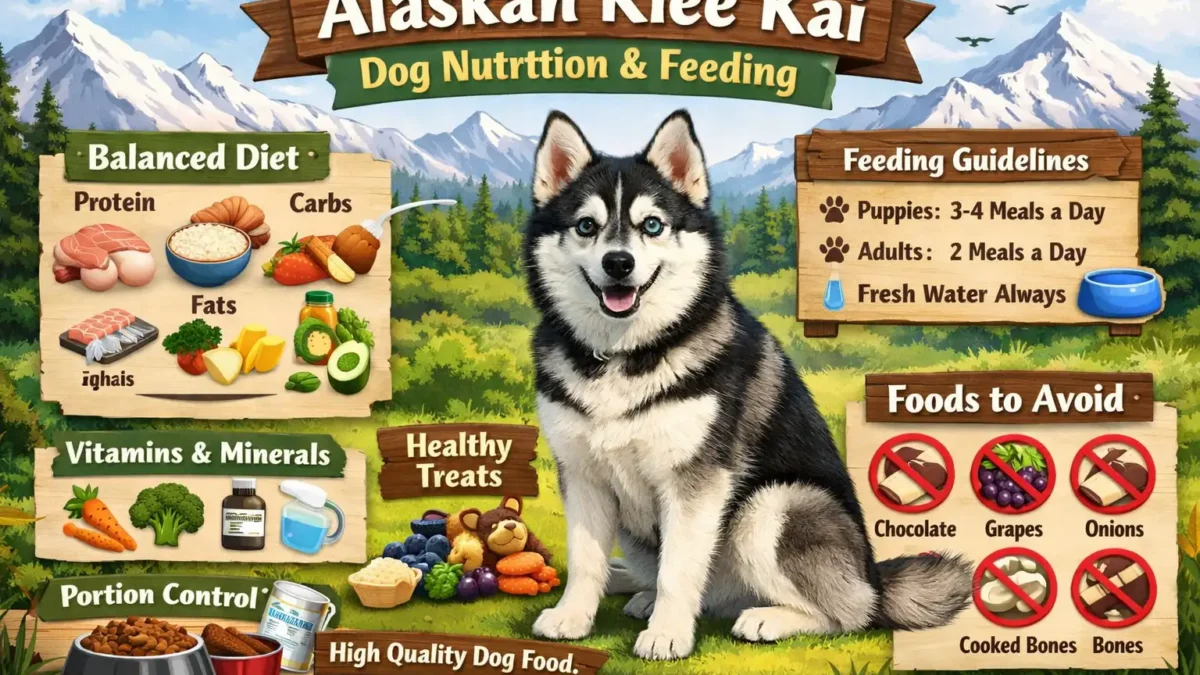
Alaskan Klee Kai Nutrition: Complete Feeding Guide for Puppies, Adults & Seniors
Feeding your Alaskan Klee Kai the right diet is one of the most important things you can do for their health and happiness. Proper nutrition affects everything from their energy levels and behavior to the quality of their coat and their overall lifespan. Unlike some other breeds, Alaskan Klee Kai are small, active dogs with a fast metabolism, so their diet needs careful planning to support their energy without causing weight problems.
This guide will help you:
- Understand the nutritional needs of your Alaskan Klee Kai at every life stage.
- Choose the right type of dog food, treats, and supplements.
- Feed your dog the correct portion sizes and monitor their body condition.
- Solve common feeding problems like picky eating, digestive issues, or weight management.
. Alaskan Klee Kai Nutritional Needs
Alaskan Klee Kai are small, energetic dogs. Their diet needs to give them enough energy without causing weight gain. Understanding what nutrients your dog needs and how much is the first step to keeping them healthy.
Macronutrients – the main nutrients in dog food:
- Protein: Supports muscles, growth, and repair. Puppies need more protein than adults. Small, active dogs like Alaskan Klee Kai need about 22–30% of their diet as protein.
- Fats: Provide energy, healthy skin, and a shiny coat. Fat should make up around 8–15% of their daily diet.
- Carbohydrates: Give extra energy and fiber. Dogs don’t need a lot, but some carbs from rice, oats, or vegetables are helpful for digestion.
Micronutrients – vitamins and minerals your dog needs:
- Calcium & phosphorus: Important for bone growth, especially in puppies.
- Omega-3 fatty acids: Help skin, coat, and brain health.
- Vitamins (A, D, E, B-complex) and trace minerals: Support overall health and immunity.
Life Stage Differences
- Puppies: Need more protein and calories to grow strong and healthy.
- Adults: Need balanced nutrients to maintain weight and energy.
- Seniors: May need lower calories but the same vitamins and minerals to stay healthy.
Calorie Needs – general guide for Alaskan Klee Kai:
| Life Stage | Weight Range | Calories per Day | Protein % | Fat % | Notes |
|---|---|---|---|---|---|
| Puppy | 4–7 lbs | 200–300 kcal | 25–30% | 10–12% | Support growth and play energy |
| Adult | 4–7 lbs | 180–250 kcal | 22–28% | 8–12% | Maintain healthy weight |
| Senior | 4–7 lbs | 150–220 kcal | 20–25% | 8–10% | Lower calories, same nutrient support |
Tip: Every dog is different. Adjust calories based on activity, metabolism, and body condition. Always check your dog’s body shape and energy levels.
How to Feed Your Alaskan Klee Kai
Feeding your Alaskan Klee Kai the right amount at the right time keeps them healthy and happy. Small, active dogs can gain weight quickly if overfed, but underfeeding can make them weak or low on energy.
Portion Sizes and Feeding Frequency
- Puppies: Feed 3–4 small meals a day. They need frequent energy for growth and play.
- Adults: 2 meals per day is usually enough.
- Seniors: 1–2 meals per day, depending on activity.
Body Condition Score
Use a simple check:
- You should see a waist behind the ribs.
- You should be able to feel the ribs but not see them.
Adjust portions if your dog is gaining too much or losing weight.
Treats and Human Foods
- Treats should be less than 10% of daily calories.
- Safe human foods: small pieces of cooked chicken, carrots, apples (no seeds), blueberries.
- Foods to avoid: chocolate, grapes, onions, garlic, alcohol, caffeine.
Feeding Scenarios
- Picky eaters: Try small, frequent meals or mix wet and dry food.
- Multiple dogs: Feed separately to prevent stealing food.
- Apartment dogs: Keep activity moderate; adjust calories if less exercise.
- High-energy dogs: May need slightly more calories or added healthy snacks.
Feeding Portions & Treat Guidelines
| Life Stage | Avg Weight | Portion per Meal | Treat Allowance | Notes |
|---|---|---|---|---|
| Puppy | 4–7 lbs | 1/4 – 1/3 cup | 1–2 tsp | 3–4 meals/day |
| Adult | 4–7 lbs | 1/4 cup | 1 tsp | 2 meals/day |
| Senior | 4–7 lbs | 3–4 tbsp | 1 tsp | 1–2 meals/day |
Tip: Measure food with a standard cup or kitchen scale. Avoid free-feeding to prevent weight gain.
Types of Dog Food and Best Diet Choices
Choosing the right type of food for your Alaskan Klee Kai is important for their health, coat, energy, and digestion. There are several options, and each has pros and cons.
Kibble (Dry Food)
- Convenient and easy to store
- Helps keep teeth clean
- Make sure it has high-quality protein and minimal fillers
Canned Food
- Moist and tasty, good for picky eaters
- Higher water content helps with hydration
- Can be more expensive than kibble
Raw Diet
- Can improve coat and energy if balanced
- Requires careful preparation to avoid bacterial contamination
- Consult a vet before starting
Fresh / Human-Grade Food
- High-quality ingredients, often cooked
- Convenient but may be costly
- Best for owners who want control over ingredients
Freeze-Dried or Dehydrated Food
- Preserves nutrients, lightweight, long shelf life
- Needs rehydration before feeding
- Good balance between raw nutrition and convenience
Homemade Diet
- Full control over ingredients
- Must be balanced and formulated to avoid nutrient deficiencies
- Often requires guidance from a veterinary nutritionist
Dog Food Type Comparison for Alaskan Klee Kai
| Food Type | Pros | Cons | Best For | Notes |
|---|---|---|---|---|
| Kibble | Convenient, long shelf life, dental benefits | Lower moisture, quality varies | Busy owners, adult dogs | Choose high-quality brands |
| Canned | Tasty, high moisture | Expensive, can spoil quickly | Picky eaters, seniors | Mix with kibble if needed |
| Raw | Can improve coat and energy | Risk of bacteria, needs careful prep | Active dogs, experienced owners | Vet guidance recommended |
| Fresh / Human-grade | High-quality, nutrient-rich | Costly | Owners wanting full control | Check portion sizes |
| Freeze-dried | Preserves nutrients, long shelf life | Needs water, costlier | Travel, convenient raw option | Rehydrate properly |
| Homemade | Full control over ingredients | Time-consuming, risk of imbalance | Dedicated owners | Use vet-formulated recipes |
Tip: Always introduce a new type of food gradually over 7–10 days to prevent digestive upset.
Common Problems, Special Diets, and Owner Solutions
Even when feeding carefully, Alaskan Klee Kai owners may face challenges like allergies, sensitive stomachs, weight management issues, or picky eating. Knowing how to handle these problems can keep your dog healthy and happy.
Special Diets
- Allergies: Some dogs may react to beef, chicken, dairy, or grains. Hypoallergenic or limited-ingredient diets help.
- Sensitive Stomach: Easily digestible foods with added fiber or probiotics can improve digestion.
- Weight Management: Use lower-calorie food or reduce treats if your dog is gaining too much weight.
- High-Energy Dogs: Active dogs may need extra calories or protein to maintain energy.
- Low-Activity Dogs: Adjust portions and provide daily exercise to prevent obesity.
Common Feeding Mistakes
- Overfeeding treats or free-feeding
- Sudden diet changes without a gradual transition
- Not monitoring body condition score
- Feeding inappropriate human foods
Owner Scenarios
- Picky Eaters: Try small, frequent meals or mix food types.
- Multiple Dogs: Feed separately to avoid food stealing.
- Travel or Schedule Changes: Pack measured meals and stick to a routine.
- Food Aggression: Feed dogs in separate areas and supervise meals.
Quick Troubleshooting Guide
| Problem | Likely Cause | Suggested Action | When to Seek Vet |
|---|---|---|---|
| Loose stool or diarrhea | Sudden food change, sensitive stomach | Gradual diet transition, bland diet | If lasts >2 days or severe |
| Overweight | Too many calories, treats | Adjust portions, increase exercise | If weight continues rising |
| Underweight | Not enough food, high activity | Increase portions, high-calorie food | If weight continues dropping |
| Picky eater | Boredom, texture preference | Mix food types, add small toppers | If refusing all food |
| Allergic reactions | Protein or ingredient sensitivity | Limited-ingredient diet | Persistent itching, rash, vomiting |
Tip: Always monitor your dog’s weight, stool, and energy levels. If something seems off, consult a vet or veterinary nutritionist before making major changes.
Practical Tools, FAQs, and When to See a Professional
Quick Reference Feeding Chart
| Life Stage | Weight Range | Calories/day | Meals/day | Treat Allowance |
|---|---|---|---|---|
| Puppy | 4–7 lbs | 200–300 kcal | 3–4 | 1–2 tsp |
| Adult | 4–7 lbs | 180–250 kcal | 2 | 1 tsp |
| Senior | 4–7 lbs | 150–220 kcal | 1–2 | 1 tsp |
Body Condition Quick Check
- Ideal: Waist visible, ribs easily felt but not seen
- Overweight: Waist not visible, ribs hard to feel
- Underweight: Ribs visible, little muscle mass
Safe vs Unsafe Foods Table
| Safe Foods | Unsafe Foods |
|---|---|
| Carrots, apples (no seeds), blueberries, cooked chicken | Chocolate, grapes, onions, garlic, caffeine, alcohol |
| Plain rice, pumpkin, green beans | Xylitol (in sugar-free products), raw dough |
Frequently Asked Questions
- Q: How often should I change my Alaskan Klee Kai’s food?
Gradually over 7–10 days to prevent digestive upset. - Q: Can I feed homemade food only?
Yes, but ensure it is nutritionally balanced. Consult a vet or veterinary nutritionist. - Q: My dog refuses food sometimes. What should I do?
Try smaller meals, mix wet and dry food, or add safe toppers. Monitor weight to ensure they are eating enough. - Q: When should I see a vet about diet?
If your dog shows chronic diarrhea, sudden weight changes, allergies, or loss of appetite, seek professional advice.
For more detailed information on how to choose a nutritionally complete and balanced dog food and understand what the labels mean, visit the Association of American Feed Control Officials (AAFCO) guide on selecting the right pet food here: https://www.aafco.org/consumers/understanding-pet-food/selecting-the-right-pet-food/