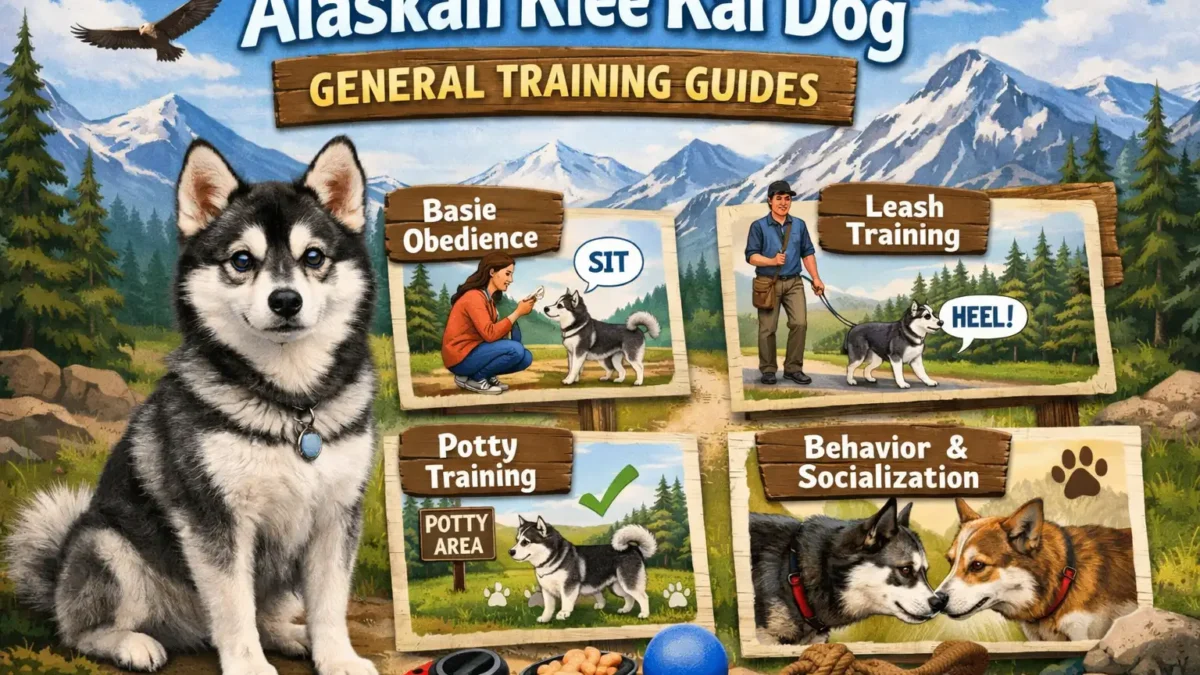
Alaskan Klee Kai Training Guide: Step-by-Step Tips for Puppies and Adults
The Alaskan Klee Kai is a small, intelligent, and energetic dog that looks like a miniature Husky. Despite their small size, they have big personalities and can be quite alert, sensitive, and sometimes stubborn. Training your Alaskan Klee Kai from an early age is essential to ensure they grow into a well-behaved, confident, and happy companion.
This guide will provide step-by-step advice for both puppies and adult dogs, covering everything from basic obedience to common behavior challenges. Whether you live in a busy apartment, a suburban home, or have multiple pets, these tips are designed to be practical and easy to follow.
Training your Klee Kai not only improves their behavior but also strengthens your bond, helps prevent safety issues, and makes everyday life with your dog more enjoyable. By understanding their unique traits and applying consistent, positive methods, you can shape a dog who listens, socializes well, and thrives in your home.
Why Training Your Alaskan Klee Kai Matters
Training your Alaskan Klee Kai is very important because it helps your dog stay safe, behave well, and enjoy life with you. These dogs are smart and energetic, but without training, they can develop problems like excessive barking, jumping, or stubbornness.
Good training also helps your dog:
- Listen to commands
- Get along with other pets
- Feel confident in new places
- Stay safe outdoors
Here is a quick table showing why training matters:
| Training Focus | Why It Matters | Quick Tip |
|---|---|---|
| Barking | Prevents disturbance and stress | Reward quiet moments with praise or treats |
| Recall | Keeps your dog safe outside | Start in a quiet area with high-value rewards |
| Leash Walking | Makes walks enjoyable and controlled | Stop walking when the dog pulls, go when calm |
| Socialization | Reduces fear and anxiety | Gradually introduce to people, dogs, and new environments |
By focusing on these key areas, your Klee Kai will learn good habits faster, feel more confident, and enjoy daily life with you.
Understanding Alaskan Klee Kai Behavior
Alaskan Klee Kai dogs are small but smart and alert. They notice everything around them and can be very sensitive to their environment. Understanding their behavior makes training much easier.
Here are some important traits to know:
| Trait | How It Shows | Training Consideration |
|---|---|---|
| Intelligent | Learns quickly, remembers commands | Keep sessions short but frequent to maintain focus |
| Alert | Watches new people and sounds | Gradually introduce new experiences to prevent fear |
| Sensitive | Can get anxious with loud noises or rough handling | Use calm, positive reinforcement methods |
| Stubborn | Sometimes ignores commands | Use high-value treats and consistent rewards |
| Energetic | Needs daily activity | Include physical and mental exercise in training |
Alaskan Klee Kai puppies have short attention spans and need lots of socialization. Adult Klee Kai dogs may have habits already formed, so patience and consistency are important.
By knowing these traits, you can adjust your training to your dog’s personality and environment. This makes learning faster and reduces stress for both you and your dog.
Step-by-Step Training Methods for Alaskan Klee Kai
Training your Alaskan Klee Kai works best when you use short, regular sessions with positive reinforcement. Puppies learn faster with short sessions, while adult dogs benefit from consistent practice. Here are the key steps:
Daily Training Tips
- Keep sessions 5–10 minutes for puppies, 10–15 minutes for adults.
- Train 2–3 times a day in quiet areas at first.
- Use high-value treats or praise immediately when your dog performs correctly.
- Be patient: some commands take time, especially with stubborn or sensitive dogs.
Here is a command checklist table for core training:
| Command | Steps | Reward | Expected Outcome |
|---|---|---|---|
| Sit | Hold treat above nose, move back | Treat/praise | Dog sits on cue |
| Stay | Ask dog to sit, show palm, step back slowly | Treat/praise | Dog stays until released |
| Come | Call dog’s name + “come” | Treat/praise | Dog comes quickly |
| Leash Walk | Stop walking if dog pulls, continue when loose | Treat/praise | Calm walking on leash |
| Leave It | Present object, say “leave it,” reward when ignored | Treat/praise | Dog ignores forbidden items |
Here is a daily training schedule table for puppies vs adults:
| Time of Day | Focus | Duration | Notes |
|---|---|---|---|
| Morning | Recall + basic commands | 5–10 min (puppy) / 10–15 min (adult) | Quiet area, low distractions |
| Afternoon | Leash walking + potty training | 5–10 min / 10–15 min | Include short walks for energy release |
| Evening | Socialization + play | 5–10 min / 10–15 min | Introduce new people, objects, or gentle handling |
Using this approach helps your Klee Kai learn quickly, stay engaged, and reduces unwanted behaviors. Always keep training positive, consistent, and fun.
Common Problems and When to Seek Professional Help
Even with consistent training, Alaskan Klee Kai dogs can face some common challenges. Knowing how to handle them early makes training easier and prevents bad habits from forming.
Common Issues
- Excessive barking – Often caused by excitement, alertness, or boredom.
- Leash pulling – Small but strong, Klee Kai can pull hard if excited.
- Jumping on people – Can be due to greeting excitement or attention-seeking.
- Separation anxiety – Can become destructive or anxious when left alone.
- Stubborn behavior – Sometimes ignores commands, especially in adult dogs.
Here is a do/don’t troubleshooting table to help manage these problems:
| Problem | Do | Don’t | When to Seek Help |
|---|---|---|---|
| Excessive barking | Reward quiet behavior, give distraction toys | Yell or punish | If barking causes severe anxiety or aggression |
| Leash pulling | Stop walking until leash is loose, use treats for calm walking | Drag or yank | If dog is uncontrollable outdoors |
| Jumping on people | Turn away and ignore, reward calm greeting | Push or hit | If jumping leads to bites or injury |
| Separation anxiety | Gradually increase alone time, leave toys | Leave suddenly or punish | If destructive behavior persists or dog becomes distressed |
| Stubbornness | Use high-value treats, keep commands consistent | Force or scold | If dog refuses commands consistently despite training |
Some behaviors may need professional help. Contact a certified dog trainer, behaviorist, or veterinarian if your dog shows aggression, severe anxiety, or behaviors that are unsafe for themselves or others. Early intervention saves stress for both you and your dog.
For more in-depth information on Alaskan Klee Kai breed traits and care tips, you can visit the American Kennel Club’s official Alaskan Klee Kai page: https://www.akc.org/dog-breeds/alaskan-klee-kai/