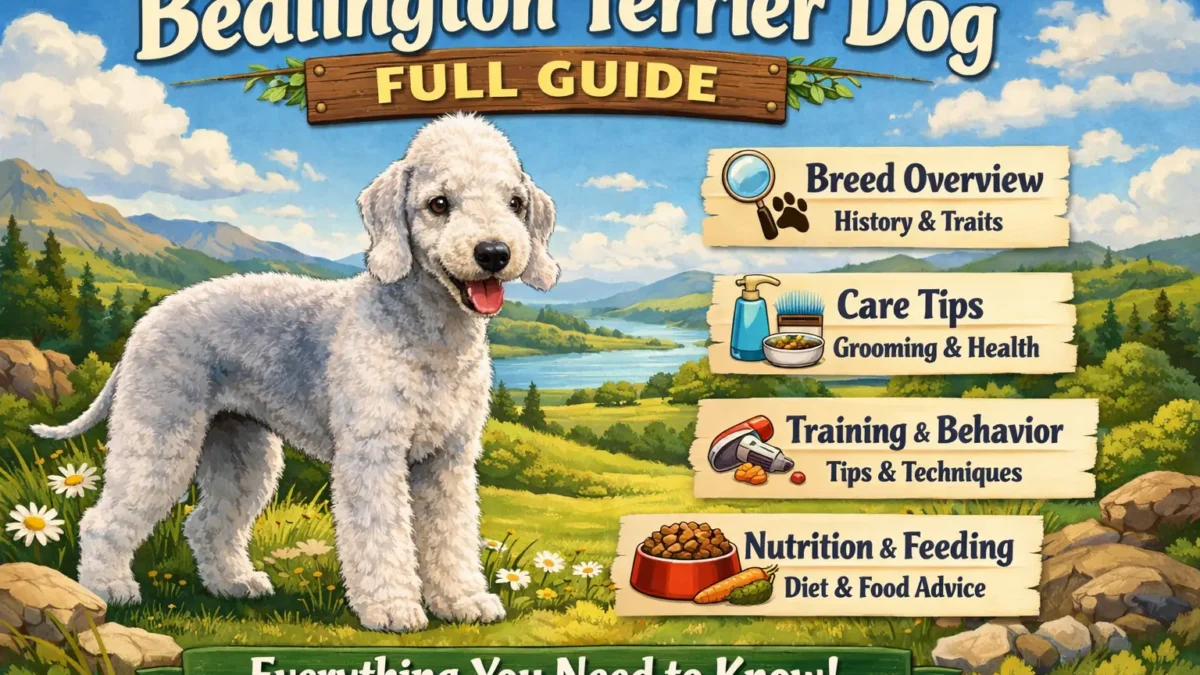
The Ultimate Bedlington Terrier Dog Guide: Care, Grooming, Health, and Costs
The Bedlington Terrier is a unique and charming breed, instantly recognizable due to its distinctive “lamb-like” appearance. With a combination of energy, intelligence, and a gentle demeanor, this breed is a beloved companion for many families. Originally bred in the coal mining areas of Northern England, the Bedlington Terrier was primarily used for hunting small game like rats, but over time, it has evolved into a fantastic family pet.
Why Choose a Bedlington Terrier?
If you’re considering adding a Bedlington Terrier to your family, you’re in for a rewarding experience. Known for their affectionate nature, Bedlington Terriers are particularly well-suited for families with children and other pets. They are adaptable and can thrive in various living environments, from apartments to houses with large yards, as long as they get the proper exercise and mental stimulation.
However, while they make great companions, Bedlington Terriers do have specific needs that potential owners should understand before bringing one home. Their grooming requirements, exercise needs, and occasional health issues should be carefully considered.
Are Bedlington Terriers Good Family Dogs?
Yes, Bedlington Terriers are great family dogs. They are known for their loyalty and love for being around people, including children. They tend to be playful, affectionate, and often seek out human companionship. Their gentle and non-aggressive temperament makes them suitable for households with children, although, like any dog, early socialization and proper training are essential to ensure good behavior around younger members of the family.
However, their strong prey drive, a trait inherited from their hunting history, means they may not always be the best match for households with small pets like rabbits or hamsters. It’s also worth noting that while they are generally friendly, they can be a bit independent and may require consistent training to help them understand boundaries and expectations.
Bedlington Terrier Grooming and Coat Care
The Bedlington Terrier is known for its distinctive curly coat, which is often compared to that of a lamb. This unique fur requires regular grooming to keep it looking its best. In this we’ll cover the basics of grooming your Bedlington Terrier, how to take care of its coat, and the tools you’ll need to maintain it.
Grooming Needs of a Bedlington TerrierThe Bedlington Terrier has a unique coat that is soft and curly, but it does not shed much, making it a popular choice for people with allergies. However, this coat requires regular grooming to keep it healthy and free from mats. It is important to brush your Bedlington Terrier at least two to three times a week to prevent tangles. Regular trimming is also needed to maintain the breed’s signature look.
Bedlington Terrier Coat Characteristics
The Bedlington Terrier’s coat is hypoallergenic, meaning it produces less dander, which makes it a good option for people with mild allergies. The fur is soft and dense, with curls that give it a unique, wool-like texture. To keep the coat from becoming matted, regular brushing is essential.
Grooming Tips: Brushing, Trimming, and Bathing Essentials
- Brushing: Brush your Bedlington Terrier’s coat two to three times a week to prevent mats and tangles. Use a pin brush or comb to gently detangle the curls without hurting the skin.
- Trimming: The coat needs to be trimmed every 6-8 weeks to maintain the breed’s signature lamb-like look. A professional groomer is recommended for the trimming process, especially if you’re new to grooming.
- Bathing: You don’t need to bathe your Bedlington Terrier often, but when you do, make sure to use a gentle dog shampoo that won’t strip the natural oils from their coat.
Grooming Schedule Table
| Grooming Task | Frequency | Notes |
|---|---|---|
| Brushing | 2-3 times a week | Prevents tangles and mats |
| Trimming | Every 6-8 weeks | Professional groomer recommended |
| Bathing | Every 6-8 weeks | Use mild dog shampoo |
| Ear Cleaning | Weekly | Check for dirt or wax buildup |
This grooming schedule will help you keep your Bedlington Terrier looking and feeling great. By following these steps, you can ensure their coat stays healthy and shiny, and that your dog stays comfortable.
Bedlington Terrier Health and Care Needs
The Bedlington Terrier is generally a healthy breed, but like all dogs, it’s important to take care of their health and watch for common issues. Regular vet checkups, a healthy diet, and staying active can help your Bedlington live a long, happy life. In this we’ll go over what you need to know about keeping your Bedlington Terrier healthy.
Common Health Problems
Though Bedlington Terriers are typically healthy, they are prone to certain genetic health problems. One of the most common issues in the breed is copper toxicosis, a condition where too much copper builds up in the liver, leading to liver damage. Regular vet checkups are important to catch this early.
Another health concern is hip dysplasia, which affects the joints and can cause pain or lameness. Bedlington Terriers are also at risk for eye problems, including cataracts and retinal issues.
Routine Vet Care
Just like any dog, Bedlington Terriers need regular vet visits. Puppies should start their first vaccinations and checkups around 8 weeks old. After that, they should have a checkup at least once a year. For older dogs, more frequent visits may be necessary to monitor their health as they age.
During vet visits, your vet will check for any signs of illness, update vaccinations, and give you advice on keeping your dog healthy. You should also ask your vet about any breed-specific health problems, like copper toxicosis.
Nutrition and Diet for Bedlington Terriers
Feeding your Bedlington Terrier the right food is key to keeping them healthy. They need high-quality dog food with a balance of protein, fats, and carbohydrates. Look for foods that are specifically made for small to medium-sized dogs to make sure they get the right nutrients.
- Puppy Diet: Puppies need more protein for growth, so choose food that’s rich in high-quality meat, such as chicken or lamb.
- Adult Diet: Once your Bedlington reaches adulthood, they’ll need food that supports their energy levels without overfeeding. A balanced diet with fewer calories is important for maintaining their weight.
- Senior Diet: Older Bedlington Terriers may benefit from food that supports joint health and is lower in calories.
Health Screening Table
| Health Issue | Symptoms | Frequency of Screening |
|---|---|---|
| Copper Toxicosis | Loss of appetite, vomiting, fatigue | Regular liver checkups (blood test) |
| Hip Dysplasia | Lameness, trouble standing up | Yearly vet checkup (X-rays if needed) |
| Eye Problems | Cloudy eyes, vision loss | Annual eye checkups |
| General Health Monitoring | Routine checkups | Annual vet visits |
Regular vet visits and a healthy diet can help you manage these health concerns. Keeping an eye out for early signs of any problems will help ensure that your Bedlington stays healthy.
Training and Behavioral Insights
Training your Bedlington Terrier is a rewarding experience, but it does require patience and consistency. This breed is smart, but they can also be a bit independent at times. In this we’ll go over their temperament, how to train them, and how to manage any behavioral challenges.
Bedlington Terrier Temperament and Training Tips
The Bedlington Terrier is known for being affectionate and playful. They love spending time with their families and are often very loyal. However, they can also be a little stubborn and independent, which means training may take time.
To train your Bedlington Terrier, it’s important to use positive reinforcement. This means rewarding them with treats, praise, or toys when they follow commands. Bedlington Terriers respond well to training that is fun and rewarding, so keep the sessions short and exciting.
How to Manage Behavioral Issues
Bedlington Terriers are usually good-natured, but like any dog, they can develop bad habits if not properly trained. Here are a few common behavioral issues you might face and how to manage them:
- Digging: This breed may dig, especially if they’re bored or anxious. Make sure your Bedlington gets plenty of exercise and mental stimulation to avoid this behavior.
- Barking: Bedlington Terriers can be vocal, especially if they feel threatened or bored. Training them to stop barking on command is important.
- Separation Anxiety: Some Bedlington Terriers may become anxious when left alone. Gradually get them used to being alone by starting with short periods and rewarding calm behavior.
Exercise Needs and Ideal Activities
Bedlington Terriers are active dogs that need both physical and mental exercise. They enjoy walks, playtime, and even some agility training. Here are a few ways to keep your Bedlington Terrier active:
- Daily walks: At least 30-45 minutes of walking is good for your Bedlington.
- Interactive play: Games like fetch or tug-of-war can keep them mentally stimulated.
- Agility training: Bedlington Terriers enjoy challenges, so setting up a simple obstacle course at home can be fun and rewarding.
Exercise Needs Table
| Activity | Frequency | Duration | Notes |
|---|---|---|---|
| Daily Walks | Every day | 30-45 minutes | Good for physical health |
| Interactive Play | 3-4 times a week | 15-20 minutes | Mental stimulation (fetch, tug-of-war) |
| Agility Training | 1-2 times a week | 20-30 minutes | Fun, mentally challenging |
Providing enough exercise is key to preventing behavioral problems and keeping your Bedlington happy and healthy. Regular physical activity will help reduce anxiety and boredom.
Cost of Owning a Bedlington Terrier
Before bringing a Bedlington Terrier into your home, it’s important to understand the costs involved. From the initial expenses to the ongoing costs of food, grooming, and vet care, there are several things to consider. In this we’ll break down the costs of owning a Bedlington Terrier so you can budget properly.
Initial Costs
When you first get a Bedlington Terrier, there are a few one-time expenses that you should be prepared for. The puppy price can vary depending on where you buy or adopt your dog, but generally, you can expect to pay between $800 to $1,500. If you adopt from a rescue organization, the cost may be lower, but there may be an adoption fee involved.
Additionally, you’ll need to buy supplies for your new dog. These items include a crate, dog bed, bowls, leash, and toys. Expect to spend about $100 to $200 on these essential supplies.
Ongoing Costs
Once you have your Bedlington Terrier, there are several recurring expenses. Here’s a breakdown of what you can expect to pay each month and year:
- Food: High-quality dog food can cost between $40 to $60 per month, depending on the brand and your dog’s size. Be sure to choose food that meets their nutritional needs, whether they are a puppy, adult, or senior dog.
- Vet Care: Routine vet visits for vaccinations, flea and tick prevention, and general checkups are typically $200 to $300 per year. You may also need to budget for emergency vet visits or treatments for any health conditions.
- Grooming: Regular grooming is essential for Bedlington Terriers. Professional grooming can cost around $50 to $100 per session, which is generally needed every 6 to 8 weeks. You may also want to budget for basic grooming supplies like brushes and nail clippers if you do some grooming yourself.
There are a few additional costs that can pop up when owning a Bedlington Terrier. These may include:
- Health Emergencies: Unexpected vet visits for illness or injury can cost anywhere from $100 to $1,000, depending on the severity.
- Insurance: Dog insurance can help cover medical expenses, and premiums typically range from $30 to $60 per month depending on the plan and your dog’s health.
- Training: If you choose to take your Bedlington to professional obedience classes or need private sessions, you can expect to pay between $100 and $500 for training programs.
Cost Breakdown Table
| Expense Type | Estimated Cost | Notes |
|---|---|---|
| Puppy Price | $800 – $1,500 | Varies by breeder or adoption |
| Initial Supplies | $100 – $200 | Includes crate, bed, bowls, etc. |
| Monthly Food | $40 – $60 | Quality dog food |
| Annual Vet Care | $200 – $300 | Routine checkups, vaccines |
| Professional Grooming | $50 – $100 per session | Every 6-8 weeks |
| Dog Insurance | $30 – $60 per month | Helps with medical costs |
| Emergency Vet Visits | $100 – $1,000+ | For unexpected health issues |
By understanding these costs, you’ll be better prepared for the financial commitment of owning a Bedlington Terrier. Be sure to budget for both the regular and unexpected expenses that come with being a responsible dog owner.
“To learn more about dog breeds and their care, visit the American Kennel Club’s comprehensive guide on dog breeds here.”