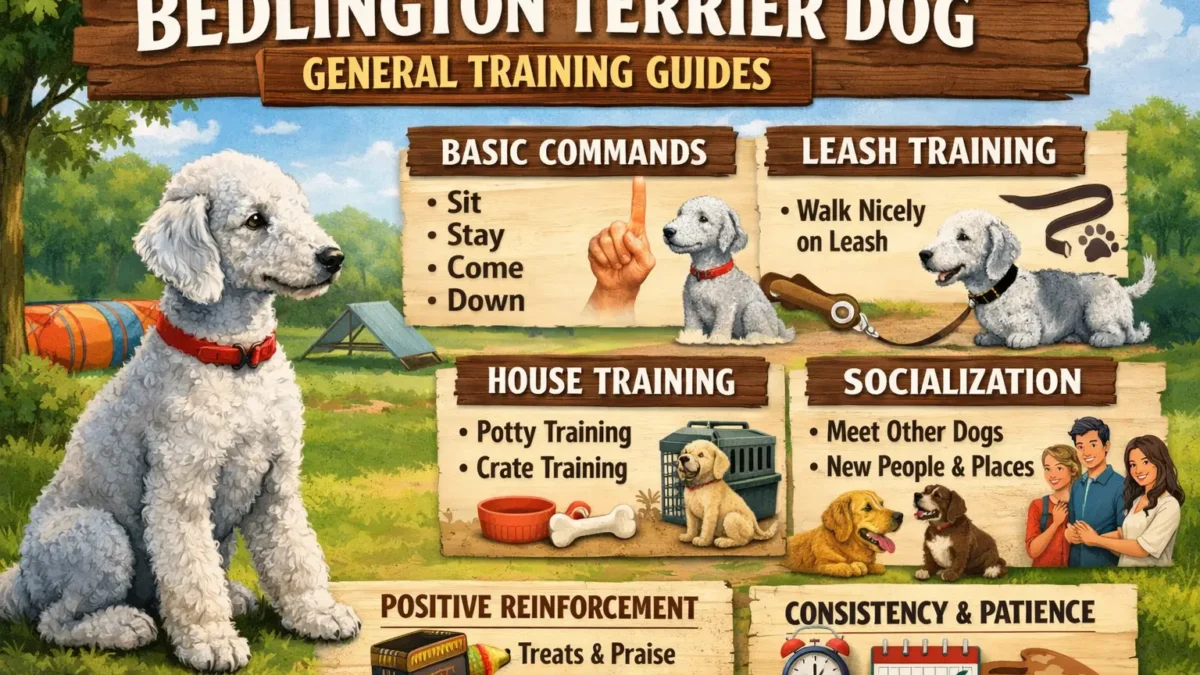
The Ultimate Bedlington Terrier Training Guide: Tips for Success
Training a Bedlington Terrier is a rewarding experience, but it requires patience, consistency, and an understanding of the breed’s unique traits. Known for their distinctive lamb-like appearance, Bedlington Terriers are intelligent, energetic, and can sometimes be a little independent in nature. Their charming personalities make them wonderful companions, but they can also present training challenges if their needs aren’t fully understood.
This guide will help you navigate the process of training your Bedlington Terrier, from puppyhood to adulthood. Whether you’re starting with a new puppy or working with an older dog, this article will provide you with the essential tools to train your Bedlington effectively, using positive reinforcement techniques that encourage good behavior while strengthening your bond.
We’ll explore the key areas of training that Bedlington Terriers require, including obedience basics, leash training, house training, and more. By the end of this guide, you’ll be well-equipped to train your Bedlington Terrier in a way that promotes a happy, well-behaved dog while honoring their unique qualities.
Understanding the Bedlington Terrier’s Behavior
Before you start training your Bedlington Terrier, it’s important to understand their behavior and how their unique traits affect training. Bedlington Terriers are known for their lively personalities and energetic nature. They are very intelligent, but also independent and can sometimes be a bit stubborn. This means training requires patience and a good understanding of their needs.
Bedlington Terriers are also very playful and enjoy being active, so they require plenty of exercise. This high energy can be both an advantage and a challenge. While they are quick learners, their independent streak can make it difficult to get their full attention at times. It’s important to keep training sessions fun and engaging to prevent them from losing interest.
Another key point is their strong prey drive. Bedlington Terriers were originally bred for hunting, so they may be inclined to chase small animals. This can affect how you approach training, especially when teaching commands like “come” or working on leash training. You’ll need to focus on reinforcing recall and building their trust to help manage this instinct.
Socialization is also a big part of their training. Bedlington Terriers need to be exposed to different people, dogs, and environments early on. Socializing them helps them feel more comfortable in new situations and reduces the chances of fearful behavior or aggression later in life.
Key Traits to Remember:
- Intelligent and Energetic: They learn quickly but need mental and physical stimulation to stay engaged.
- Independent: They can be stubborn, so patience and consistency are key.
- High Prey Drive: Training for recall and focus is essential.
- Needs Socialization: Exposure to new people, dogs, and environments helps prevent fear and aggression.
Understanding these traits will help you set realistic training goals and avoid frustration. Knowing your dog’s personality is the first step to successful training.
Step-by-Step Training Method for Bedlington Terriers
Training your Bedlington Terrier doesn’t have to be hard, but it does require consistency and patience. The best way to train a Bedlington is to break down each task into small steps. Here’s how to approach training for the most common skills your Bedlington Terrier will need.
Basic Obedience Training
Start with the basics: teaching your Bedlington to listen to commands like “sit,” “stay,” and “come.” These are the foundation for all future training. Here’s a simple way to do it:
- Sit: Hold a treat in front of their nose and slowly move your hand up. This will make their bottom lower to the ground. Once they sit, say “sit” and give them the treat. Repeat this 5-10 times a day.
- Stay: Once your dog knows “sit,” teach them to stay. Ask them to sit, then hold your hand up like a stop sign. Take a step back. If they stay, reward them. Gradually increase the distance and time.
- Come: Use a treat or favorite toy to encourage them to come toward you. Say “come” as they approach, and reward them with a treat. Practice this in different areas to help them respond to your call, even with distractions.
Leash Training
Leash training is important for walks. Since Bedlington Terriers are curious and energetic, they may try to pull on the leash. Here’s how to teach them to walk nicely:
- Use a harness instead of a collar to avoid neck strain.
- Hold the leash in one hand, keeping it loose.
- When they pull, stop walking. Wait until they come back to your side before moving forward.
- Reward them with treats and praise when they walk calmly by your side.
House Training & Crate Training
House training your Bedlington is all about consistency. Set up a routine and take your dog outside after eating, drinking, or sleeping. When they go to the bathroom outside, praise them immediately. If they have an accident indoors, don’t punish them. Simply clean it up and take them outside more often.
Crate training can also help with house training and give your dog a safe space. Make the crate a positive place by feeding your dog inside it and using it for short periods while you’re home. Gradually increase the time they spend in the crate.
Positive Reinforcement
Bedlington Terriers respond best to positive reinforcement. This means using treats, praise, or playtime to reward them for good behavior. Timing is key, so always reward them right after they do something right. This helps them connect the action with the reward.
Training Sessions at a Glance
| Training Activity | Session Duration | Frequency | Notes |
|---|---|---|---|
| Basic Commands (Sit, Stay) | 10–15 minutes | 2–3 times/day | Keep sessions short to avoid boredom |
| Leash Training | 15–20 minutes | 2–3 times/week | Include walks to practice real-life scenarios |
| Crate Training | 5–10 minutes | 2–3 times/day | Gradually increase crate time |
Troubleshooting Common Bedlington Terrier Training Issues
Training your Bedlington Terrier can be smooth, but sometimes challenges pop up. Don’t worry! It’s normal to face issues like stubbornness or anxiety. Here’s how to solve some of the most common problems when training your Bedlington.
Stubbornness
Bedlington Terriers are independent, and sometimes they may not listen right away. If your dog is stubborn, here are a few tips to help:
- Be patient and consistent: Keep using the same commands and praise for correct behavior. It may take a little longer, but they will catch on.
- Use high-value treats: Bedlington Terriers respond well to food rewards, so make sure the treats are something they really love. This will keep them motivated.
- Keep training sessions short and fun: Don’t overdo it. Short, fun sessions (about 10-15 minutes) work better than long ones.
Separation Anxiety
Some Bedlington Terriers can get anxious when left alone. This is common, especially if they’re not used to being by themselves. Here’s what you can do:
- Gradual desensitization: Start by leaving your dog alone for short periods and slowly increase the time they spend alone. This will help them get used to it.
- Create a safe space: Crate training can be useful. Make their crate a cozy place, so they feel safe when left alone.
- Don’t make a big deal out of leaving or coming home: When you leave or return, keep things low-key to avoid causing anxiety.
High Prey Drive
Bedlington Terriers have a strong instinct to chase small animals. This can make it harder to train them to focus on you during walks or when off-leash. To manage this:
- Teach a solid recall: Practice calling your dog to come back to you with treats, especially in a distraction-free space first. Once they respond well, start adding distractions.
- Use a long leash: When training off-leash, a long leash gives you control, so your dog can’t run off and chase something.
- Reward good behavior: Every time your Bedlington focuses on you instead of chasing something, reward them with a treat or praise.
Behavioral Issues & Fixes
| Common Issue | Possible Causes | Solutions |
|---|---|---|
| Stubbornness | Independent nature, lack of motivation | Use high-value rewards, be consistent, stay patient |
| Separation Anxiety | Lack of crate training, sudden changes | Gradual desensitization, crate training with positive reinforcement |
| High Prey Drive | Strong chasing instinct | Train recall with distractions, use long leash for practice |
When to Seek Professional Help
Sometimes, despite your best efforts, training your Bedlington Terrier can feel like a challenge you can’t handle on your own. When this happens, it may be time to seek help from a professional dog trainer. Here are some signs that it might be time to bring in an expert:
Training Isn’t Progressing
If you’ve been working with your dog for several weeks and they still aren’t responding to basic commands like “sit” or “stay,” it may be time to get help. A professional trainer can identify what’s going wrong and guide you through more advanced training techniques.
Behavioral Issues Are Getting Worse
If your dog’s behavior is becoming more difficult to manage, such as showing signs of aggression, constant barking, or extreme fear, a professional trainer or behavior consultant can help. Bedlington Terriers are sensitive dogs, so it’s important to address these issues early to avoid them getting worse.
You’re Feeling Frustrated
Training should be an enjoyable experience for both you and your dog. If you’re feeling overwhelmed, frustrated, or unsure of what to do next, getting a professional to guide you can relieve some of the stress. They can give you the right tools and techniques to work through challenges with your dog.
When to Call a Veterinarian or Behaviorist
In some cases, behavior problems like excessive anxiety or aggression might be linked to health issues. If your Bedlington Terrier’s behavior doesn’t improve with training, it’s a good idea to consult with a veterinarian or animal behaviorist to rule out any underlying medical conditions.
Training Timelines and Expectations
| Training Phase | Expected Progress | When to Seek Help |
|---|---|---|
| Basic Obedience (Sit, Stay) | 2–4 weeks for consistency | If the dog consistently refuses to respond after 6 weeks |
| Leash Training | 2–3 weeks for leash walking | If pulling worsens or the dog shows extreme anxiety |
| Advanced Recall & Focus | 4–6 weeks for distractions | If recall remains inconsistent even with high-value rewards |
If you notice any of these signs and feel like you’re stuck, don’t hesitate to reach out to a professional. They can help you get back on track and provide the support you need to train your Bedlington Terrier effectively.
Conclusion: Success in Training Your Bedlington Terrier
Training your Bedlington Terrier may take time and patience, but it’s an incredibly rewarding process. By understanding your dog’s unique traits and using consistent, positive training methods, you can create a strong bond and ensure they become a well-behaved companion.
Remember, Bedlington Terriers are intelligent, energetic, and sometimes independent. This means training needs to be fun and engaging. Use positive reinforcement techniques like treats and praise to keep them motivated, and don’t forget to be patient. Consistency is key!
By following the steps we’ve outlined in this guide, from basic obedience training to troubleshooting common issues, you’ll be on the path to success. If you ever run into problems or feel stuck, don’t hesitate to seek professional help — there’s no shame in asking for a little extra support.
We hope this guide helps you navigate the training process and brings you closer to your Bedlington Terrier. With the right approach, training can be an enjoyable experience for both you and your dog.
Now, go ahead and start your training journey, and enjoy seeing your Bedlington grow into a well-behaved and happy companion!
For more expert advice on dog training, check out this helpful resource on positive reinforcement techniques from the American Kennel Club: American Kennel Club – Positive Reinforcement Training