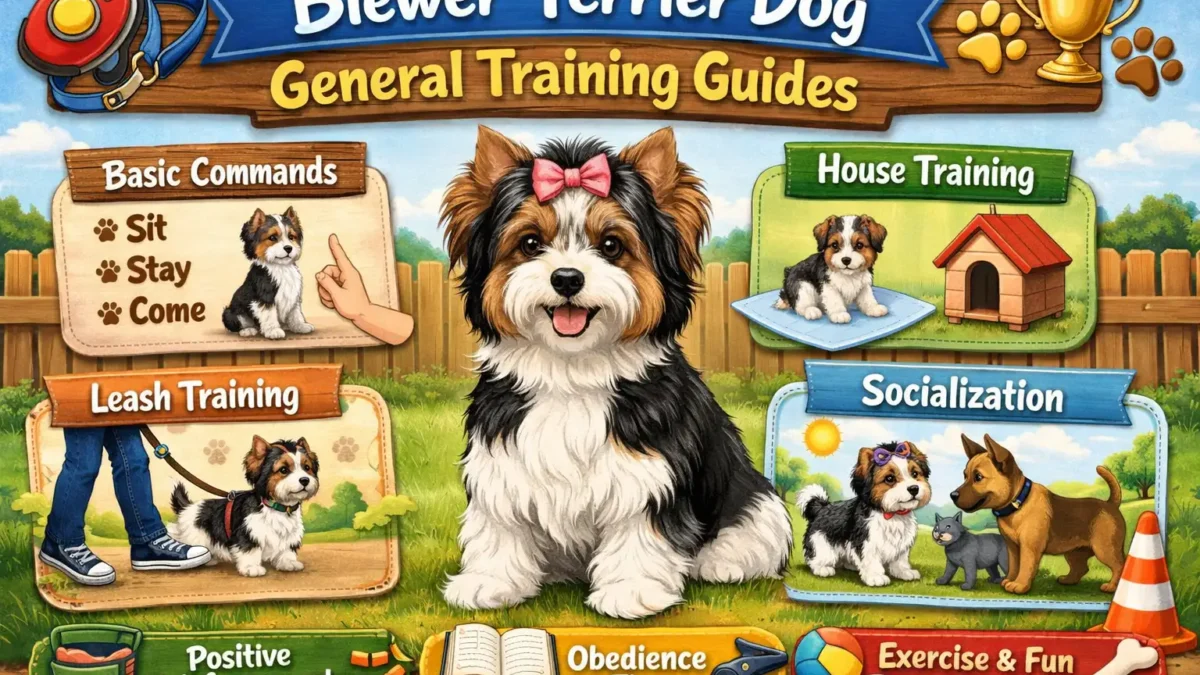
Biewer Terrier Training Guide: Easy, Effective Methods for Puppies and Adults
Training a Biewer Terrier is not about strict rules or force. It is about building good habits, clear communication, and trust. This guide is made to help you train your Biewer Terrier in a calm, kind, and effective way, whether you have a puppy or an adult dog.
Biewer Terriers are small, smart, and people-focused. They enjoy learning but can shut down if training feels confusing or harsh. That is why a breed-specific approach matters. What works for larger or more independent dogs does not always work well for this breed.
This article will walk you through:
- how Biewer Terriers learn
- what training methods work best for them
- how to handle common training problems
- what realistic progress looks like
The goal is simple. By the end of this guide, you should feel confident about training your Biewer Terrier in a way that fits your daily life and supports your dog’s emotional well-being.
Is the Biewer Terrier Easy to Train?
Yes, most Biewer Terriers are easy to train, but only when the training style matches their personality. They are smart and enjoy being close to their owners. At the same time, they can be sensitive and easily distracted.
This means training success depends more on how you train, not how strict you are.
Here is what most owners should expect:
- Biewer Terriers learn quickly with rewards
- They respond best to calm voices and gentle guidance
- They may ignore commands if training feels boring or confusing
- Harsh correction can slow learning and damage trust
They are not stubborn by nature. Most training issues happen because sessions are too long, rewards are unclear, or rules change often.
Biewer Terrier Training Traits
| Trait | What It Means for Training |
|---|---|
| Intelligence | Learns commands fast with repetition |
| Sensitivity | Responds best to calm, positive training |
| Attention span | Short; needs brief training sessions |
| Motivation | Food, praise, and play work well |
| Common challenge | Barking, distraction, over-attachment |
Compared to many small breeds, Biewer Terriers are eager to please. They usually want to do the right thing but need clear direction and patience.
If training feels slow, it does not mean your dog is “bad at learning.” It usually means the method needs adjustment.
Understanding Biewer Terrier Behavior Before Training
Before you start teaching commands, it helps to understand how a Biewer Terrier thinks and feels. Training works better when you match your approach to your dog’s behavior.
Biewer Terriers are:
- very people-focused
- gentle and sensitive
- alert to sounds and movement
- quick to notice changes in routine
They learn best when they feel safe and relaxed. Loud voices, sudden moves, or pressure can make them nervous. When a Biewer Terrier feels stressed, learning slows down.
Behavior also changes with age. Puppies and adult dogs do not learn in the same way.
Puppy vs Adult Biewer Terrier Behavior
| Age Stage | Typical Behavior | What This Means for Training |
|---|---|---|
| Puppy | Curious, playful, easily distracted | Keep sessions short and fun |
| Young adult | More confident, testing limits | Be consistent with rules |
| Adult | Calmer, routine-focused | Focus on polishing skills |
| Rescue adult | May be unsure or anxious | Go slower and build trust |
Another key point is motivation. Most Biewer Terriers work best for:
- small food treats
- praise and attention
- short play breaks
They do not respond well to punishment. Instead of learning faster, they may shut down or avoid training.
When you understand your dog’s behavior first, training becomes easier, calmer, and more successful.
Best Way to Train a Biewer Terrier
The best way to train a Biewer Terrier is by using positive reinforcement. This means you reward good behavior instead of punishing mistakes. This method works well because Biewer Terriers are gentle, smart, and sensitive dogs.
Positive training helps your dog:
- understand what you want faster
- feel safe and confident
- enjoy learning instead of fearing it
Good training is not about being strict. It is about being clear and consistent.
Here are the basics that matter most:
- reward your dog right after the good behavior
- use small, tasty treats or praise
- keep your voice calm and friendly
- repeat the same rules every day
Training should happen in a quiet place at first. Fewer sounds and distractions help your dog focus. As your dog improves, you can slowly practice in busier areas.
Effective Training Methods vs What to Avoid
| What Works Well | What to Avoid |
|---|---|
| Treats and praise | Yelling or scolding |
| Short sessions | Long, tiring sessions |
| Calm voice | Angry or loud tone |
| Clear rules | Changing rules often |
| Patience | Rushing progress |
If your Biewer Terrier makes a mistake, pause and try again. Mistakes are part of learning, especially for puppies.
Training should feel like teamwork, not a test. When your dog enjoys training, progress comes faster and lasts longer.
Biewer Terrier Puppy Training Basics
Training should start as soon as your Biewer Terrier puppy comes home. Puppies learn fast in the early months, but they also get tired quickly. The goal at this stage is to build good habits, not perfection.
Keep these points in mind:
- start training early, but go slow
- use very short sessions
- reward every small success
- stay patient and calm
House training is often the biggest challenge with small dogs. Take your puppy outside often, especially after waking up, eating, or playing. Praise your puppy right away when they go in the right place.
Early training should focus on:
- learning their name
- coming when called inside the home
- gentle leash walking
- calm behavior around people
Puppy Training Focus by Age
| Puppy Age | Training Focus | What to Expect |
|---|---|---|
| 8–12 weeks | Name, potty routine, gentle handling | Very short attention span |
| 3–6 months | Sit, come, leash basics | Fast learning, easy distractions |
| 6–12 months | Better focus, rule-following | Testing limits is normal |
Do not worry if progress feels slow. Puppies learn in small steps, and setbacks are normal.
The most important thing is consistency. Doing a little training every day works better than long sessions once in a while.
Daily Biewer Terrier Training Routine
Biewer Terriers learn best with short and regular training. Long sessions can make them tired or bored. A simple daily routine helps your dog understand what is expected and keeps training stress low.
You do not need hours each day. Even a few minutes at a time can make a big difference.
General training tips:
- keep sessions short and calm
- train at the same times each day
- mix training with play and rest
- stop before your dog gets tired
Most Biewer Terriers do well with 2 to 4 short sessions per day, each lasting about 5 to 10 minutes.
Sample Daily Training Schedule
| Time of Day | What to Do | Goal |
|---|---|---|
| Morning | Potty break + simple command practice | Start the day focused |
| Afternoon | Short training with treats or play | Build learning habits |
| Evening | Calm training or leash walk | Reinforce good behavior |
Training does not always need to feel formal. You can practice commands during walks, feeding time, or play. This helps your dog learn in real-life situations.
If your dog seems distracted or tired, stop and try again later. Training works best when your Biewer Terrier is relaxed and happy.
Teaching Basic Obedience to a Biewer Terrier
Basic obedience helps your Biewer Terrier feel safe and confident. These skills also make daily life easier for both you and your dog. Start with simple commands and build slowly.
Focus on these core skills first:
- responding to their name
- sit and stay
- come when called indoors
- walking calmly on a leash
Use clear words and the same hand signals each time. Say the command once, then help your dog succeed. Reward right away when your dog does the right thing.
Helpful tips for obedience training:
- practice in a quiet place first
- keep lessons short
- reward good choices fast
- stay patient if your dog makes mistakes
Leash training is especially important for small dogs. Start indoors or in a quiet yard. Let your Biewer Terrier get used to the leash before walking outside. Praise calm walking and stop if your dog pulls.
Recall training, or coming when called, should begin indoors. Call your dog in a happy voice and reward every response. Never punish your dog for coming to you, even if it takes time.
Strong obedience skills are built over many small sessions, not in one day.
Common Biewer Terrier Training Problems and Fixes
Even well-trained Biewer Terriers can have behavior problems. This does not mean you failed. Most issues come from confusion, fear, or mixed signals from humans.
Small dogs often get different treatment than larger dogs, and this can affect training.
Here are some common problems owners face:
- barking at noises or people
- slow house training
- ignoring commands
- getting upset when left alone
The key is to fix the cause, not just the behavior.
Common Training Problems and Practical Fixes
| Problem | Likely Cause | What Actually Helps |
|---|---|---|
| Too much barking | Alert nature, boredom | Teach quiet, add mental play |
| Potty accidents | Small bladder, weak routine | More frequent potty breaks |
| Ignoring commands | Distractions, low reward | Better treats, shorter sessions |
| Separation anxiety | Over-attachment | Gradual alone-time training |
| Pulling on leash | Excitement or fear | Slow walks, reward calm steps |
Avoid yelling or punishment. These methods can make fear and confusion worse, especially in sensitive dogs like Biewer Terriers.
If a problem keeps happening, go back to basics. Shorter sessions, better rewards, and calm practice usually help more than trying harder.
Mistakes Owners Make When Training Biewer Terriers
Many training problems come from small mistakes, not bad dogs. Biewer Terriers are eager to please, but they need clear and steady guidance.
Here are common mistakes that slow progress:
- changing rules often
- training only when there is a problem
- expecting fast results
- treating small dogs like toys
Inconsistent rules can confuse your dog. For example, letting your dog jump on the couch one day but not the next makes learning harder.
Over-coddling is another issue. Carrying your dog everywhere or always stepping in can stop them from learning confidence and self-control.
Other mistakes to avoid:
- training sessions that are too long
- skipping rewards too soon
- using punishment or yelling
Good training is about steady practice. Small steps done every day work better than big efforts once in a while.
If you feel frustrated, take a break. Calm training helps both you and your dog learn better.
For easy-to-understand, science-based advice on positive reinforcement and basic dog training, see this guide from the American Kennel Club that explains how rewards help dogs learn and behave well: https://www.akc.org/expert-advice/training/operant-conditioning-positive-reinforcement-dog-training/