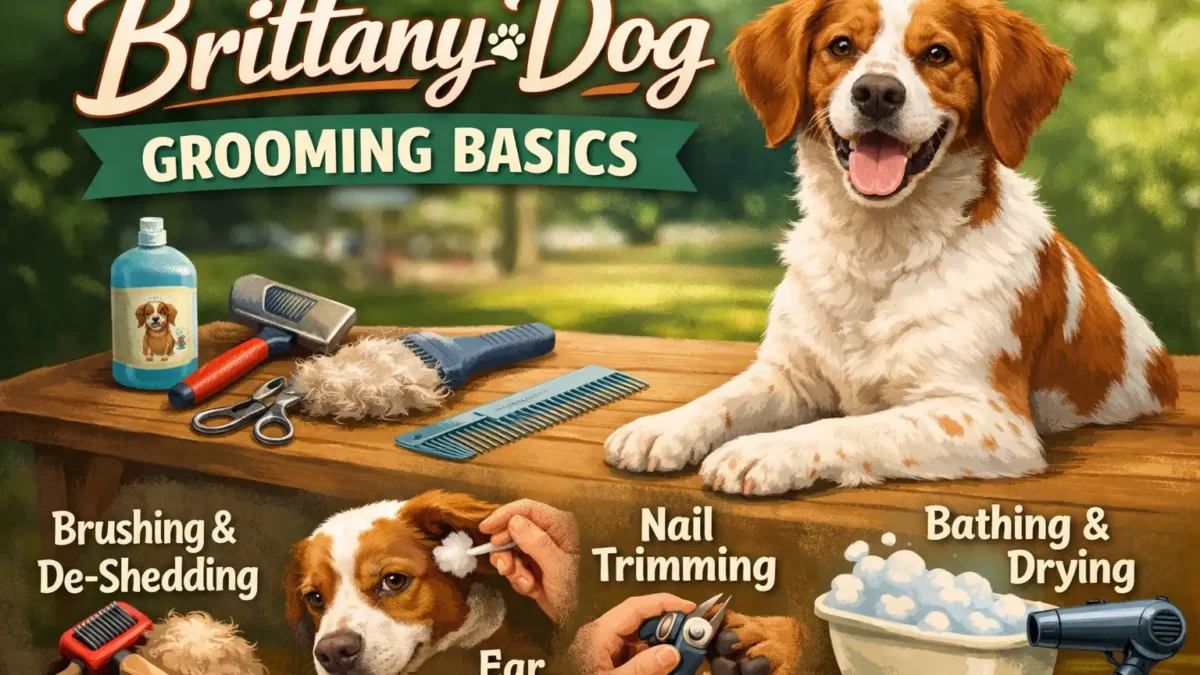
Complete Guide to Brittany Dog Grooming: Tips, Tools, and Best Practices
Grooming is an essential part of responsible dog ownership, and for Brittany dogs, it plays a critical role in maintaining their health, comfort, and well-being. While the Brittany’s coat may not require as much maintenance as some breeds with longer or more complex coats, regular grooming is still a must to keep them looking their best and feeling comfortable. In this guide, we’ll cover everything you need to know about grooming your Brittany, from understanding their coat to knowing what tools you’ll need for the job.
Brittany dogs are known for their lively personalities, boundless energy, and beautiful coat. However, keeping that coat healthy and free from mats, tangles, and debris requires consistent grooming efforts. Whether you are a first-time dog owner or a seasoned Brittany parent, understanding why grooming matters and how it impacts your dog’s health and behavior is key to building a positive grooming routine.
What this grooming guide will help you achieve for your Brittany
This guide will provide you with a comprehensive approach to grooming your Brittany dog. From brushing to bathing, nail trimming to ear cleaning, we will cover the essential tasks that keep your Brittany’s coat healthy and shiny. By the end of this guide, you’ll feel confident in your grooming routine and understand how to tailor it to your dog’s specific needs, whether they’re a playful puppy, an adult dog, or a senior companion.
Why grooming is essential for Brittany Dogs’ health, comfort, and behavior
Grooming is more than just a cosmetic task; it’s integral to your Brittany’s overall health. Regular grooming not only ensures that your dog looks good, but it also contributes to their physical comfort and mental well-being. Proper grooming can help prevent painful mats, reduce shedding, and improve skin health. Additionally, it’s an excellent way to monitor your dog’s body for signs of allergies, infections, or parasites like ticks and fleas.
Brittany dogs, being active and outdoor-loving, often get dirty or accumulate tangles in their coats after a day of playing or hunting. If left untreated, these tangles can develop into mats, which are uncomfortable and can even lead to skin infections. Grooming also helps manage shedding, keeping your home cleaner and your dog’s coat healthier.
Key points about the Brittany coat and its grooming needs
Brittany dogs are known for their medium-length, dense coat, which consists of feathers on their legs, chest, and belly. While they don’t have the thick double coats of some breeds, their coat still requires regular brushing to prevent matting and maintain its appearance. Their coat sheds throughout the year, but particularly during seasonal changes, which means consistent grooming is necessary to manage the shedding and reduce the spread of hair around the home.
Understanding the Brittany Coat: Types, Shedding, and Grooming Frequency
Brittany dogs are known for their beautiful, medium-length coats that need regular grooming to stay healthy. Their coat isn’t as thick as some other breeds, but it still requires attention to keep it clean and comfortable. In this section, we’ll explore the Brittany’s coat type, how often it sheds, and how frequently you should groom them based on their coat’s needs.
Characteristics of the Brittany coat and how it affects grooming
The Brittany dog has a soft, dense coat that is often described as a “wavy” or “feathered” texture, especially around the legs, chest, and belly. It is a coat that protects them from the elements, making it perfect for outdoor activities like hunting and running. However, the Brittany coat can also trap dirt and debris, especially if they’ve been outdoors, which means it requires regular cleaning and brushing to keep it looking its best.
Unlike breeds with very long or curly coats, the Brittany’s coat is easier to manage, but it does need attention to prevent tangling and matting, particularly in the feathered areas. Grooming your Brittany involves more than just brushing—it’s about ensuring their coat stays healthy, clean, and free from mats or dirt.
How often do Brittanys shed and why coat type matters
Like most dogs, Brittanys shed, but the amount of shedding can vary. They shed throughout the year, but shedding tends to increase in spring and fall when the weather changes. Their coat doesn’t grow as quickly as that of some other breeds, but it still requires regular brushing to manage the hair they shed.
Since Brittanys have a medium-length coat, it’s important to brush them regularly to catch the loose hair before it falls onto your furniture or floors. Brushing also helps to reduce the amount of hair that ends up in your home, as well as preventing tangles or mats that could become painful for your dog.
Grooming frequency for Brittany Dogs based on their coat and activity level
The grooming frequency for your Brittany dog depends on how much time they spend outside, how often they shed, and the overall condition of their coat. In general, Brittanys should be brushed at least once a week to keep their coat in good condition and to remove any loose hairs. If your Brittany is especially active or spends time in muddy or dirty environments, you may need to brush them more often.
Bathing your Brittany is also necessary but should be done with care. Overbathing can dry out their skin and coat, so it’s important to only bathe them when needed. Generally, once every 6–8 weeks is a good rule of thumb unless they get particularly dirty.
If your Brittany sheds heavily during the shedding seasons (spring and fall), you may need to brush them more frequently to reduce the shedding around the house. Regular brushing also helps stimulate the skin’s natural oils, which will keep their coat shiny and healthy.
The Core Grooming Routine for Brittany Dogs
Grooming your Brittany dog is essential to keep them comfortable, clean, and healthy. A regular grooming routine will not only help maintain their beautiful coat but also ensure they stay free from dirt, mats, and tangles. In this section, we’ll go over the core steps of a grooming routine, including the tools you’ll need and the steps for bathing, brushing, and drying your Brittany.
Essential grooming tools for your Brittany Dog
Before you start grooming, it’s important to have the right tools. Having the right tools makes grooming easier and more effective. Here’s a simple guide to the most common tools you’ll need for grooming your Brittany:
Essential Grooming Tools for Brittanys
| Grooming Task | Recommended Tools | Frequency/Usage |
|---|---|---|
| Brushing | Slicker brush, pin brush, comb | Weekly or more often if needed |
| Bathing | Dog-friendly shampoo, towel, spray nozzle | Every 6–8 weeks or when dirty |
| Nail Trimming | Nail clippers or grinder | Every 3–4 weeks |
| Ear Cleaning | Cotton balls, dog ear cleaner | Weekly or when dirty |
| Teeth Brushing | Dog toothbrush, dog toothpaste | 2-3 times a week |
Having these tools handy will make each grooming session easier and more comfortable for both you and your dog.
Step-by-step guide to bathing your Brittany
Bathing your Brittany doesn’t have to be difficult if you follow the right steps. Here’s how to give your Brittany a proper bath:
- Prepare the bathing area: Make sure the water is warm but not too hot. You can use a bathtub, shower, or a special dog wash area.
- Wet your Brittany’s coat: Use a spray nozzle or a cup to gently wet their fur. Avoid getting water directly in their ears or eyes.
- Apply dog shampoo: Use a gentle, dog-specific shampoo. Lather it into their coat and massage it in to remove dirt and oil.
- Rinse thoroughly: Make sure to rinse all the shampoo out of their coat to avoid any skin irritation.
- Dry your Brittany: Gently towel dry their coat. You can also use a blow dryer on a low setting to help dry them faster, but be careful not to burn their skin with high heat.
Brushing and deshedding: Best practices and recommended tools for Brittanys
Brushing your Brittany is key to keeping their coat free from mats and tangles. The feathered parts of their coat, like the legs, chest, and belly, are especially prone to tangling, so regular brushing will help prevent mats from forming. Here’s how to brush your Brittany properly:
- Start by brushing their legs and belly: These areas tend to mat more easily, so spend a little extra time here.
- Use a slicker brush or pin brush: A slicker brush works well for removing tangles, while a pin brush is great for brushing through longer hair.
- Brush in the direction of hair growth: Always brush gently and avoid pulling too hard on any tangles.
- Deshedding: If your Brittany is shedding heavily, you can use an undercoat rake or deshedding brush to remove loose fur. This will help reduce shedding around the house.
How to avoid mats and tangles in Brittany’s coat
Mats can form quickly in areas with longer hair, like the chest, legs, and under the ears. Here are some tips to prevent mats and tangles:
- Brush regularly: Brushing at least once a week helps prevent mats from forming.
- Check for tangles: After brushing, check the areas where tangles are most likely to form, such as behind the ears and under the legs.
- Use a detangler spray: If mats have started to form, use a dog-friendly detangler spray to help loosen them up before gently working them out with your fingers or a comb.
Extra Care: Nails, Ears, Teeth, and Skin Health for Brittanys
Proper grooming isn’t just about brushing and bathing. To keep your Brittany healthy and comfortable, you’ll also need to take care of their nails, ears, teeth, and skin. These tasks are just as important as brushing, and doing them regularly will help your dog stay in top shape. In this section, we’ll go over how to care for these areas of your Brittany’s body.
Nail trimming and ear cleaning for Brittany Dogs
Nail trimming and ear cleaning are essential parts of grooming that shouldn’t be skipped. If left unchecked, long nails can cause discomfort, and dirty ears can lead to infections.
Nail Trimming and Ear Cleaning for Brittany Dogs
| Grooming Task | How to Do It | Frequency |
|---|---|---|
| Nail Trimming | Use dog nail clippers or a grinder. Trim a little at a time, avoiding the quick (pink part). | Every 3-4 weeks |
| Ear Cleaning | Use a dog-friendly ear cleaner and cotton balls to gently wipe the inside of the ears. | Weekly or when dirty |
For nail trimming, always be careful not to cut too close to the quick, which can cause bleeding. If you’re unsure, take it slow and trim a little at a time. If you’re nervous about cutting your dog’s nails, a professional groomer can always help.
For ear cleaning, it’s important to clean your Brittany’s ears regularly to avoid infections, especially if they love swimming or playing outside. Just dampen a cotton ball with the ear cleaner and gently wipe the inside of the ear. Never insert anything into the ear canal.
Dental hygiene tips to maintain a healthy smile for your Brittany
Dental care is often overlooked but is very important for your dog’s overall health. Just like people, dogs need their teeth cleaned to prevent plaque buildup, bad breath, and gum disease.
Dental Hygiene for Brittany Dogs
| Task | How to Do It | Frequency |
|---|---|---|
| Brushing Teeth | Use a dog toothbrush and toothpaste to brush your dog’s teeth. Focus on the outer surfaces. | 2-3 times per week |
| Dental Chews | Provide dental chews that help remove plaque. | As directed on the package |
Brushing your Brittany’s teeth 2-3 times a week can prevent tooth decay and gum disease. Make sure to use toothpaste made specifically for dogs—never use human toothpaste, as it can be harmful to them. You can also use dental chews to help keep their teeth clean between brushings.
How to keep Brittany’s skin and coat healthy, and spotting early issues (allergies, dry skin, etc.)
Healthy skin and a shiny coat are signs of a healthy dog. Regular grooming helps maintain the health of your Brittany’s skin and coat. If you notice changes in your dog’s skin, it could be a sign of a health issue. Watch out for red spots, itching, or dry, flaky skin, as these could indicate allergies or other conditions.
Common Skin and Coat Issues for Brittany Dogs
| Issue | What to Look For | What to Do |
|---|---|---|
| Dry Skin | Flaky patches, dandruff | Use a moisturizing shampoo, consult your vet for advice |
| Allergies | Itching, licking paws, watery eyes | Try a hypoallergenic shampoo and talk to your vet |
| Hot Spots (Infections) | Red, irritated patches of skin | Keep the area clean and dry, consult your vet for treatment |
If you notice any of these signs, consult your vet. They can help you figure out if it’s an allergy, a skin infection, or something else. In some cases, switching shampoos or using a special treatment may be necessary.
Special Considerations, Safety, and When to Seek Professional Help
Grooming your Brittany is important, but sometimes there are special situations where you might need extra help or adjustments to your routine. In this section, we’ll talk about grooming your Brittany at different life stages, how to adjust grooming during different seasons, and when it’s time to seek professional help.
Grooming puppies vs adult vs senior Brittany Dogs
Brittany puppies, adult dogs, and senior dogs all have different grooming needs. Puppies generally require less grooming than adults, but as they grow, their coat needs more attention. Senior dogs may need more frequent care due to changes in their skin, coat, and physical ability.
Grooming at Different Life Stages for Brittany Dogs
| Life Stage | Grooming Needs | Frequency/Notes |
|---|---|---|
| Puppies | Gentle brushing, short sessions | 1-2 times per week |
| Adult Dogs | Regular brushing, bath every 6-8 weeks | 1-2 times per week |
| Senior Dogs | More frequent brushing, extra care for skin | 2-3 times per week |
Puppies may not need baths as often, but they should still get used to brushing and grooming early. For senior Brittanys, you might notice that their coat doesn’t shed as efficiently, so brushing becomes even more important.
Seasonal grooming: Managing shedding during different seasons
Brittany dogs shed year-round, but shedding often increases in spring and fall when the weather changes. During these times, your Brittany might shed more fur, and you’ll need to adjust your grooming routine to keep up with the extra hair.
Seasonal Grooming Guide for Brittany Dogs
| Season | Grooming Tasks | Tips |
|---|---|---|
| Spring | Extra brushing, more frequent deshedding | Use an undercoat rake to remove loose fur |
| Summer | Regular brushing, occasional baths | Keep their coat cool and clean |
| Fall | Extra brushing, prepare for winter coat shedding | Use a pin brush for tangles |
| Winter | Regular brushing, check for mats | Keep coat clean and dry to avoid wet mats |
During the shedding seasons, make sure to brush your Brittany more often to catch loose fur and prevent mats. You can also bathe them more often if needed, but don’t overdo it, as too many baths can dry out their skin.
When to groom at home and when to seek professional groomer help
Some grooming tasks are easy to do at home, while others may require a professional groomer. Basic tasks like brushing, bathing, and nail trimming can usually be done by most dog owners. However, if your Brittany has a lot of mats, an issue with their coat that you can’t handle, or if you feel uncomfortable doing certain tasks, it might be time to visit a groomer.
When to Seek Professional Groomer Help
| Situation | Why You Should See a Groomer | What to Do |
|---|---|---|
| Severe mats or tangles | Groomers have the right tools to safely remove mats | Make an appointment with a groomer |
| Uncomfortable nail trimming | If you’re afraid of cutting too much | Ask a professional groomer for help |
| Bathing in hard-to-reach areas | If your dog has a lot of fur in areas like behind the ears | Let the groomer handle those areas |
| Skin or coat issues beyond regular grooming | For health concerns like skin infections | Consult a vet or groomer |
While home grooming is great for routine care, don’t hesitate to seek help from a professional groomer when needed. They have the experience and tools to handle difficult grooming tasks and can make sure your Brittany stays in top condition.
Common grooming mistakes to avoid and key safety tips
Grooming your Brittany doesn’t have to be stressful, but there are some common mistakes that can make grooming harder or even unsafe. Here are a few tips to keep your grooming routine smooth and safe:
Common Grooming Mistakes and Safety Tips
| Mistake | What to Avoid and Why | Safety Tip |
|---|---|---|
| Overbathing your Brittany | Can dry out their skin and coat | Bathe only when necessary |
| Cutting nails too short | Can cause bleeding or pain | Only trim a little at a time |
| Using human grooming products | Dog shampoos are different from human shampoos | Always use dog-safe products |
| Grooming too roughly | Can cause discomfort or fear | Be gentle and patient |
By avoiding these mistakes and following the right steps, grooming can be a pleasant experience for both you and your Brittany. Always remember to stay calm and take your time. If you feel unsure about any task, ask a professional for guidance.
Quick Reference, FAQs, and Final Routine Summary
In this section, we’ll provide a quick reference to help you remember the main grooming tasks for your Brittany dog. We’ll also answer some common questions that dog owners often ask about grooming and give you a final summary of your grooming routine.
Quick reference grooming routine for Brittany Dogs
Here’s a simple guide to the most important grooming tasks for your Brittany. This table will help you keep track of what needs to be done and how often.
Quick Grooming Routine for Brittany Dogs
| Grooming Task | How Often | What to Do |
|---|---|---|
| Brushing | 1-2 times per week | Use a slicker brush or pin brush to remove tangles and loose fur. |
| Bathing | Every 6-8 weeks | Use dog-friendly shampoo. Rinse well and dry your Brittany. |
| Nail Trimming | Every 3-4 weeks | Trim nails carefully, avoiding the quick. |
| Ear Cleaning | Weekly or when dirty | Gently wipe inside the ears with a cotton ball and dog ear cleaner. |
| Teeth Brushing | 2-3 times per week | Brush your Brittany’s teeth with a dog toothbrush and toothpaste. |
| Skin Check & Coat Care | Weekly | Look for dry skin, mats, or signs of allergies. Brush as needed. |
This table makes it easy to see what needs to be done for your Brittany’s grooming routine. Just follow this guide to keep your dog happy and healthy.
Short FAQ section for real owner questions
Many dog owners have similar questions about grooming. Here are some answers to common questions that might help:
Frequently Asked Questions about Brittany Dog Grooming
| Question | Answer |
|---|---|
| How often should I bathe my Brittany? | Bathe your Brittany every 6-8 weeks unless they get dirty sooner. |
| Can I use regular shampoo on my Brittany? | No, always use a dog-specific shampoo to protect their skin and coat. |
| My Brittany hates brushing—what can I do? | Try brushing slowly and gently, starting with short sessions. Reward them with treats. |
| How do I know if I’m cutting my Brittany’s nails too short? | Only trim a little at a time, avoiding the pink area (the quick). If you’re unsure, ask a groomer for help. |
| Does my Brittany need professional grooming? | If your Brittany has severe mats or if you’re unsure about any grooming tasks, it’s a good idea to see a professional. |
When to seek professional groomer or vet help
Even with a good grooming routine, there may be times when you need extra help. Here are some signs it’s time to visit a groomer or vet:
When to See a Professional Groomer or Vet
| Situation | Why You Should Seek Help |
|---|---|
| Your Brittany has mats or tangles you can’t remove | A groomer has the tools and expertise to safely remove mats. |
| You’re unsure about nail trimming | A professional groomer can trim nails safely and avoid injury. |
| Your dog shows signs of skin problems (redness, irritation) | Your vet can diagnose skin issues like allergies or infections. |
| Your Brittany doesn’t like being groomed | A groomer can help ease your dog into the grooming process with proper techniques. |
For more expert advice on dog grooming and breed-specific care, check out the American Kennel Club’s Brittany Dog Breed Information