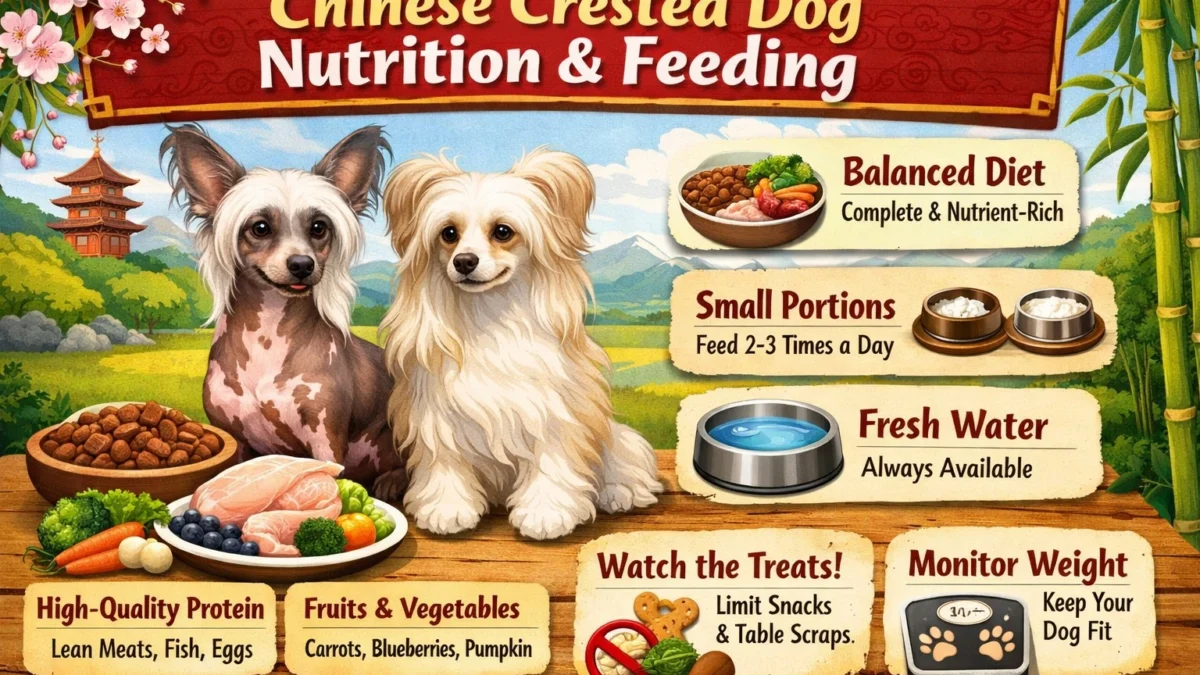
Chinese Crested Dog Food & Nutrition Guide
Chinese Crested dogs may be small in size, but their nutritional needs are anything but simple. This breed is known for its unique skin characteristics, dental challenges, fast metabolism, and sensitive digestion, all of which make diet one of the most important factors in their long-term health and comfort.
Whether you own a Hairless or Powderpuff Chinese Crested, what you put in the bowl directly affects far more than just body weight. Nutrition plays a central role in skin condition, immune strength, energy levels, dental health, and even behavior.
Why Chinese Crested Dogs Have Unique Nutritional Needs
Chinese Crested dogs differ from many other small breeds in a few critical ways:
- Hairless Chinese Cresteds rely heavily on nutrition to support skin barrier health, oil production, and protection against dryness, irritation, and infections
- Many Chinese Cresteds are prone to dental issues, including missing teeth or early tooth loss, which affects food texture tolerance
- As a toy breed, they have a small stomach but relatively high calorie needs per pound, increasing the risk of underfeeding or overfeeding
- The breed can be prone to food sensitivities, skin allergies, and digestive upset when diets are poorly formulated or changed too quickly
Because of these factors, a “one-size-fits-all” dog food approach often doesn’t work well for Chinese Crested dogs.
How Diet Impacts Skin, Teeth, Energy, and Lifespan
A well-balanced diet helps Chinese Crested dogs:
- Maintain healthy, hydrated skin with fewer flare-ups and irritation
- Support strong immune defenses, reducing chronic skin and digestive problems
- Preserve lean muscle mass without unnecessary weight gain
- Maintain steady energy levels without blood sugar crashes common in small breeds
- Slow age-related decline and support longevity
On the other hand, poor-quality diets often lead to issues owners frequently report, such as itchy skin, dull coat in Powderpuffs, bad breath, loose stools, picky eating, or unexplained weight changes.
Hairless vs Powderpuff: Does Diet Differ?
Both varieties share the same fundamental nutritional requirements, but there are practical differences:
- Hairless Chinese Cresteds often benefit from diets slightly higher in skin-supporting nutrients like omega fatty acids, zinc, and vitamin E
- Powderpuffs may tolerate a wider range of foods but still need careful portion control due to their small size
Neither variety benefits from excessive fillers, artificial additives, or low-quality protein sources.
What This Guide Will Help You Do
In the sections that follow, this guide will help you:
- Understand exactly what Chinese Crested dogs should eat
- Learn how much to feed based on weight, age, and activity level
- Choose the best type of dog food for this breed
- Avoid common feeding mistakes that lead to skin, dental, and weight problems
- Adjust the diet for puppies, seniors, picky eaters, and dogs with health concerns
The goal is simple: to help you feed your Chinese Crested in a way that supports comfort, health, and longevity, not just fullness.
What Do Chinese Crested Dogs Eat? Core Nutritional Needs Explained
Chinese Crested dogs need simple, balanced, and high-quality food. Because they are small and sensitive, even small diet mistakes can lead to skin problems, stomach upset, or weight gain. This section explains what should be in their food in clear and easy terms.
You don’t need to be a nutrition expert. You just need to know the basics and what to look for on the label.
The Three Main Nutrients Chinese Crested Dogs Need
All healthy dog foods are built around three main nutrients: protein, fat, and carbohydrates.
- Protein helps build and maintain muscles, supports the immune system, and keeps your dog strong
- Fat gives energy and is very important for skin health, especially in hairless Chinese Cresteds
- Carbohydrates provide steady energy and support digestion when they come from good sources
Chinese Crested dogs do best when these nutrients are balanced, not extreme.
Ideal Nutritional Ranges for Chinese Crested Dogs
The table below shows general healthy ranges for most adult Chinese Crested dogs. These are not exact rules, but helpful targets when choosing food.
| Nutrient | Recommended Range | Why It Matters for Chinese Crested Dogs |
|---|---|---|
| Protein | 22–30% | Supports lean muscles and overall health |
| Fat | 12–18% | Keeps skin healthy and provides energy |
| Fiber | 3–5% | Helps digestion and stool quality |
| Omega-3 & 6 | Present in balanced ratio | Reduces skin dryness and irritation |
| Calcium & Phosphorus | Balanced | Supports bones and teeth |
Puppies, seniors, and very active dogs may need small adjustments, which will be covered later in the guide.
Why Fat Is Extra Important for Chinese Crested Dogs
Hairless Chinese Cresteds do not have fur to protect their skin. Because of this, healthy fats are essential.
Good fats help:
- Reduce dry, flaky skin
- Improve skin softness and comfort
- Support brain and eye health
Look for foods that include sources like fish oil or chicken fat. Very low-fat diets often cause skin problems in this breed.
Are Grains Bad for Chinese Crested Dogs?
No. Grains are not bad for most Chinese Crested dogs.
Many dogs digest grains like rice or oats very well. Grain-free food is only helpful if your dog has a proven allergy or sensitivity.
Grain-free does NOT automatically mean:
- Healthier
- Better for skin
- Easier to digest
The quality of ingredients matters more than whether grains are included.
How to Read a Dog Food Label (Simple Version)
When checking a dog food label, focus on these points:
- The first ingredient should be a real animal protein (like chicken, turkey, or fish)
- The food should say it is complete and balanced
- Avoid foods with too many artificial colors or flavors
- Look for clear ingredient names, not vague terms
You don’t need the most expensive food. You need a clear label and balanced formula.
Why Supplements Are Not Always Needed
Many owners add supplements too quickly. This can cause problems.
If your Chinese Crested eats a complete, balanced dog food:
- Extra vitamins are usually not needed
- Too many supplements can upset digestion or unbalance nutrients
Only add supplements if your vet recommends them.
Key Takeaway From This Section
Chinese Crested dogs need:
- Good protein
- Enough healthy fat
- Simple, digestible ingredients
- Balanced nutrition, not extremes
Choosing the right food is about quality and balance, not trends.
How Much to Feed a Chinese Crested Dog and Feeding Schedule
Chinese Crested dogs are small, but they still need the right amount of food every day. Feeding too little can cause low energy and weight loss. Feeding too much can lead to obesity, which is risky for small dogs.
This section will help you understand how much to feed, how often to feed, and how to adjust portions in a simple way.
Daily Calorie Needs for Chinese Crested Dogs
Most Chinese Crested dogs weigh between 5 and 12 pounds. Their calorie needs depend on weight and activity level.
Use the table below as a starting point. These are average daily calories for healthy adult dogs.
| Dog Weight | Daily Calories (Low Activity) | Daily Calories (Active) |
|---|---|---|
| 5 lb (2.3 kg) | 160–180 kcal | 190–210 kcal |
| 7 lb (3.2 kg) | 200–220 kcal | 230–260 kcal |
| 10 lb (4.5 kg) | 260–280 kcal | 300–330 kcal |
| 12 lb (5.4 kg) | 300–330 kcal | 340–380 kcal |
Always adjust based on your dog’s body shape, not just numbers.
How Much Food Is That in Cups?
Most dry dog foods contain 350–400 calories per cup. This means Chinese Crested dogs usually eat small portions.
| Dog Weight | Approx. Dry Food per Day |
|---|---|
| 5–7 lb | ½ to ¾ cup |
| 8–10 lb | ¾ to 1 cup |
| 11–12 lb | 1 to 1¼ cups |
If you feed wet or fresh food, portion sizes will be different. Always check the food label.
Feeding Frequency by Life Stage
Chinese Crested dogs do best with regular meal times.
| Life Stage | Meals Per Day | Why It Helps |
|---|---|---|
| Puppy (up to 6 months) | 3–4 meals | Supports growth and steady energy |
| Adult | 2 meals | Helps digestion and weight control |
| Senior | 2 small meals | Easier on digestion |
Very small dogs can feel sick if they go too long without food, so skipping meals is not ideal.
How to Tell If You’re Feeding the Right Amount
A simple body check works better than a scale:
- You should feel your dog’s ribs but not see them clearly
- Your dog should have a small waist when viewed from above
- Belly should tuck up slightly from the side
If your dog gains weight:
- Reduce food by 10–15%
- Cut back on treats first
If your dog loses weight:
- Increase food slowly
- Check for health problems if weight keeps dropping
Water Intake Matters Too
Chinese Crested dogs need fresh water at all times.
Most dogs drink about:
- ½ to 1 ounce of water per pound of body weight per day
Hairless dogs may drink a bit more, especially in warm weather.
Key Takeaway From This Section
Chinese Crested dogs need:
- Small but well-measured portions
- Regular meal times
- Adjustments based on activity and body shape
Feeding the right amount helps prevent many health problems before they start.
Best Dog Food Types and Safe Foods for Chinese Crested Dogs
Chinese Crested dogs can eat many types of dog food, but not every food works well for this small and sensitive breed. The best choice depends on your dog’s teeth, skin, stomach, and your daily routine.
This section helps you understand which food types are good, which foods are safe, and what foods to avoid.
Common Dog Food Types for Chinese Crested Dogs
Each food type has good and bad sides. The table below makes it easy to compare.
| Food Type | Benefits | Possible Problems | Best For |
|---|---|---|---|
| Dry food (kibble) | Easy to store, affordable, helps clean teeth | Can be hard to chew if teeth are missing | Most healthy adult dogs |
| Wet food (canned) | Soft, tasty, easy to chew | More expensive, can cause plaque | Dogs with dental issues |
| Fresh cooked food | High quality, easy to digest | Costs more, needs fridge | Sensitive stomachs |
| Freeze-dried food | Nutrient-rich, long shelf life | Needs rehydration | Travel or picky eaters |
| Raw diet | High protein | Risk of bacteria, hard to balance | Only with vet guidance |
| Homemade food | Full control of ingredients | Easy to unbalance nutrients | Only with nutritionist plan |
For many Chinese Crested dogs, a mix of dry and wet food works very well.
Best Food Texture for Small Mouths and Dental Problems
Many Chinese Crested dogs have:
- Small mouths
- Missing teeth
- Sensitive gums
Helpful tips:
- Choose small or toy-breed kibble
- Soften kibble with warm water if needed
- Use wet or fresh food for dogs with dental pain
Never force a dog to eat hard food if chewing hurts.
Safe Human Foods Chinese Crested Dogs Can Eat
Some human foods are safe in small amounts and can be healthy treats.
| Safe Foods | Why They Are Okay |
|---|---|
| Cooked chicken (plain) | Lean protein |
| Cooked eggs | Good protein and fats |
| Plain rice | Gentle on stomach |
| Carrots | Crunchy and low-calorie |
| Apples (no seeds) | Fiber and vitamins |
| Pumpkin (plain) | Helps digestion |
Always serve these foods plain, with no salt or spices.
Foods Chinese Crested Dogs Must Never Eat
Some foods are dangerous, even in small amounts.
| Unsafe Foods | Why They Are Dangerous |
|---|---|
| Chocolate | Toxic to dogs |
| Grapes & raisins | Can cause kidney failure |
| Onions & garlic | Damage red blood cells |
| Xylitol (sweetener) | Can cause low blood sugar |
| Alcohol | Very dangerous |
| Cooked bones | Can splinter and injure |
If your dog eats any of these, contact a vet right away.
Treat Rules to Keep Your Dog Healthy
Treats are okay, but too many cause weight gain.
Simple rule:
- Treats should be no more than 10% of daily calories
Good treat ideas:
- Small training treats
- Tiny pieces of cooked meat
- Low-calorie dog treats
Avoid feeding table scraps often.
Key Takeaway From This Section
Chinese Crested dogs do best with:
- Easy-to-chew food
- High-quality ingredients
- Safe treats in small amounts
- No toxic human foods
Choosing the right food type helps protect teeth, skin, and digestion.
Special Diets, Common Feeding Problems, and Owner FAQs
Some Chinese Crested dogs need extra care when it comes to food. Skin issues, picky eating, dental problems, and weight changes are common in this breed. The good news is that small diet changes often fix big problems.
This section answers the most common questions owners ask and gives simple solutions you can use at home.
Feeding Chinese Crested Puppies, Adults, and Seniors
Chinese Crested dogs need different food at different ages.
- Puppies need more calories and protein to grow. Feed puppy food made for small breeds.
- Adults need balanced food to stay lean and active.
- Seniors often need fewer calories and softer food if teeth are weak.
Always change food slowly when your dog moves to a new life stage.
Diet Help for Skin Allergies and Sensitive Stomachs
Many Chinese Crested dogs have itchy skin or loose stool.
Helpful diet tips:
- Choose food with one main protein (like chicken or fish)
- Avoid foods with many fillers or artificial colors
- Look for food with omega fats for skin health
- Switch food slowly over 7–10 days
If skin or stomach problems do not improve, talk to your vet.
Feeding Chinese Crested Dogs With Dental Problems
Dental issues are very common in this breed.
If your dog has trouble chewing:
- Use wet or fresh food
- Soften dry food with warm water
- Feed smaller meals more often
Never ignore dental pain. Bad teeth can affect eating and overall health.
Weight Gain and Weight Loss Problems
Chinese Crested dogs gain weight easily.
If your dog is overweight:
- Measure food carefully
- Reduce treats first
- Increase gentle play or walks
If your dog is underweight:
- Check teeth and appetite
- Feed small meals more often
- Choose higher-calorie food if needed
Sudden weight changes should always be checked by a vet.
What to Do if Your Chinese Crested Is a Picky Eater
Picky eating is common.
Try these tips:
- Keep meal times the same every day
- Do not leave food down all day
- Warm food slightly to improve smell
- Avoid feeding table food often
Healthy dogs will not starve themselves. Stay calm and consistent.
Switching Dog Food the Safe Way
Changing food too fast can cause stomach upset.
Safe switching plan:
- Days 1–3: 75% old food, 25% new food
- Days 4–6: 50% old food, 50% new food
- Days 7–9: 25% old food, 75% new food
- Day 10: 100% new food
Slow changes help protect digestion.
When to See a Vet or Pet Nutrition Expert
You should talk to a vet if:
- Your dog stops eating
- Skin problems get worse
- Weight changes quickly
- Stool stays loose for many days
- You want to feed homemade or raw food
Professional advice is important for long-term health.
Key Takeaway From This Section
Chinese Crested dogs need:
- Simple, balanced diets
- Careful portion control
- Extra attention to skin and teeth
- Slow and careful food changes
Most feeding problems can be solved with small, smart adjustments.
For more science-based guidance on balanced dog nutrition standards, you can also refer to the official AAFCO pet food nutrient profiles here:
https://www.aafco.org/resources/pet-food-nutrient-profiles/