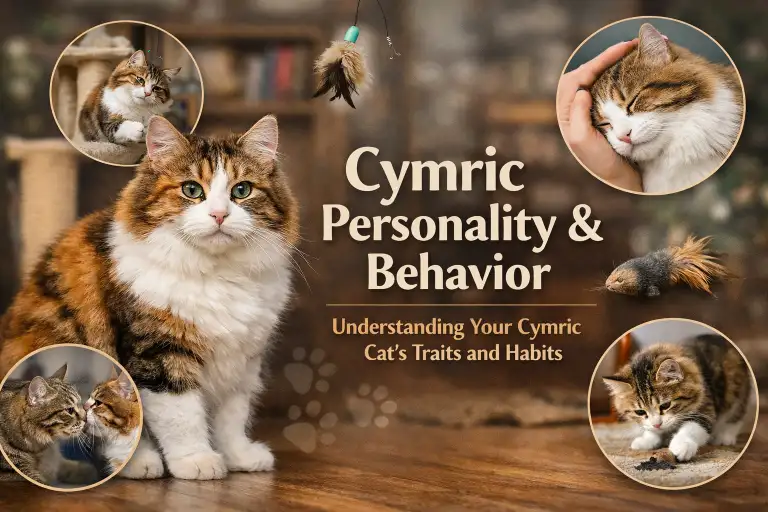
The Cymric cat, a long-haired variant of the Manx breed, is instantly recognizable not just for its luxurious coat but also for its unique personality. While every Cymric is an individual, there are certain temperament patterns that many owners notice consistently. These cats are often described as gentle, playful, and intelligent, combining the affectionate nature of a lap cat with bursts of curious exploration.
Recommended Dog Care Products
Based on your dog’s age, these products may help with comfort, health, grooming, and daily care.

Purina Pro Plan Veterinary Supplements
Daily probiotics for dogs to support digestive and gut health.
View on Amazon ↗
Earth Rated Poop Bags for Dogs
Leak-proof, extra thick waste bag refill rolls with lavender scent.
View on Amazon ↗
Greenies Pill Pockets for Dogs
Large dog treats for capsule medication, peanut butter flavor.
View on Amazon ↗
HONEY CARE All-Absorb Dog Wrap
Small male dog wraps, 50 count, useful for daily care support.
View on Amazon ↗
Seresto Flea & Tick Collar
Flea and tick treatment and prevention for dogs over 18 lbs.
View on Amazon ↗
Milk-Bone MaroSnacks
Small dog treats with real bone marrow in a 40 oz canister.
View on Amazon ↗
Vital Essentials Dog Treats
Freeze dried beef liver dog treats, grain free and single ingredient.
View on Amazon ↗
Stain & Odor Eliminator
Enzyme cleaner for pet stains, carpet messes, and strong odors.
View on Amazon ↗
Pur Luv Chicken Jerky Treats
Dog treats made with real chicken breast, high protein and chew-friendly.
View on Amazon ↗
Milk-Bone Flavor Snacks
Mini crunchy dog biscuits in a 36 oz canister for small rewards.
View on Amazon ↗As an Amazon Associate, we may earn from qualifying purchases.
Cymrics are known for their loyalty and social bonds with their humans. Some enjoy curling up on a lap for long stretches of time, while others prefer to follow their favorite person around the house, staying nearby but maintaining a degree of independence. This duality — a balance of affection and autonomy — is a hallmark of the breed and one of the reasons owners find them so endearing.
Their playful nature is often paired with a high level of curiosity. Cymrics are alert and observant, showing interest in their surroundings, household activities, and interactive toys. Unlike some breeds that may be timid or aloof, most Cymrics actively engage with their environment, investigating new objects, climbing safely, or exploring elevated perches.
To give a clear overview, here’s a table summarizing the core personality traits commonly seen in Cymric cats:
| Trait | Description | Typical Expression |
|---|---|---|
| Playful | Loves interactive and independent play | Pouncing on toys, chasing objects |
| Gentle | Calm and affectionate disposition | Lap sitting, soft vocalizations |
| Curious | Explores new environments and objects | Investigating boxes, climbing safely |
| Intelligent | Learns routines quickly and problem-solves | Solving food puzzles, remembering routines |
| Loyal | Forms strong bonds with family members | Follows owners, seeks attention |
Understanding these core traits helps owners appreciate the range of normal behaviors in Cymrics. Recognizing that each cat may express these traits differently ensures that owners interpret their cat’s actions with empathy and insight, rather than labeling normal behavior as problematic.
How Cymrics Communicate
Cymric cats use their bodies and voices to tell us how they feel. Even though many Cymrics do not have long tails, they have other ways to show their emotions. Paying attention to their ears, eyes, whiskers, and posture can help you understand what they are trying to say.
These cats also make different sounds to communicate. Some common sounds include soft meows, trills, chirps, and purring. Each sound usually has a meaning. For example, a trill or chirp often means your cat is happy to see you or wants your attention, while soft meows may signal that they are asking for something.
To make it easy to read and understand, here’s a table of common Cymric communication signals:
| Signal | What it Means | How to Respond |
|---|---|---|
| Ears forward | Curious or alert | Offer play or gently interact |
| Eyes half-closed | Content and relaxed | Sit nearby or gently pet |
| Tail or tail stump twitch | Excited or focused | Give attention or playtime |
| Chirp/trill | Greeting or attention-seeking | Respond with interaction |
| Hiding | Feeling stressed or needs comfort | Give them a quiet, safe space |
Reading these signs helps owners understand their cat better. Instead of guessing, you can tell when your Cymric is happy, curious, or needs some space. This improves your bond and makes your cat feel safe and loved.
Social Behavior and Affection
Cymric cats are friendly and enjoy spending time with their human family. Some like to sit on laps for long periods, while others prefer to stay close by, following you around the house. They show love in different ways, so it’s normal for some to be cuddly and for others to be more independent.
Recommended Dog Care Products
Based on your dog’s age, these products may help with comfort, health, grooming, and daily care.
Purina Pro Plan Veterinary Supplements
Daily probiotics for dogs to support digestive and gut health.
View on Amazon ↗
Earth Rated Poop Bags for Dogs
Leak-proof, extra thick waste bag refill rolls with lavender scent.
View on Amazon ↗
Greenies Pill Pockets for Dogs
Large dog treats for capsule medication, peanut butter flavor.
View on Amazon ↗
HONEY CARE All-Absorb Dog Wrap
Small male dog wraps, 50 count, useful for daily care support.
View on Amazon ↗
Seresto Flea & Tick Collar
Flea and tick treatment and prevention for dogs over 18 lbs.
View on Amazon ↗
Milk-Bone MaroSnacks
Small dog treats with real bone marrow in a 40 oz canister.
View on Amazon ↗
Vital Essentials Dog Treats
Freeze dried beef liver dog treats, grain free and single ingredient.
View on Amazon ↗
Stain & Odor Eliminator
Enzyme cleaner for pet stains, carpet messes, and strong odors.
View on Amazon ↗
Pur Luv Chicken Jerky Treats
Dog treats made with real chicken breast, high protein and chew-friendly.
View on Amazon ↗
Milk-Bone Flavor Snacks
Mini crunchy dog biscuits in a 36 oz canister for small rewards.
View on Amazon ↗As an Amazon Associate, we may earn from qualifying purchases.
These cats usually get along well with other pets. They can live happily with other cats and sometimes with dogs if they are introduced slowly and gently. However, every cat is different, so it’s important to watch how they react at first and let them set the pace.
Here is a table to help you understand how Cymrics behave with different people and pets:
| Interaction | Typical Cymric Behavior | Owner Tip |
|---|---|---|
| Adults | Loyal and seeks attention | Spend quiet time together and talk gently |
| Children | Usually tolerant | Supervise play to keep it safe |
| Other cats | Sociable but may set boundaries | Introduce slowly and provide separate spaces if needed |
| Dogs | Can adapt | Watch early interactions and allow gradual bonding |
Cymrics use gentle gestures and soft sounds to show affection. They might rub against your legs, knead with their paws, or give soft trills. Understanding these signals makes it easier to build a strong bond and makes your cat feel safe and loved.
Play, Hunting Instincts & Daily Behavior
Cymric cats are naturally playful and curious. They enjoy exploring their environment, climbing to high places, and watching what is happening around them. Play is not just fun—it helps them use their hunting instincts and stay active.
They often like toys that move, such as feather wands, balls, or small soft objects they can chase and pounce on. Some Cymrics enjoy interactive games with their owners, while others prefer to play alone. Watching them play helps you understand their personality and energy level.
Here is a table showing common play and hunting behaviors and ideas to keep your Cymric engaged:
| Behavior | What It Means | How to Support It |
|---|---|---|
| Stalking | Cat is focused on a target | Use feather wands or laser pointers |
| Pouncing | Natural hunting movement | Provide small toys to jump on |
| Chasing | Following moving objects | Rotate toys to keep play fresh |
| Kneading | Comfort or contentment | Give soft blankets or mats |
| Exploration | Investigating surroundings | Offer boxes, shelves, or safe climbing areas |
Cymrics also have daily routines. Many are active in short bursts and then rest quietly. They may wake up at dawn or evening to explore or play, which is normal for their natural cat behavior. Giving them opportunities to play and explore every day keeps them happy and healthy.
Commonly Misunderstood Behaviors & Life Stage Changes
Some behaviors in Cymric cats are normal but can confuse owners. For example, a Cymric without a long tail may use body posture and ear movements to communicate, which can be mistaken for aggression. Vocal sounds like trills or chirps are usually friendly greetings, not complaints. Hyper-focus on toys or people is also normal and shows curiosity and intelligence, not misbehavior.
Cymrics show different behaviors as they grow. Kittens are playful, curious, and full of energy. They explore everything and often need safe spaces to climb and play. Adults are calmer but still enjoy play and interactive time with their humans. Senior cats may slow down, sleep more, and prefer quiet areas. Understanding these changes helps owners provide the right care and attention at every stage.
Here is a table summarizing behaviors at different life stages:
Recommended Dog Care Products
Based on your dog’s age, these products may help with comfort, health, grooming, and daily care.
Purina Pro Plan Veterinary Supplements
Daily probiotics for dogs to support digestive and gut health.
View on Amazon ↗
Earth Rated Poop Bags for Dogs
Leak-proof, extra thick waste bag refill rolls with lavender scent.
View on Amazon ↗
Greenies Pill Pockets for Dogs
Large dog treats for capsule medication, peanut butter flavor.
View on Amazon ↗
HONEY CARE All-Absorb Dog Wrap
Small male dog wraps, 50 count, useful for daily care support.
View on Amazon ↗
Seresto Flea & Tick Collar
Flea and tick treatment and prevention for dogs over 18 lbs.
View on Amazon ↗
Milk-Bone MaroSnacks
Small dog treats with real bone marrow in a 40 oz canister.
View on Amazon ↗
Vital Essentials Dog Treats
Freeze dried beef liver dog treats, grain free and single ingredient.
View on Amazon ↗
Stain & Odor Eliminator
Enzyme cleaner for pet stains, carpet messes, and strong odors.
View on Amazon ↗
Pur Luv Chicken Jerky Treats
Dog treats made with real chicken breast, high protein and chew-friendly.
View on Amazon ↗
Milk-Bone Flavor Snacks
Mini crunchy dog biscuits in a 36 oz canister for small rewards.
View on Amazon ↗As an Amazon Associate, we may earn from qualifying purchases.
| Life Stage | Typical Behavior | How Owners Can Help |
|---|---|---|
| Kitten | Very playful, curious, energetic | Provide safe play areas and supervise climbing |
| Adult | Stable personality, enjoys both play and rest | Keep a routine and offer daily playtime |
| Senior | Less active, more resting, seeks comfort | Provide soft bedding and quiet spots |
Recognizing that these behaviors are normal can reassure owners. It helps you understand your Cymric better and strengthens your bond with your cat. Observing their signals and adjusting your care for each life stage ensures a happy and healthy cat.
For more details on the Cymric cat’s background, temperament, and care, you can also check out the Cymric breed profile on The Spruce Pets: https://www.thesprucepets.com/cymric-cat-full-profile-history-and-care-4768286

Ata Ur Rehman is the founder of Pet Age in Human Years Calculator, an educational platform that provides age conversion charts and lifespan guides for dogs, cats, birds, and other companion animals. His work focuses on helping pet owners understand how animal ages translate into human years using commonly accepted age conversion formulas and published lifespan averages.
The website compiles breed and species lifespan data from kennel clubs, breed organizations, and general animal lifespan studies to present simple and easy-to-understand guides for pet owners worldwide.
This website was created to centralize animal age conversion charts into one easy reference platform for pet owners.