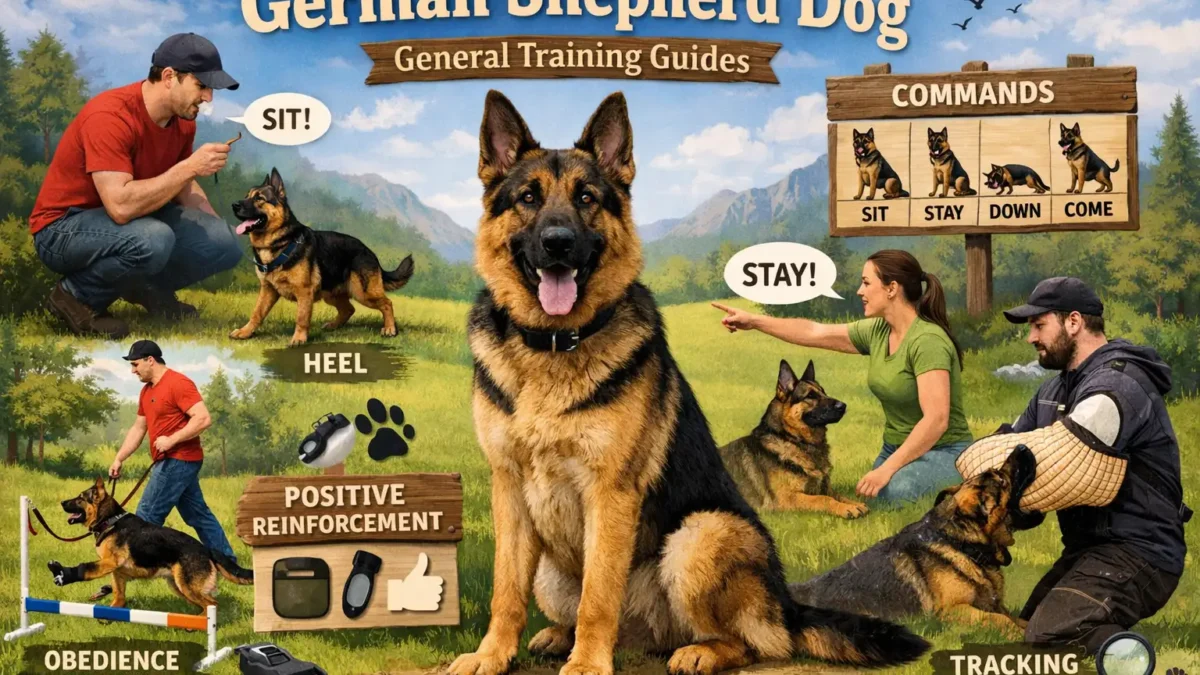
“The Ultimate German Shepherd Training Guide: Tips, Techniques, and Troubleshooting”
Training your German Shepherd is one of the most essential aspects of owning this intelligent, energetic breed. Whether you’re a first-time dog owner or an experienced handler, establishing a solid training foundation will enhance your relationship with your dog, foster good behavior, and reduce the likelihood of common behavioral issues.
German Shepherds are known for their high intelligence, strong work ethic, and natural instincts such as herding, guarding, and protection. These qualities make them incredibly trainable but also mean that without proper guidance, they can become overly protective, anxious, or even destructive. That’s why consistent, positive training from an early age is crucial.
In this guide, you’ll learn step-by-step methods to train your German Shepherd, from basic commands to advanced skills. Whether you’re teaching a puppy their first “sit” or refining an adult dog’s leash manners, the techniques shared here will help you channel your dog’s natural energy into positive behaviors.
By the end of this guide, you’ll have a deeper understanding of the training process, common challenges to look out for, and how to solve them effectively. Get ready to enjoy a well-trained German Shepherd who is not only obedient but also happy, confident, and well-adjusted.
Understanding Your German Shepherd’s Behavior
Before you begin training, it’s important to understand your German Shepherd’s behavior. This breed is known for being intelligent, loyal, and eager to work, but they also have strong instincts. Knowing how these instincts influence your dog’s actions will help you train them more effectively.
Key Traits of German Shepherds
German Shepherds are highly intelligent and have a strong sense of loyalty to their family. They are also protective and have natural herding instincts. These traits make them great working dogs, but they also mean they need proper guidance to prevent unwanted behaviors, like being overly protective or territorial.
For example, a German Shepherd might instinctively want to herd small children, or they might show aggression towards unfamiliar people. Understanding these behaviors early on helps you train your dog to respond in a more appropriate way.
How German Shepherds Learn
German Shepherds learn best with clear instructions and positive reinforcement. They respond well to praise, treats, and playtime when they do something right. This is because they enjoy solving problems and feel good when they accomplish tasks.
To make training effective, it’s important to be consistent. Always use the same commands for specific actions, and make sure your dog knows exactly what is expected of them.
Training Puppies vs. Adult Dogs
When training a puppy, the focus should be on socialization and basic commands, like “sit,” “stay,” and “come.” Puppies are more adaptable and will learn faster, but they also have shorter attention spans.
For an adult dog, training may take a bit longer, especially if they’ve developed bad habits over time. However, adults are often more focused and can handle more complex training tasks, like advanced obedience or agility.
Step-by-Step German Shepherd Training Guide
Training your German Shepherd can be fun and rewarding, but it requires patience and consistency.
Basic Obedience Training
The foundation of all training starts with basic commands. These are the building blocks for teaching your dog more advanced skills.
- Sit: Start by holding a treat in front of your dog’s nose. Slowly move it upwards and back, and when their bottom touches the ground, say “Sit” and give them the treat. Repeat this several times.
- Stay: Once your dog knows “Sit,” you can teach them “Stay.” Ask them to sit, then hold your hand in front of their face like a stop sign. Say “Stay” and take a few steps back. If they stay in place, reward them.
- Come: Put your dog on a leash. Take a few steps back and say “Come.” When your dog walks towards you, reward them with a treat and praise.
Leash Training
Leash training is important to prevent your German Shepherd from pulling during walks. Here’s how to get started:
- Attach the leash and let your dog get used to it by walking around the house. Give them plenty of time to adjust.
- Start walking, and if your dog pulls ahead, stop moving. Wait for them to come back to your side before moving forward again.
- Reward your dog with praise or treats when they stay by your side. Over time, they will learn to walk calmly beside you.
Crate Training
Crate training is a great way to help your dog feel safe and comfortable when left alone. Here’s how to do it:
- Place the crate in a quiet, comfortable spot.
- Encourage your dog to enter the crate by placing treats or their favorite toy inside.
- Close the door for a few minutes, gradually increasing the time your dog spends inside. Always reward them when they are calm.
Socialization
Socialization is crucial for a well-rounded dog. It helps your German Shepherd get used to different people, dogs, and environments. Here’s how to do it:
- Start socializing your puppy as early as possible. Introduce them to different people and animals in a calm, controlled environment.
- If your dog is already an adult, you can still work on socializing them by taking them to parks, pet stores, or other dog-friendly places. Be patient and reward calm behavior.
Training Command Steps Table:
| Command | Steps for Training | Tips for Success |
|---|---|---|
| Sit | Hold treat, move upward and back, dog sits, reward. | Be patient, keep sessions short and fun. |
| Stay | Command sit, hold hand in stop sign, step back, reward. | Start with short stays and gradually increase. |
| Come | Call dog while on leash, reward when they approach. | Use a happy voice and make it a game. |
| Leash Walking | Stop if pulling, reward calm walking next to you. | Use treats as motivation, stay consistent. |
| Crate Training | Place treats/toys in crate, slowly increase time inside. | Make it a positive experience, not a punishment. |
Common Problems & Fixes in German Shepherd Training
Even with the best training, German Shepherds can sometimes develop behavior issues. The good news is that many of these problems can be fixed with patience and the right approach. Here, we’ll look at some common issues you might face and provide easy solutions.
Jumping on People
German Shepherds are friendly dogs, and they may jump on people to show excitement or affection. Here’s how to stop this behavior:
- When your dog jumps on you, turn away and ignore them.
- Wait until they have all four paws on the ground.
- As soon as they are calm, give them a treat or praise.
- Be consistent, and over time they will learn to greet people politely.
Leash Pulling
Leash pulling can be frustrating, especially with a strong dog like a German Shepherd. Here’s how to fix it:
- When your dog pulls on the leash, stop walking immediately.
- Wait for them to come back to your side before continuing to walk.
- Reward them with praise or treats when they walk calmly next to you.
- Keep training sessions short and fun, so your dog doesn’t get bored.
Separation Anxiety
German Shepherds are known for being loyal, but some may develop separation anxiety when left alone. Here’s how to help:
- Start by leaving your dog alone for short periods of time and gradually increase the duration.
- Provide toys or treats to keep them distracted while you’re away.
- Don’t make a big fuss when you leave or come back, as this can make the anxiety worse.
- If the anxiety doesn’t improve, consider consulting a professional dog trainer.
Aggression Towards Other Dogs
Aggression towards other dogs is a common issue, especially in untrained German Shepherds. Here’s what to do:
- Keep your dog on a leash when introducing them to new dogs.
- Make sure the new dog is calm and not aggressive.
- If your dog shows aggression, calmly remove them from the situation and try again later.
- Practice socialization with other dogs regularly to help reduce aggression.
Common Problem Fixes Table:
| Problem | Solution | Tips for Success |
|---|---|---|
| Jumping on people | Ignore jumping, reward calm behavior. | Be consistent, use positive reinforcement. |
| Leash pulling | Stop walking when pulling, reward calm walking. | Use treats to motivate walking beside you. |
| Separation anxiety | Gradually increase time alone, use toys for distraction. | Stay calm during departures and arrivals. |
| Aggression with other dogs | Leash and control introductions, practice socialization. | Be patient, start with calm dogs. |
When to Seek Professional Help: Red Flags in German Shepherd Behavior
While training your German Shepherd at home can be very rewarding, there are times when professional help is needed. If your dog is showing signs of serious behavioral issues, it’s important to get the right support. Here, we’ll talk about when it’s time to ask for help from a professional dog trainer or behavior consultant.
Signs You Need Professional Help
Sometimes, despite your best efforts, certain behaviors might not improve or could even get worse. Here are some red flags to watch out for:
- Aggression: If your German Shepherd is showing signs of aggression, like biting, growling, or lunging at people or other dogs, it’s time to seek professional help. Aggression can be dangerous if not addressed early.
- Severe Separation Anxiety: If your dog is constantly anxious when you leave and is destroying things, excessively barking, or even hurting themselves, a trainer can help create a plan to reduce their anxiety.
- Fearfulness: Some dogs may develop extreme fear of certain situations, sounds, or people. If your dog is too scared to leave the house or interacts aggressively out of fear, a professional can help desensitize them to these triggers.
- Lack of Progress: If you’ve been training consistently but your dog is not improving, it could be time for expert advice. Professional trainers can offer new techniques or adjustments to your approach.
What to Expect from Professional Training
If you decide to hire a professional, here’s what you can expect:
- Behavior Assessment: The trainer will observe your dog’s behavior and figure out what is causing the issues.
- Customized Plan: Based on the assessment, the trainer will develop a training plan that suits your dog’s needs.
- Guidance for You: A good trainer will show you how to apply the techniques at home, making sure you and your dog stay on track.
Timeline for Progress
It’s important to remember that not all behavioral problems can be fixed immediately. Some issues may take weeks or even months to resolve. Be patient, and stick to the plan provided by your trainer. Regular follow-ups and consistency are key to success.
For more expert advice on training German Shepherds and other breeds, visit the American Kennel Club’s official training resources here.