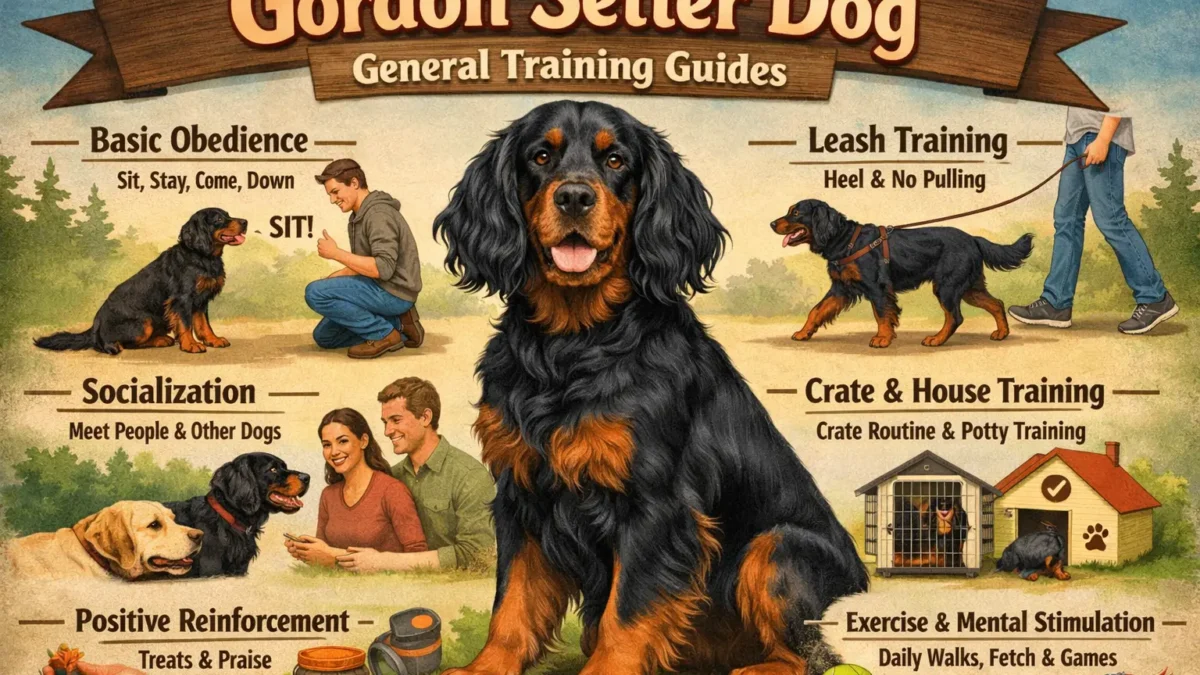
The Ultimate Gordon Setter Training Guide: Tips, Techniques, and Troubleshooting
Training your Gordon Setter is an essential part of fostering a well-behaved, happy, and balanced dog. Gordon Setters are known for their high energy, intelligence, and strong hunting instincts, making them a joy to train, but also a challenge for first-time owners. This breed’s loyalty, combined with their playful and sometimes stubborn nature, means they thrive in environments where consistent training is paired with mental and physical stimulation.
As with any breed, early training sets the foundation for a lifelong bond and ensures that both owner and dog are happy and safe. For Gordon Setters, training is especially important due to their high prey drive and natural inclination to roam, which can lead to safety concerns without proper recall training. However, with the right approach, this intelligent breed is more than capable of mastering obedience commands and forming a deep connection with their owners.
In this guide, we’ll cover everything you need to know to effectively train your Gordon Setter—from basic obedience commands to more advanced training techniques. Whether you’re starting with a puppy or working with an adult dog, this guide is designed to offer actionable tips, troubleshooting advice, and clear steps to help you train your Gordon Setter to be the best companion they can be
Why Training Your Gordon Setter Matters
Training your Gordon Setter is more than teaching commands—it helps keep your dog safe, happy, and well-behaved. This breed is intelligent and active, but their strong hunting instincts and high energy can lead to challenges if they are not properly trained.
Training gives your dog structure and purpose, and helps you manage common behaviors like jumping, barking, or running off. It also improves your relationship, because a trained dog understands what you expect and can enjoy activities safely.
A trained Gordon Setter is easier to live with, especially in homes with children, other pets, or busy routines. Positive training encourages good habits, reduces stress for both you and your dog, and helps prevent frustration from stubborn behavior.
Here is a quick overview of the main benefits of training:
| Benefit | Example | Result |
|---|---|---|
| Safety | Recall training prevents your dog from chasing wildlife | Reduced risk of accidents |
| Mental stimulation | Scent games or basic obedience exercises | Keeps your dog engaged and less bored |
| Household harmony | Leash control and basic commands | Calm interactions with children and other pets |
Training your Gordon Setter early and consistently sets the foundation for a lifetime of good behavior. It also makes learning new commands or advanced skills much easier, since your dog already understands basic expectations and enjoys working with you.
Understanding Gordon Setter Behavior
Understanding how your Gordon Setter thinks and learns makes training much easier. Gordon Setters are smart, active, and independent dogs. They were bred to work as hunting dogs, which means they naturally follow their nose, explore their surroundings, and sometimes act stubborn.
They respond best to positive reinforcement, like treats, praise, and play. Harsh corrections or yelling can make them shy or confused, because this breed is sensitive to tone and body language.
Different dogs may behave differently based on age, energy, and personality. Puppies are usually more eager to learn but need shorter training sessions. Adult dogs can be more independent and may need more patience. High-energy dogs benefit from extra exercise, while shy dogs may need gentle encouragement.
Here is a simple table showing common behaviors and how to manage them in training:
| Behavior | Why It Happens | Training Tip |
|---|---|---|
| Stubbornness | Independent breed nature | Use high-value rewards and short, consistent sessions |
| Distractibility | Strong prey drive | Start training in a quiet area and slowly add distractions |
| Sensitivity | Reacts to harsh corrections | Always use gentle, positive reinforcement |
| Excitability | High energy level | Include physical exercise before training sessions |
By learning these behavior patterns, you can plan training sessions that match your dog’s needs and avoid frustration for both you and your Gordon Setter.
Step-by-Step Training Methods for Gordon Setters
Training your Gordon Setter works best when you break it into small, clear steps. Consistency, patience, and positive reinforcement are key. Short sessions work best—about 5–10 minutes for puppies and 10–20 minutes for adults. Practice several times a day for the best results.
Core Commands
Start with basic commands. These are the foundation for safety and good behavior. Use high-value rewards, like small treats or praise, to encourage your dog. Repeat exercises in different places so your dog learns to obey anywhere.
| Command | Steps | Reward | Session Tips |
|---|---|---|---|
| Sit | Hold a treat above nose, move it back over head, say “Sit” | Small treat | 5–10 reps per session, 2–3 sessions per day |
| Stay | Ask for “Sit” first, hold hand up, step back slowly | Praise + treat | Start 2–3 seconds, gradually increase |
| Come / Recall | Use a long leash, say “Come,” gently guide | High-value treat | Practice in safe area first, gradually add distractions |
| Down | Lure with treat from sit position, say “Down” | Treat or praise | Keep sessions short and positive |
| Leash Walking | Reward calm walking at your side | Treat + praise | Stop when pulling starts, redirect attention |
Training Schedule Example
A consistent schedule helps your Gordon Setter learn faster and stay engaged. Adjust for your dog’s age and energy.
| Day | Activity | Duration | Focus |
|---|---|---|---|
| Monday | Basic commands | 10 min | Sit, Stay |
| Tuesday | Leash walking | 15 min | Loose-leash control |
| Wednesday | Recall games | 10 min | Prey-drive focus |
| Thursday | Mental stimulation | 10 min | Scent games or puzzle toys |
| Friday | Review commands | 10–15 min | Sit, Down, Stay, Come |
| Saturday | Outdoor practice | 15 min | Commands with distractions |
| Sunday | Free play + short training | 10 min | Positive reinforcement |
Extra Tips
- Keep sessions short and fun.
- End each session positively, even if progress is small.
- Gradually increase distractions and challenge levels.
- Adjust training style to suit puppies, adults, shy dogs, or high-energy dogs.
Common Problems and When to Seek Professional Help
Even with the best training, Gordon Setters can sometimes show challenging behaviors. Knowing common problems and how to address them helps prevent frustration and keeps your dog safe.
Many issues come from high energy, strong prey drive, or sensitivity, but most can be managed with consistent, positive training. Some problems may need professional help if they persist or cause safety concerns.
Here is a quick guide for common problems and what you should do:
| Problem | Do | Don’t |
|---|---|---|
| Stubbornness | Break tasks into small steps, use high-value rewards | Force or yell at your dog |
| Hyperactivity | Include daily exercise and mental games | Ignore or punish excess energy |
| Recall issues | Practice in secure areas, reward every success | Yell, punish, or allow repeated failures |
| Excessive barking | Identify triggers, reward calm behavior | Shout or punish without explanation |
| Nipping or mouthing | Redirect to toys, reinforce gentle behavior | Hit or scare your dog |
When to Seek Professional Help
Seek a trainer or behaviorist if your Gordon Setter shows:
- Aggression toward people or other dogs
- Severe anxiety or fear that doesn’t improve
- Persistent disobedience despite consistent training
Professional trainers using positive reinforcement can help correct these behaviors safely. Your veterinarian can also help identify if anxiety or medical issues contribute to the problem.
By understanding these common problems and knowing when to ask for help, you can keep your Gordon Setter safe, happy, and well-behaved.
“For more detailed information on the Gordon Setter dog breed, including breed standards and official care guidelines, visit the American Kennel Club’s page on Gordon Setters here.”