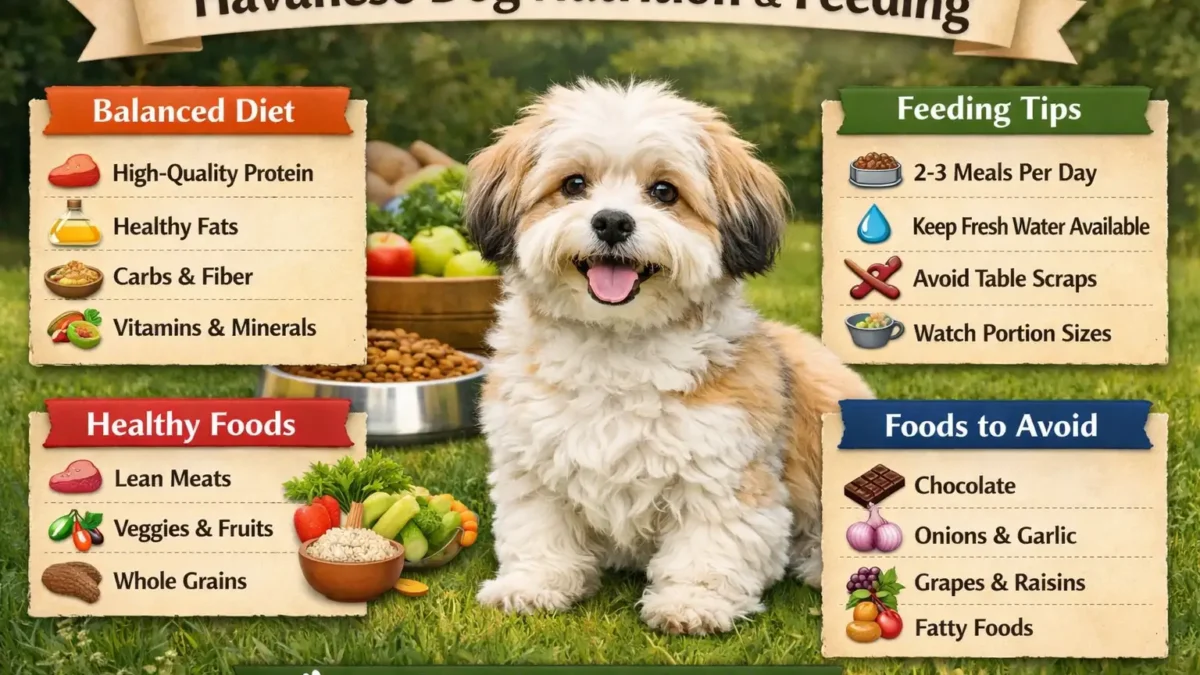
The Ultimate Guide to Havanese Dog Nutrition and Feeding
As a small companion breed, Havanese dogs require a carefully balanced diet to thrive. Proper nutrition plays a crucial role in maintaining their energy levels, coat health, and overall well-being. Whether you’re a new Havanese owner or have had your furry friend for a while, understanding what to feed your dog, how much, and when, is essential to ensuring they live a healthy and happy life.
This guide will walk you through everything you need to know about Havanese dog nutrition, from the best food options to feeding frequency and understanding their unique nutritional needs. You’ll also learn how nutrition affects various aspects of your dog’s health, including their coat quality, energy, and longevity.
Havanese dogs have a few unique needs that set them apart from larger breeds, and feeding them appropriately can prevent common issues like obesity, digestive problems, or skin and coat concerns. Let’s dive into why nutrition is so important for these lively, affectionate dogs and how you can support their health through the right diet.
Understanding Havanese Nutritional Needs
To keep your Havanese healthy, it’s important to understand what they need from their food. Havanese dogs have specific nutritional requirements that vary by age, size, and activity level. In this section, we’ll break down the basics of what goes into a balanced diet for a Havanese and why each nutrient matters.
Macronutrients for Havanese
Havanese dogs need three main types of nutrients, called macronutrients, which include protein, fats, and carbohydrates. These nutrients help keep your dog’s muscles strong, coat shiny, and energy levels steady.
- Protein: Protein is essential for building muscles, repairing tissues, and keeping your dog’s immune system strong. Havanese need high-quality protein from sources like chicken, beef, and fish.
- Fats: Healthy fats are important for energy and maintaining a glossy coat. Fats also support your dog’s brain and heart health.
- Carbohydrates: Carbs provide energy for your Havanese and help with digestion. Fiber-rich carbs also keep their gut healthy and their stool firm.
Here is a simple table to help you understand the right amount of macronutrients for Havanese dogs at different stages:
| Life Stage | Protein % | Fat % | Carbs % |
|---|---|---|---|
| Puppy | 25-30% | 8-15% | 30-45% |
| Adult | 20-25% | 8-15% | 30-40% |
| Senior | 18-22% | 6-12% | 25-35% |
Micronutrients for Havanese
Micronutrients include vitamins and minerals that support overall health. While they are needed in smaller amounts than macronutrients, they are just as important. Key micronutrients for Havanese include:
- Calcium and phosphorus for bone health
- Vitamins A, E, and D for immune support and skin health
- Omega-3 fatty acids for a shiny coat and brain function
A well-balanced diet will provide all of these vitamins and minerals, but sometimes, supplements may be needed, especially for older dogs or those with health conditions.
How to Read Dog Food Labels
Understanding how to read a dog food label can help you choose the best food for your Havanese. Look for high-quality protein sources as the first ingredient, and avoid foods with too many fillers like corn or wheat. Also, check for guaranteed analysis, which shows the percentage of protein, fat, fiber, and moisture in the food.
How Much and How Often to Feed Your Havanese
Feeding your Havanese the right amount of food is crucial for maintaining their health. Overfeeding can lead to obesity, while underfeeding may cause malnutrition. The amount of food your Havanese needs depends on several factors, such as their age, weight, activity level, and metabolism. Here, we’ll show you how to figure out how much to feed your dog and how often.
Calorie Needs for Your Havanese
The number of calories your Havanese needs each day depends on their life stage (puppy, adult, senior), weight, and activity level. Puppies need more calories for growth, while adult dogs need fewer calories to maintain their weight. Senior Havanese dogs usually require fewer calories, but they still need balanced nutrition to stay healthy.
Here’s a table that shows the average calories Havanese need based on their weight and life stage:
| Weight (lbs) | Calories/day (Puppy) | Calories/day (Adult) | Calories/day (Senior) |
|---|---|---|---|
| 5 lbs | 250 | 220 | 200 |
| 10 lbs | 450 | 380 | 320 |
| 15 lbs | 650 | 550 | 460 |
Portion Control
To avoid overfeeding or underfeeding, it’s important to control your dog’s portions. One way to do this is by using your dog’s Body Condition Score (BCS). BCS is a scale that helps you see whether your dog is at a healthy weight. You can check your dog’s ribs, waist, and abdomen to see if they are too fat, too thin, or just right.
- If your Havanese is overweight, reduce their food portions and increase their exercise.
- If your Havanese is underweight, increase their food portions and ensure they’re eating the right nutrients.
Feeding Frequency
The frequency with which you feed your Havanese depends on their age:
- Puppies should be fed 3 to 4 times a day to support their rapid growth.
- Adult Havanese can be fed 2 times a day.
- Senior dogs might need smaller, more frequent meals to help with digestion.
Make sure to stick to a consistent feeding schedule and avoid free-feeding (leaving food out all day). This helps regulate their metabolism and prevent overeating.
Best Dog Food for Havanese: Types and Considerations
Choosing the best food for your Havanese is one of the most important decisions you’ll make as a dog owner. Havanese dogs are small, but they still need a balanced diet to stay healthy and active. There are many types of dog food to choose from, and each has its own benefits and drawbacks. In this section, we’ll break down the different options and what you should look for when choosing food for your Havanese.
Types of Dog Food
There are five main types of dog food that are commonly fed to Havanese dogs: dry kibble, wet food, raw food, homemade diets, and freeze-dried food. Here’s a quick overview of each:
- Kibble: Dry dog food that is easy to store, cost-effective, and good for your dog’s teeth. It’s the most common type of food.
- Wet Food: Canned food that is easy to digest and helps keep your dog hydrated. It’s also more flavorful for picky eaters.
- Raw Food: Raw dog food includes meat, bones, and vegetables. It’s natural but requires careful preparation and handling.
- Homemade Food: Cooked food prepared at home with fresh ingredients. It’s customizable, but you need to make sure it’s balanced.
- Freeze-Dried Food: Freeze-dried food is raw food that has been preserved. It’s convenient and nutritious but can be expensive.
Pros and Cons of Each Food Type
Every type of dog food has its benefits and some downsides. Here’s a comparison table to help you decide which type is best for your Havanese:
| Food Type | Pros | Cons | Ideal For |
|---|---|---|---|
| Kibble | Easy to store, good for teeth | Can be low in moisture | Active dogs, busy owners |
| Wet Food | High moisture, easy to digest | Can be more expensive | Picky eaters, senior dogs |
| Raw Food | Natural, no preservatives | Requires careful handling | Health-conscious owners |
| Homemade | Fresh, customizable | Needs careful balance | Dogs with allergies, picky eaters |
| Freeze-Dried | Convenient, nutritious | Expensive | Travel, high-quality food seekers |
Safe Foods to Feed Your Havanese
In addition to their regular dog food, you can give your Havanese small amounts of safe human foods as treats. Some good options include:
- Carrots
- Apples (without seeds)
- Cooked chicken (without bones)
- Plain rice
However, there are also many foods that can be harmful to your dog, like chocolate, grapes, onions, and bones. Make sure you know what’s safe and what’s toxic for dogs.
Treat Guidelines
Treats can be a great way to reward your Havanese, but it’s important not to overdo it. Too many treats can lead to weight gain or spoil their appetite for regular meals. Aim to give treats in moderation, and consider using low-calorie options like baby carrots or specially-made dog treats.
Common Feeding Problems, Special Diets, and FAQs
Feeding your Havanese can sometimes come with challenges. Whether it’s dealing with a picky eater, managing weight, or addressing food sensitivities, it’s important to know how to handle these situations. In this section, we’ll look at some common feeding problems and provide solutions, as well as special diets for Havanese with specific health needs.
Solutions for Picky Eaters
It’s not uncommon for Havanese dogs to be picky about food. If your dog refuses to eat, there are a few things you can try:
- Offer variety: Switch between different flavors or textures (wet food, kibble, homemade food).
- Limit treats: If your dog fills up on treats, they may not feel hungry for their meals.
- Establish a feeding schedule: Leave the food out for about 30 minutes, then take it away. This teaches your dog to eat when food is offered.
- Consistency is key: Stick to a regular feeding time and avoid changing foods too frequently.
Weight Management
Havanese dogs are small, which means even a few extra pounds can affect their health. Here’s how to manage their weight:
- Measure portions: Use a cup or scale to ensure you’re feeding the right amount.
- Adjust food based on activity: If your dog is less active, reduce their food portions.
- Increase exercise: Regular walks or playtime can help prevent weight gain.
If your Havanese is gaining weight despite eating the right amount of food, it might be a good idea to consult with a vet to rule out any underlying health issues.
Special Diets for Health Issues
Sometimes, your Havanese may need a special diet to manage health concerns like food allergies, a sensitive stomach, or weight issues. Here are some examples:
- Food allergies: If your dog has allergies (common ones include beef, chicken, or grains), consider switching to a limited ingredient diet or a food formulated for sensitive dogs.
- Sensitive stomach: For dogs with digestive issues, choose a diet that’s easy on their stomach. Look for foods with probiotics or easily digestible proteins like turkey or lamb.
- Weight concerns: If your Havanese needs to lose or gain weight, your vet may recommend a specific diet plan with controlled portions or high-protein, low-fat food options.
Frequently Asked Questions (FAQs)
Here are some common questions that Havanese owners often ask about feeding:
- How much should I feed my Havanese?
This depends on their age, weight, and activity level. Use the calorie chart in the previous section as a guide. - Can I feed my Havanese human food?
Yes, but only safe foods in moderation, like carrots, apples (without seeds), and plain cooked chicken. - Why is my Havanese always hungry?
If your dog is always hungry, you may need to adjust their feeding amount or feeding schedule. Make sure you’re not overfeeding with treats. - How can I prevent my Havanese from gaining weight?
Follow the portion sizes and feeding schedules, avoid free feeding, and provide regular exercise.
Practical Tools, FAQs, and When to See a Professional
To make feeding your Havanese even easier, we’ve put together some helpful tools and resources. These include feeding charts, quick tips, and answers to some of the most common questions owners have. We also explain when it’s time to consult a veterinarian or veterinary nutritionist to make sure your dog’s diet is on track.
Feeding Charts and Checklists
Using simple charts and checklists can help you track your Havanese’s feeding and health. Here are some tools you can use:
- Daily Feeding Chart: This chart shows the right number of calories your Havanese needs based on their weight and life stage (puppy, adult, or senior).
- Portion Control Guide: Use this to measure the right amount of food for each meal to avoid overfeeding or underfeeding.
Frequently Asked Questions
These are some of the most common questions that Havanese owners ask about feeding:
- How much should I feed my Havanese each day?
You should feed your Havanese according to their weight, activity level, and life stage. Use the feeding charts provided earlier to guide you. - Can I give my Havanese table scraps?
While it’s okay to give small amounts of safe human foods as treats, avoid giving your Havanese fatty, salty, or spicy foods. Stick to dog-friendly options like carrots or cooked chicken. - Why does my Havanese have a dry coat?
A dry coat can be a sign of poor nutrition, especially if your dog is not getting enough healthy fats like omega-3 fatty acids. Consider adding fish oil to their diet or switching to a food rich in omega-3s.
When to See a Professional
If you notice any of the following, it’s a good idea to consult a veterinarian or veterinary nutritionist:
- Sudden weight changes: If your Havanese gains or loses weight unexpectedly, it could be a sign of a health problem or that their food needs to be adjusted.
- Digestive problems: If your dog has ongoing diarrhea, constipation, or vomiting, consult your vet for advice on food sensitivities or allergies.
- Poor coat condition: If your Havanese’s coat becomes dull or dry, it could be due to nutritional deficiencies, so speak with your vet about possible dietary adjustments.
For more detailed information on the best nutrition for small dog breeds like the Havanese, check out this comprehensive guide from the American Kennel Club (AKC) to learn more about feeding practices and health tips for your dog.