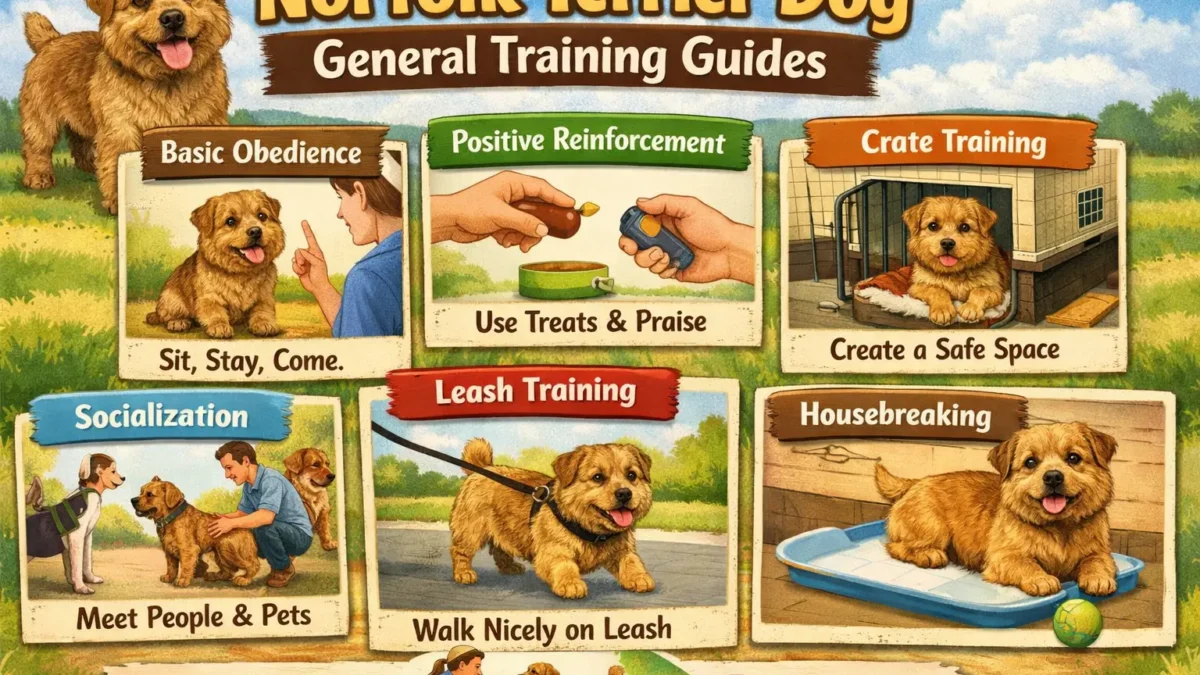
Norfolk Terrier Training Guide: Step-by-Step Tips for a Well-Behaved Dog
Norfolk Terriers are small, energetic, and highly intelligent dogs with a strong sense of independence. While their lively personality makes them fun companions, it also means they can be stubborn and challenging to train without a clear, consistent approach. Proper training from an early age ensures your Norfolk Terrier grows into a well-behaved, confident, and safe member of your family.
Training a Norfolk Terrier isn’t just about teaching commands—it’s about understanding their unique temperament. These dogs are alert, curious, and have a high prey drive, which can lead to chasing small animals or excessive digging if not properly managed. By focusing on structured, positive reinforcement-based training, you can guide their energy into productive behaviors.
Owners often face common challenges such as stubbornness, excessive barking, or difficulty with recall. Recognizing these behaviors early and implementing practical training methods makes a big difference. Whether you’re raising a puppy or retraining an adult dog, this guide will provide actionable steps tailored specifically for Norfolk Terriers.
Quick Breed Traits Snapshot
| Trait | What It Means for Training |
|---|---|
| Energy Level | Needs short, frequent training sessions and mental stimulation to prevent boredom |
| Intelligence | Learns quickly but may get bored—use varied exercises to keep engagement high |
| Stubbornness | Requires patience, consistency, and high-value rewards |
| Prey Drive | Training recall and impulse control is essential to prevent chasing behaviors |
| Social Nature | Early socialization with people and other dogs is critical for well-rounded behavior |
Why Training Matters for Norfolk Terriers
Training your Norfolk Terrier is important for both your dog’s safety and your peace of mind. Even though they are small dogs, Norfolk Terriers have a lot of energy and a strong instinct to chase small animals. Without proper training, they can develop habits like excessive barking, digging, or jumping on people.
Good training helps your dog understand what is allowed and what is not. It makes daily life easier, keeps your dog safe around other pets and people, and strengthens the bond between you and your dog. Early training also reduces stress for both you and your dog, especially in new or busy environments.
Training is not just teaching commands—it is helping your dog behave calmly in different situations. A well-trained Norfolk Terrier is more confident, less anxious, and easier to manage, whether at home, at the park, or visiting new places.
Training Benefits at a Glance
| Benefit | Why It Matters |
|---|---|
| Safety | Helps prevent accidents like running into traffic or chasing small animals |
| Behavior | Reduces unwanted habits such as barking, digging, and nipping |
| Socialization | Makes your dog comfortable around people, other dogs, and new places |
| Confidence | Helps shy or anxious dogs feel safe and relaxed |
| Owner-Dog Bond | Strengthens trust and makes training a positive experience for both |
Understanding Norfolk Terrier Behavior
Norfolk Terriers are smart, lively, and curious dogs. They love exploring and can get bored if they don’t have enough activities. Understanding how they behave makes training easier and more successful.
These dogs are small but very brave. They have a strong prey drive, which means they may chase small animals or run after moving things. They can also be stubborn and want to do things their own way. Training works best when you use patience, rewards, and short training sessions.
Socializing your Norfolk Terrier is important. Puppies need to meet different people, dogs, and environments to grow into confident adults. Adult dogs can also learn to be social, but it may take more time and consistent effort.
Behavior Traits & Training Tips
| Behavior | What It Looks Like | Training Tip |
|---|---|---|
| High Energy | Runs around a lot, jumps, or digs | Give short, frequent training sessions and playtime |
| Stubbornness | Ignores commands or takes longer to learn | Use high-value rewards and be consistent |
| Prey Drive | Chases small animals or moving objects | Practice recall and impulse control exercises |
| Fearful/Shy | Hides or avoids new people or dogs | Use gentle socialization and positive reinforcement |
| Barking | Barks at noises or strangers | Teach “quiet” command and reward calm behavior |
Understanding these traits helps you plan your training sessions and prevent common problems before they start.
Step-by-Step Training Methods for Norfolk Terriers
Training your Norfolk Terrier works best when you are patient, consistent, and use rewards like treats, praise, or play. Short and frequent sessions are better than long sessions, especially for puppies. Aim for 5–10 minutes per session for puppies and 10–15 minutes for adult dogs.
Start with basic obedience commands and gradually add more advanced skills. Socialization, leash training, and recall are very important for this breed because of their high energy and prey drive.
Command Training Quick Reference
| Command | Steps | Reward | Expected Time to Master |
|---|---|---|---|
| Sit | Hold treat above nose → move hand back → say “sit” | Treat + praise | 1–2 weeks |
| Stay | Command “sit” → hold hand out → say “stay” → gradually increase time | Treat + praise | 2–3 weeks |
| Come / Recall | Use leash → say “come” → reward immediately when dog reaches you | Treat + praise | 2–4 weeks |
| Leave It | Place treat → cover with hand → say “leave it” → reward correct choice | Treat + praise | 2–3 weeks |
| Leash Walking | Start indoors → use gentle corrections → reward for walking calmly | Treat + praise | 2–4 weeks |
It is also important to follow a training schedule to build consistency and reinforce learning.
Sample Weekly Training Schedule
| Day | Puppy Session | Adult Session | Key Focus |
|---|---|---|---|
| Monday | 5 min basic commands | 10 min basic commands | Sit, stay, come |
| Tuesday | 5 min leash practice | 10 min leash practice | Loose leash walking |
| Wednesday | 5 min recall | 10 min recall | Recall & come when called |
| Thursday | 5 min socialization | 10 min socialization | Meeting new people/dogs |
| Friday | 5 min fun tricks | 10 min fun tricks | Mental stimulation & bonding |
| Saturday | 5–10 min review | 10–15 min review | Repeat difficult commands |
| Sunday | Short walk + play | Short walk + play | Reinforce calm behavior |
Following this step-by-step plan helps your Norfolk Terrier learn faster, stay motivated, and reduce unwanted behaviors.
Troubleshooting & When to Seek Professional Help
Even with consistent training, Norfolk Terriers can face common challenges due to their energy, stubbornness, and prey drive. Understanding these issues and knowing how to respond makes training more effective and prevents frustration for both you and your dog.
Some problems can be fixed at home with patience and consistent training, while others may require guidance from a professional trainer or veterinarian, especially if your dog shows signs of fear, anxiety, or aggression.
Common Problems & Fixes
| Problem | Likely Cause | Fix / Training Tip | When to Seek Professional Help |
|---|---|---|---|
| Excessive Barking | Alertness, boredom, or anxiety | Teach “quiet” command, provide toys, increase exercise | If barking continues despite training or causes anxiety |
| Digging | High energy or boredom | Provide digging area, redirect with toys, increase playtime | Persistent digging that causes damage or stress |
| Nipping / Biting | Puppy teething or attention-seeking | Redirect to chew toys, reward gentle play | If biting causes injury or aggressive tendencies |
| Stubbornness / Ignoring Commands | Independent nature, distractions | Use high-value rewards, short focused sessions | If disobedience is severe or safety is compromised |
| Fear / Anxiety | Poor socialization or traumatic events | Gradual exposure, positive reinforcement, safe space | If fear leads to aggression, self-harm, or extreme avoidance |
| Difficulty with Recall | Prey drive or distractions | Practice in safe, low-distraction areas, reward immediately | If dog refuses to come off-leash consistently |
By monitoring your dog and adjusting your training approach, you can fix most problems. However, don’t hesitate to seek help from a professional trainer or vet if issues persist, especially for aggression, extreme anxiety, or safety concerns.
For more detailed information on Norfolk Terrier behavior, history, and breed standards, you can visit the official American Kennel Club page: AKC Norfolk Terrier.