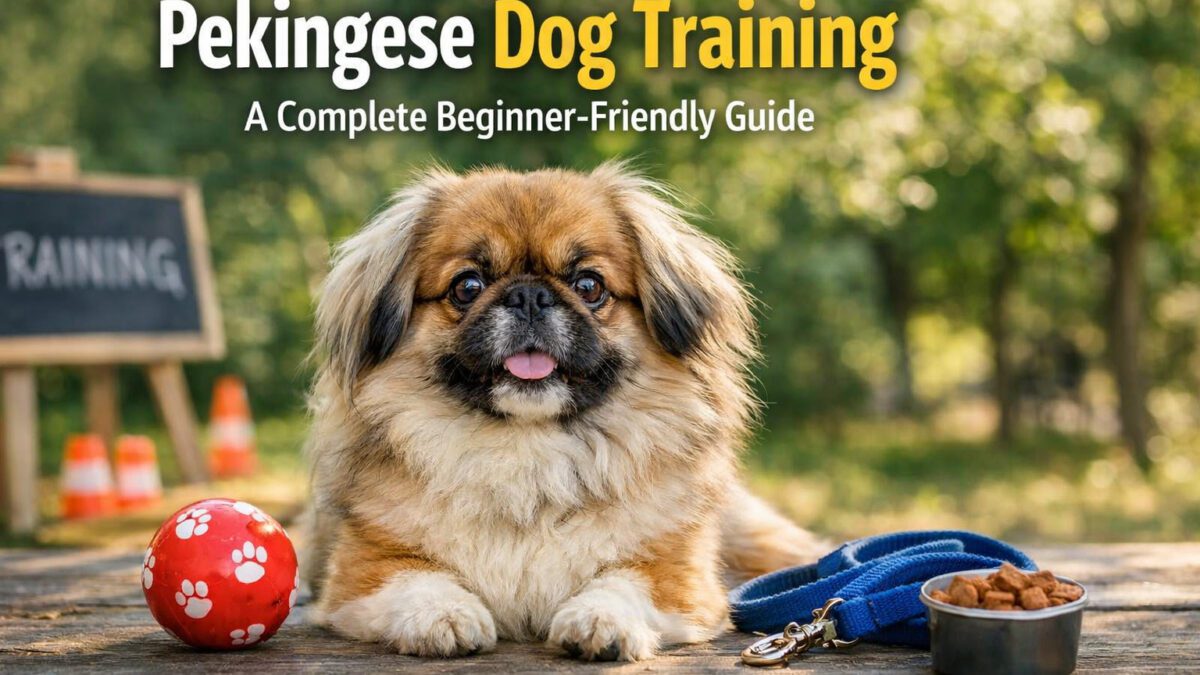
Pekingese Dog Training: A Complete Beginner-Friendly Guide
Introduction to Pekingese Dog Training
Training a Pekingese requires a different mindset than training many other breeds. While they are intelligent and capable learners, Pekingese dogs are also independent, sensitive, and highly aware of how much effort they want to give at any moment. This guide is designed to help owners understand how to train a Pekingese in a way that respects those traits instead of fighting against them.
This is a general Pekingese dog training guide, meaning it focuses on the foundation that supports all other training. Rather than teaching specific commands right away, it explains how to build cooperation, motivation, and consistency—skills that make house training, leash training, and basic obedience far easier later on. Without this foundation, many owners mistakenly label their Pekingese as “stubborn” when the real issue is a mismatch between training style and breed temperament.
Whether you are working with a Pekingese puppy or an adult dog, expectations matter. Pekingese do not thrive on long, repetitive drills or harsh corrections. They learn best through short, calm sessions, clear rewards, and predictable routines. When training is done correctly, they become responsive and confident companions rather than dogs that ignore cues or resist direction.
Why Training a Pekingese Is Different (and Why It Matters)
Training a Pekingese is not the same as training a large, eager-to-please dog. This breed was developed to be calm, alert, and independent. Because of this, a Pekingese often thinks before acting. If training feels confusing, boring, or too forceful, they may simply stop cooperating instead of trying harder.
This does not mean Pekingese are hard to train. It means they need a different approach. They respond best to gentle guidance, clear rules, and rewards that feel worth their effort. Loud voices, repeated commands, or punishment can make them shut down, avoid training, or become defensive.
Training also matters because of their small size. Untrained behaviors that seem minor in a small dog—such as snapping, guarding food, barking, or refusing to listen—can turn into serious problems over time. Many behavior issues in Pekingese come from being allowed to ignore rules when they are young or being treated like a toy instead of a dog that still needs structure.
Good training improves daily life. A trained Pekingese is calmer, more confident, and easier to live with. They handle visitors better, feel safer in new places, and are less likely to develop anxiety or stress-related habits. Training also helps prevent what is often called “small dog syndrome,” where a dog becomes bossy or reactive because boundaries were never clearly set.
Most importantly, training builds trust. When a Pekingese understands what is expected and feels safe during training, they are more willing to listen and cooperate. This creates a stronger bond between the dog and the owner, not a power struggle.
Understanding Pekingese Behavior and Learning Style
To train a Pekingese well, you must first understand how they think and learn. Many training problems happen because owners expect a Pekingese to act like a highly obedient working dog. This breed is different, and that difference matters.
Pekingese were bred to be close companions, not to follow commands all day. This means they are independent thinkers. When you ask them to do something, they often decide if it feels worth doing. This is not bad behavior—it is part of their personality.
Pekingese are also very sensitive. They notice tone of voice, body language, and mood. Yelling, pulling, or forcing them can make them scared, shut down, or refuse to cooperate. Once trust is damaged, training becomes much harder.
They learn best with:
- Calm voices
- Short training sessions
- Clear rewards
- Gentle handling
Repeating the same command again and again usually does not work. Pekingese get bored quickly. When training feels boring or confusing, they may walk away, lie down, or ignore you completely.
Motivation is another key point. Most Pekingese are food-motivated, but only if the reward feels special. Plain kibble often is not enough. Soft treats, praise, or short play can work better. Timing is very important—the reward must come right after the correct behavior, not seconds later.
Age also plays a role.
- Puppies learn faster but have short attention spans
- Adult Pekingese can learn well but may take longer to change habits
Environment matters too. A noisy room, too many people, or other pets can make learning harder. Quiet spaces help Pekingese focus and feel safe.
When you understand these traits, training becomes less stressful. Instead of feeling frustrated, you start working with your dog’s natural behavior, not against it.