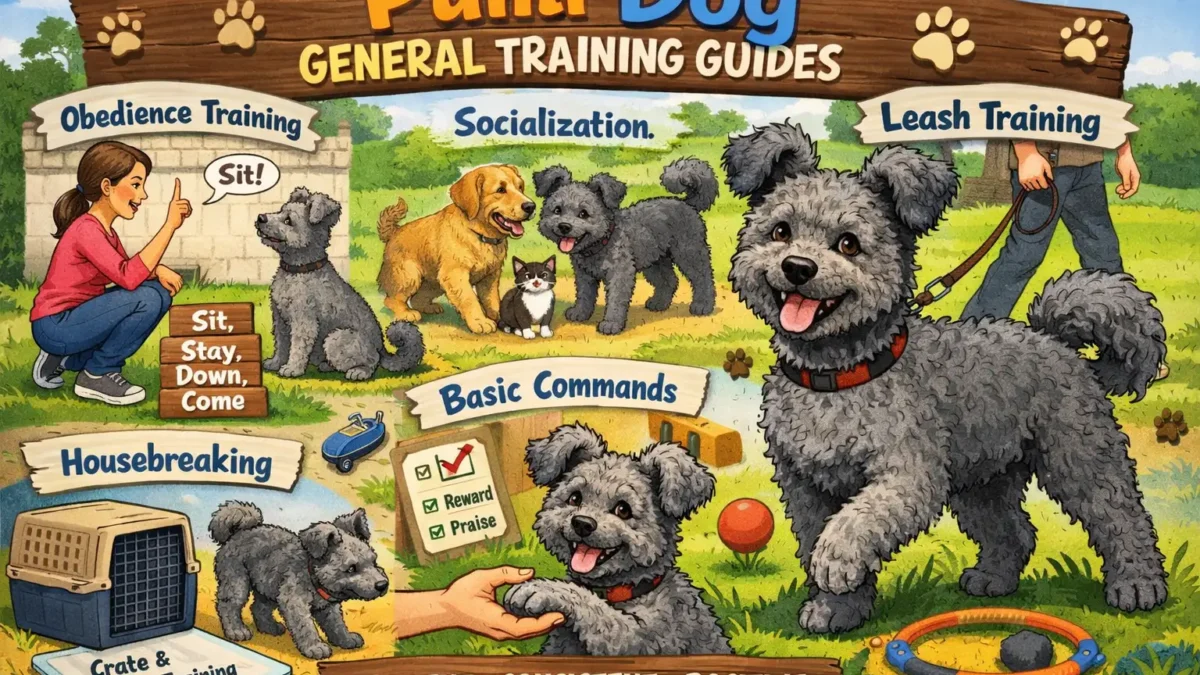
Pumi Dog Training Guide: How to Train a Smart, Energetic Herding Dog
Training a Pumi dog is not about forcing obedience—it’s about channeling intelligence, energy, and instinct in the right direction. Pumis are highly intelligent, fast-thinking herding dogs with a strong desire to work and communicate. When trained correctly, they are responsive, enthusiastic, and deeply connected to their owners. When trained poorly or inconsistently, they can become noisy, frustrated, and difficult to manage.
This guide is designed to give you a clear, realistic, and breed-specific approach to Pumi dog training. It works whether you’re raising a Pumi puppy, adopting an adult Pumi, or trying to fix ongoing behavior issues. Instead of generic dog training advice, you’ll learn how Pumis actually think, learn, and react—and how to train them in a way that fits real homes, busy schedules, and everyday challenges.
You don’t need advanced tools, harsh corrections, or endless hours of training. What you do need is structure, timing, and an understanding of what motivates a Pumi. This article will walk you through that step by step, helping you build reliable behavior, reduce common problems like excessive barking or distraction, and create a confident, well-mannered dog you can live with comfortably.
Understanding the Pumi Dog’s Temperament and Learning Style
Before you train a Pumi, you need to understand how this breed thinks and learns. Pumis are not slow or stubborn dogs. Most training problems happen because owners use the wrong style for this very smart and sensitive breed.
Pumis were bred to work all day. They watch movement, react fast, and make decisions on their own. This is helpful—but it also means they get bored quickly and notice everything around them.
Here are the main traits that affect Pumi training and what they mean for you:
| Pumi Trait | What You May See at Home | What It Means for Training |
|---|---|---|
| Very intelligent | Learns commands fast | Needs short, fun sessions |
| High energy | Restless or overexcited | Needs daily mental work |
| Herding instinct | Chasing, nipping, alerting | Must learn impulse control |
| Very vocal | Barking at sounds or movement | Needs early bark control |
| Sensitive nature | Shuts down if yelled at | Needs calm, reward-based training |
Pumis learn best when training feels like a game or job, not a punishment. They respond quickly to rewards like food, toys, or praise—but only if the reward comes at the right time. Harsh corrections, shouting, or repeating commands too much can confuse them and make training worse.
It’s also important to know that Pumis notice patterns fast. If you allow a behavior once—like jumping or barking—they will remember it. Consistency matters more with this breed than with many others.
When you train in a calm way, keep sessions short, and give your Pumi something to think about every day, training becomes much easier and more enjoyable for both of you.
Step-by-Step Training Approach for Pumi Dogs
Pumi dogs learn best when training is clear, short, and repeated often. Long or strict sessions do not work well for this breed. Think of training as small lessons spread through the day.
Start with these basic rules:
- Train when your Pumi is calm, not overexcited
- Keep sessions short and fun
- Reward good behavior right away
- Stop before your dog gets bored
Daily training routine (simple and realistic)
Use this basic structure to avoid overtraining:
| Training Part | Pumi Puppies | Adult Pumis |
|---|---|---|
| Session length | 3–5 minutes | 5–10 minutes |
| Sessions per day | 3–5 short sessions | 2–3 sessions |
| Main focus | Basics + social skills | Control + focus |
Short sessions help your Pumi stay interested and prevent frustration.
Training methods that work best for Pumi dogs
Not all training styles work well for this breed. These methods are proven to be the most effective:
| Training Method | Why It Works for Pumis |
|---|---|
| Positive rewards | Keeps learning fast and stress-free |
| Marker words (“yes”) | Helps with quick learning |
| Food or toy rewards | Matches high motivation |
| Mental games | Prevents boredom and barking |
Always reward right when your Pumi does the correct behavior. Even a few seconds late can confuse them.
Common Pumi Training Problems and Practical Solutions
Even well-trained Pumis can show problem behaviors. This does not mean your dog is bad or untrainable. Most issues happen because the Pumi is bored, confused, or overexcited.
Here are the most common training problems Pumi owners face and how to fix them:
| Problem | Why It Happens | What You Can Do |
|---|---|---|
| Excessive barking | Alert instinct and boredom | Teach “quiet,” add mental games |
| Pulling on leash | Too much excitement | Stop-and-go walking, reward focus |
| Not coming when called | Distractions outside | Practice indoors first, use long leash |
| Jumping on people | Seeking attention | Ignore jumping, reward calm behavior |
| Acting stubborn | Sessions too long or unclear | Shorten sessions, reward faster |
Important things to remember
- Most problems improve with better timing and consistency
- Repeating commands without rewards slows learning
- Physical exercise alone is not enough for Pumis
- Mental work reduces many behavior issues naturally
If your Pumi seems worse on busy days, that is normal. Stress, noise, visitors, or lack of sleep can all affect behavior. On these days, keep training short and simple.
Fixing problems early is much easier than waiting. Small daily changes lead to big results over time.
When to Seek Professional Training or Behavioral Help
Most Pumi training problems can be solved at home with time, patience, and the right method. But some behaviors need extra help, and asking for support is the smart choice—not a failure.
You should consider professional help if you notice any of these signs:
| Behavior | What It Means | What to Do |
|---|---|---|
| Fear that does not improve | Dog feels unsafe or stressed | Contact a certified trainer |
| Aggression toward people or dogs | Safety risk | See a behavior professional |
| Extreme anxiety | Constant stress or panic | Talk to a vet or behaviorist |
| No progress after 6–8 weeks | Training plan not working | Get expert guidance |
A professional dog trainer can help with:
- Obedience problems
- Barking and leash issues
- Focus and impulse control
A veterinary behaviorist may be needed when:
- Fear or aggression is strong
- Anxiety affects daily life
- Medical issues may affect behavior
Getting help early can stop small problems from becoming serious ones. The goal is always a calm, confident, and safe Pumi that fits well into your home and lifestyle.
For official breed information and background on the Pumi’s working traits, you can also review the breed overview provided by the American Kennel Club: https://www.akc.org/dog-breeds/pumi/