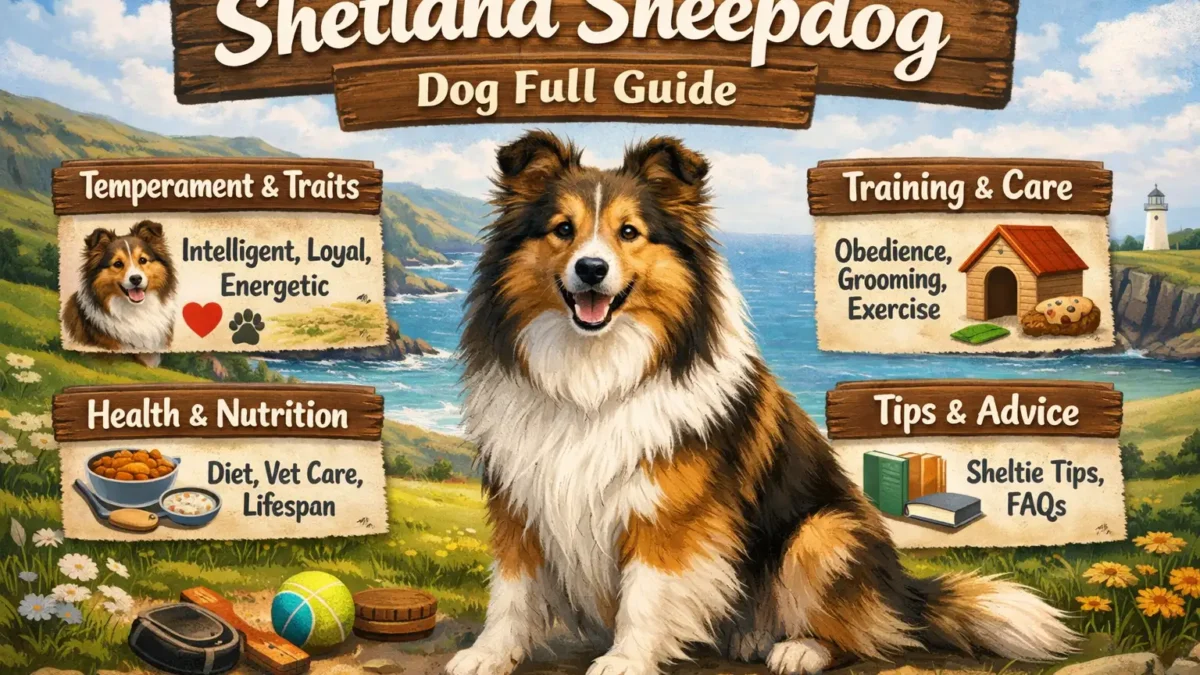
The Ultimate Guide to Shetland Sheepdogs: Care, Training, Health, and More
The Shetland Sheepdog, affectionately known as the Sheltie, is a small yet strikingly intelligent breed originally developed in the Shetland Islands of Scotland. With their beautiful double coat, keen alertness, and friendly demeanor, Shelties have captured the hearts of dog lovers worldwide. Their exceptional intelligence and eagerness to please make them excellent companions, while their natural herding instinct can provide a bit of a challenge for first-time owners.
In this guide, we’ll explore everything you need to know about the Shetland Sheepdog, including their appearance, personality, exercise requirements, grooming, and health. Whether you’re a potential Sheltie owner or simply want to learn more about this amazing breed, you’ll find comprehensive, expert-level information to help you make informed decisions.
Appearance and Personality
The Shetland Sheepdog is a small dog with a big personality. Standing at just 13 to 16 inches tall and weighing between 15 and 25 pounds, they are compact but packed with energy and charm. Their beautiful double coat comes in colors like sable, tricolor (black, white, and tan), and merle, giving them a look that stands out wherever they go. Their coat requires regular grooming, but it’s worth it to keep them looking their best.
Shelties are known for their intelligent and loyal nature. They love their families and are often very attached to them. This makes them excellent companions, especially for families with children. While they are friendly and love attention, they can be a little reserved around strangers and may even bark to alert you to something unusual.
Their herding instinct is strong, so you may notice them trying to herd other pets or even young children, which can be both cute and a bit challenging. Overall, they are a great choice for active households looking for a smart and loving dog.
Shetland Sheepdog Size and Weight Comparison
| Gender | Height Range | Weight Range |
|---|---|---|
| Male | 13-16 inches | 15-25 lbs |
| Female | 13-16 inches | 15-20 lbs |
Shetland Sheepdog Personality Traits at a Glance
| Trait | Description |
|---|---|
| Loyalty | Very loyal to their family, bonds deeply. |
| Intelligence | Highly trainable and intelligent. |
| Alertness | Naturally alert, making them great watchdogs. |
| Playfulness | Enjoys interactive play, especially with children. |
| Herding Instinct | Can try to herd children, pets, and even adults. |
Exercise, Grooming, and Health
Shetland Sheepdogs are active and smart dogs. They need both physical exercise and mental challenges to stay happy and healthy. Daily walks, playtime in the yard, or activities like fetch and agility games are great for them. Without enough exercise, they may get bored and start barking or chewing things they shouldn’t.
Their double coat needs regular brushing, at least 2–3 times a week, and more during shedding season in spring and fall. Bathing can be done every 2–3 months, and regular care of nails, ears, and teeth is important to keep them healthy.
Shelties are generally healthy dogs, but like all breeds, they have some common health issues. These include Collie Eye Anomaly, hip dysplasia, hypothyroidism, and von Willebrand disease. Regular vet check-ups and preventive care can help catch problems early and keep your dog happy for many years.
Shetland Sheepdog Grooming and Health Checklist
| Care Type | Recommended Frequency | Notes |
|---|---|---|
| Brushing | 2-3 times a week | More during shedding season |
| Bathing | Every 2-3 months | Use gentle dog shampoo |
| Nail Trimming | Monthly | Keep nails short for comfort |
| Ear Cleaning | Monthly | Check for wax and infections |
| Vet Checkups | Annually | Preventive care and health screenings |
Shetland Sheepdog Health Concerns and Lifespan
| Health Issue | Age of Onset | Preventive Measures |
|---|---|---|
| Collie Eye Anomaly | Birth/early life | Regular eye checkups with vet |
| Hip Dysplasia | Adult (4-7 years) | Healthy weight, exercise |
| Hypothyroidism | Middle age (5+ years) | Regular thyroid screening |
| Von Willebrand Disease | Early life | Blood tests for diagnosis |
| Seizures | Variable | Ongoing veterinary care |
Training and Suitability for Different Owners
Shetland Sheepdogs are very smart and quick to learn new things, which makes them great pets for families who want to train their dog. They love to please their owners, so they usually respond well to positive training methods, such as treats and praise. However, they also have a strong herding instinct. This means they might try to herd children or even other pets, especially if they’re not properly trained. Early socialization and training are very important to help your Sheltie learn what is okay and what isn’t.
This breed is best suited for active families who can give them plenty of attention, exercise, and mental challenges. They are also a good choice for experienced dog owners who know how to train a smart, energetic dog. While Shelties can adapt to apartment living, they still need daily walks and mental stimulation, so they’re not the best choice for people with very busy or inactive lifestyles.
Shetland Sheepdogs are great with kids, making them an ideal choice for families. They also get along well with other pets, but since they’re natural herders, they might chase or try to herd smaller animals. Their loyalty and affection for their family make them wonderful companions for those who have the time and energy to care for them.
Shetland Sheepdog Training Challenges vs. Strengths
| Aspect | Strengths | Challenges |
|---|---|---|
| Trainability | Quick learners, eager to please | Herding instinct may cause chasing or nipping |
| Herding Instinct | Quick to learn commands | Can herd people, kids, and pets if not trained properly |
| Socialization | Friendly with family and pets | Needs early socialization to prevent over-protectiveness |
Pros, Cons, and Final Considerations
Shetland Sheepdogs are wonderful dogs for the right owners. They are loyal, intelligent, and loving, making them excellent companions for families and active individuals. However, they do have some challenges that potential owners should know about before bringing a Sheltie home.
Pros and Cons of Owning a Shetland Sheepdog
| Pros | Cons |
|---|---|
| Loyal and affectionate with family | High grooming needs (moderate to heavy shedding) |
| Intelligent and highly trainable | Needs daily exercise and mental stimulation |
| Alert and protective, makes a good watchdog | May bark a lot and herd children or pets |
| Great for active owners | Can be too energetic for some households |
Shetland Sheepdogs are often compared with other herding breeds. They are smaller than Collies but share similar loyalty and intelligence. Compared to Australian Shepherds, Shelties are slightly less demanding in terms of physical activity, making them suitable for families who want an active but manageable dog.
Shetland Sheepdog Comparison with Similar Breeds
| Breed | Size Range | Temperament | Exercise Needs |
|---|---|---|---|
| Shetland Sheepdog | 13-16 inches, 15-25 lbs | Loyal, alert, intelligent | High, daily walks & mental stimulation |
| Rough Collie | 24-26 inches, 50-75 lbs | Gentle, protective, calm | High, enjoys outdoor activities |
| Australian Shepherd | 18-23 inches, 40-65 lbs | Energetic, independent | Very high, needs a lot of physical activity |
Shetland Sheepdogs are best for families and active owners who can meet their exercise and mental stimulation needs. They are not ideal for people who cannot spend time on grooming or daily activities. With proper care, training, and love, a Sheltie can become a loyal and joyful companion for many years.
For more information on Shetland Sheepdog health and care, visit the American Kennel Club’s Shetland Sheepdog breed pagehere.