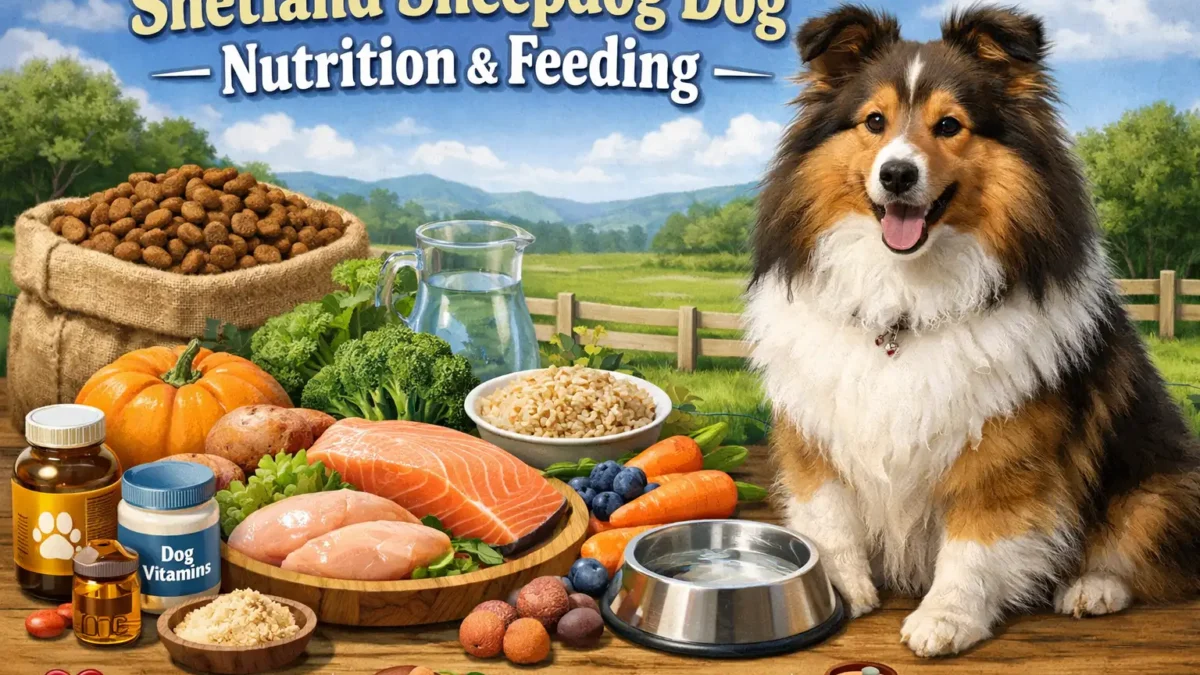
Shetland Sheepdog Nutrition & Feeding Guide: Best Diet for a Healthy, Happy Sheltie
As a Shetland Sheepdog (Sheltie) owner, understanding the importance of proper nutrition is crucial for your dog’s long-term health and well-being. Shelties are an active, intelligent breed with a strong working background, and their diet plays a significant role in supporting their energy levels, maintaining a shiny coat, and promoting overall health. Whether you’re a new dog owner or someone with experience in caring for Shelties, the right nutrition will help your dog thrive at every life stage.
This guide will provide you with all the essential information on how to feed your Shetland Sheepdog, from the best types of food to feeding amounts and frequency, based on their age, size, and energy level. We will also cover common feeding mistakes, what foods are safe or toxic, and how to ensure your Sheltie gets the nutrients they need to lead a healthy and active life.
How nutrition affects health and longevity
Proper nutrition directly impacts your Sheltie’s health, longevity, behavior, and energy levels. For an energetic breed like the Sheltie, a well-balanced diet helps maintain an optimal weight, supports muscle development, and boosts endurance. A healthy diet also plays a vital role in promoting a strong immune system, which helps protect your dog from illnesses. Additionally, Shelties are known for their beautiful double coats, and the right diet will enhance their fur quality, ensuring a glossy and healthy shine.
Choosing the right food and understanding your dog’s nutritional needs will help them enjoy a longer, more vibrant life, full of energy and vitality.
Key considerations for Shetland Sheepdog feeding
Shetland Sheepdogs have unique nutritional needs based on their size, activity level, and overall health. As a medium-sized, highly energetic breed, they require a diet rich in protein to support muscle mass, along with healthy fats for energy. Additionally, Shelties tend to be prone to specific health issues, including food allergies, so it’s important to select food that works for their individual needs. Understanding these needs will help you provide the best possible diet, ensuring your Sheltie remains healthy and happy throughout their life stages.
This guide will break down these nutritional components in detail, from the right amounts of food to feeding frequency, as well as the best food types that suit the Sheltie’s needs. By the end of this article, you’ll have the tools to make informed decisions about your Sheltie’s diet, ensuring that they receive the nutrients required for optimal health and well-being.
Core Nutritional Needs for Shetland Sheepdogs
Shetland Sheepdogs need the right balance of nutrients to stay healthy, active, and happy. Their diet should include macronutrients like protein, fat, and carbohydrates, plus micronutrients like vitamins and minerals. Understanding these basics will help you choose the right food for your Sheltie.
Macronutrients: Protein, Fat, and Carbohydrates
- Protein helps build strong muscles and keeps your Sheltie energetic. Look for high-quality sources like chicken, beef, or fish.
- Fat gives energy and supports healthy skin and a shiny coat. Healthy fats include fish oil, flaxseed oil, and chicken fat.
- Carbohydrates provide energy for daily activity. Good sources are rice, oats, and sweet potatoes.
Macronutrient Breakdown for Shelties
| Life Stage | Protein (%) | Fat (%) | Carbohydrates (%) |
|---|---|---|---|
| Puppy | 25–30 | 12–18 | 40–50 |
| Adult | 22–28 | 10–15 | 45–50 |
| Senior | 20–25 | 8–12 | 45–50 |
Micronutrients: Vitamins and Minerals
Vitamins and minerals keep your Sheltie’s body working properly. They support the heart, bones, immune system, and coat. Some important nutrients include:
- Calcium & phosphorus – strong bones and teeth
- Vitamin E & Omega-3 – healthy skin and coat
- Zinc & iron – immune system and energy
Essential Vitamins and Minerals for Shelties
| Nutrient | Benefits | Sources |
|---|---|---|
| Calcium & Phosphorus | Bones and teeth | Meat, eggs, dairy |
| Vitamin E | Skin and coat | Vegetable oils, leafy greens |
| Omega-3 fatty acids | Coat, brain, and heart | Fish oil, flaxseed |
| Zinc | Immune system and healing | Meat, eggs, whole grains |
| Iron | Energy and red blood cells | Meat, liver, leafy greens |
How to Read Dog Food Labels
When choosing a Sheltie’s food, read the label carefully:
- Check for real meat as the first ingredient.
- Look for the guaranteed analysis: protein, fat, fiber, and moisture percentages.
- Avoid too many fillers like corn or wheat if your dog has allergies.
- Look for AAFCO approval, which means the food meets basic nutritional standards.
How Much and How Often to Feed Your Sheltie
Feeding your Sheltie the right amount of food is key to keeping them healthy and at a good weight. Too much food can lead to obesity, while too little can leave your dog feeling hungry and weak. The amount of food your Sheltie needs depends on their age, weight, and activity level.
Caloric Needs by Age and Activity Level
Each Sheltie will need a different amount of calories, based on how active they are and how old they are. Puppies need more calories to grow, while adult Shelties need fewer. Senior dogs may need less food, but it should still be nutritious to keep them healthy.
Caloric Needs for Shelties by Weight and Activity Level
| Weight (lbs) | Puppy (calories/day) | Adult (calories/day) | Senior (calories/day) |
|---|---|---|---|
| 10–20 | 350–450 | 250–300 | 200–250 |
| 20–30 | 450–600 | 300–400 | 250–350 |
| 30–40 | 600–750 | 400–500 | 300–400 |
Portioning and Feeding Frequency
You should divide your Sheltie’s daily food amount into two or three meals, especially if they are puppies or seniors. Feeding multiple smaller meals helps keep their energy steady throughout the day.
- Puppies (up to 12 months): Feed 3 times a day.
- Adults (1–8 years): Feed twice a day.
- Seniors (8+ years): Feed twice a day or as recommended by your vet.
Body Condition Score (BCS)
Using a Body Condition Score (BCS) can help you figure out if you’re feeding your Sheltie the right amount. BCS measures your dog’s weight based on a scale of 1 to 9, with 4-5 being ideal. If your Sheltie is too thin (BCS under 4) or overweight (BCS over 6), adjust their food portions to reach a healthy weight.
Types of Dog Food: What’s Best for Shetland Sheepdogs
Choosing the right type of food for your Shetland Sheepdog can make a big difference in their health. There are many options available, each with its own benefits and drawbacks. Let’s go over the most common types of dog food and which one might be best for your Sheltie.
Kibble, Raw, Canned, and Homemade Options
- Kibble (Dry Dog Food)
- Pros: Kibble is convenient, easy to store, and usually more affordable. It also helps clean your Sheltie’s teeth as they chew.
- Cons: Some kibble may contain fillers like corn or soy, which can cause allergies in sensitive Shelties. Look for high-quality brands that list meat as the first ingredient.
- Raw Food (BARF Diet)
- Pros: Raw food is closer to a natural diet for Shelties and may improve skin, coat, and energy levels. Many owners report that it helps with digestion and reduces allergies.
- Cons: Raw food can be expensive, and there’s a risk of bacterial contamination if not handled properly. It’s important to balance the diet to avoid nutrient deficiencies.
- Canned Food
- Pros: Canned food is often more palatable and easier for Shelties to digest. It contains more moisture, which is good for hydration.
- Cons: Canned food can be pricier than kibble and may contain preservatives or fillers. It also doesn’t help clean your dog’s teeth like dry food does.
- Homemade Dog Food
- Pros: Making homemade meals allows you to control the ingredients and provide the freshest food for your Sheltie. This can be especially helpful if your dog has allergies.
- Cons: Homemade food requires more time to prepare and careful planning to ensure your dog gets the right nutrients. It can also be expensive and may need to be supplemented with vitamins and minerals.
Comparison of Dog Food Types for Shelties
| Food Type | Pros | Cons |
|---|---|---|
| Kibble | Convenient, affordable, helps teeth | Can contain fillers, may cause allergies |
| Raw Food | Natural, improves coat and digestion | Expensive, risk of contamination |
| Canned Food | Palatable, good for hydration | More expensive, lacks teeth-cleaning benefits |
| Homemade Food | Fresh, customizable | Time-consuming, needs careful planning |
Safe vs. Toxic Foods for Shelties
It’s very important to know what foods are safe and which ones can harm your Sheltie. Some foods that are safe for humans can be toxic to dogs.
- Safe foods for Shelties: Carrots, apples (without seeds), plain cooked chicken, sweet potatoes.
- Toxic foods to avoid: Chocolate, grapes, onions, garlic, xylitol (found in sugar-free gum).
Safe vs. Toxic Foods for Shelties
| Safe Foods | Toxic Foods |
|---|---|
| Carrots, Apples | Chocolate |
| Cooked Chicken, Turkey | Grapes |
| Sweet Potatoes, Rice | Onions, Garlic |
| Pumpkin, Blueberries | Xylitol (sugar-free gum) |
Treats and Snacks
Treats are a great way to reward your Sheltie, but make sure they’re healthy. Too many treats can lead to obesity, so limit them to small amounts. Some great healthy options include small pieces of fruit, dog biscuits, or low-calorie training treats.
Special Diets, Common Issues, and Real-Life Feeding Scenarios
Every Shetland Sheepdog is different, so their food needs may change based on their health, age, or activity level. Some Shelties might need a special diet, while others might have common feeding problems. Let’s look at some of these special diets and issues, and how to solve them.
Special Diets for Shelties
- Food Allergies and Sensitivities
Some Shelties can be allergic to certain ingredients like chicken, beef, or grains. If you notice your dog scratching, having upset stomachs, or experiencing ear infections, they might have a food allergy. A hypoallergenic diet or limited ingredient food could help reduce these issues. - Sensitive Stomachs
Shelties, like many breeds, can sometimes have sensitive stomachs. If your dog experiences diarrhea or vomiting, it might be due to a food intolerance. You can try feeding your Sheltie a bland diet like boiled chicken and rice for a few days, or look for dog food that is designed for sensitive stomachs. - Weight Management
Shelties are an active breed, but some might struggle with weight gain, especially as they age. If your Sheltie is overweight, consider reducing the portion sizes or switching to a low-calorie dog food. If your Sheltie is underweight, try feeding more nutrient-dense food and increasing meal portions.
Troubleshooting Feeding Problems for Shelties
| Problem | Solution |
|---|---|
| Food allergies/sensitivities | Switch to hypoallergenic food or limited ingredient diet |
| Sensitive stomach | Feed bland diet (chicken and rice) or specialized sensitive stomach food |
| Weight issues (overweight/underweight) | Adjust food portions, choose low-calorie or high-nutrient food |
Common Feeding Mistakes and Troubleshooting
- Overfeeding
Many dog owners accidentally overfeed their Sheltie, thinking they need more food because they are active. However, overfeeding can lead to obesity. Use a feeding guide and pay attention to your dog’s body condition score (BCS) to avoid this. - Feeding Too Fast
Shelties can be fast eaters, which might cause digestive problems or even bloat. If your dog eats too quickly, try using a slow feeder bowl or dividing their food into smaller portions throughout the day. - Feeding the Wrong Food Type
It’s easy to choose the wrong food if you’re unsure of what your dog needs. Always choose food that fits your Sheltie’s life stage (puppy, adult, senior) and consider their specific needs, like high energy or food sensitivities.
Owner Scenarios
- Picky Eaters
If your Sheltie refuses to eat, it could be a sign of boredom, stress, or health issues. Try offering different food types, like wet food or a food topper, to make mealtime more interesting. If the problem persists, talk to your vet. - Feeding Multiple Dogs
If you have more than one dog, it’s important to feed them separately to make sure each dog gets the right amount of food. Some dogs are more aggressive with food, so it’s better to feed them in different rooms or use a divider. - Feeding During Travel
When traveling with your Sheltie, keep their feeding routine as normal as possible. Carry their regular food and avoid changing their diet during the trip to prevent stomach upset.
Practical Tools, FAQs, and When to See a Professional
To help you take the best care of your Shetland Sheepdog, we’ve put together some helpful tools, answers to common questions, and advice on when to reach out to a vet. These will guide you in providing the best nutrition and solving any feeding issues.
Simple Charts and Checklists
Here are some simple tools that can help you manage your Sheltie’s diet and health.
- Daily Caloric Needs Chart
This chart shows how many calories your Sheltie needs each day based on their weight and activity level. It’s a quick way to figure out how much food to give them.
Daily Caloric Needs for Shelties by Weight and Activity Level
| Weight (lbs) | Active Sheltie (calories/day) | Less Active Sheltie (calories/day) |
|---|---|---|
| 10–20 | 350–450 | 250–300 |
| 20–30 | 450–600 | 300–400 |
| 30–40 | 600–750 | 400–500 |
- Body Condition Score (BCS) Checklist
This checklist helps you assess your Sheltie’s weight and body condition. If your dog’s BCS is too high or too low, you can adjust their diet accordingly. - New Food Switch Checklist
This checklist ensures that if you’re changing your Sheltie’s food, you do it safely to avoid stomach problems. Gradually mix the old food with the new food over a week.
Frequently Asked Questions (FAQs)
- How much should I feed my Sheltie each day?
The amount you feed your Sheltie depends on their weight, age, and activity level. Use a feeding guide or chart to find the right amount, and adjust it if your dog is gaining or losing too much weight. - Can I give my Sheltie human food?
Some human foods are safe for Shelties, like carrots, apples, and cooked chicken. However, avoid toxic foods like chocolate, grapes, and onions. Always check if the food is safe before giving it to your dog. - Why is my Sheltie so picky about food?
Shelties can be picky eaters. If your dog refuses to eat, try offering a different flavor, mixing in some wet food, or making mealtime more interesting. If the issue continues, check with your vet. - How can I help my Sheltie lose weight?
If your Sheltie is overweight, reduce their food portions and increase their exercise. You may also want to switch to a low-calorie dog food designed for weight management.
When to See a Professional
It’s important to know when to reach out to a vet or veterinary nutritionist for help. Here are some signs to watch for:
- Sudden weight changes: If your Sheltie gains or loses weight quickly, consult a vet to rule out health issues.
- Frequent digestive issues: If your Sheltie has consistent diarrhea or vomiting, it may be a sign of food intolerance or a health problem.
- Food allergies or sensitivities: If your Sheltie is itching, has ear infections, or has upset stomachs after eating, they might have food allergies, and a vet can help determine the cause.
- Behavior changes: If your Sheltie is lethargic, refuses to eat, or seems unwell after eating, consult a vet to ensure there’s no underlying health issue.
Final Summary
Feeding your Sheltie a healthy, balanced diet is one of the best things you can do for their health. By understanding their nutritional needs and paying attention to how much they eat, you’ll be helping them stay happy and active for many years. Always monitor your dog’s weight and condition, and adjust their food as needed. If you run into any problems, don’t hesitate to consult a vet.
For more detailed information on dog nutrition and feeding, you can visit the American Kennel Club’s Dog Nutrition Guide.