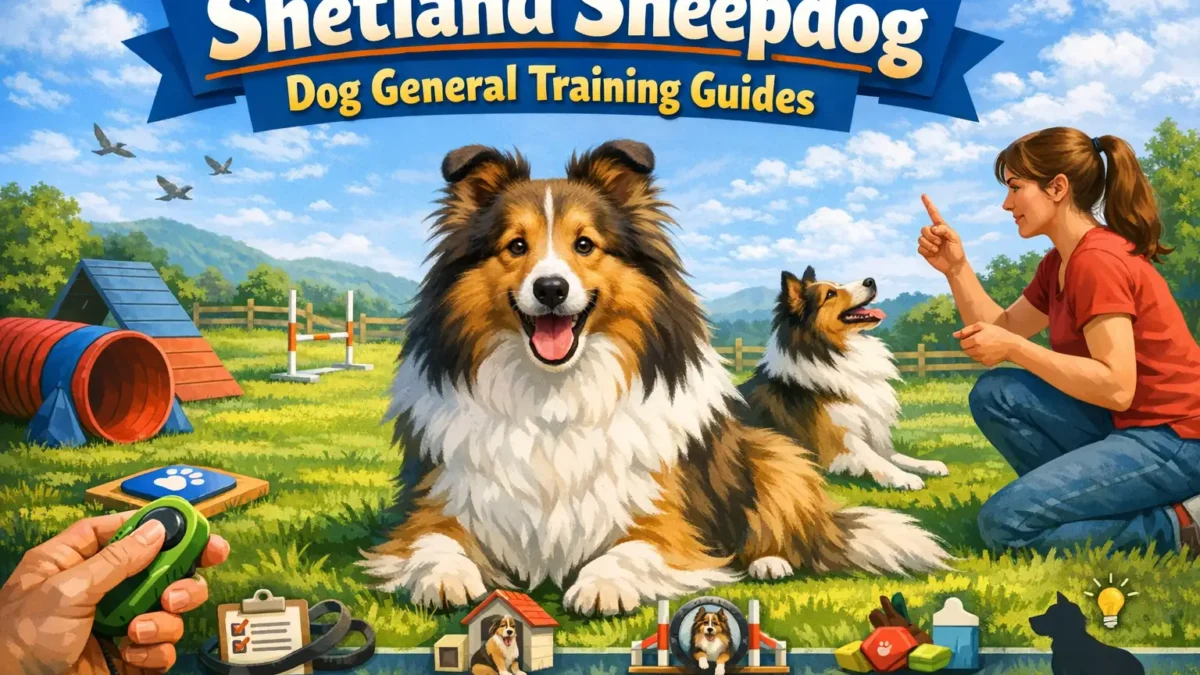
Complete Training Guide for Shetland Sheepdogs: Tips, Troubleshooting, and Expert Advice
The Shetland Sheepdog, or Sheltie, is a highly intelligent and energetic breed known for its agility, obedience, and strong herding instincts. Originally bred for herding sheep on the Shetland Islands, this small but sturdy dog has become a popular companion for families due to its friendly nature and trainability. However, while Shelties are quick learners and eager to please, they also require structured training to channel their energy and natural instincts effectively.
Training your Sheltie is not just about teaching basic commands like “sit” or “stay”; it’s about shaping good behavior, preventing undesirable traits, and creating a positive relationship with your dog. Without proper training, Shelties can develop behavioral issues, such as excessive barking, herding, or separation anxiety.
This guide will walk you through the essential aspects of Shetland Sheepdog training, from understanding their behavior to implementing effective training techniques. Whether you’re a first-time dog owner or an experienced handler, this guide will help you train your Sheltie in a way that’s both rewarding and effective for both you and your dog. Let’s get started on building a strong foundation for your Sheltie’s training!
Understanding the Shetland Sheepdog’s Behavior
Shetland Sheepdogs are known for being smart, energetic, and friendly, but their natural instincts can sometimes make training a challenge. Understanding your Sheltie’s behavior is the first step in creating an effective training plan. Let’s break down some key traits of Shetland Sheepdogs and how they affect training.
Sheltie Behavior Traits
| Trait | Description | Impact on Training |
|---|---|---|
| Intelligence | Shelties are quick learners and love to solve problems. | They pick up commands fast but need mental stimulation. |
| Energy | They have a lot of energy and need regular exercise. | They require active play to burn off energy and stay focused. |
| Sensitivity | Shelties are very sensitive to their owner’s mood and tone. | Positive reinforcement works best to motivate them. |
| Herding Instincts | Shelties have strong herding instincts that can show up in behavior like chasing. | You need to redirect their instincts into games like fetch. |
Why These Traits Matter for Training
Understanding these traits helps you train your Sheltie in a way that suits their personality. For example, because Shelties are so intelligent, they love learning new things, but they can also get bored easily if training isn’t interesting. This means you need to keep training sessions fun and varied.
Their energy means that they won’t be able to focus for long periods if they haven’t had a chance to exercise. A Sheltie that hasn’t had enough playtime may not pay attention during training.
Since Shelties are sensitive to their environment, it’s important to use a gentle approach. Harsh corrections can confuse them or make them anxious. Stick to positive reinforcement, like treats and praise, to build trust and motivate your Sheltie to learn.
Step-by-Step Training Method for Shetland Sheepdogs
Training your Sheltie is easier when you break it into small, clear steps. Short sessions, patience, and positive reinforcement make learning fun for your dog. Here are the key training areas for Shelties:
Basic Commands Training
| Command | How to Teach (Step-by-Step) | Tips |
|---|---|---|
| Sit | Hold a treat above your dog’s nose and move it back over their head. Reward when they sit. | Keep sessions short (5-10 min). Repeat often. |
| Stay | Ask the dog to sit, give the “stay” command, move away slowly. Reward when they hold the position. | Increase distance gradually. |
| Come | Call your dog’s name and say “come.” Reward when they return. | Use excitement and treats. |
| Down | Hold a treat in front, move it down to the ground to guide your dog into lying down. | Start with short durations, increase slowly. |
| Heel | Walk with your dog beside you on a leash. Reward when they stay close. | Begin in low-distraction areas. |
Herding Behavior Management
Shelties have strong herding instincts. This can lead to chasing, nipping, or herding children and other pets. You can redirect these behaviors into fun games.
| Herding Problem | How to Redirect |
|---|---|
| Chasing people or pets | Use fetch or tug games to channel energy positively |
| Nipping at feet | Teach “leave it” or redirect to a toy |
| Herding children | Supervised play and structured commands |
Leash & Walking Etiquette
- Use a short leash to maintain control.
- Reward your Sheltie when they walk beside you.
- Stop walking if your dog pulls; resume when they return to your side.
Housebreaking & Crate Training
- Crate should be a safe and positive space.
- Take your dog outside on a schedule for potty breaks.
- Praise and reward every time your dog goes in the right spot.
Socialization
- Introduce your dog to new people, pets, and environments slowly.
- Reward calm behavior in new situations.
- Early socialization reduces fearfulness and anxiety.
Troubleshooting Common Training Problems
Training your Sheltie can sometimes bring up a few challenges. Don’t worry – these problems are normal, and with the right approach, they can be fixed. Here are some common training problems and how to solve them:
Herding Behavior
Shelties are natural herders, which means they may try to chase people, pets, or even moving cars. Here’s how to handle this behavior:
| Herding Problem | Solution |
|---|---|
| Chasing people or pets | Use structured play, like fetch or agility, to redirect energy. |
| Nipping at feet | Teach the “leave it” command or redirect to a toy. |
| Herding children | Supervised play and consistent commands can help. |
Excessive Barking
Barking is another common Sheltie behavior, especially if they’re bored or anxious. Here’s how to control it:
| Barking Problem | Solution |
|---|---|
| Barking at noises | Teach the “quiet” command. Reward calm behavior. |
| Barking when left alone | Gradually increase alone time to reduce separation anxiety. |
| Barking during play | Teach the “enough” or “quiet” command during playtime. |
Sensitivity to Correction
Shelties are very sensitive to harsh corrections. If your dog is not responding well, you may be using too much force. Here’s what to do:
| Sensitivity Issue | Solution |
|---|---|
| Fear of loud voices | Use a calm, soft voice with praise and treats. |
| Too many corrections | Focus on positive reinforcement and avoid yelling. |
Fearfulness or Anxiety
Some Shelties may show signs of fear, like hiding or shaking. If this happens, it’s important to help your dog feel safe and secure:
| Anxiety Issue | Solution |
|---|---|
| Fear of new people | Slowly introduce your Sheltie to new people and reward calm behavior. |
| Fear of loud sounds | Desensitize your dog by playing soft recordings of the sounds and rewarding calmness. |
Housebreaking Delays
If your Sheltie is taking longer than expected to be housebroken, here’s what to do:
| Housebreaking Issue | Solution |
|---|---|
| Accidents indoors | Take your dog outside on a regular schedule and reward when they go outside. |
| Inconsistent routine | Stick to a consistent feeding and potty schedule to help your Sheltie learn. |
When to Seek Professional Help with Your Sheltie’s Training
While most training issues can be solved with time, patience, and the right techniques, there are times when your Sheltie’s behavior may need professional help. If you notice signs that your dog’s problems are too hard to handle on your own, it might be time to call in an expert. Here’s when you should seek help:
Signs Your Sheltie Needs Professional Help
| Problem | When to Seek Help | Why Professional Help Is Needed |
|---|---|---|
| Aggression towards people or pets | Aggression that is unprovoked and consistent | Aggression can be dangerous, and a professional can help with safe behavior modification. |
| Severe separation anxiety | Destructive behavior when left alone, constant whining or howling | A professional can guide you through desensitization and coping strategies. |
| Extreme fear or nervousness | Hiding, shaking, or refusal to interact with people or pets | A behaviorist can help with controlled socialization and anxiety treatment. |
| Excessive barking | Barking uncontrollably throughout the day, even after training | A behavior expert can address underlying causes of excessive barking, such as boredom or anxiety. |
| Inconsistent housebreaking | Frequent accidents in the house despite consistent training | A professional can help with advanced potty training techniques and resolve underlying issues. |
Why Professional Help Is Important
Sometimes, the behavior problems your Sheltie faces might be beyond basic training solutions. Professionals like dog trainers, behaviorists, or veterinarians with behavior expertise can provide a deeper understanding of your dog’s emotional and psychological needs. They can offer more personalized solutions, especially when your dog’s anxiety, aggression, or fear goes beyond normal behavioral issues.
Seeking help early on can prevent bigger problems down the road and help ensure your Sheltie grows into a well-behaved, happy companion.
For more information on Shetland Sheepdog care and training, check out this detailed guide on American Kennel Club’s Shetland Sheepdog page.